
Wholesale e-bike charger buying is not just about price
When sourcing a wholesale e-bike charger, the first mistake is treating it like any other accessory purchase. It is not. Charger choice affects battery life, field reliability, warranty exposure, and even how many service calls your team will field after launch. That is why buyers comparing ebike charger wholesale options need to look beyond carton quantity and unit cost.
The same caution applies whether you are building an electric bicycle program, supporting after-sales parts, or assembling a private-label accessory line. A charger that looks acceptable on paper can still create trouble if its connector style, output profile, or housing design does not match the battery system in the field.
What the product images actually suggest
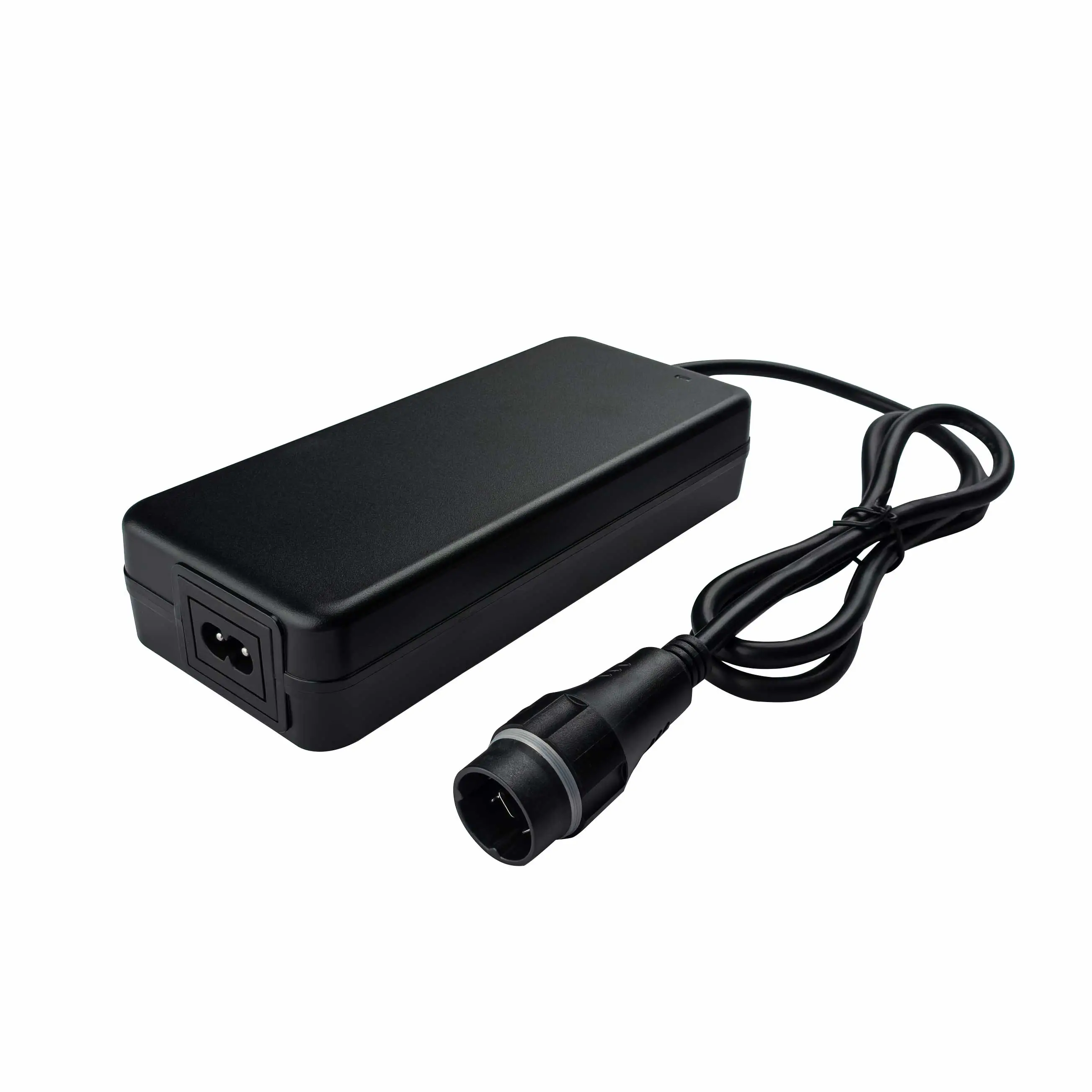
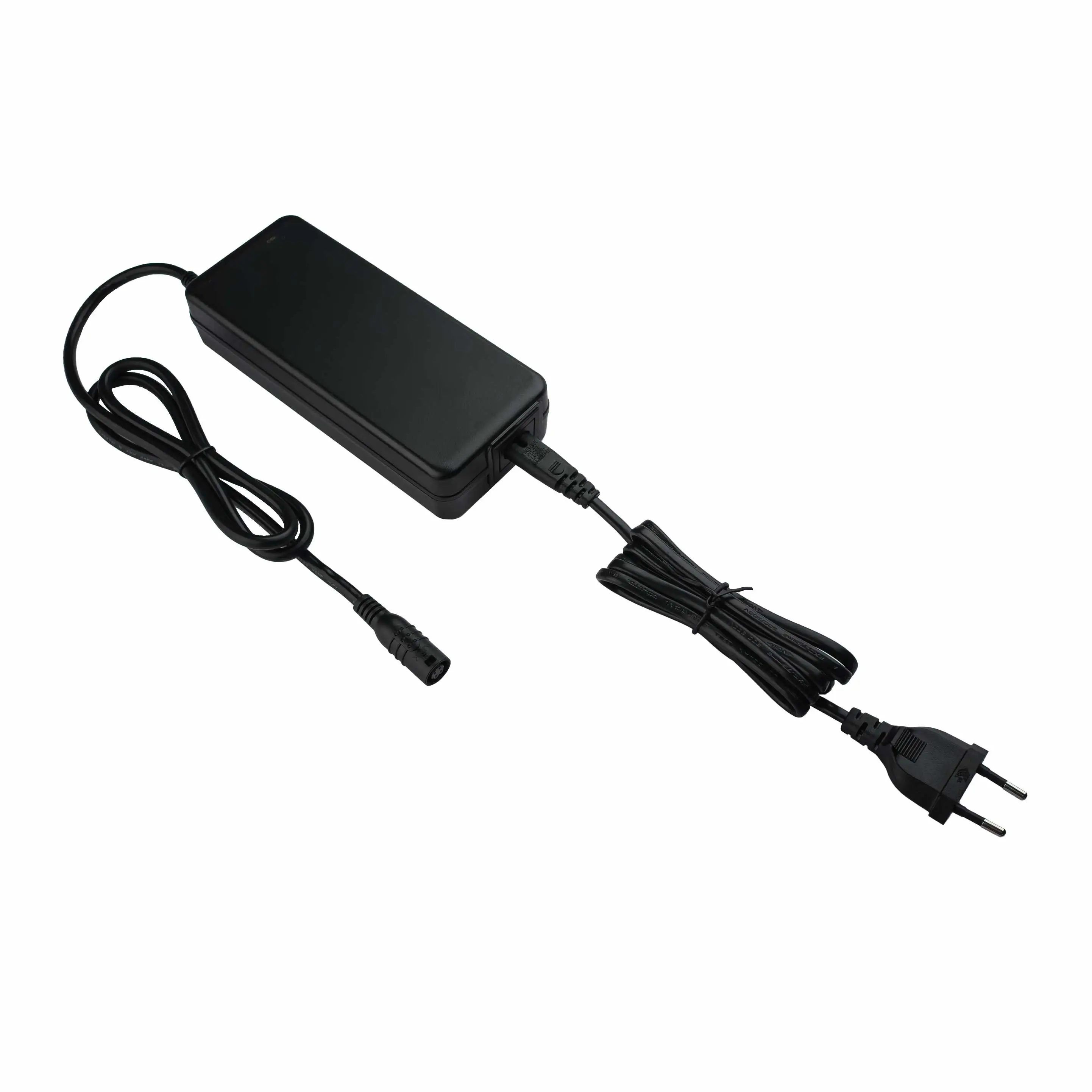
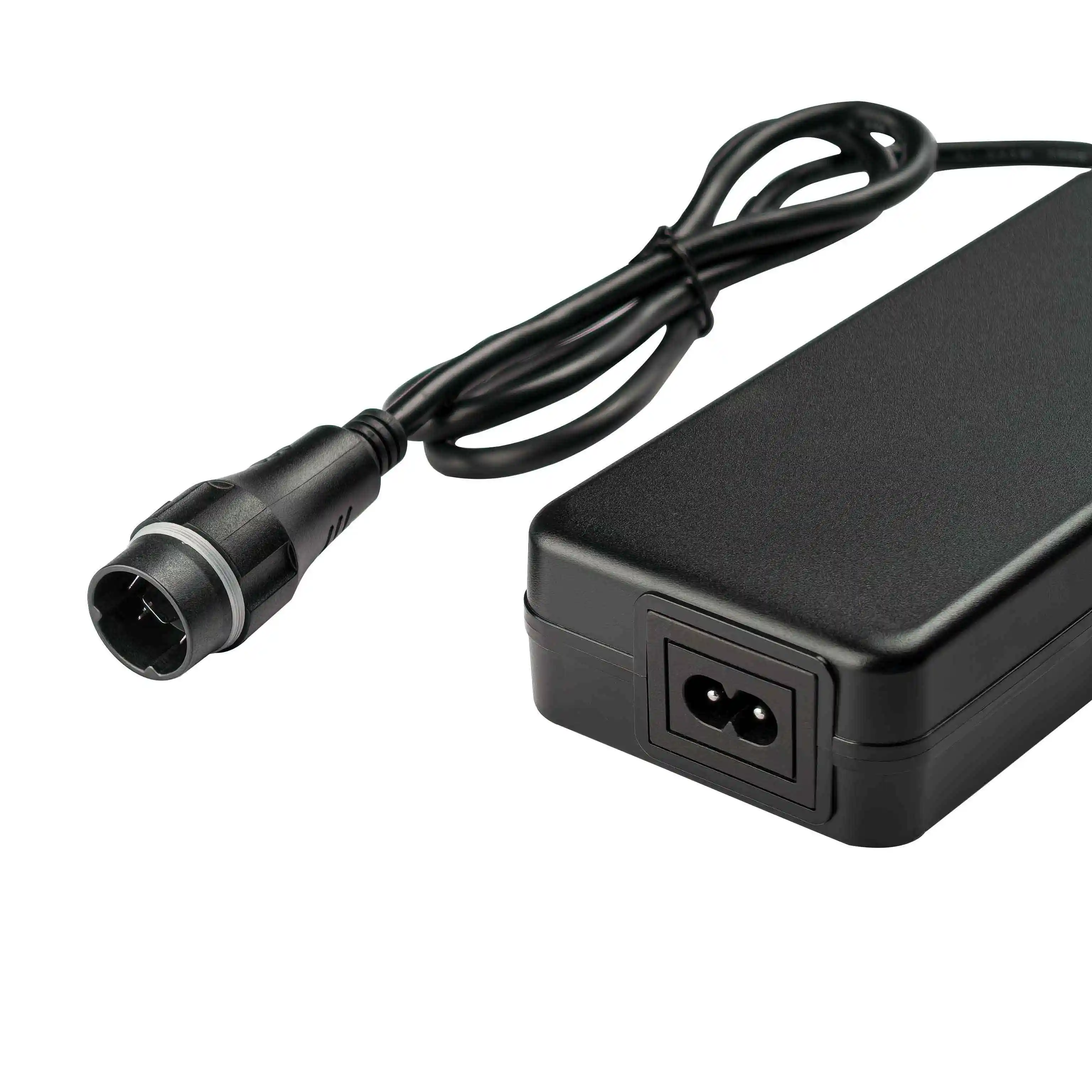
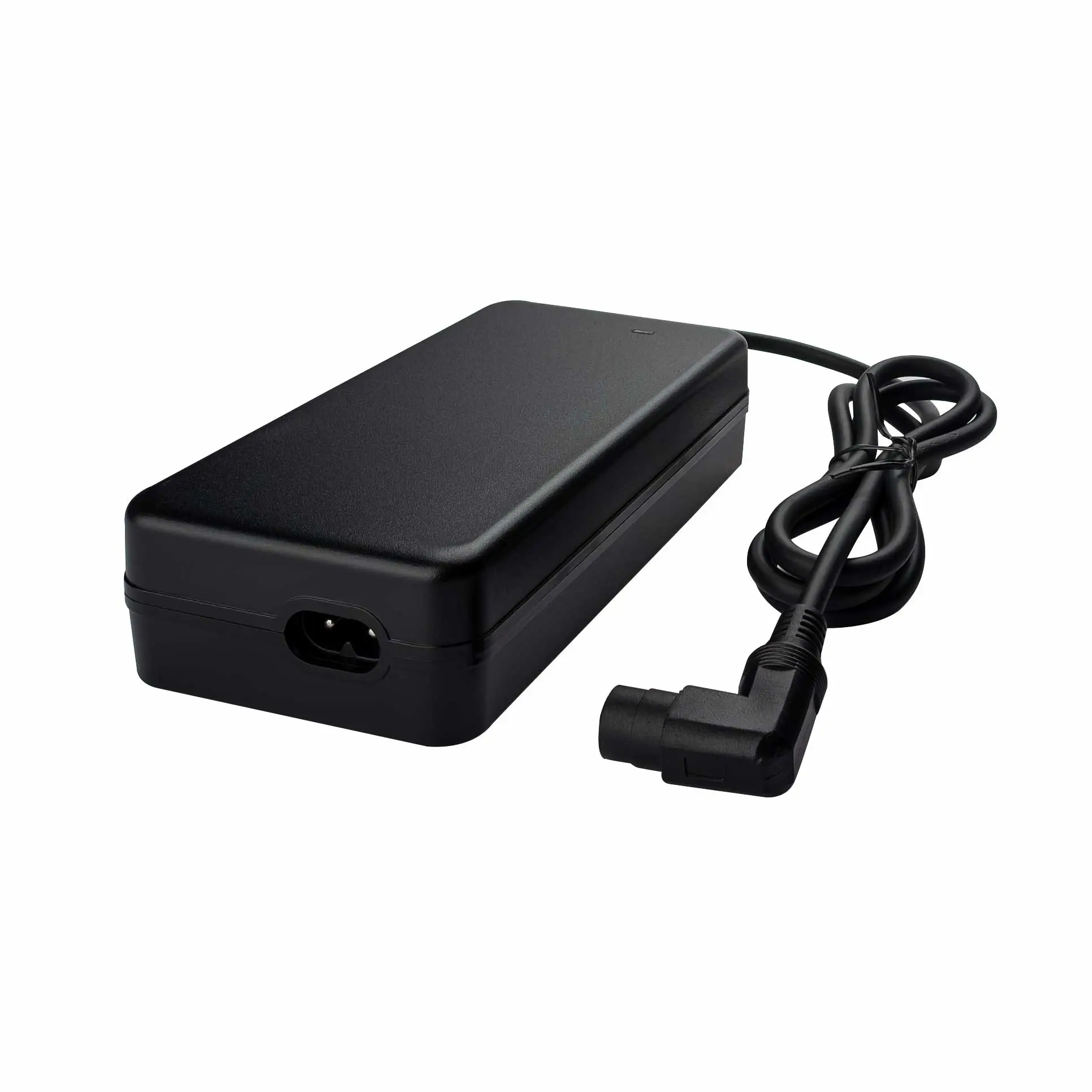
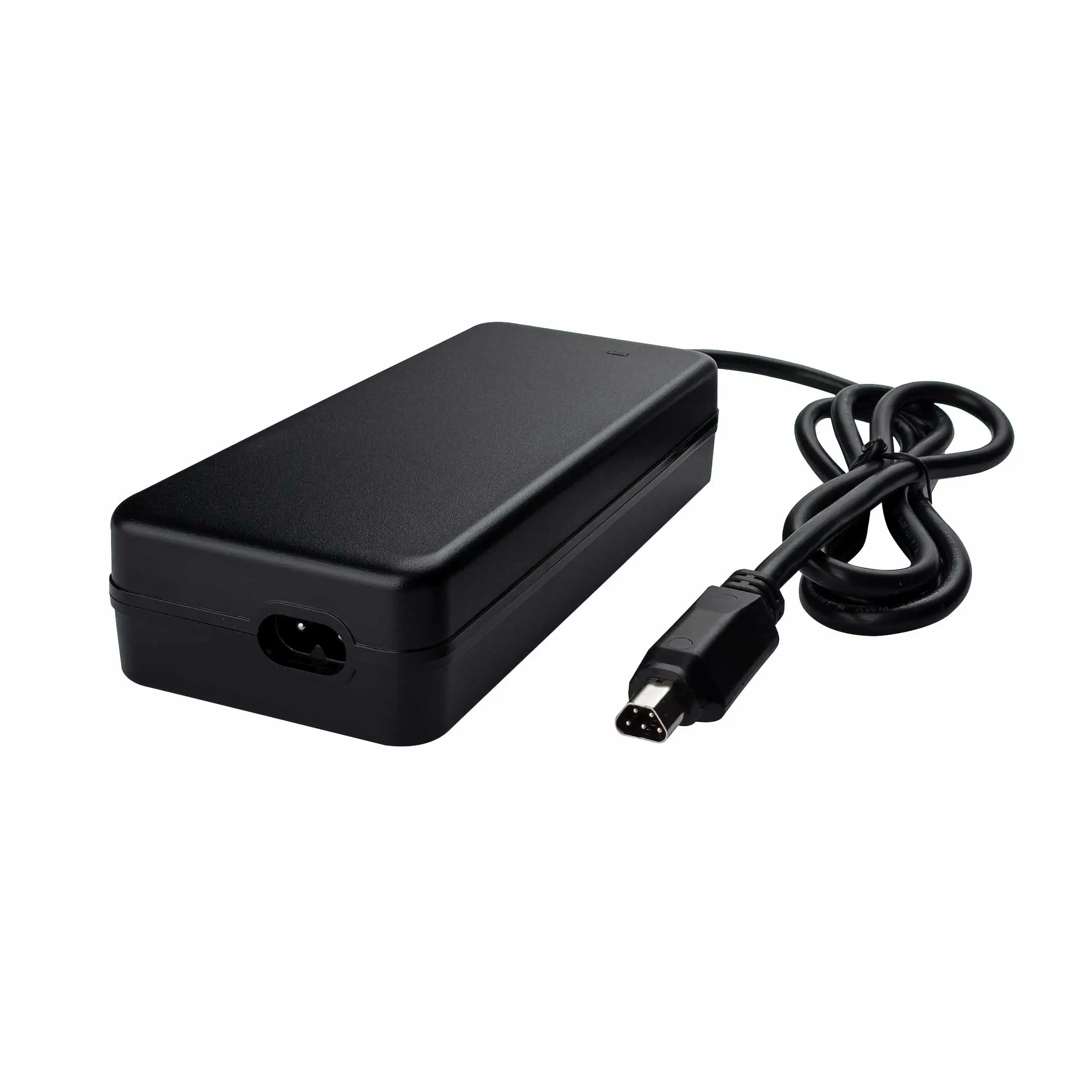
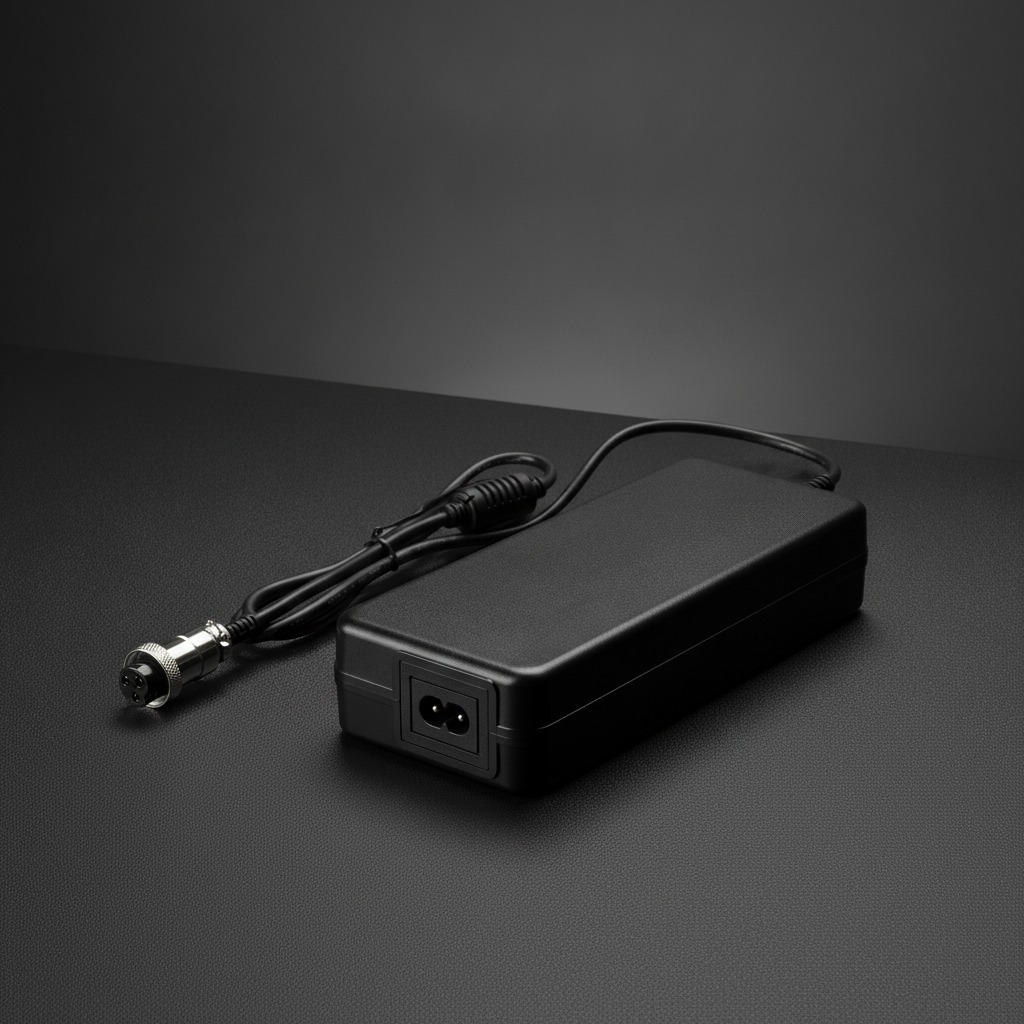
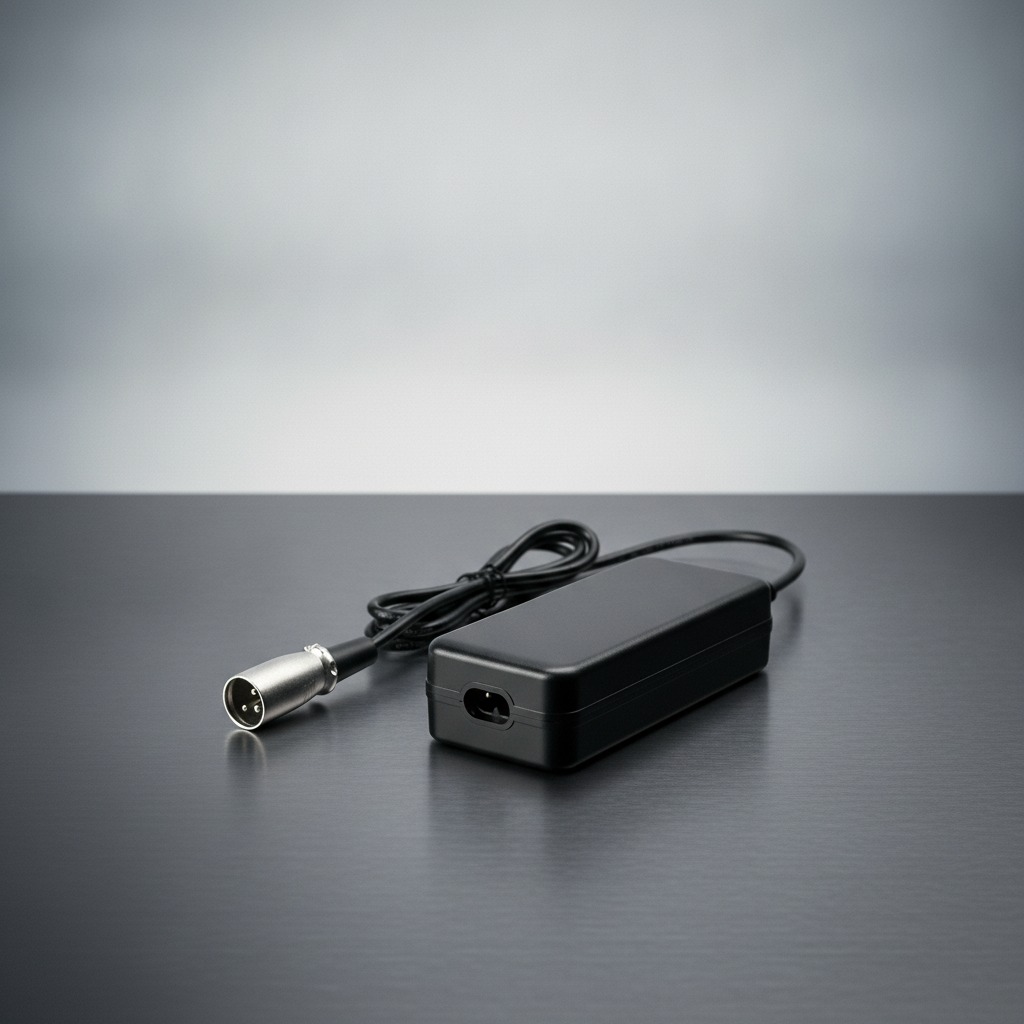
The visible product in the preparation data appears to be a compact black power brick or external AC-DC adapter with a molded plastic housing, strain relief at the cable exits, and a circular multi-pin connector at the end of the output lead. In one view, the connector resembles a 3-pin XLR-style female plug; in another, it looks closer to a cylindrical circular industrial connector. That is an important distinction, because these connector families are not interchangeable just because they share a round shell.
For buyers evaluating a wholesale electric bike charger, that means the connector must be verified from the spec sheet, not guessed from the photo. A wrong pin count or mismatched locking geometry can turn a bulk purchase into dead inventory.
Charger type versus connector type: the decision most buyers miss
A lot of sourcing teams use the phrase electric bicycle charger wholesale as if all chargers were functionally the same. They are not. Two units may look similar in a listing, yet differ in output voltage, current rating, charging algorithm, and connector pinout.
The image data points to an assembled power supply or charging adapter, but the internal design is unknown. It could be an AC-DC charger, a DC-DC module, or a specialty adapter for another device category entirely. The connector may also be standard XLR-style, a power-coded variant, or a circular industrial plug. That uncertainty matters, because the wrong interpretation can lead to compatibility errors that only surface when the first shipment reaches assembly or service.
Quick comparison: what to verify before you place a bulk order
If you are comparing bulk e-bike chargers, keep these checks at the top of the page:
- Output voltage and current match the battery specification.
- Connector type matches the battery port exactly, including pin count.
- Polarity and pinout are documented, not assumed.
- Input side is suitable for your market’s mains standard.
- Housing and cable construction fit the intended use environment.
That list sounds basic, but it is where many bulk e-bike chargers are rejected after sample approval. The failure is rarely dramatic; more often it is a small mismatch that becomes a large logistics problem.
Why the enclosure and cable details matter in wholesale buying
The visible charger body uses a black rectangular molded housing with rounded edges and a visible seam line, which suggests a two-piece clamshell design. That is common in assembled electronic power supplies. The cable is black, coiled, and strain-relieved at both the connector and the power brick exit. From a sourcing perspective, those details are not cosmetic.
A molded enclosure can be easier to integrate into a standard product family. Strain relief can reduce connector failures during shipping and repeated handling. A compact brick form factor also simplifies packaging for OEM kits and spare-part programs. On the other hand, the visible construction does not tell you whether the unit is sealed, serviceable, or suitable for damp storage. Buyers should avoid reading more into the housing than the photos support.
Comparison of likely use cases
The same general product architecture can serve different markets, but the business case changes depending on who uses it.
For e-bike programs, the priority is battery compatibility and replacement consistency. For audio or stage equipment, the connector style and cable durability may matter more than the charging profile. For industrial or instrumentation buyers, the focus often shifts to low-voltage delivery, stable connection, and predictable field service replacement.
That is why ebike charging adapter wholesale procurement should not be handled only by the purchasing team. Engineering, service, and sometimes compliance should all review the sample.
Common sourcing mistakes with wholesale electric bike charger orders
The biggest mistake is assuming a connector that “looks right” will fit. The second is buying bulk e-bike chargers before confirming the pinout. The third is ignoring the actual end use. A charger for a commuter e-bike fleet may need a different durability profile than one sold as a replacement accessory at retail.
Another practical caution: if the listing does not clearly state output voltage, current, and compatibility, ask for the spec sheet before you commit. A photo can show the black enclosure and the connector; it cannot prove charging behavior.
Practical buyer advice for OEM and sourcing teams
If you are comparing electric bicycle charger wholesale offers, request samples and check three things first: connector fit, electrical labeling, and cable handling. Then evaluate packaging, consistency across units, and whether the supplier can keep the same build over time. For long-running programs, that last point matters more than a small price difference.
For teams buying an ebike charger wholesale lot as a spare-part or service item, standardization is usually the safest path. One verified charger family is easier to document, support, and reorder than a mixed assortment of similar-looking units.
FAQ
Is the pictured unit definitely an e-bike charger?
Not from the visible details alone. It appears to be a power adapter or charging-style module, but the exact electrical role is not confirmed.
Can I identify the connector from the photo?
Only tentatively. It looks like a 3-pin XLR-style or circular multi-pin connector, but the exact standard and pin count should be checked in the spec.
What is the safest way to source in bulk?
Match the battery system first, then verify connector, voltage, current, and cable details before placing a wholesale order.
Next step for buyers
If you are evaluating a wholesale e-bike charger or a related bulk e-bike chargers program, ask suppliers for the full electrical spec, connector drawing, and sample units before committing to volume. The right decision is usually the one that reduces returns and service problems later, not the one that only looks cheapest on the quote sheet.