
Why a Bosch e-bike charger is not a trivial spare part
Anyone shopping for a 42V 2A Bosch oval plug e-bike charger is usually trying to solve one of two problems: a worn-out original charger, or the need for a reliable spare that can stay at work, in a shop, or in a second home. That sounds simple enough until the first mismatch shows up. Connector shape, output rating, battery chemistry, and charger compatibility all matter, and a charger that looks close but is not right can leave a bike stranded or, worse, create avoidable battery stress.
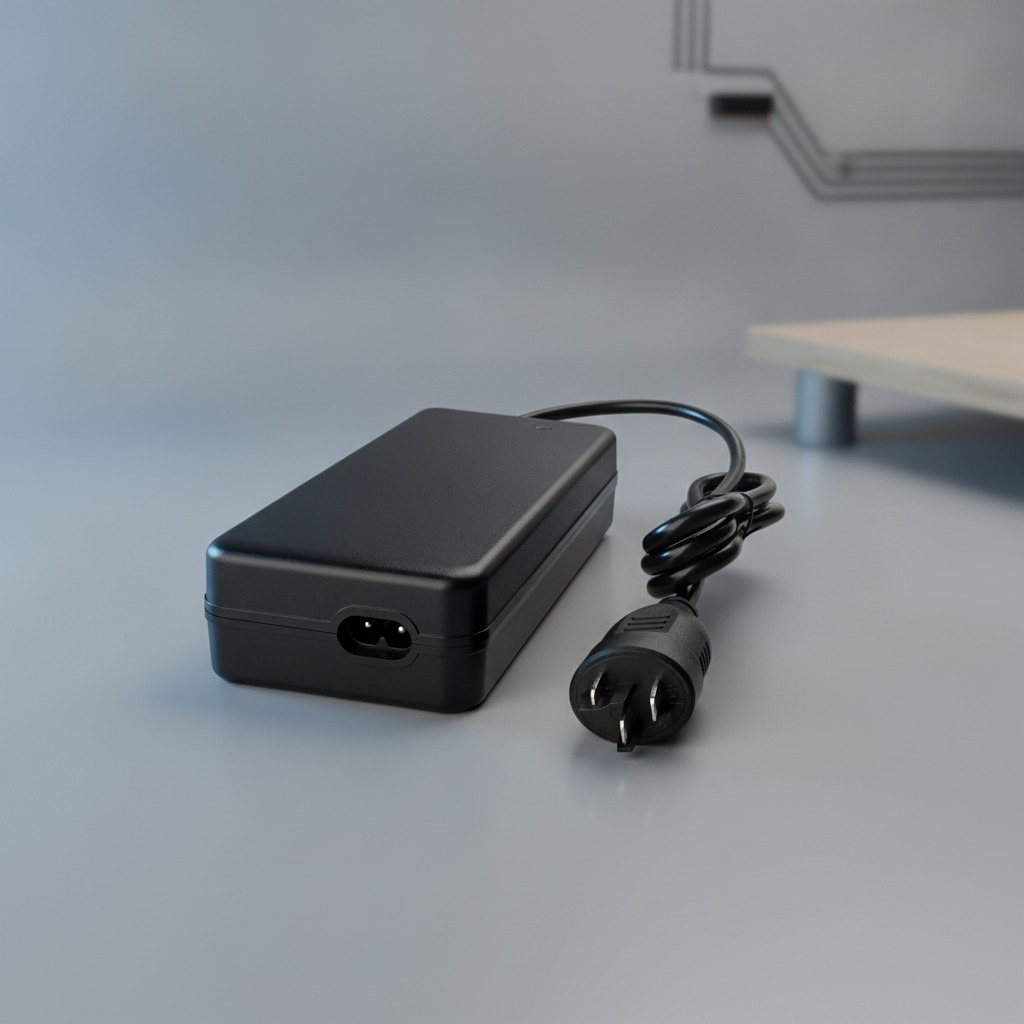
The practical decision is not just “will it plug in?” It is “will it charge the battery safely and at the expected rate?” For engineers, sourcing managers, and product teams, that is the real question behind a replacement e-bike charger purchase. The housing may look like a common black power adapter brick, but the details hidden on the label and connector side are what determine whether the part belongs in the bin, the catalog, or the field service kit.
What the charger description tells you at a glance
The phrase “42V 2A” points to a charger intended for a battery system that charges to 42 volts, with a 2 amp output current. That is a common profile for certain lithium-ion e-bike battery packs. The “Bosch oval plug” detail is the other half of the story: connector geometry matters as much as electrical rating. A Bosch compatible e-bike charger must match the battery interface closely enough to seat properly and maintain reliable contact during charging.
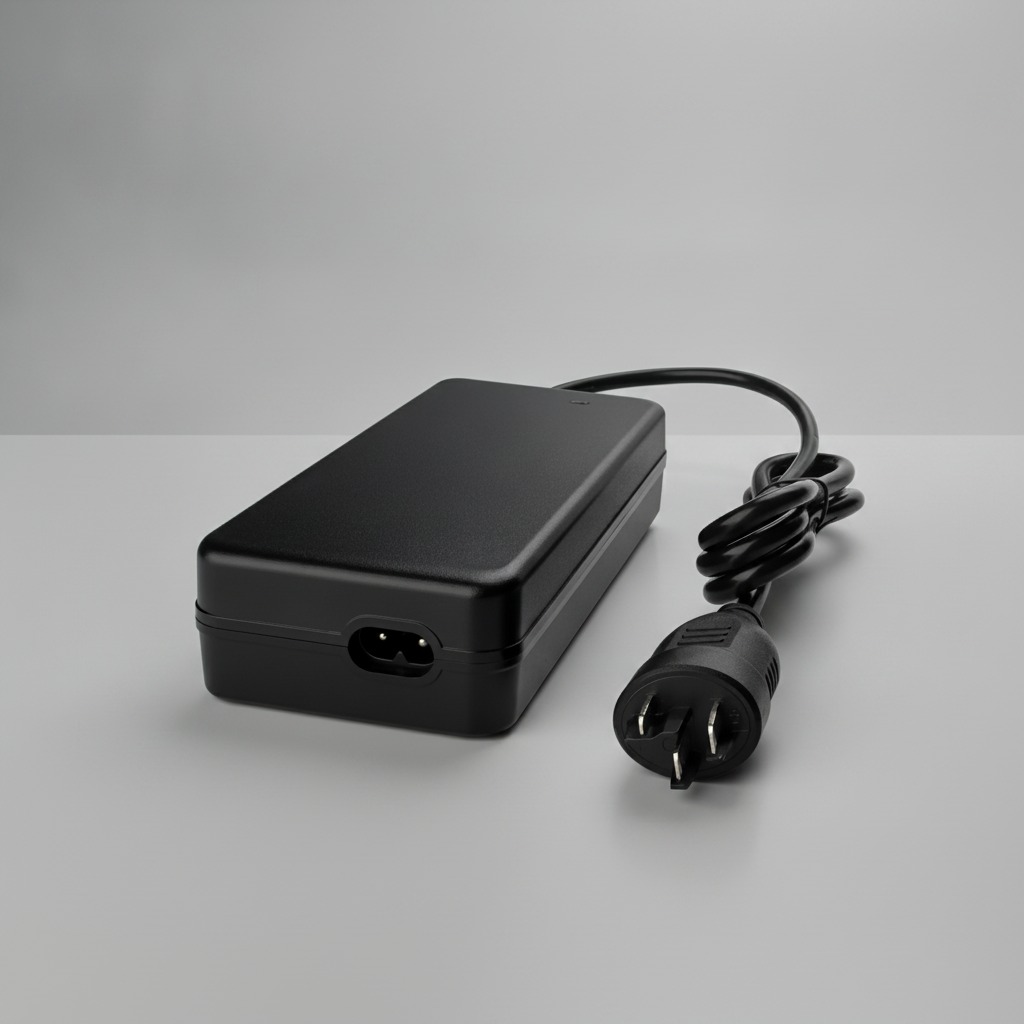
Visually, products in this category are often compact black power-supply bricks with molded plastic housings, attached mains cords, and a proprietary output connector. That matches the general construction of many external AC/DC power adapters. The important caution is that the outer shell tells you very little about the actual output. Two adapters can look nearly identical and behave very differently once connected to a battery.
Key checks before you buy a replacement e-bike charger
1. Confirm the battery charging specification
Battery packs are not interchangeable by appearance alone. Check the label on the battery, the original charger, or the bicycle documentation. If the battery is designed for a 42V charge profile, the replacement should match that requirement. Do not assume a “near enough” voltage is acceptable.
2. Match the connector, not just the brand
Oval plug styles can be proprietary. Even if a listing says Bosch compatible e-bike charger, the exact plug shape, keying, and contact arrangement should still be verified. A connector that fits loosely is not just inconvenient; it can arc, heat up, or cut charging in and out.
3. Decide whether 2A is the right charging rate
For many buyers, 2A is a sensible middle ground. It is slower than high-current fast charging, but often easier on the battery and acceptable for overnight or shop-floor charging. If the use case is fleet turnover or frequent same-day cycling, the actual charging window matters. If the use case is a spare kept in a service bag, simplicity and compatibility usually matter more than speed.
How this compares with a 36V e-bike battery charger
A 36V e-bike battery charger serves a different battery system and should not be treated as a substitute for a 42V unit. The numbers may appear close on paper, but the final charge voltage is different, and that difference is not academic. Using the wrong charger can prevent charging altogether or cause charging behavior that is out of spec for the pack.
For teams buying across a mixed e-bike program, this is where small catalog errors become expensive. A warehouse may stock both 36V e-bike battery charger and 42V units, but part numbering, color coding, and connector tags need to be clear. One crossed line item can waste service time for weeks.
Where buyers get tripped up
The most common mistake is assuming “Bosch compatible” means universal Bosch interchangeability. It does not. Compatibility claims should be checked against connector shape, battery model, and the required output profile. Another common issue is buying on current rating alone. A charger that can deliver 2A is not automatically right if the connector or termination style is wrong.
There is also a supply-chain caution worth stating plainly: wholesale e-bike charger listings can be broad and sometimes sloppy. When ordering in volume, ask for clear product identification, photos of the connector, and label data from the actual shipment sample if possible. It is easier to stop a mismatch before it reaches service inventory than after customers begin returning units.
Practical buying advice for sourcing and service teams
If you are selecting a replacement e-bike charger for resale, aftersales support, or internal maintenance, treat the decision like a component qualification, not a commodity buy. Verify the voltage class, connector geometry, and intended battery family. Keep one approved sample in the office or repair bench so staff can compare future shipments by eye. For multi-site operations, label the chargers by voltage and connector style to avoid mix-ups at the point of issue.
And if the charger is going into a customer-facing kit, include a simple caution note: do not use an unverified charger just because the plug looks close. That one reminder prevents a surprising number of service calls.
FAQ
Is a 42V 2A Bosch oval plug e-bike charger always suitable for Bosch batteries?
No. Compatibility depends on the battery model and connector design. “Bosch compatible e-bike charger” should still be checked against the exact battery interface.
Can a replacement e-bike charger be used as a universal spare?
Only if the voltage, current, and connector all match the target device. Universal in the marketing copy is not the same as universal in the field.
What should I verify on a wholesale order?
Ask for the output rating, connector photo, and battery compatibility statement. If those are missing, the risk is usually on the buyer, not the seller.
Next step
Before placing a replacement or wholesale order, confirm the battery label, charger label, and connector shape side by side. That simple check is usually enough to separate the right charger from an expensive near-miss.