
Why a 42V 2A e-bike charger is more than a simple replacement part
A 42V 2A e-bike charger looks ordinary enough on the bench: a black brick, a fixed cable, and a keyed plug. But for riders, repair shops, and sourcing teams, the details matter. The wrong charger can mean slow charging, connector mismatch, or, in the worst case, a battery and control system that refuse to cooperate. When people search for a 42V 2A e-bike charger, they are usually trying to solve one of three problems: replace a lost unit, keep a spare in the workshop, or buy a compatible charger for Bosch-style battery systems without overpaying for features they do not need.
That is why the buyer decision is not just “does it fit?” It is “does it fit, does it charge correctly, and does it match the battery system well enough to be useful day after day?”
What the product is, based on the supplied information
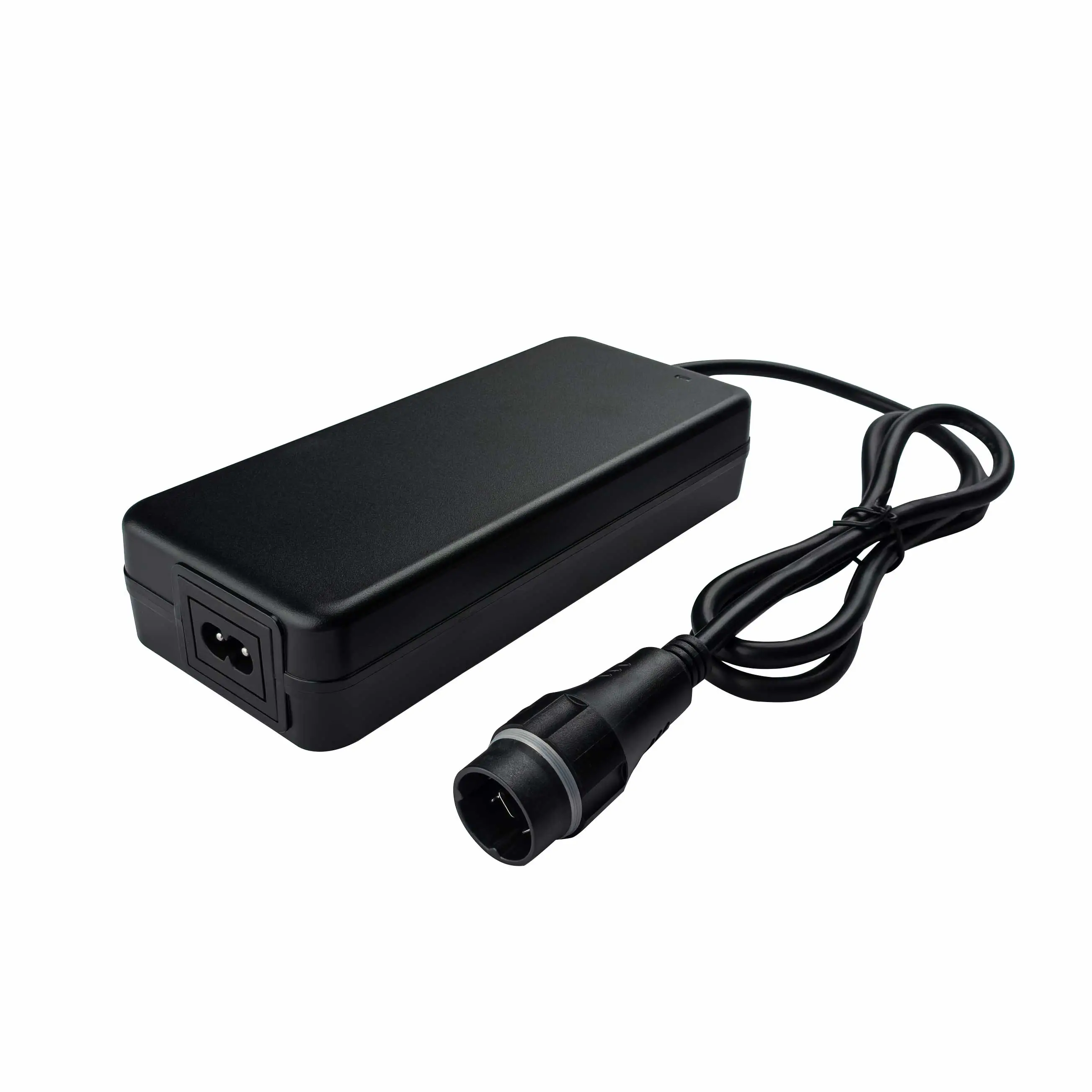
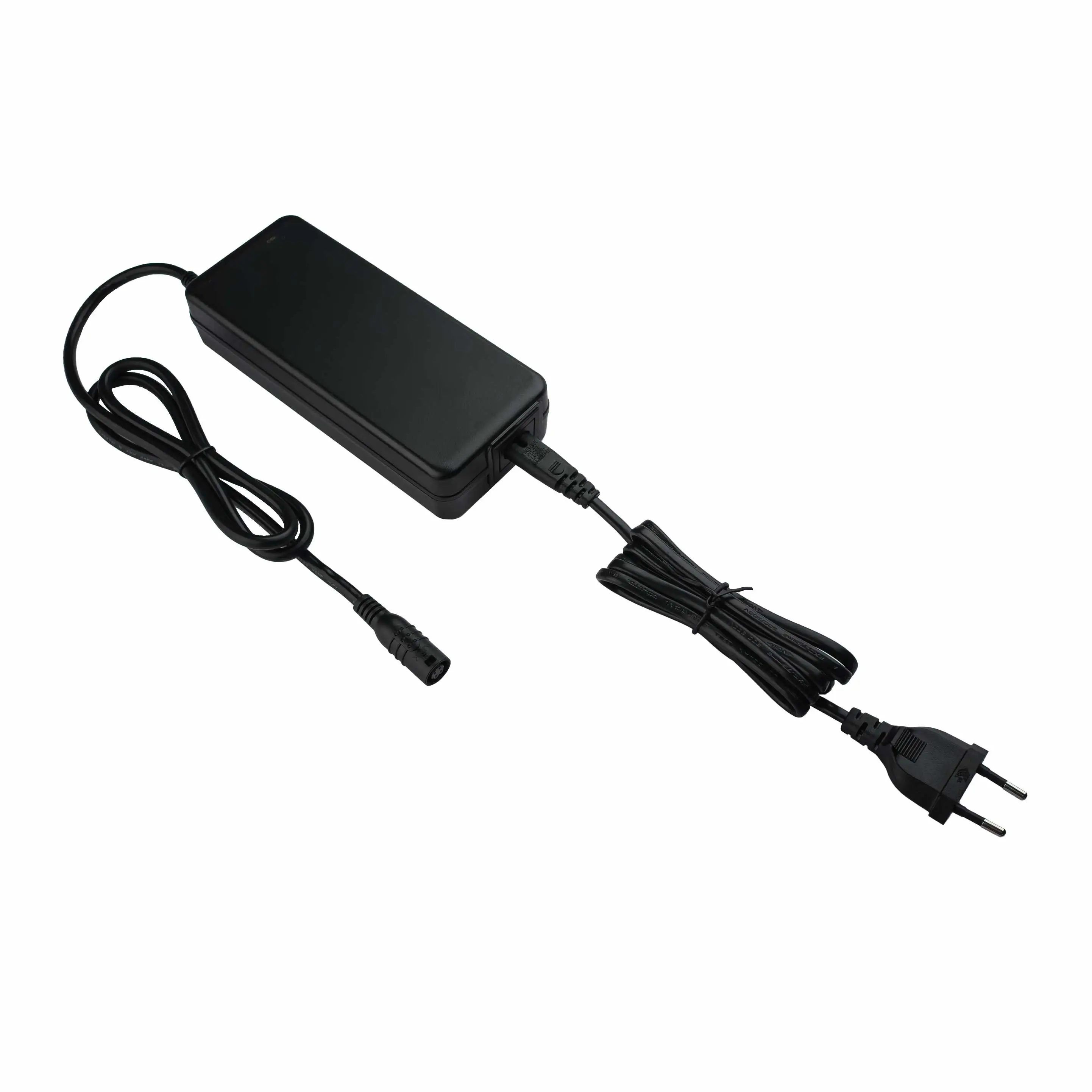
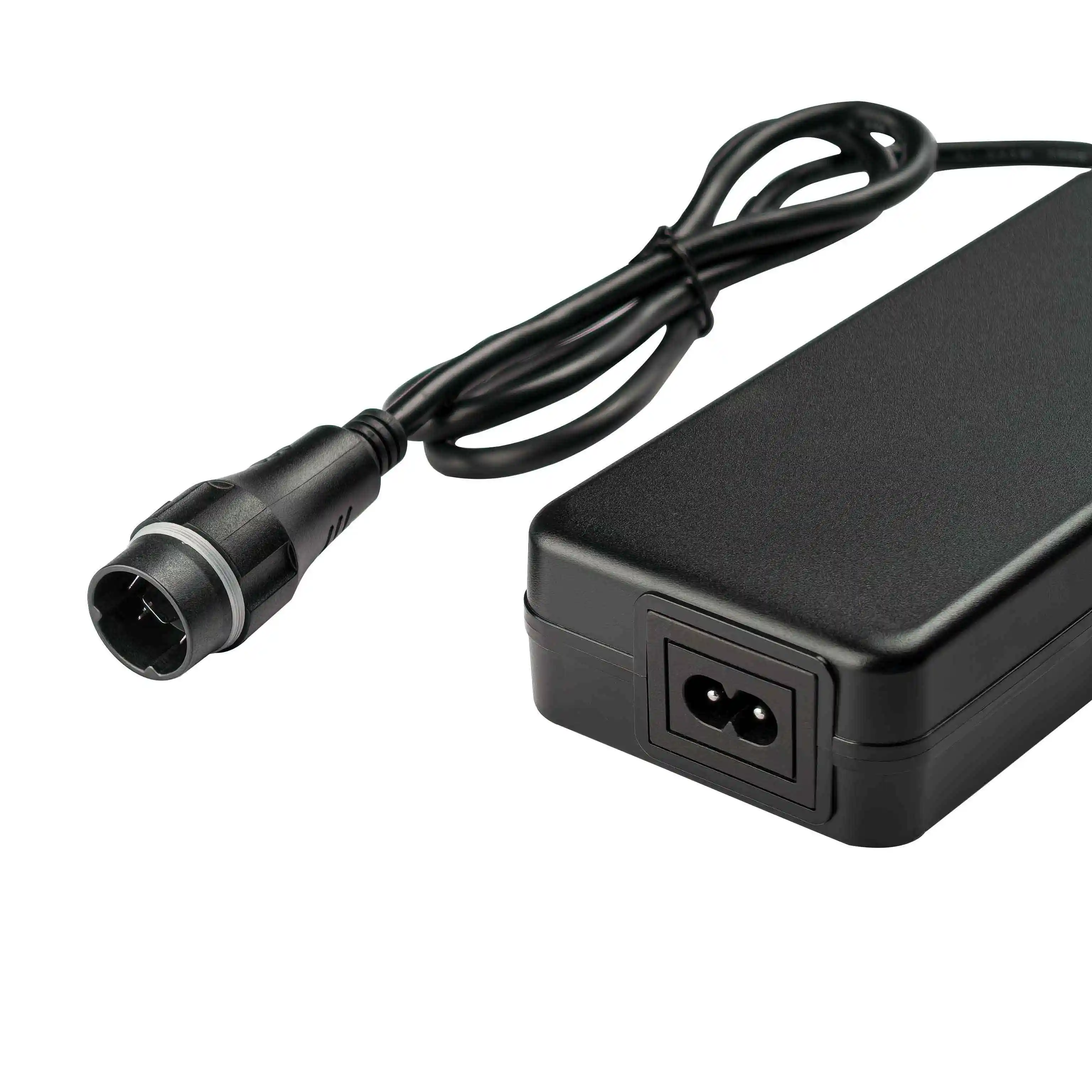
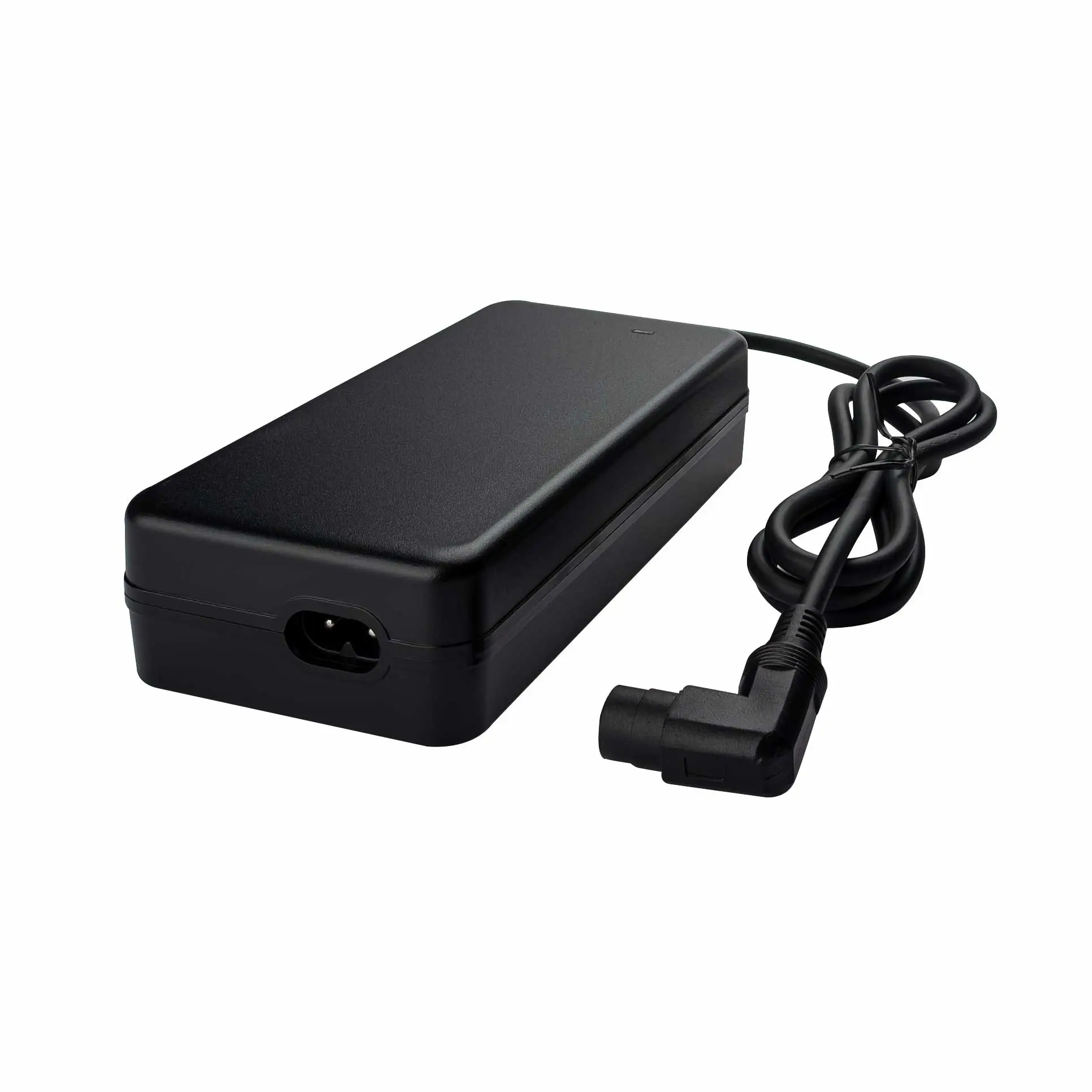
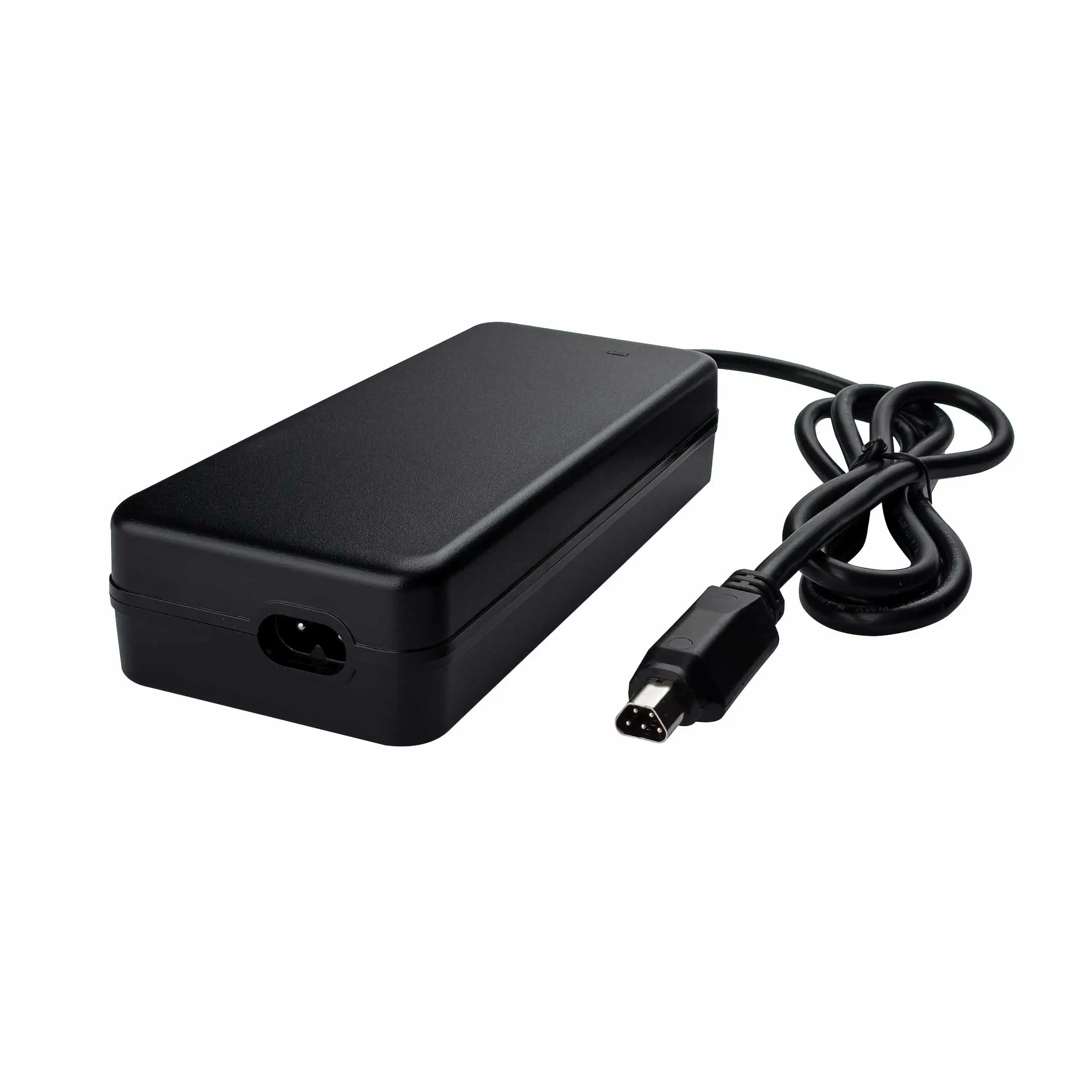
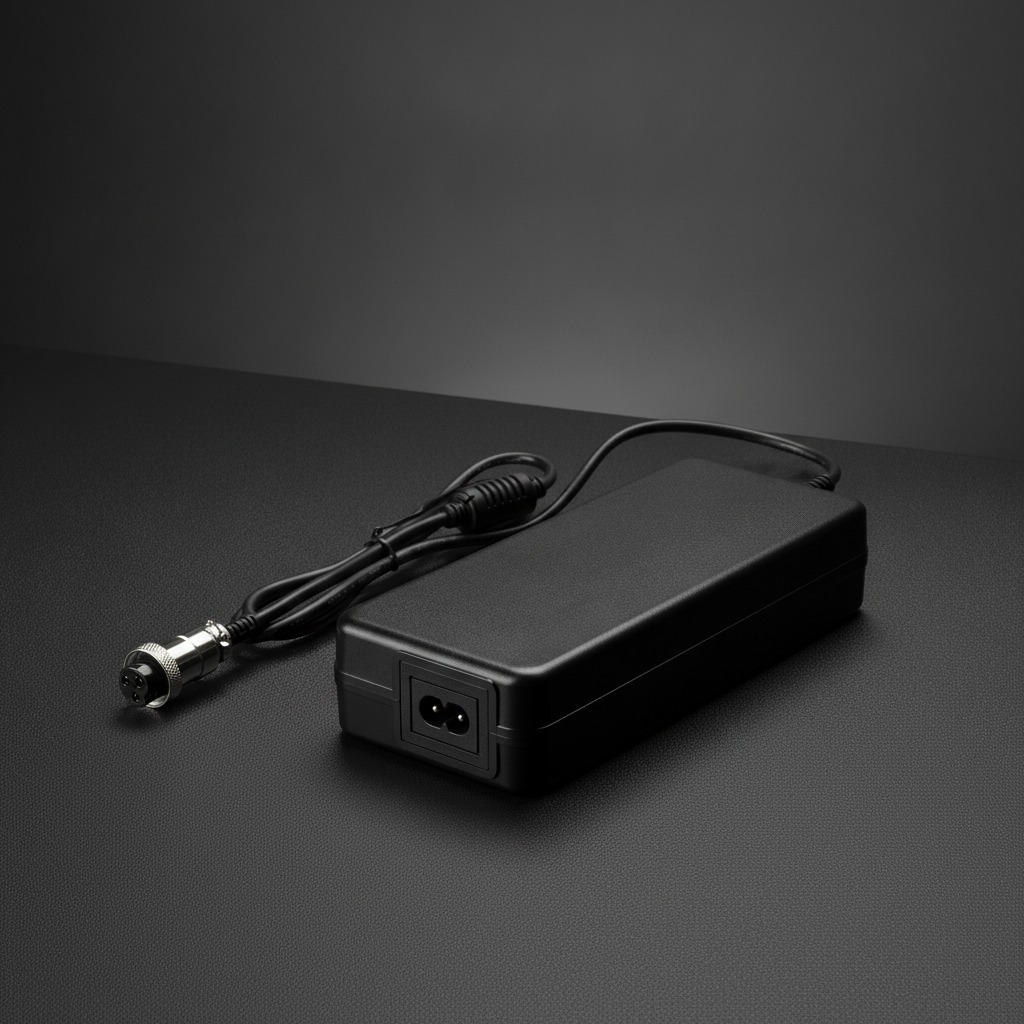
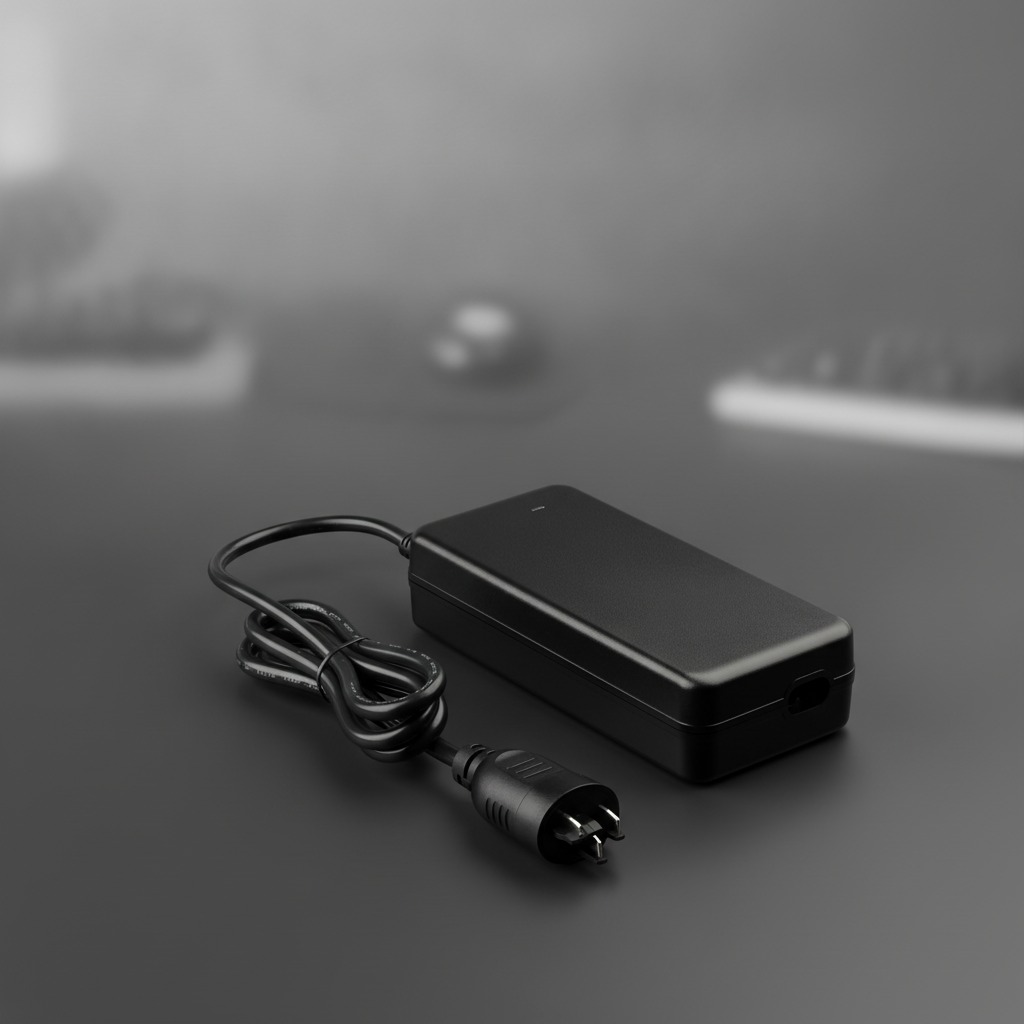
The product described here is an external AC/DC battery charger for e-bikes. It is presented as a Bosch-compatible unit, with references to an oval plug style and a 42V, 2A output. The visible construction is the familiar compact charger brick: rectangular, rounded edges, matte black plastic housing, attached mains cable, and a molded connector for the battery side.
That form factor is common in electric bicycle charging because it keeps the power electronics outside the bike and away from vibration, moisture, and road debris. For service work, that also makes the charger easier to stock, swap, and test than an integrated system component. The caveat, of course, is that compatibility lives or dies on connector geometry and charging protocol, not on the housing shape alone.
Quick buyer takeaway: where 42V 2A fits best
A 42V 2A lithium e-bike charger is generally the kind of charger buyers choose when they want a practical, steady-charge unit for compatible battery packs rather than a fast-charge specialist. The supplied data points to Bosch-compatible e-bike systems, but it does not identify a specific original model, certification set, or exact charging algorithm. That means procurement teams should treat it as a compatibility-driven accessory, not a universal charger.
In plain terms, this type of charger is useful as a home charger, a workshop backup, or a replacement unit for service counters that support Bosch-style bicycles. It is not the place to take shortcuts on connector verification.
Why output rating and connector style matter together
On paper, a 42 volt 2 amp charger for e-bike use sounds straightforward. In practice, those numbers only tell part of the story. Voltage and current rating tell you the electrical envelope, but the battery system still has to accept the charger’s plug format and charging behavior. Bosch compatible e-bike power adapter 42V 2A is the kind of phrase that appears in listings because buyers want reassurance that the charger is meant for a known system family. Even so, the actual battery interface can vary.
The visible oval plug is a useful clue, but it is not a full specification. Shops should always confirm the battery port shape, pin arrangement, and whether the pack is intended for a 36V class system charging to 42V. That last point matters more than casual buyers think. A charger can be electrically close and still be the wrong tool for the battery management system.
What the black brick format tells you about manufacturing
The charger’s molded plastic enclosure suggests a conventional electronic power-supply assembly with a hard-shell case and cabled connectors. That is a sensible manufacturing choice for this product category. Plastic housing keeps the unit compact and reduces weight, while the fixed cable reduces handling errors compared with loose adapters.
For buyers, the trade-off is simple. Fixed-cable chargers are convenient, but if the connector wears or the cable is damaged, field repair is less forgiving. That is not unique to this product; it is a common reality across e-bike charging hardware. A spare unit often makes more operational sense than an emergency repair.
Selection criteria for engineers and sourcing managers
Check compatibility first
Start with battery system compatibility, not marketing wording. If the battery is Bosch-compatible, confirm whether the charger matches the intended port and charging profile. The supplied information supports 42V 2A and Bosch-style compatibility, but it does not confirm whether the unit is original Bosch equipment or a third-party compatible product.
Decide whether you need a primary or backup charger
For fleet use, workshop use, or travel, a spare charger can prevent downtime. For individual riders, the decision is often about convenience: keep one unit at home and another at work. A compact external charger suits both use cases well.
Be realistic about missing specs
The supplied data does not provide input voltage range, waterproof rating, charging time, or safety certification details. Those omissions are not minor. They are the difference between a buyable accessory and a product that still needs verification before purchase approval.
Common mistakes when buying this type of charger
One common mistake is assuming all Bosch compatible e-bike battery chargers are interchangeable. They are not. Another is choosing only by amperage, as if 2A were a universal fit. Current rating affects charging behavior, but compatibility is broader than that. A third mistake is overlooking connector polarity and mechanical keying, especially when buying online from a brief product listing.
There is also a quieter mistake: assuming the charger that came with the bike is always the only acceptable replacement. In many workshops, a verified compatible spare is perfectly reasonable. The important part is that the unit matches the battery system as intended.
Practical advice for service shops and resellers
If you are stocking this product for resale or service, label it carefully. List the known facts: 42V 2A, Bosch compatible, black compact external charger, fixed cable, oval plug style. Avoid filling gaps with guesses. Buyers who maintain e-bikes professionally notice vague listings immediately.
For repair shops, the real value is uptime. A charger like this can serve as a bench tool for verifying battery behavior, provided the connector and output profile are correct for the pack being tested. That said, do not use a “close enough” charger on an uncertain battery. That shortcut tends to create more work later.
FAQ
Is this an original Bosch charger?
The supplied information does not confirm that. It is described as Bosch compatible, which may indicate an aftermarket unit.
Can it charge any 36V e-bike battery?
No. The battery must match the charger’s output and connector style, and the system must accept the charging profile.
Is 42V 2A a fast charger?
It is generally a moderate charging setup, not an aggressive fast-charge unit. The actual charging experience depends on the battery pack.
What to ask before placing a purchase order
Before you buy, ask for the exact connector type, confirmed battery compatibility, input voltage range, and whether the charger is OEM or third-party compatible. If the seller cannot answer those basics, that is a warning sign, even if the listing looks tidy.
If you are comparing suppliers for workshop inventory or rider replacement stock, this is the point where the details separate a usable product from a return headache. A 42V 2A e-bike charger is a small item, but in a working bicycle ecosystem, small items are often the ones that stop the whole system.
Next step for buyers
Use the battery model, plug shape, and charging specification together when evaluating a 42V 2A e-bike charger. If the goal is a Bosch compatible e-bike power adapter 42V 2A for replacement or backup use, confirm the fit before ordering in volume. One careful check now is cheaper than a shelf full of nearly-right chargers later.