
Xiaomi Scooter Charger: what buyers are really trying to solve
When people search for a Xiaomi Scooter Charger, they are usually not shopping for a generic power brick. They are trying to keep a daily-use scooter on the road without damaging the battery, the connector, or the charging port. That sounds simple, but in practice it is where many buyers make a wrong turn. A charger that looks close enough may still have the wrong voltage, the wrong plug, or the wrong output behavior for the scooter in question.
For sourcing teams, service shops, and fleet operators, the real decision is not “which charger is cheapest?” It is “which replacement charger matches the scooter’s electrical needs and physical interface, and can it do the job reliably without creating support headaches?” That is a much more useful question.
Why charger matching matters more than appearance
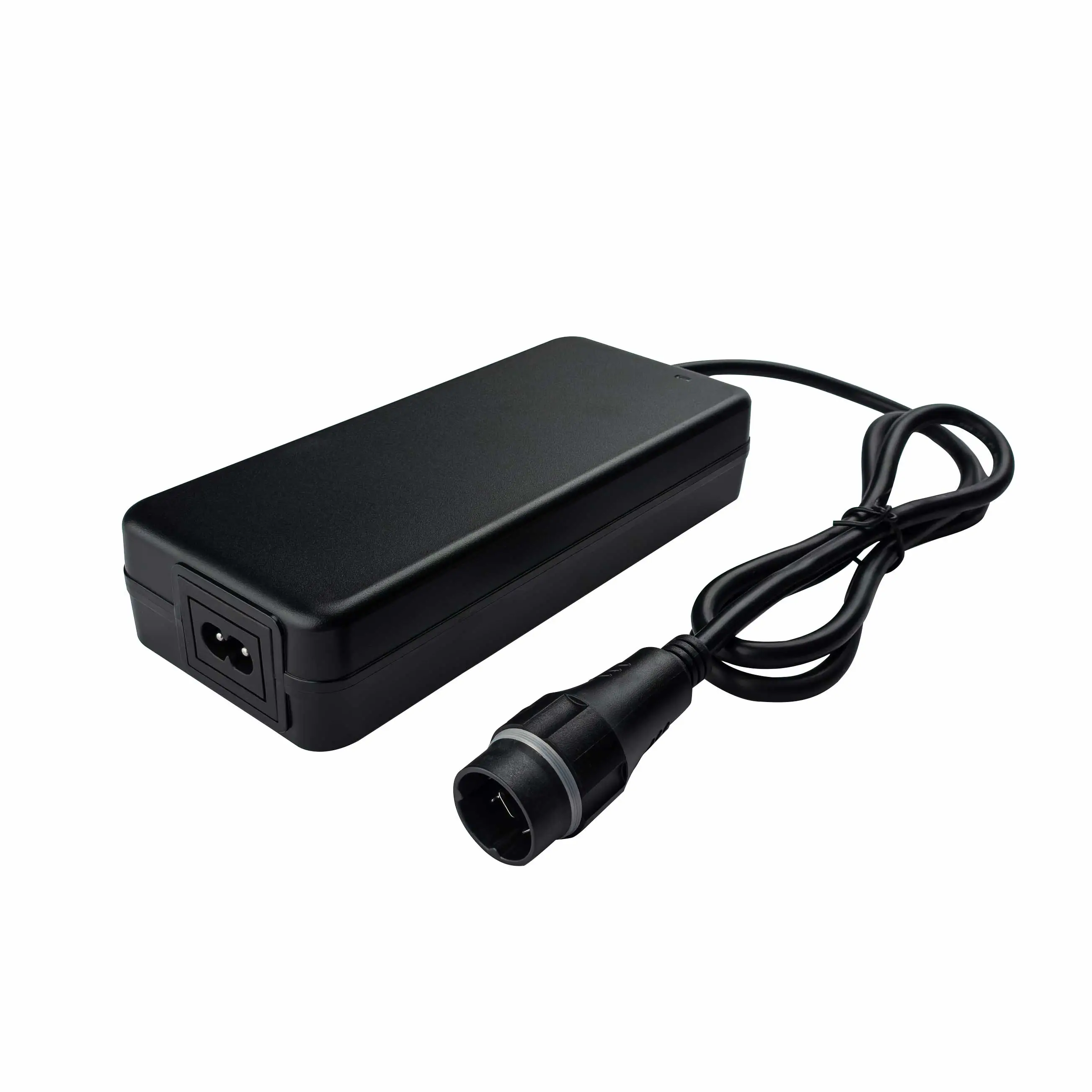
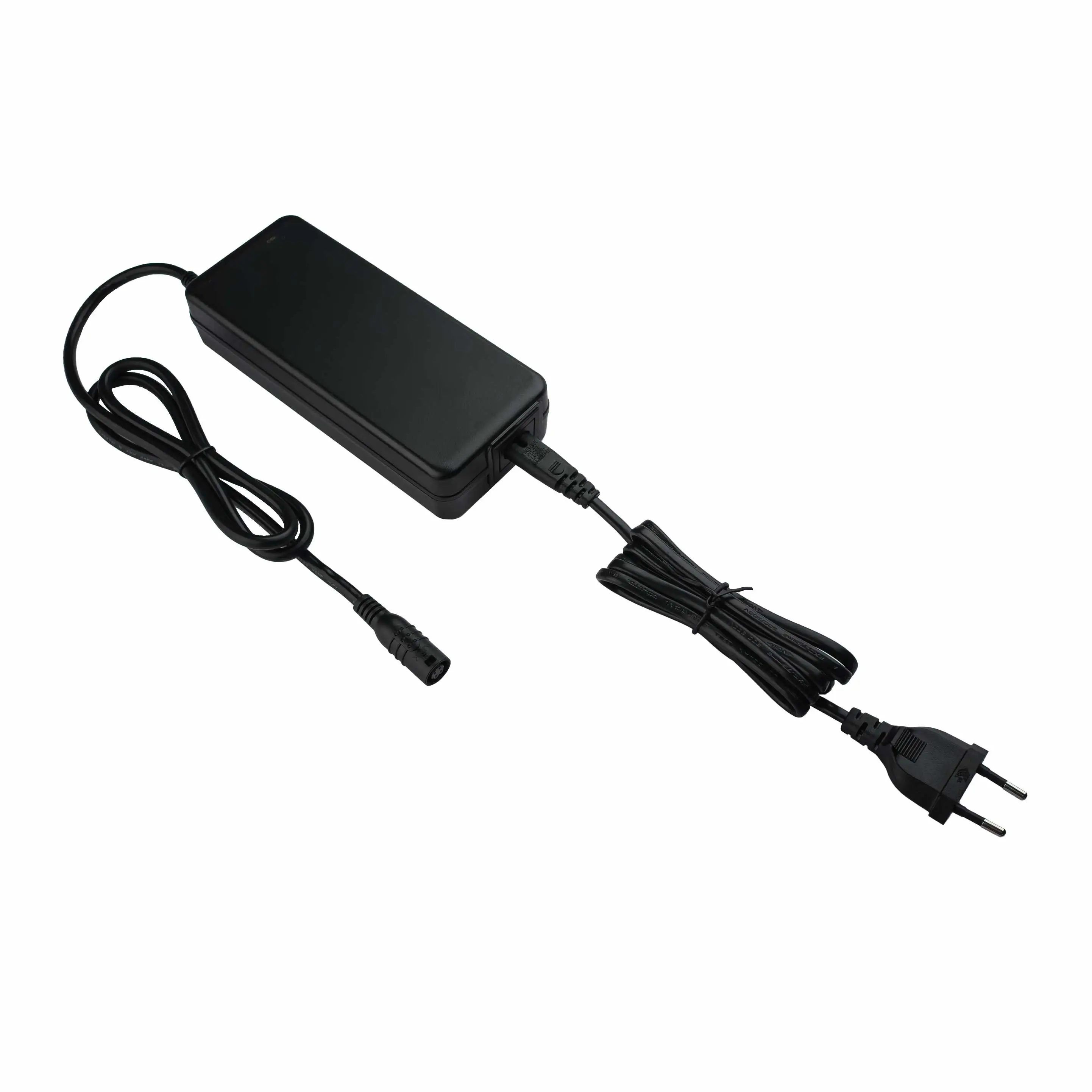
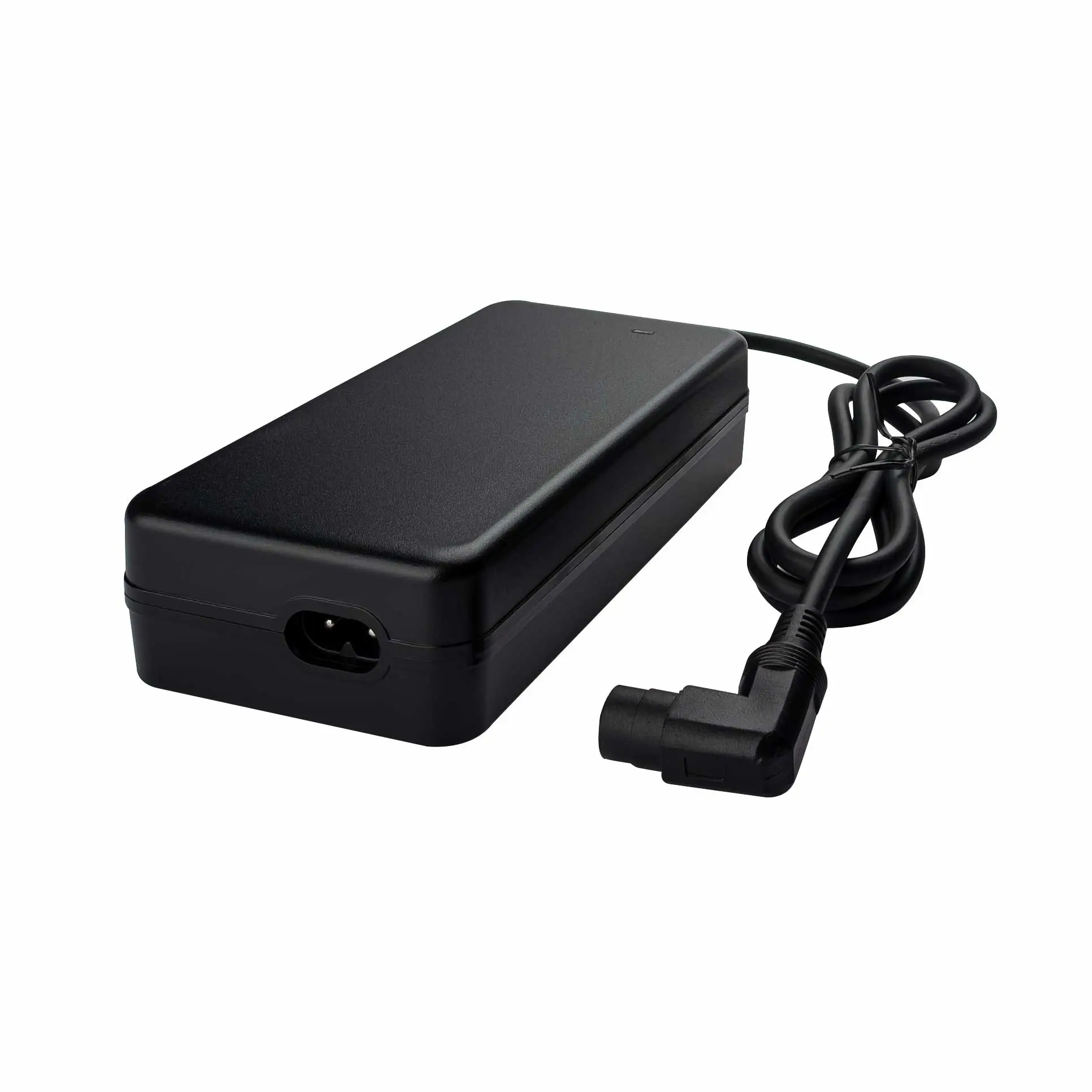
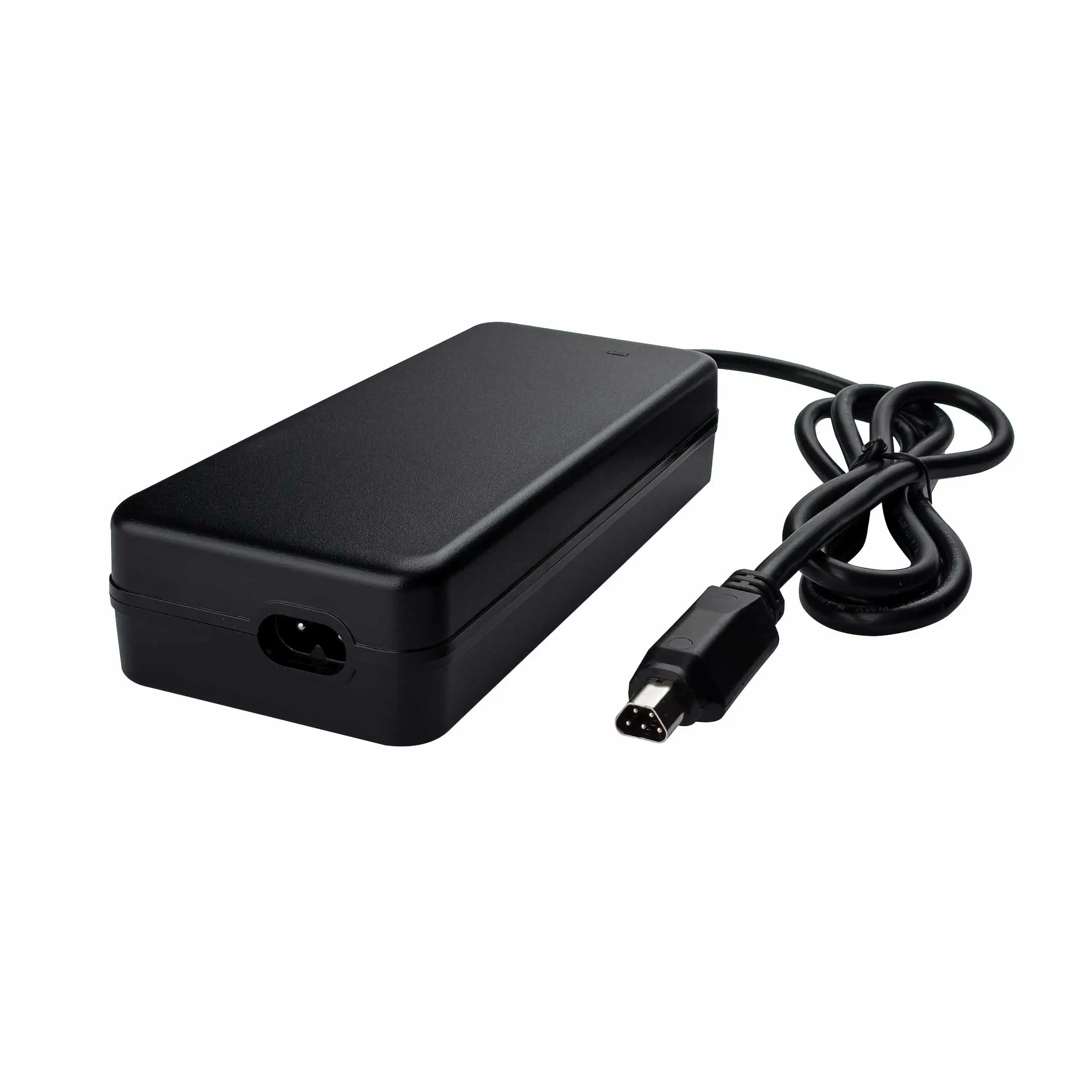
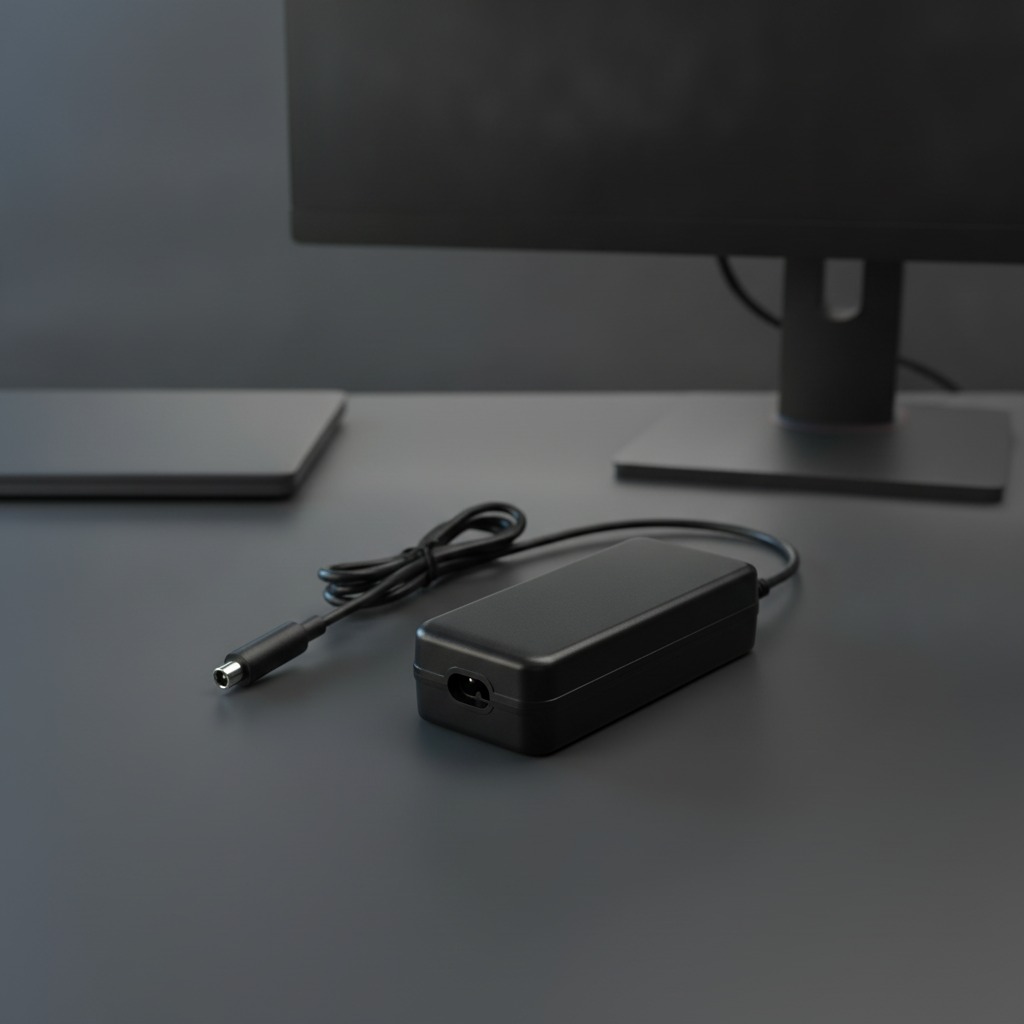
On the outside, many scooter chargers and small power adapters look alike: a compact black enclosure, a fixed cable, and a barrel-style DC plug. The product data here describes exactly that kind of external AC/DC power adapter format, with a molded plastic housing, rounded edges, and a tethered output lead. Those features are common across many consumer-electronics chargers, which is why visual similarity is a weak buying criterion.
The danger is straightforward. If the output voltage or connector specification is off, you can get slow charging, failure to charge, connector wear, or in the worst case damage to the battery system. Scooter battery packs are not forgiving of guesswork. Even a charger labeled for the right voltage family may still be mismatched if the plug size or polarity differs.
Key takeaways for buyers comparing replacement options
Most buyers looking for an Electric Scooter Charger are really comparing four things: electrical compatibility, connector fit, build quality, and whether the unit is intended as an OEM Scooter Charger or a general replacement.
A 42V 2A Scooter Charger, for example, is commonly discussed in the market for scooters built around 36V lithium battery systems, because that charging profile is often associated with that battery class. But that does not mean every scooter in that category uses the same input connector or the same exact charging requirement. The battery pack, BMS, and scooter model still matter. This is the part where many online listings oversimplify the issue.
What the visible product form tells you
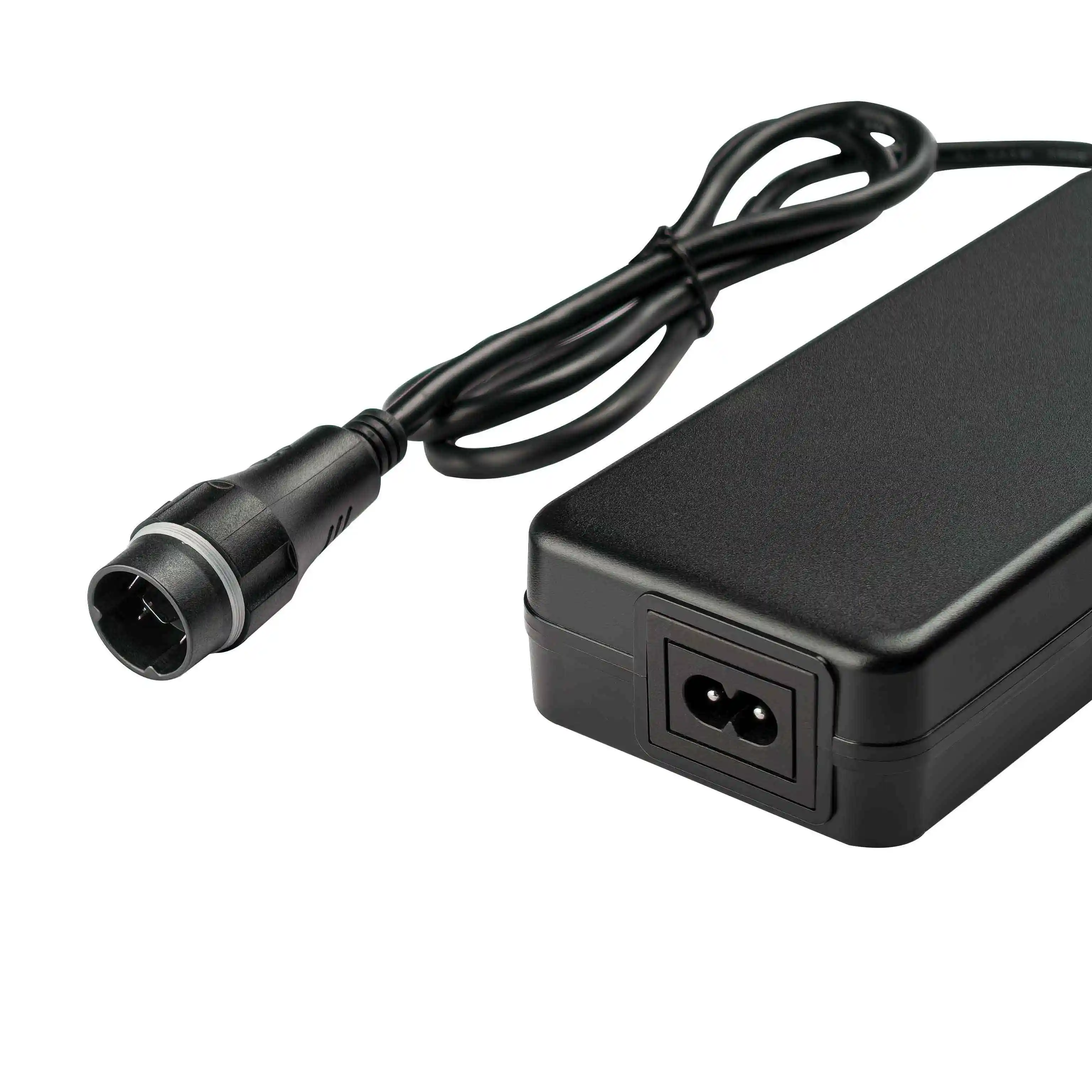
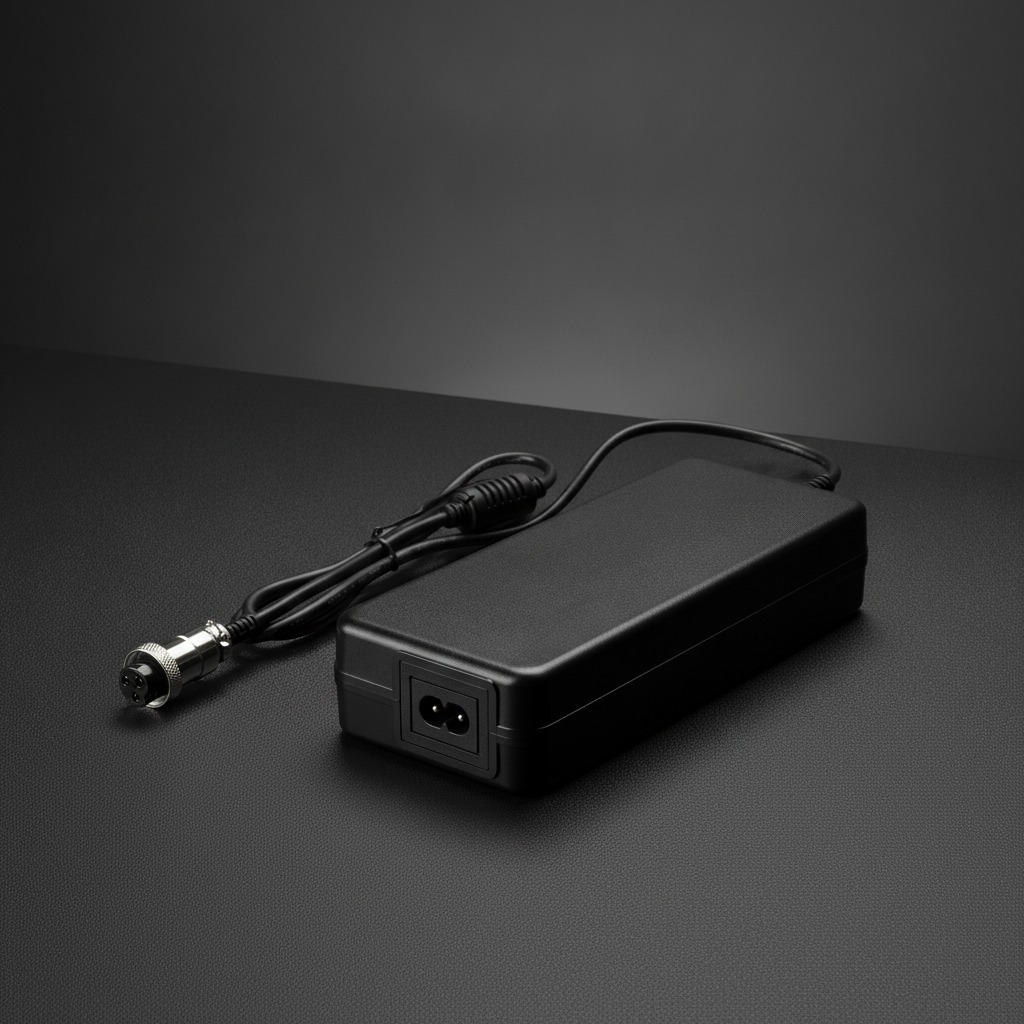
The adapter described in the product information is a black rectangular inline power supply with a two-piece molded enclosure and a fixed cable ending in a DC barrel connector. That tells you a few practical things.
First, it is an enclosed power unit rather than an open-frame assembly. That is usually better for everyday handling and replacement use, especially in consumer or light OEM environments. Second, the attached cable means the output side is not detachable, which simplifies use but reduces flexibility if the connector fails. Third, the barrel plug format suggests compatibility with devices that accept a cylindrical DC input, though the exact barrel dimensions are unknown and should not be assumed.
For sourcing, that last point is important. A DC Plug Charger can look right and still fail at the point of connection. Measuring the plug and checking polarity before ordering is tedious, but it is cheaper than processing avoidable returns.
Selection criteria that actually matter
Voltage and current rating
For any Replacement Charger, voltage must match the device requirement closely. Current capacity needs to be sufficient, not necessarily identical down to the letter, but never below what the scooter expects.
Connector type and polarity
Barrel plugs are common, but they come in different diameters and tip styles. Polarity matters just as much. A visually similar plug can still be electrically wrong.
Housing and cable quality
The product form described here uses injection-molded plastic with a sealed-looking brick shape and molded strain relief. That is a useful starting point because it usually means better mechanical protection than loose, open wiring. Still, buyers should inspect cable thickness, connector finish, and strain relief quality if the charger will see frequent daily use.
Compliance claims
If a UL Charger claim is part of the sourcing brief, verify documentation rather than relying on a title field or product photo. The data provided here does not confirm certification, so it should not be assumed. That caution is especially relevant for fleet and retail buyers with internal compliance rules.
Common buying mistakes with scooter chargers
The first mistake is treating “Xiaomi” as the only specification. The scooter model matters more than the brand name alone. The second is assuming all 36V Lithium Battery Charger listings are interchangeable. They are not. The third is ignoring connector details because the plug “looks close enough.” That usually ends badly.
Another common oversight is buying a charger that works electrically but is poorly suited to the usage pattern. A scooter used every day by a commuter needs a more robust replacement than one stored in a drawer as a backup. For service shops, that distinction affects warranty claims and customer satisfaction, even if it never shows up in a product spec sheet.
Practical advice for sourcing and service teams
If you are buying for a workshop, resale channel, or fleet, keep a simple intake checklist: scooter model, battery class, connector type, plug dimensions, and any label data from the original charger. If the original unit is missing, the battery pack and charge port still provide clues, but do not rely on guesswork.
It also helps to stock one or two clearly labeled charger families rather than a drawer full of near-matches. That reduces picking errors and makes after-sales support easier. A compact OEM-style adapter with a fixed cable is often the most straightforward format for this purpose, because it is familiar to users and easy to deploy.
FAQ: quick answers buyers ask before ordering
Is a Xiaomi Scooter Charger the same as any scooter charger?
No. Battery voltage, plug size, and polarity still have to match.
Can a barrel-style adapter be used as a replacement charger?
Sometimes, yes, if the electrical output and connector specification match the device. The barrel shape alone is not enough.
Should I choose an OEM Scooter Charger or a generic one?
For daily use and fewer support issues, OEM-style replacements are usually the safer route, provided the specifications are correct.
Next step before you place an order
Before buying, confirm the scooter model, read the label on the original charger if it is available, and verify the connector details with a measurement rather than a photo. If you are sourcing at scale, ask for the electrical specification sheet and compare it against the battery system, not just the product title.
That small bit of diligence is what separates a usable replacement from a box of returned chargers.