
What buyers usually mean when they search for a 42V 4A Yamaha 500Wh charger
A search for a 42V 4A Yamaha 500Wh charger usually comes from a practical need, not curiosity. The battery is no longer charging properly, the original adapter was lost, or a sourcing team needs a replacement that fits a specific e-bike system without causing damage. The part looks simple on the outside, but in charging hardware the small details matter: voltage match, current capability, connector style, and whether the charger profile suits the battery pack.
That is why buyers should treat a Yamaha 42V 4A battery charger as more than a generic power brick. Even when the housing looks like a standard rectangular adapter, the electrical behavior and connector compatibility determine whether it is actually usable. If the spec is wrong, the pack may charge slowly, refuse to charge, or suffer unnecessary wear.
Why the 42V / 4A combination gets attention
For an e-bike battery described as 500Wh, the charger rating matters because it affects how long the battery spends on charge and how much heat is generated during the process. A 42V 4A e-bike charger Yamaha is typically discussed in the context of low-voltage battery charging, where the charger must match the battery’s required charge voltage rather than the battery’s nominal label alone.
The important thing for buyers is not to assume that all 42V chargers are identical. A 42V 4A electric bike battery charger may look interchangeable with another unit from across the room, but the plug geometry, pin count, and output behavior can differ. That is especially true for Yamaha-style systems, where the connector and charging interface need to line up with the bike or battery design.
What the product form tells you, and what it does not
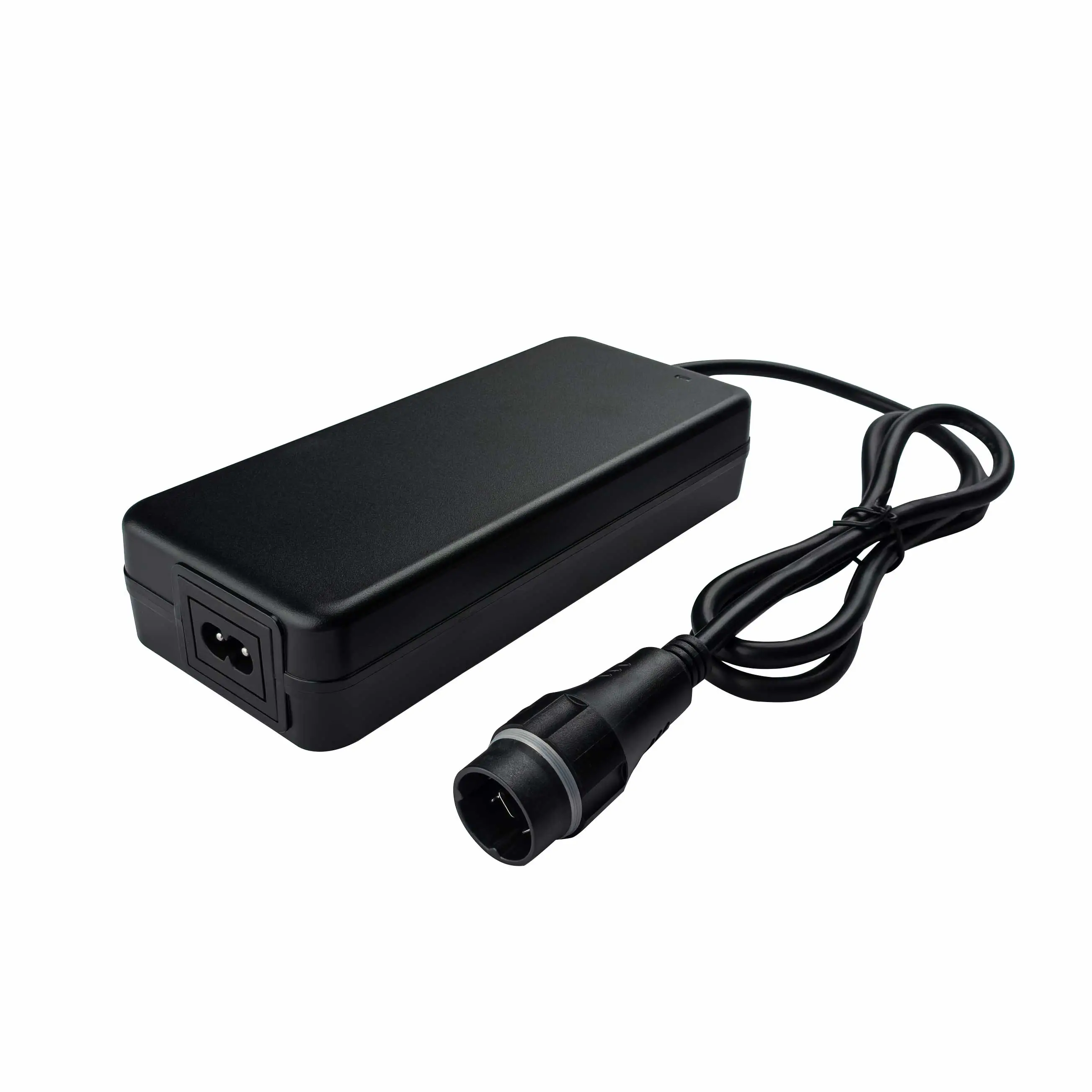
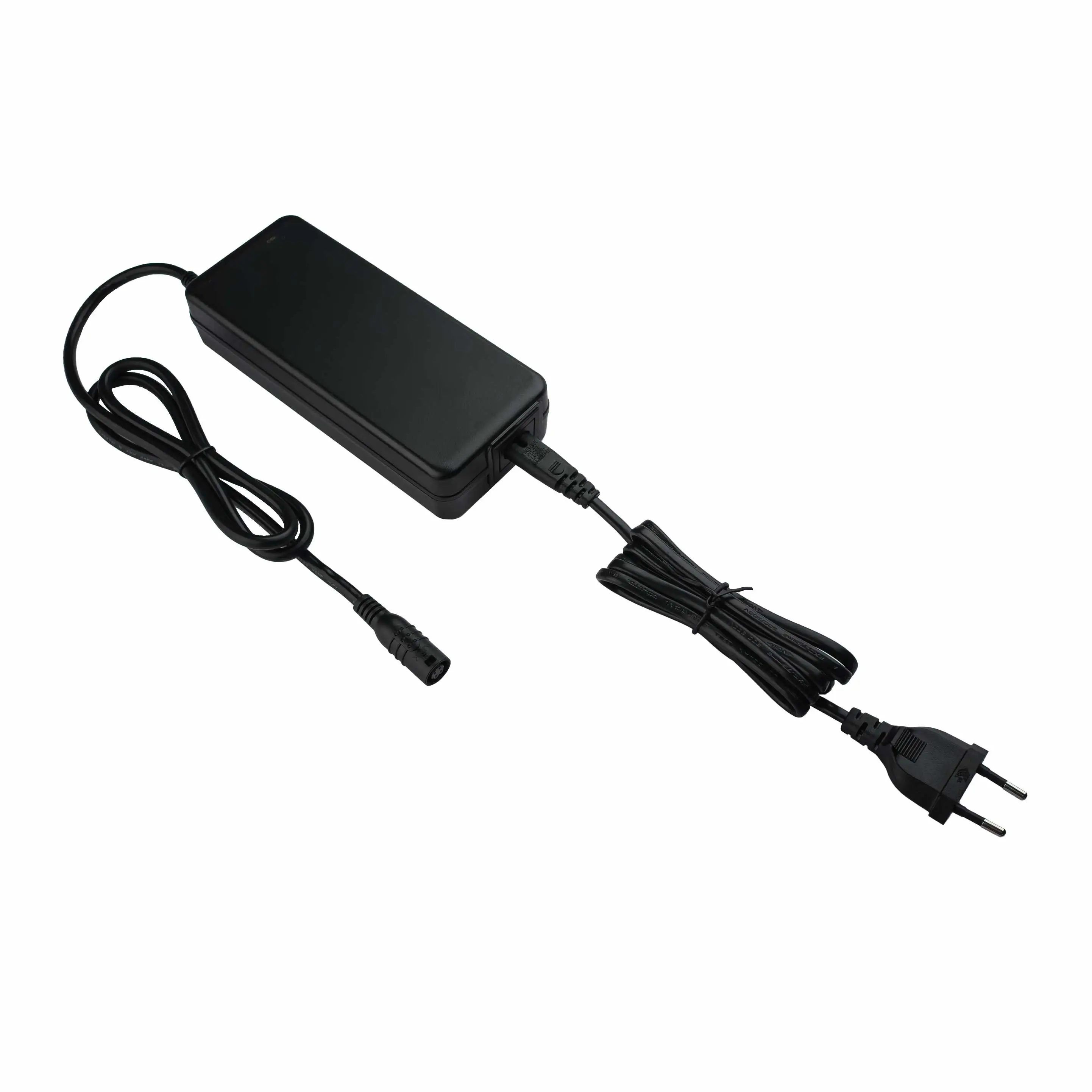
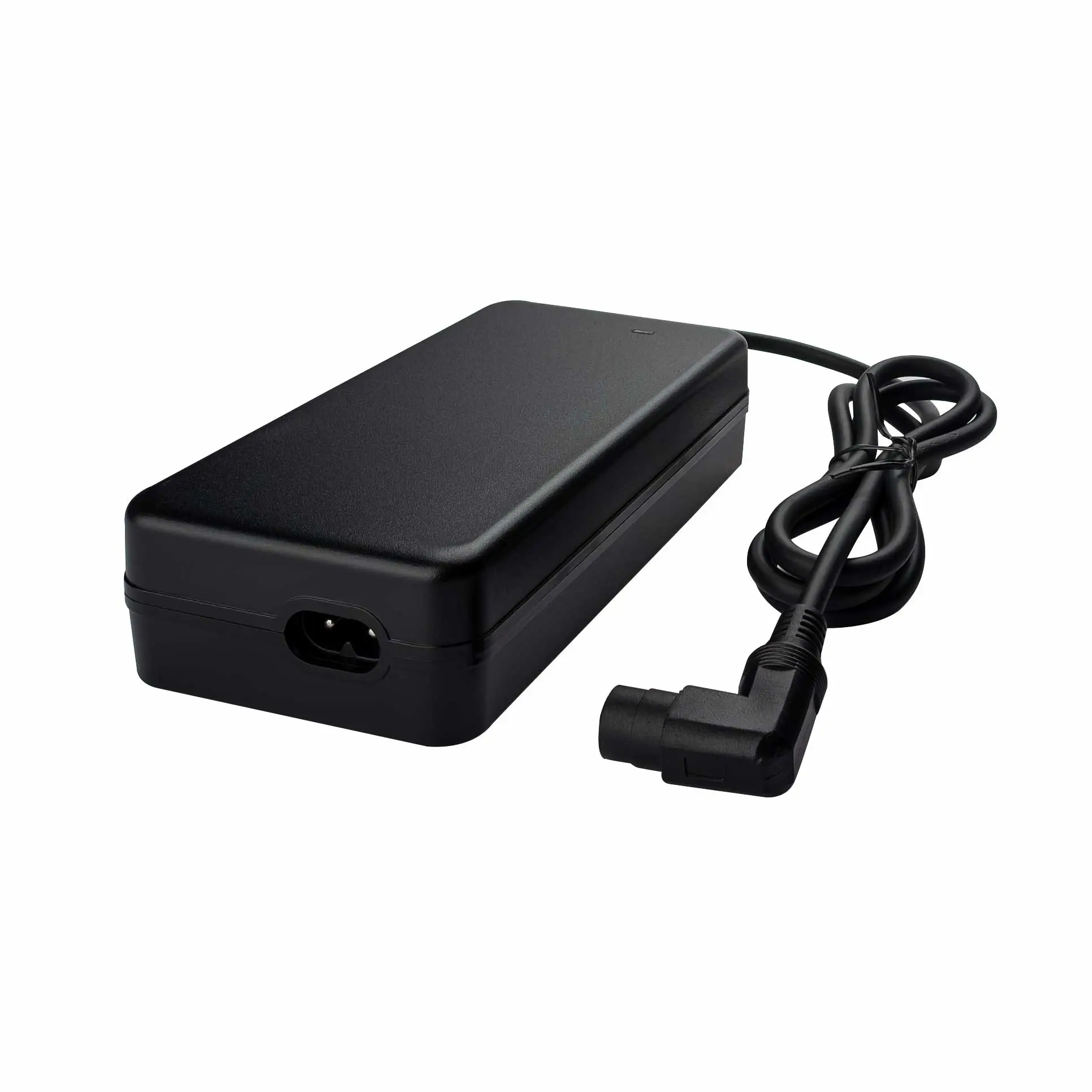
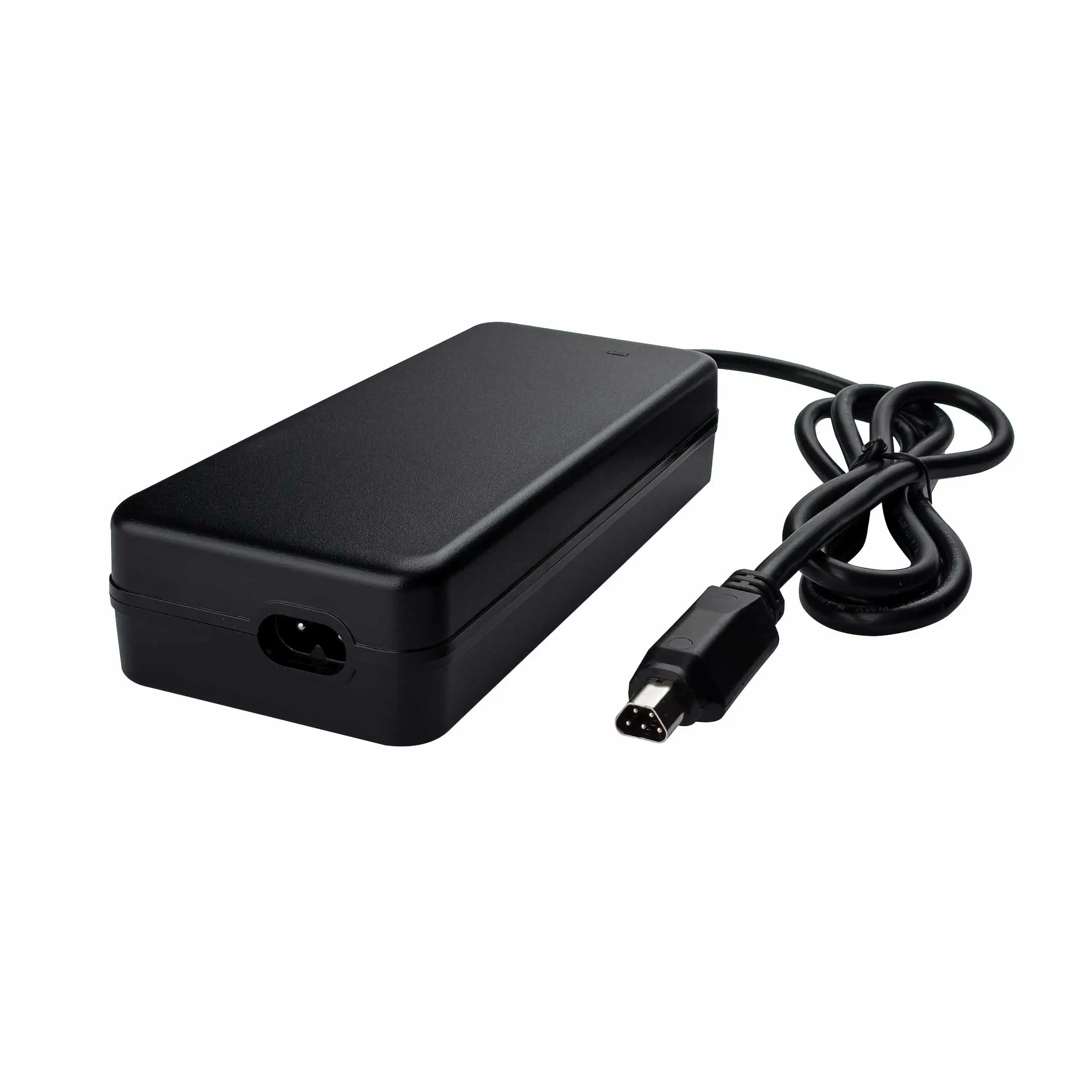
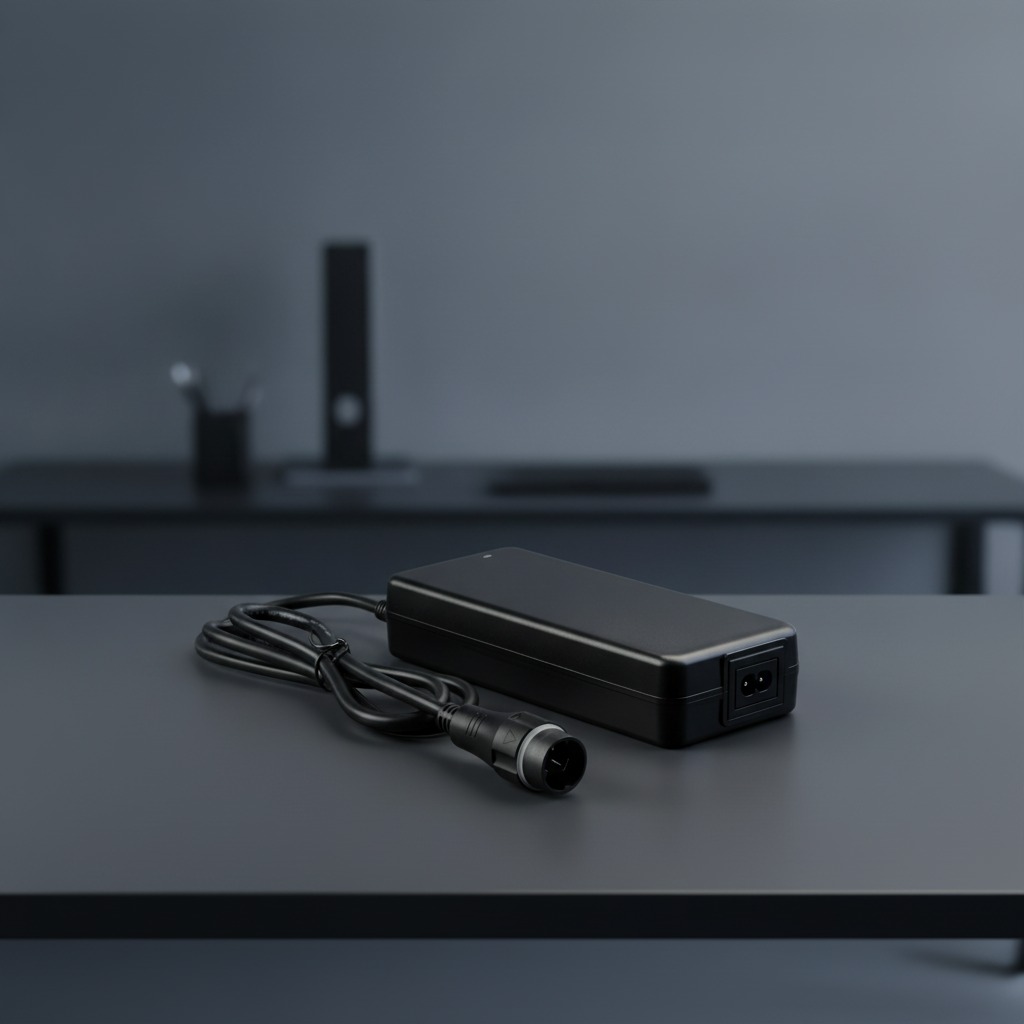
The visible product category here is an inline power supply or AC adapter style enclosure. It is a black rectangular plastic housing with rounded edges, an attached cable, and a molded connector at the end. That construction is common in external power supplies used for consumer electronics and charging systems.
What you can verify from the housing alone is limited:
The unit appears compact and enclosed.
It uses a fixed cable rather than a detachable output lead.
The case is a molded plastic clamshell style, which is typical of mass-produced electronics accessories.
What you should not infer from appearance alone is the internal topology, exact output rating, waterproofing, certifications, or intended device compatibility. Those must be confirmed from the label or product documentation. In procurement, that distinction saves time and reduces returns.
Quick comparison points buyers should check
When comparing a Yamaha 500Wh charger 42V 4A with other replacement options, use these checkpoints first:
1. Output voltage
The charger must match the battery’s required charge voltage. A mismatch here is the fastest way to create a non-working order.
2. Output current
Current affects charging speed, but only within the battery and BMS limits. A higher current rating is not automatically better.
3. Connector type
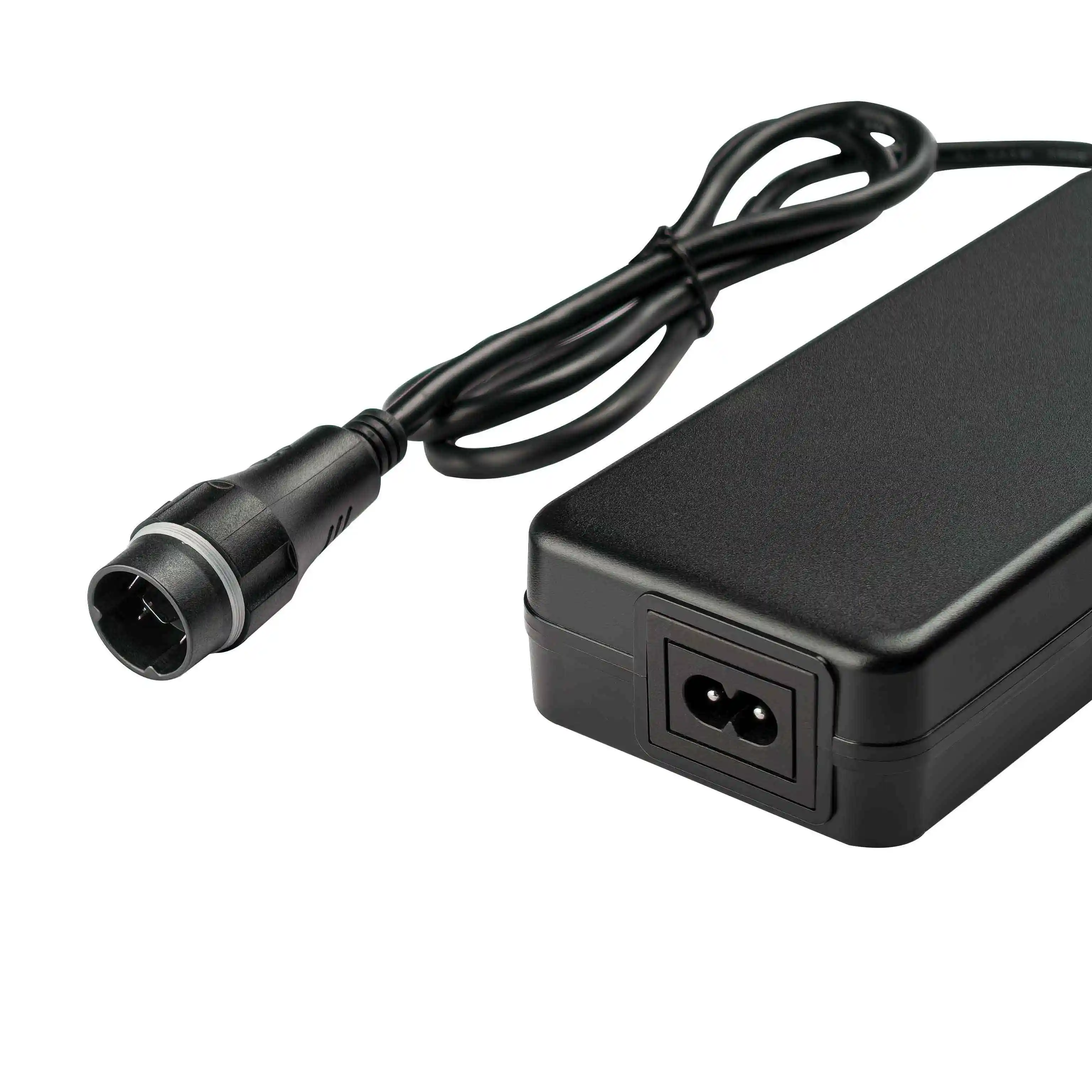
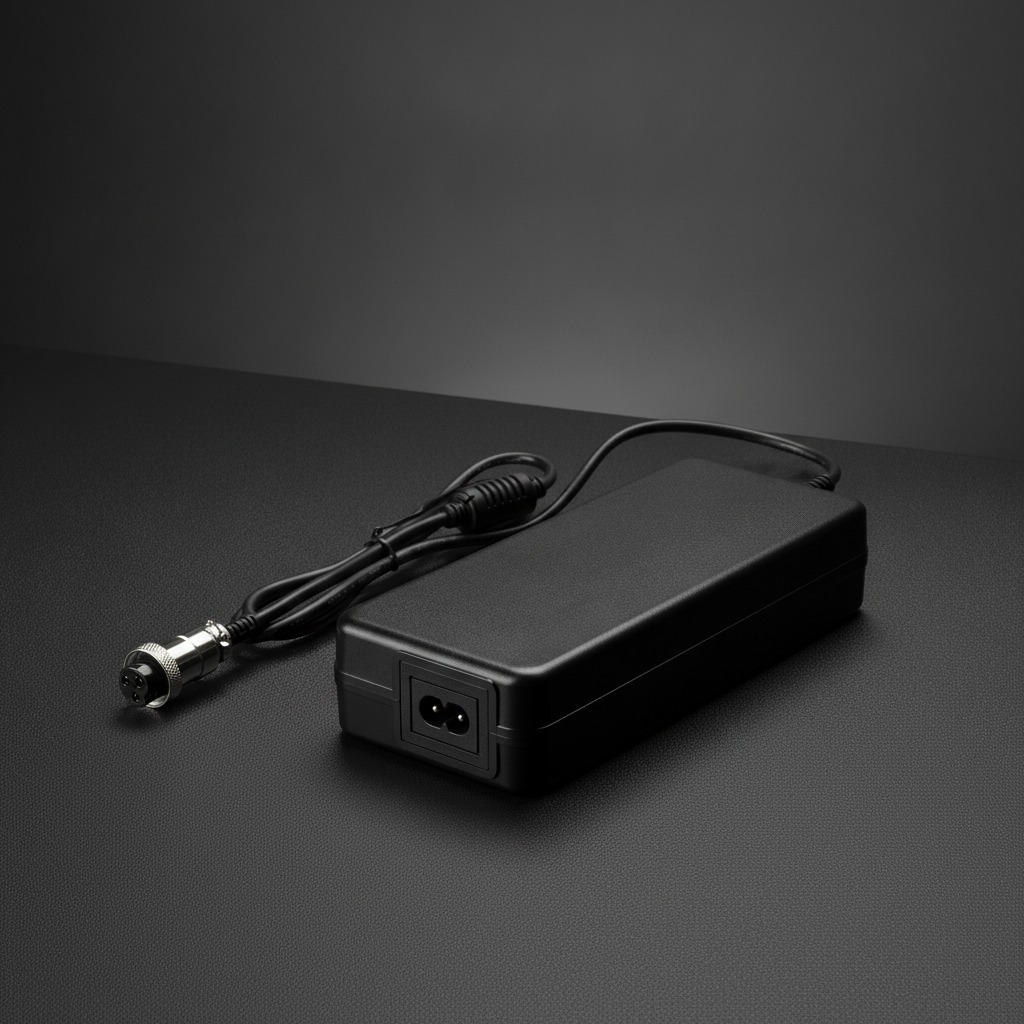
The round locking-style connector visible on many replacement chargers may look similar across brands, but the exact diameter and pin configuration still need verification.
4. Mains input standard
The adapter body shown has a two-pin appliance-style inlet appearance. Buyers still need to confirm the applicable mains cord and regional input requirements.
5. Cable design
An attached cable is convenient, but it also means the assembly is less flexible for field replacement than a modular setup. Some sourcing teams prefer that simplicity; others do not.
Common mistakes in charger sourcing
The most common mistake is treating the battery label and charger label as interchangeable shorthand. They are not. A 500Wh Yamaha charger may be described by energy capacity in one place and by charge voltage/current in another, but the actual buying decision depends on electrical compatibility, not marketing phrasing.
Another recurring issue is assuming all 42V 4A Yamaha charger listings are genuine equivalents. If a listing does not clearly state the connector standard, polarity, or output characteristics, it is safer to pause than to place a quick order. That sounds obvious, but in practice rushed replacement buys often become warranty disputes.
There is also the practical matter of heat. A 4A charger can be a sensible choice for some systems, yet it still needs adequate ventilation and quality internal components. A compact black enclosure does not tell you how well the unit handles prolonged use.
Buyer advice for engineering and sourcing teams
If you are sourcing a 42V 4A Yamaha charger for aftermarket support, ask for the full electrical specification sheet and connector drawing before approval. If you are dealing with an OEM program, request dimensional confirmation of the connector and cable exit direction, because even a correct electrical spec can fail a mechanical fit check.
For repair teams and distributors, it is worth keeping a small compatibility note on hand: battery family, connector style, and charger label should all be checked together. That reduces accidental cross-ordering between visually similar e-bike accessories.
A final practical aside: if the replacement charger arrives in a plain adapter-style housing, do not judge it by size alone. Many reliable external power supplies are unremarkable boxes; the value is inside the box, and in whether the label matches the battery system.
FAQ
Is a 42V charger always correct for a Yamaha 500Wh battery?
Not automatically. The battery and charging system need to be matched to the exact model and connector arrangement.
Can a 4A charger be used instead of a lower-current unit?
Sometimes, if the battery system accepts that charge rate. It should be verified rather than assumed.
Does the adapter body shape confirm compatibility?
No. The housing style is useful for identifying the product category, but not for proving electrical or connector compatibility.
What to do next
Before buying a 42V 4A electric bike battery charger, collect the battery label, connector photo, and the charger requirement from the bike or battery documentation. With those three items, sourcing becomes much less guesswork and a lot more repeatable. If you are evaluating replacement or OEM supply options, that is the point where a request for quotation becomes meaningful rather than speculative.