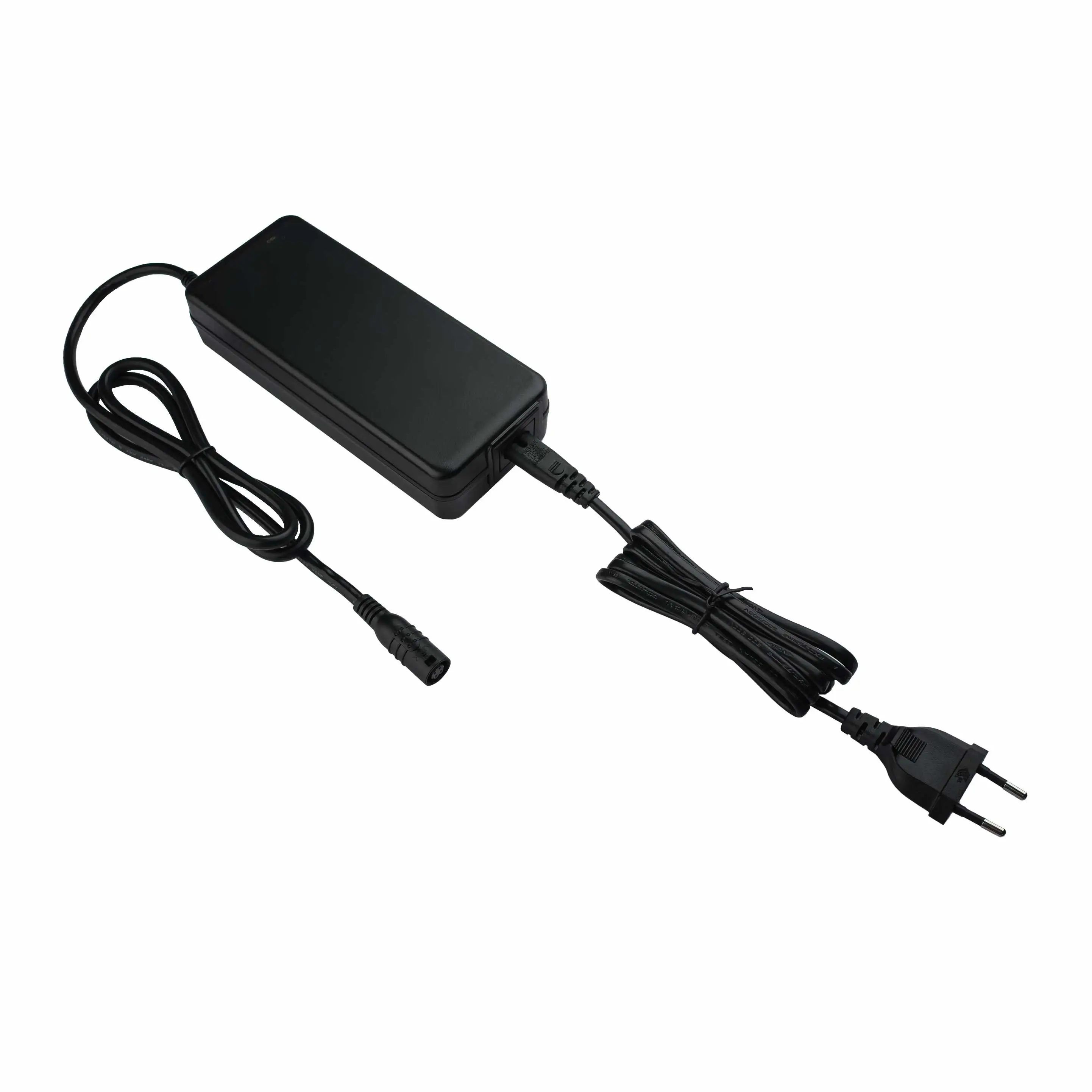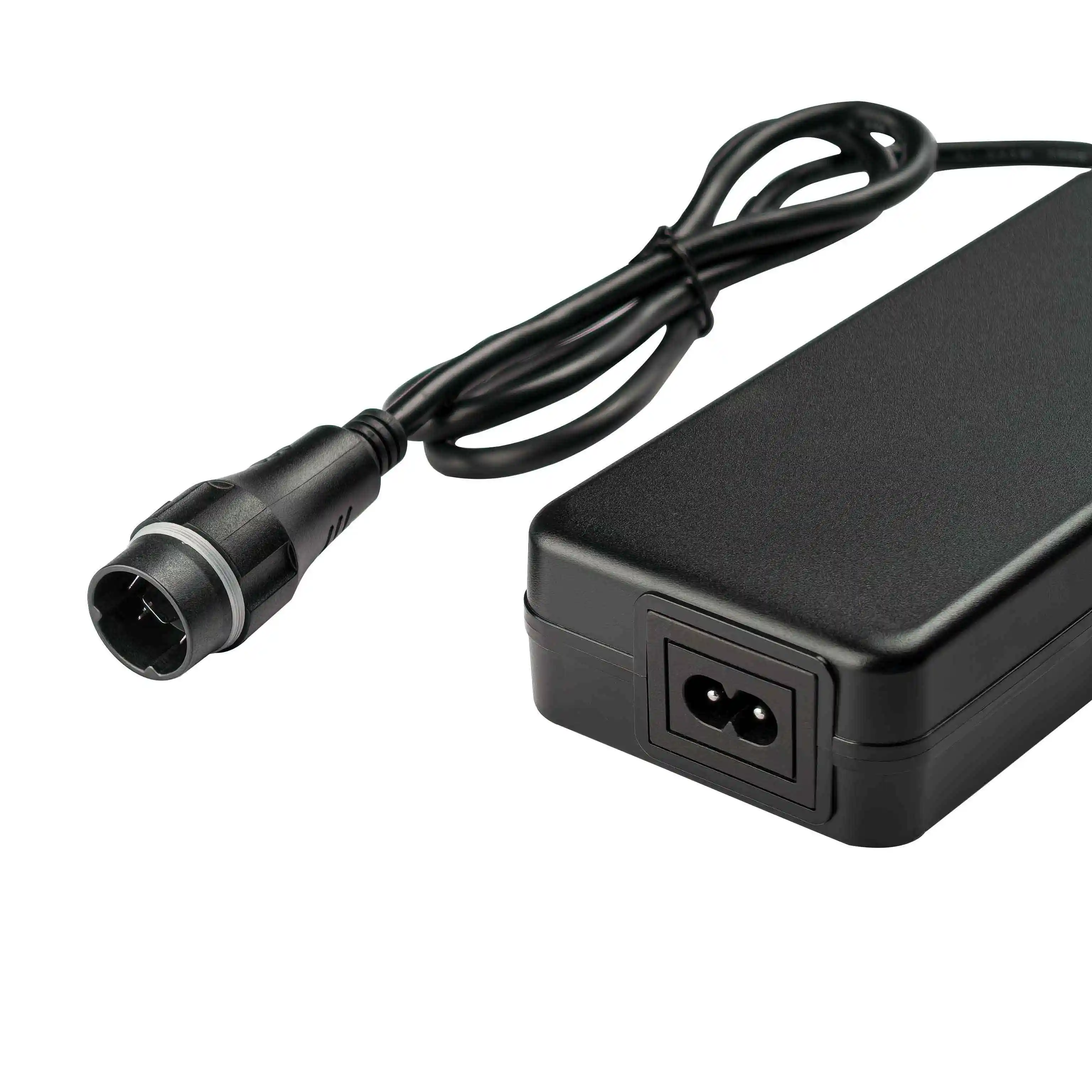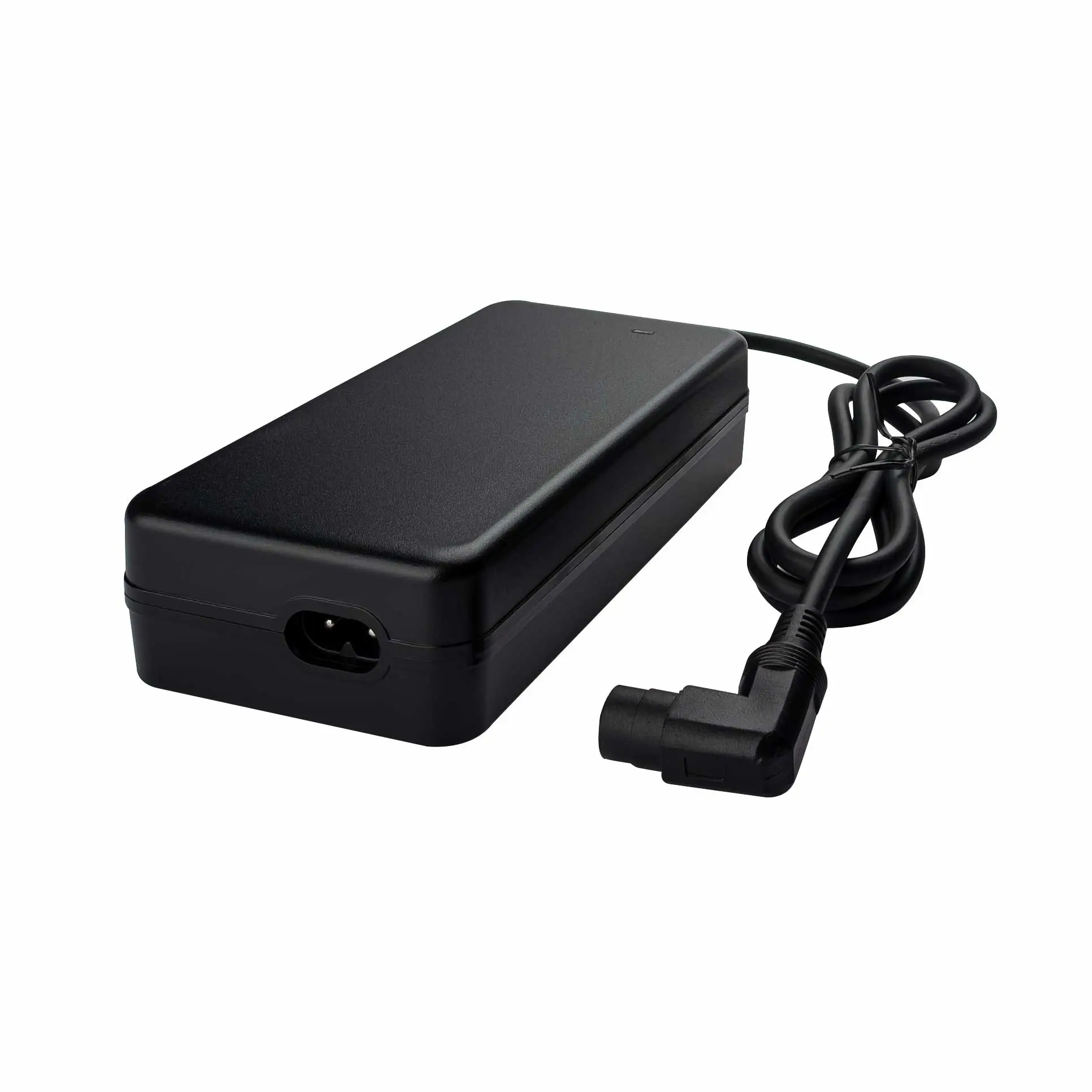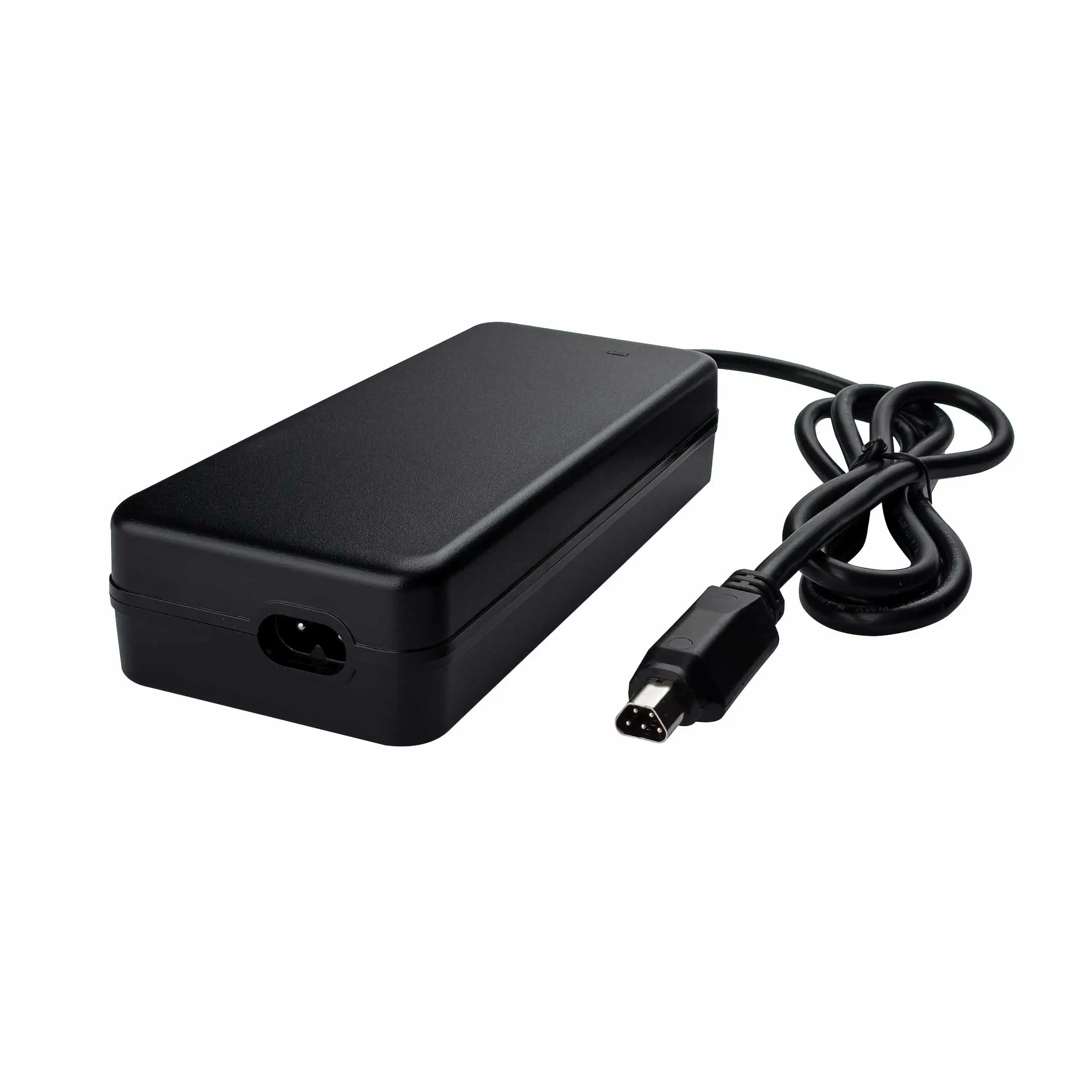

42V 4A Yamaha Compatible Charger For PWseries S2 720Wh Buyer Guide for Wholesale Charger Sourcing
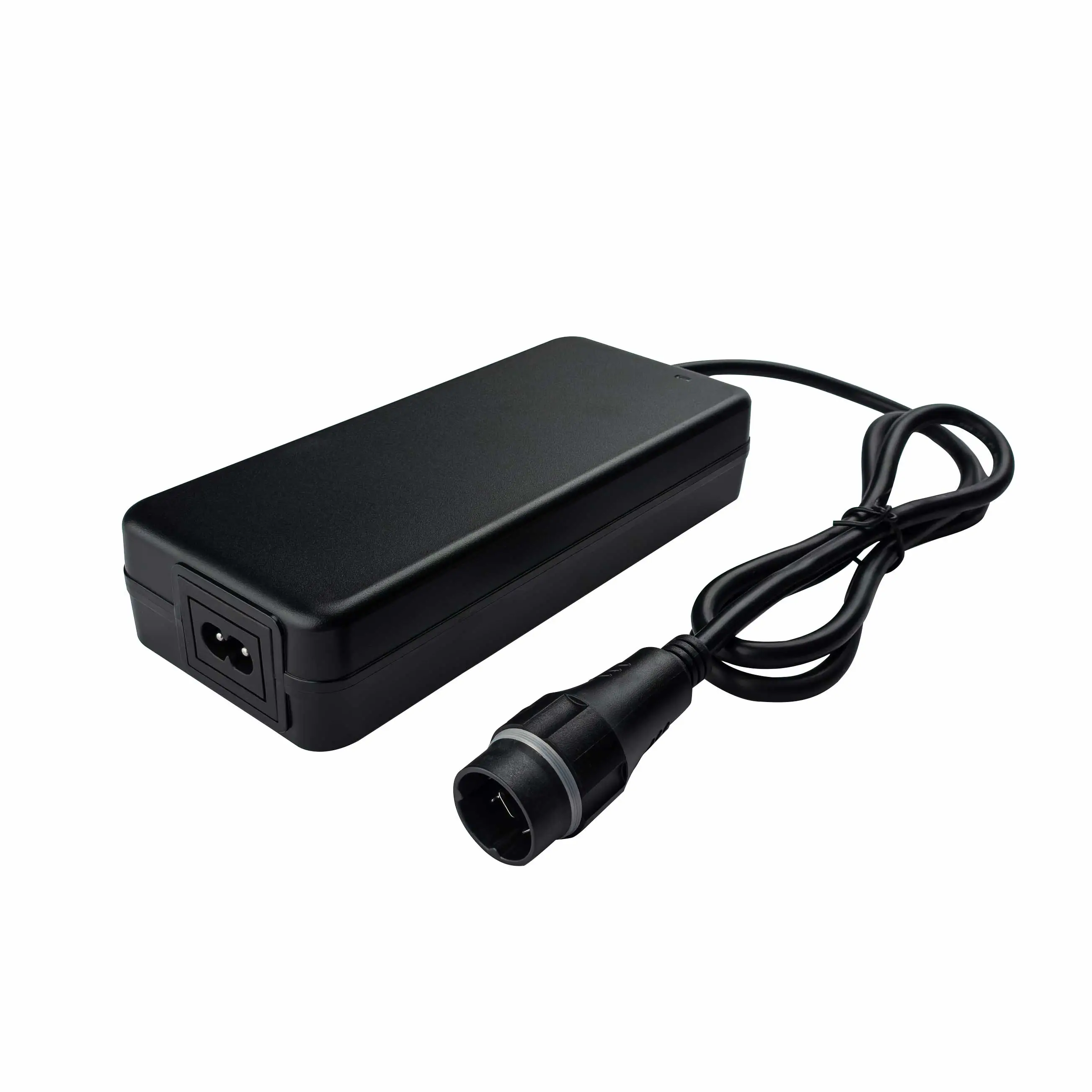
The right 42V 4A Yamaha 720Wh e-bike charger must match the battery voltage, output current, battery chemistry and connector type before a distributor, repair channel or OEM charger project confirms samples. This guide uses the real JZX Charger product page for 42V 4A Yamaha Compatible Charger For PWseries S2 720Wh and turns the visible product information into a practical sourcing checklist. Where a specification is not confirmed on the product page, it is listed as To be confirmed instead of being invented.
Product Specification Snapshot
| Product | 42V 4A Yamaha Compatible Charger For PWseries S2 720Wh |
|---|---|
| Application | e-bike |
| Voltage | 42V / 720Wh |
| Current | 4A |
| Power | To be confirmed |
| Battery chemistry | To be confirmed |
| Connector type | To be confirmed |
| OEM/ODM options | OEM, ODM, label / logo customization, packaging customization, connector / plug customization |
| Certification notes | CE, RoHS, FCC, UL mentioned in page text; confirm exact model documents before using certification marks |
| Protection features | short circuit protection, temperature protection |
How to Check Compatibility Before a Bulk Order
Start with the battery label, not the vehicle name alone. A 42V 4A Yamaha 720Wh e-bike charger should be selected by nominal battery voltage, full-charge voltage, charging current, battery chemistry and connector polarity. If the product is an e-bike charger or e-scooter charger, brand-compatible wording should be treated as a starting point only. A Bosch, Yamaha, BMZ, Phylion, QWIC, Apollo, Xiaomi or Segway-related charger still needs connector confirmation before a purchasing team approves samples.
For wholesale and repair-channel buyers, the safest workflow is to compare three pieces of evidence: the battery label, the old charger label and the charging port photo. These details prevent common sourcing errors such as ordering a correct voltage with the wrong connector, choosing the right connector body with the wrong polarity, or using a charger profile that does not match the battery chemistry. Keep these checks in the inquiry record so repeat orders can be reviewed quickly.
Application Fit for Charger Buyers
This 42V 4A Yamaha 720Wh e-bike charger direction is most useful when the buyer has a defined battery system and wants a replacement charger, OEM charger or service-part charger that can be checked before bulk supply. Distributors may use the article to train sales teams on what to ask from repair shops. Battery pack suppliers can use it to confirm charging voltage and connector type before pairing a charger with a pack. OEM/ODM project buyers can use it as a starting point for label, plug, packaging and documentation discussions.
Market Notes for International Buyers
For France, Germany, Spain, Poland, the Netherlands and Italy, buyers usually need clear EU plug planning, local-language packaging options and model-specific documentation before selling through distributors or repair channels. For the United States, confirm plug version, label wording and requested compliance documents separately from the European order.
If one purchase plan covers several countries, separate the quantity by destination market, plug version, carton mark and manual language. This keeps warehouse handling cleaner and helps sales teams answer charger compatibility questions more quickly.
Buyer Checklist
- Confirm battery voltage and full-charge voltage.
- Confirm battery chemistry: Li-ion, LiFePO4 or lead-acid.
- Compare output current with the battery supplier recommendation.
- Send connector photos from the old charger and the battery port.
- Check connector type, pin count and polarity.
- Confirm AC plug market: EU, US or another required plug version.
- Ask which certifications are available for the exact model before using marks in marketing copy.
- For OEM charger projects, confirm label, packaging, cable length and carton requirements before sampling.
Common Mistakes
- Selecting a charger by vehicle brand but ignoring voltage and connector type.
- Assuming every connector with the same shape has the same polarity.
- Using a lithium battery charger for LiFePO4 or lead-acid batteries without confirmation.
- Increasing charging current only to advertise faster charging.
- Adding CE, RoHS, FCC, UL or other certification claims without model-specific documents.
- Using generated product images that change the charger housing, connector, cable or certification marks.
Details to Confirm Before Ordering
If a field in the specification table says “To be confirmed,” confirm the missing detail from the product manager, product page, old charger label or supplier specification sheet before placing a bulk order. This is especially important for battery chemistry, connector type, certification documents and protection functions. Uncertain data creates poor inquiries, wrong samples and unnecessary after-sales risk.
A precise title that includes 42V / 720Wh / 4A and e-bike will attract buyers who already understand their charger requirement. Clear tables and FAQ answers also help purchasing teams extract the right facts without mixing this product with another charger model.
OEM/ODM Sourcing Notes
For OEM/ODM projects, send the charger specification, target market, connector photo, battery chemistry, quantity and packaging requirements before requesting a final quotation. Useful customization discussions can include plug version, connector, label, cable length, carton marking and user manual language. Review OEM/ODM charger support if the project needs private label or custom charger support.
Do not approve artwork before the technical sample is checked. The label should show output voltage, output current, battery type, polarity and warnings that match the actual charger. If the order will be split across EU, UK and US markets, separate plug versions and carton marks in the purchase plan. This keeps the charger easier to identify in warehouse handling and after-sales support.
FAQ
Can this charger be selected only by product title?
No. The product title helps identify the charger family, but buyers still need to verify battery voltage, current, chemistry, connector type and polarity.
What should a distributor send before asking for a quote?
Send the battery label, old charger label, connector photo, battery chemistry, destination market and expected quantity.
Is a higher current charger always better?
No. Higher current should only be used when the battery pack and BMS support it. Otherwise it can increase heat or create compatibility issues.
Can certification marks be used in the article or product page?
Only if the exact charger model has supporting documents. Unconfirmed certifications should stay out of the final copy.
Can this product support OEM branding?
OEM or ODM support should be confirmed with JZX Charger using the project specification, artwork, market and quantity.
Where can buyers confirm details?
Review the related product page and contact JZX Charger with battery voltage, connector photo, battery chemistry and quantity.
Request a Charger Quote
To source this charger for wholesale, repair service or OEM/ODM use, send JZX Charger your battery voltage, connector photo, battery chemistry and quantity. Clear technical details help avoid wrong charger samples and make the quotation more useful for serious procurement teams.