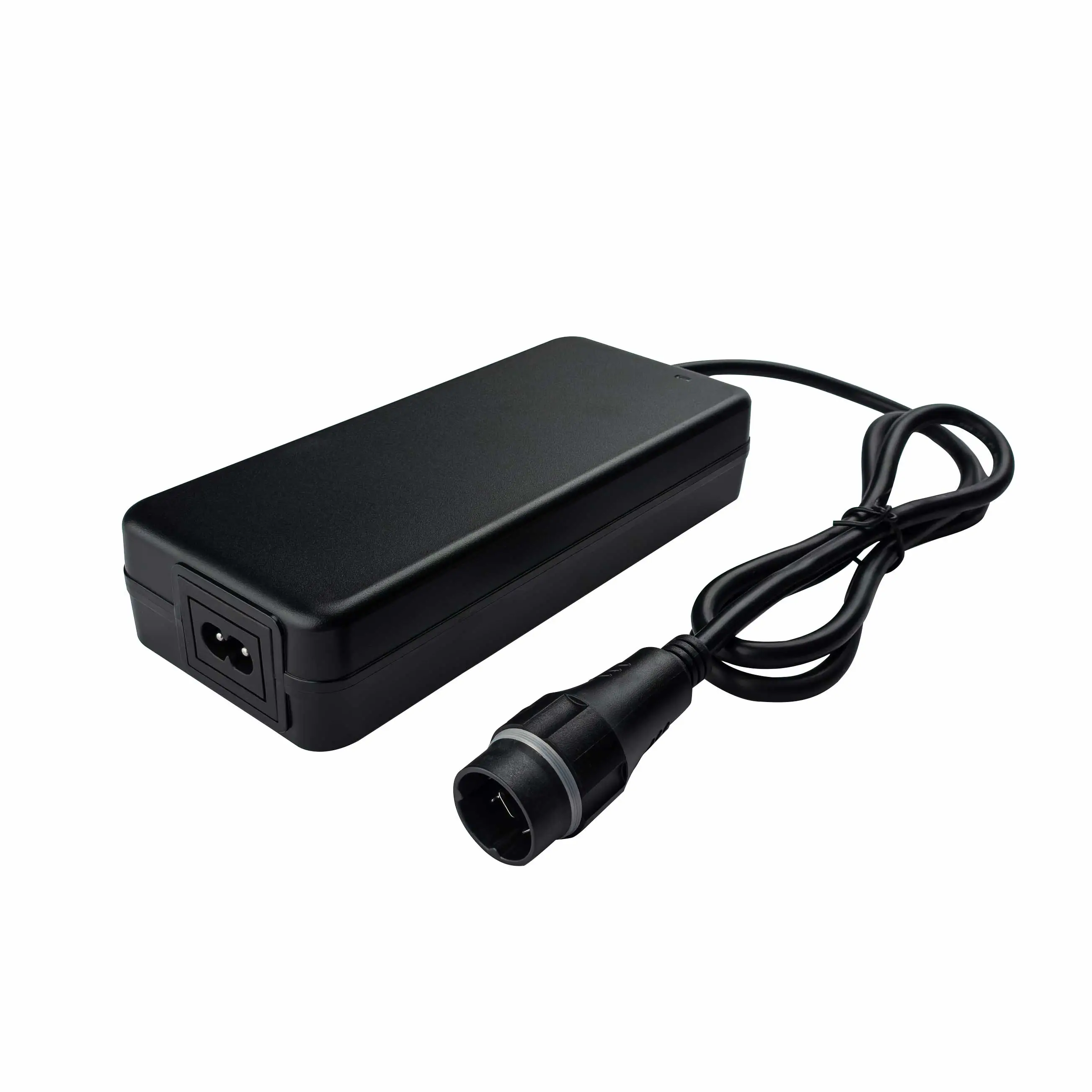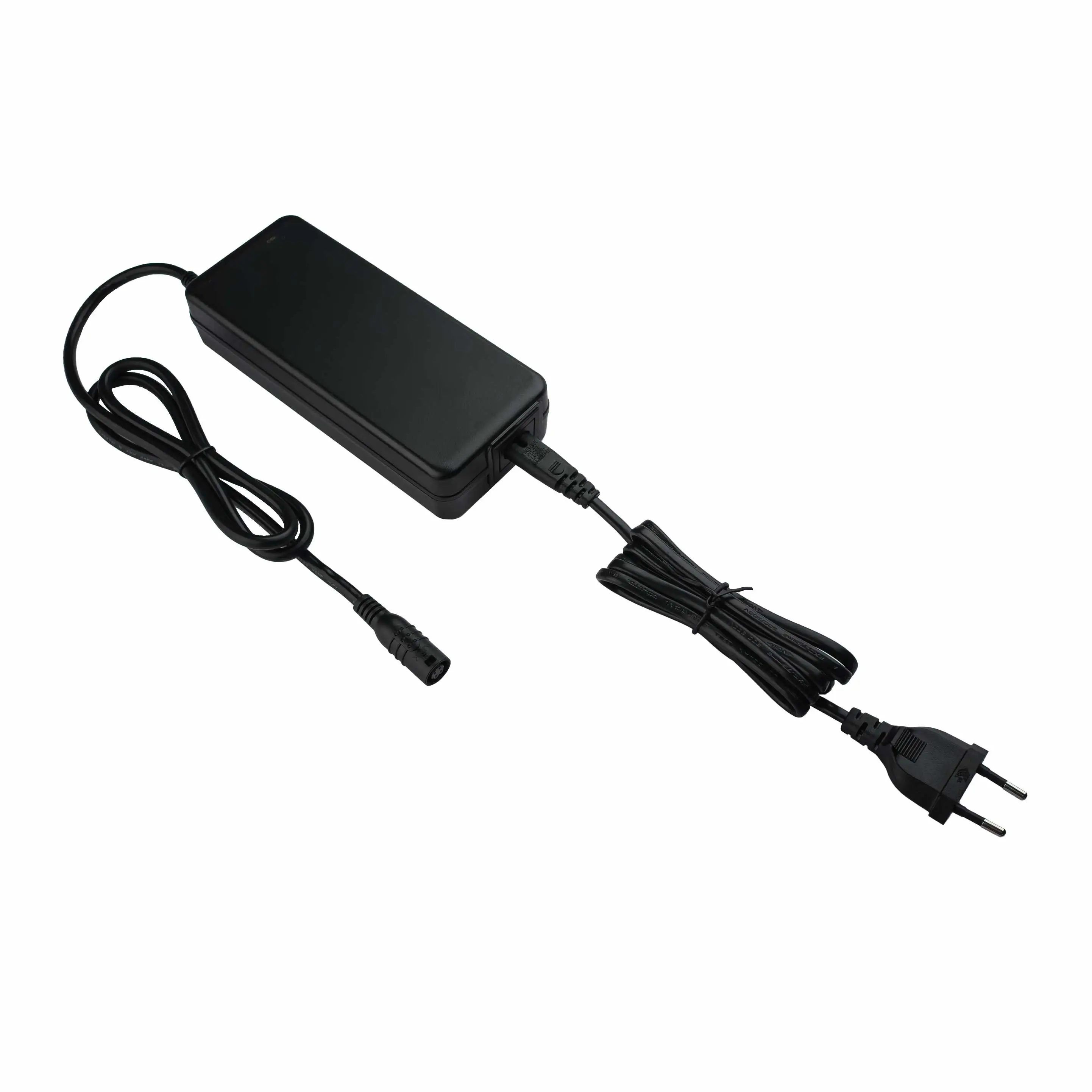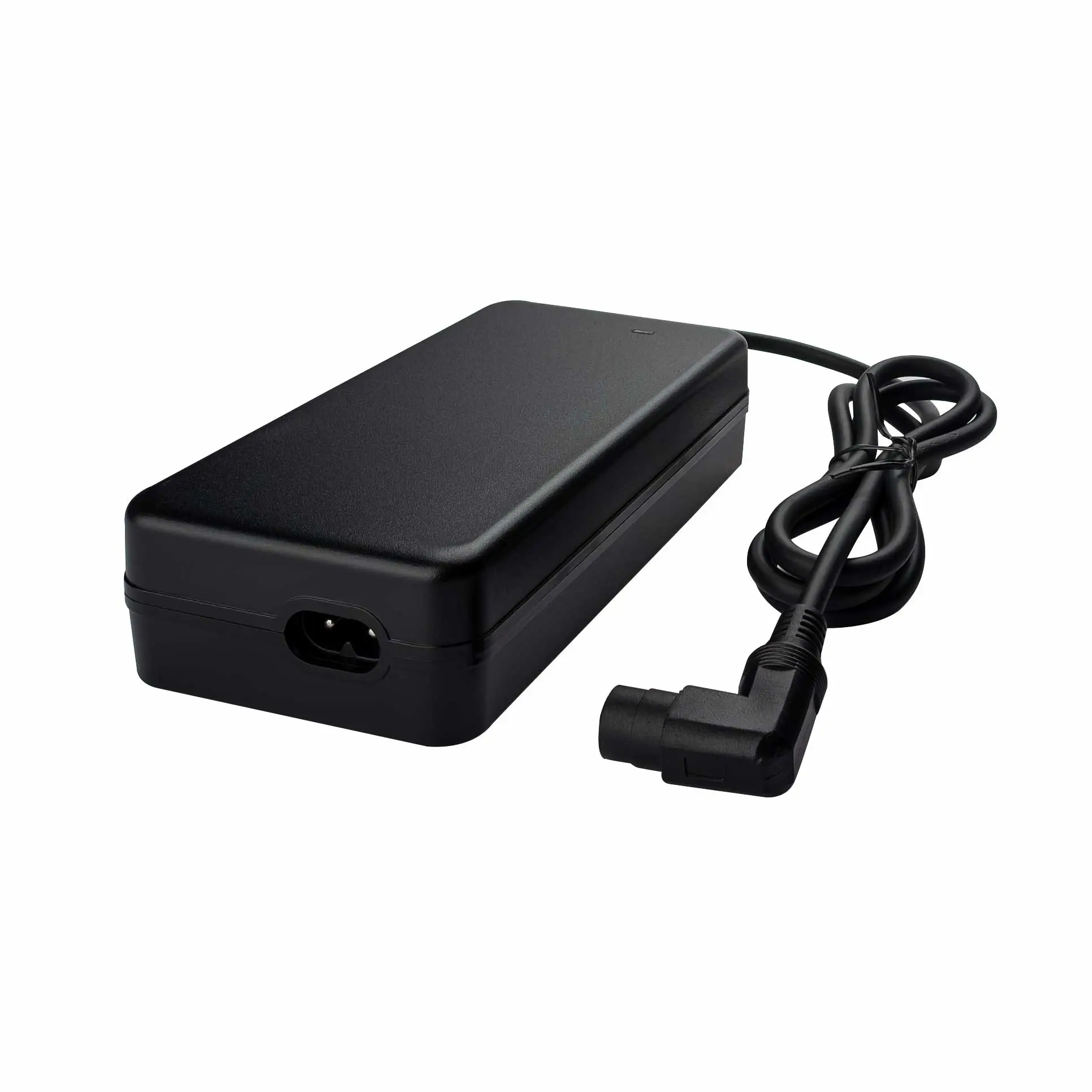

42V 4A Yamaha-Compatible E-Bike Charger Buying Guide: a practical buying note
When a customer asks for a 42V 4A Yamaha-Compatible E-Bike Charger, the model number is only the starting point. The charger still has to match the real battery pack, the charging socket and the way the BMS handles the final cutoff.
This is the kind of check we recommend before a repair shop, distributor or brand places a repeat order. It saves time later, because most charger problems come from small details that were not checked at the sample stage.
Where this charger is normally used
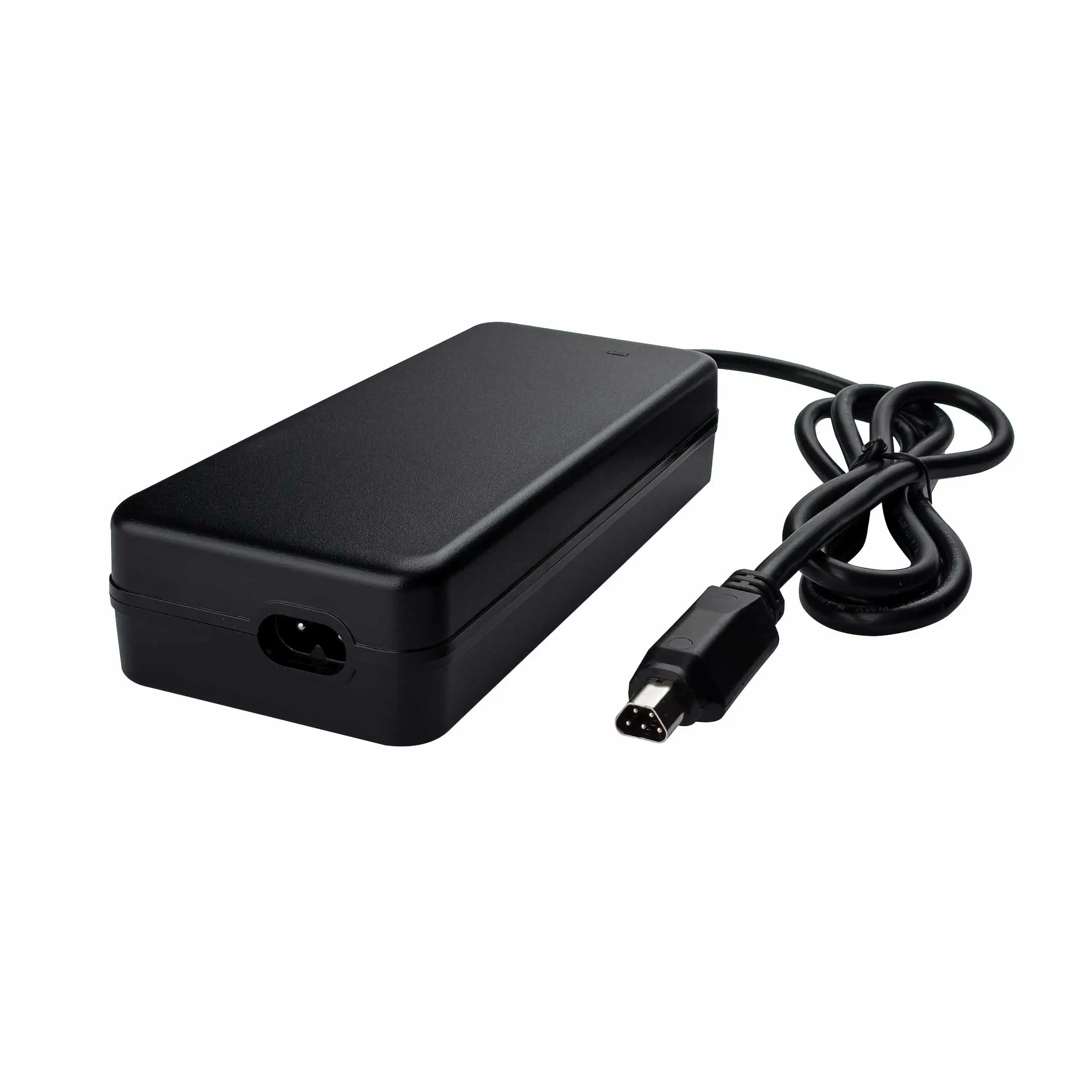
This charger is intended for 36V Yamaha-compatible e-bike battery systems when the output voltage, charge current and connector wiring match the original system. It can be supplied as a replacement charger, an accessory packed with a vehicle or battery, or as inventory for service centers.
If you are replacing an old charger, compare the label on the original unit first. If you are preparing a new project, confirm the battery specification with the pack supplier before choosing the connector and cable length.
Specification points to confirm
| Charger type | 42V 4A Yamaha-Compatible E-Bike Charger |
| Battery match | 36V Yamaha-compatible e-bike battery systems |
| Connector | Yamaha-compatible charging connector |
| Best fit | Replacement stock, service kits, small fleet support and brand accessory programs |
| Before ordering | Confirm voltage, current, polarity, connector shape and charging-port wiring |
Connector and polarity matter more than they look
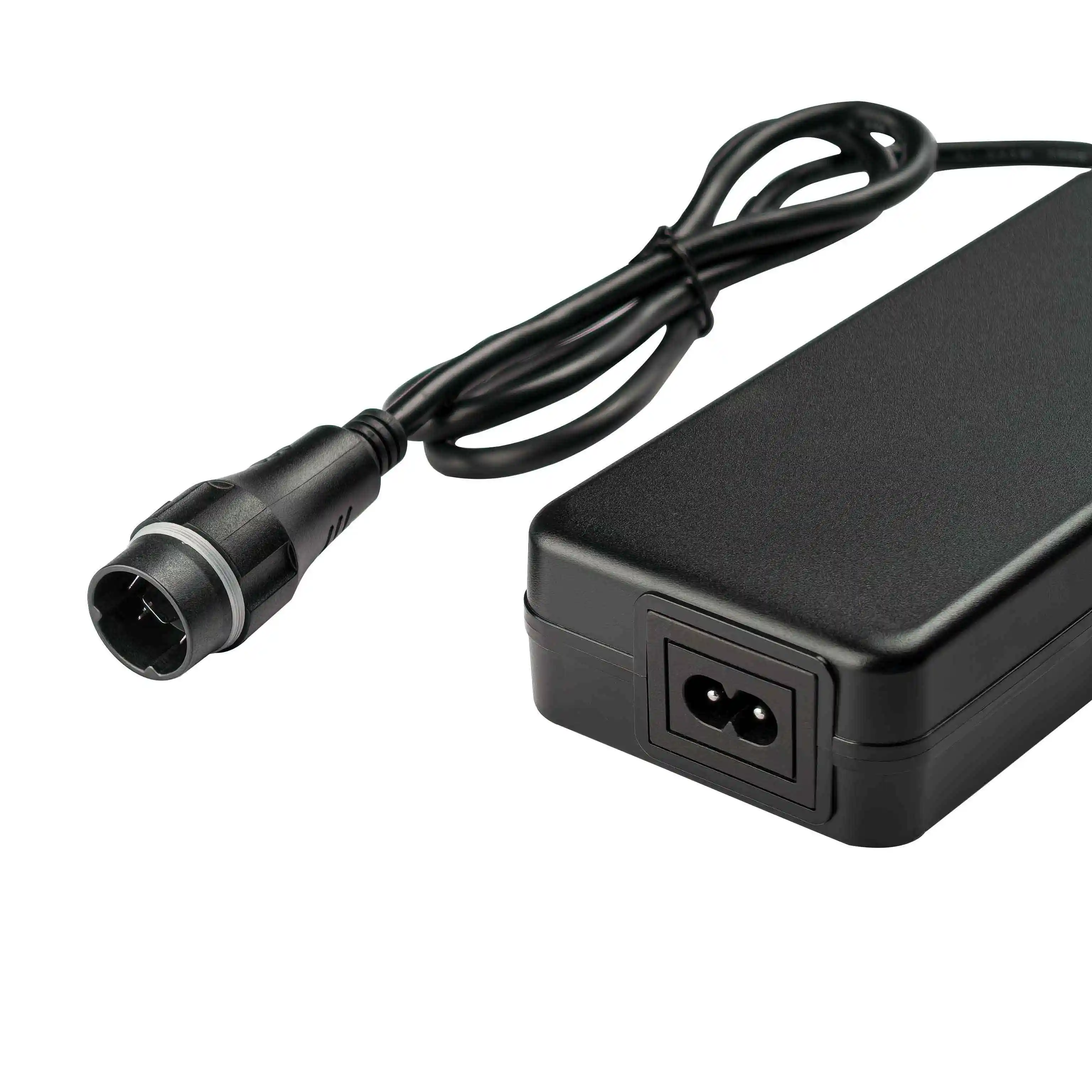
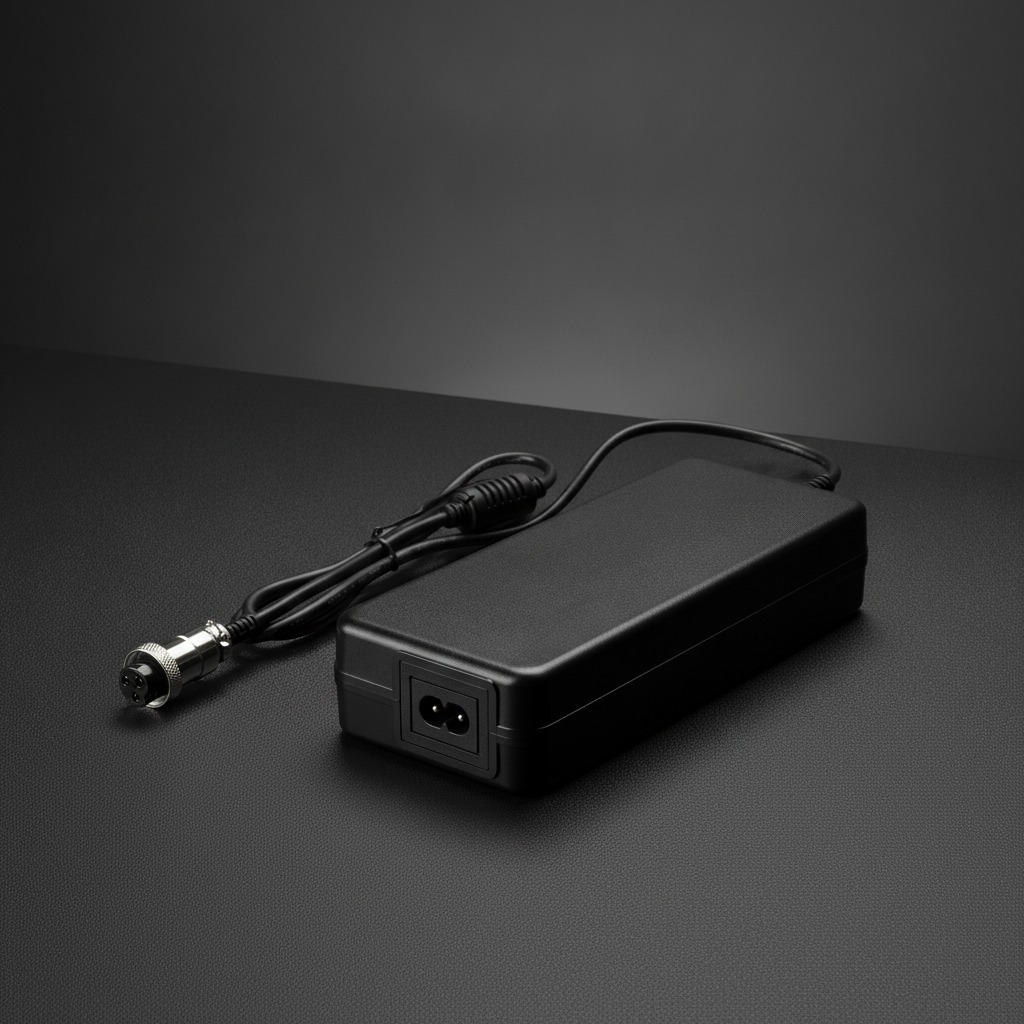
Two chargers can have the same voltage and current but still be wrong for the battery. The plug may look close, while the pin layout, polarity or locking shape is different. For this reason, a clear photo of the charging port and the old charger plug is often more useful than a long description.
For multi-pin connectors, do not assume the wiring is standard. Ask for the pin definition or test the sample with the actual battery before moving into bulk production.
Checks before a bulk order
- Match the charger output voltage with the full-charge voltage of the battery pack.
- Check whether the requested current is suitable for the battery capacity and BMS.
- Confirm plug shape, pin count, plug gender and cable direction.
- Verify positive and negative polarity before charging a live battery.
- Choose the right AC plug and label language for the destination market.
- Test one sample for LED behavior, cutoff, temperature and fit before confirming cartons.
Notes for distributors and brands
For steady replacement supply, keep one confirmed sample as the reference. Use the same cable length, connector, label and carton wording on later orders unless the battery supplier changes the port. This makes after-sales checks much easier for your team.
For OEM orders, the charger can usually be adjusted with your label, AC plug, output connector, cable length and packaging. The important part is to approve the technical sample before changing cosmetic details.
Questions buyers often ask
Can it replace my original charger?
Yes, if the voltage, current, connector, polarity and battery chemistry match the original charger and battery pack.
Can the output connector be changed?
Yes. The connector and cable length can be made to match your battery or vehicle project after the technical details are confirmed.
What information should I send for a quote?
Send photos of the old charger label, the battery label, the charging socket, the plug, and the estimated order quantity. These details help avoid the most common matching mistakes.
Is a sample test necessary?
For repeat orders or new projects, yes. A sample test is the fastest way to confirm fit, heat performance and charging cutoff with the real battery.
Final advice
Choose the charger by technical match first and price second. A correctly matched 42V 4A Yamaha-Compatible E-Bike Charger reduces returns, keeps service teams from guessing, and gives buyers a clearer basis for repeat supply.