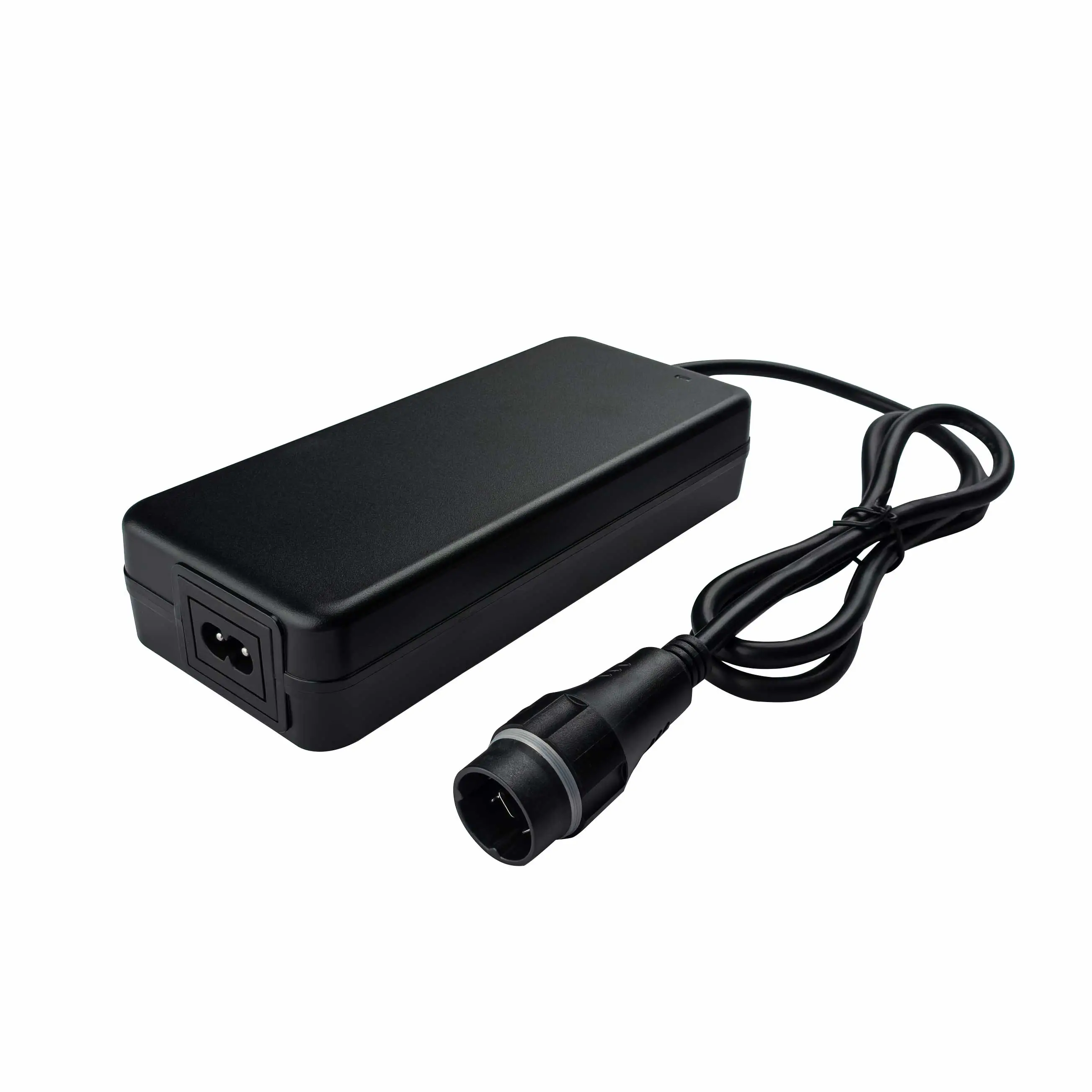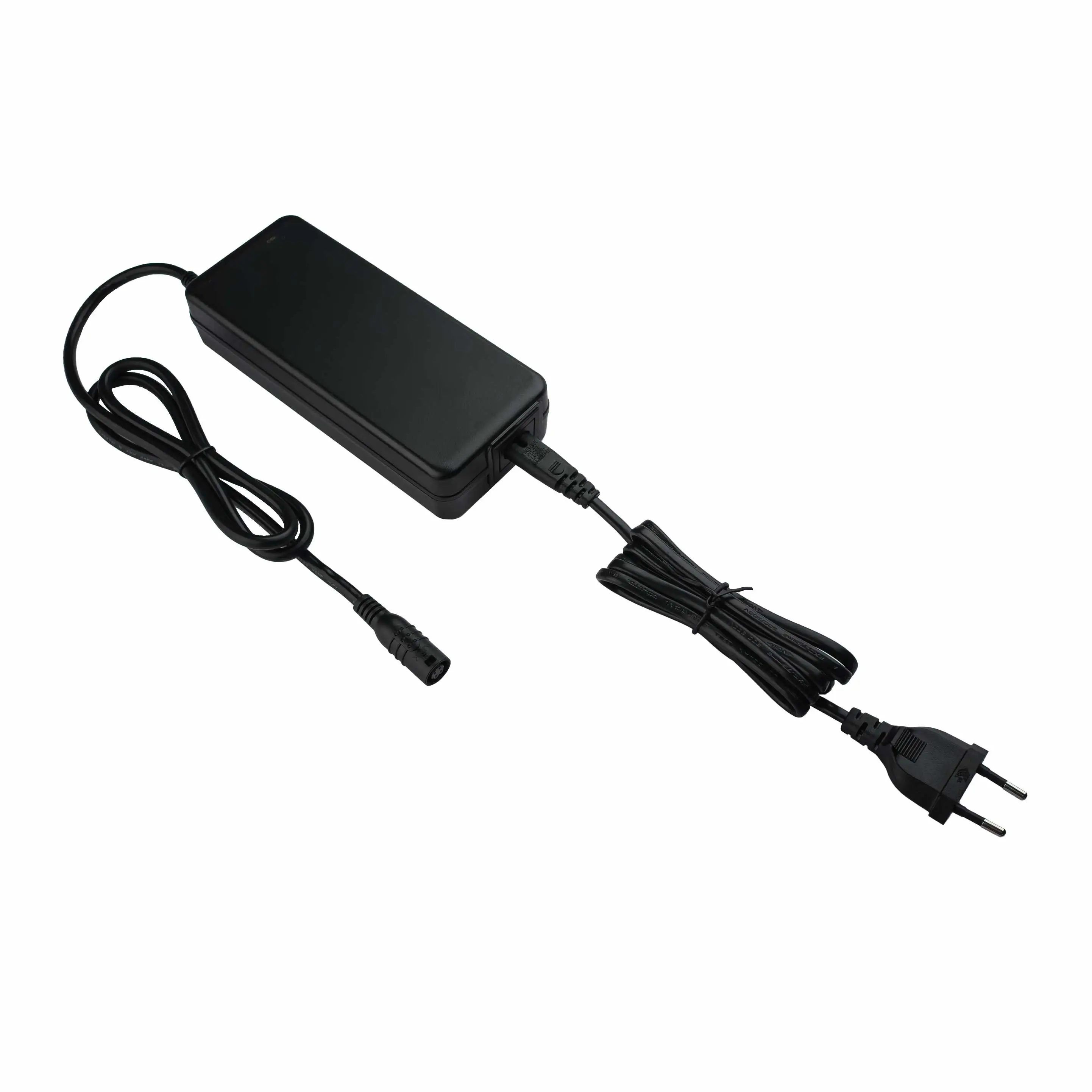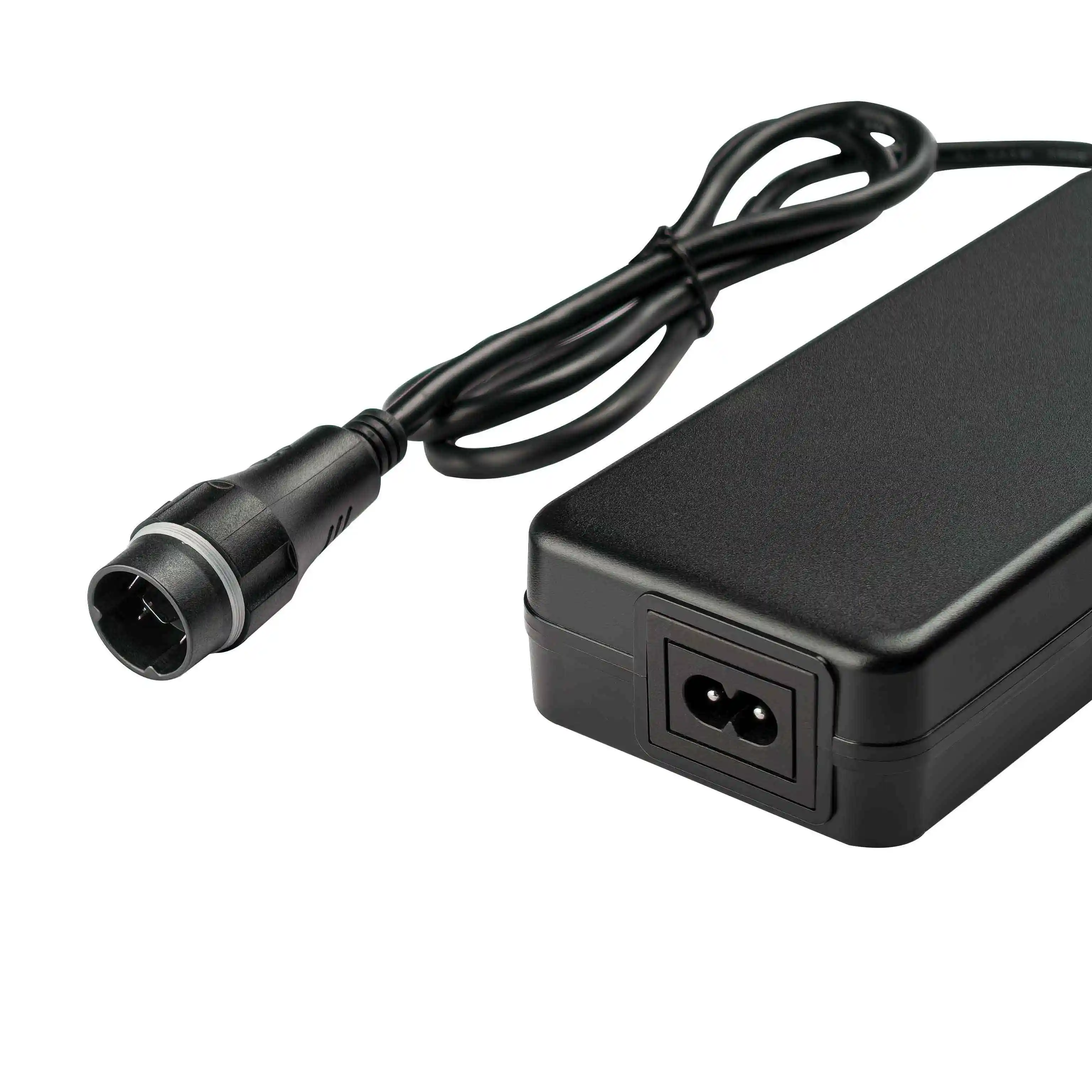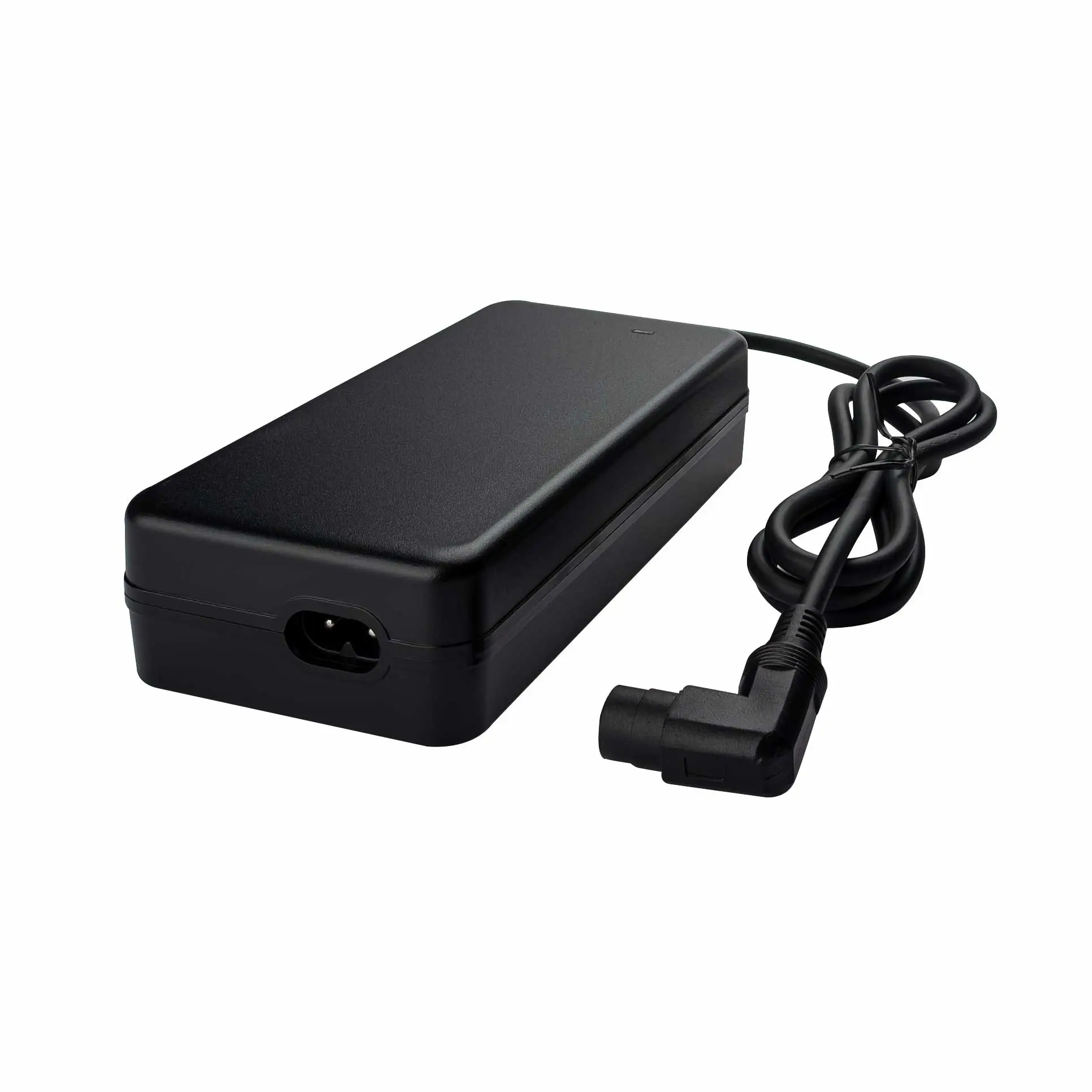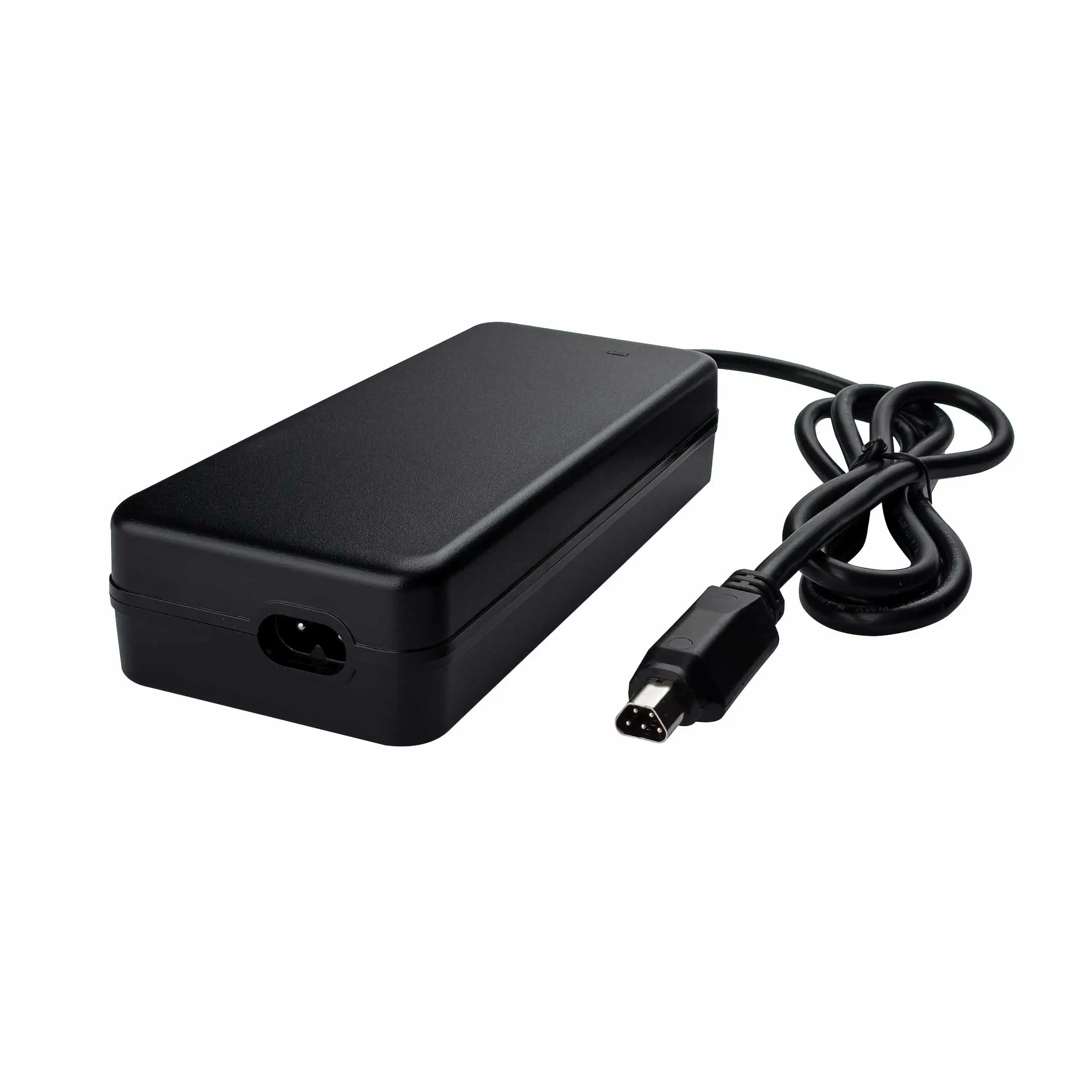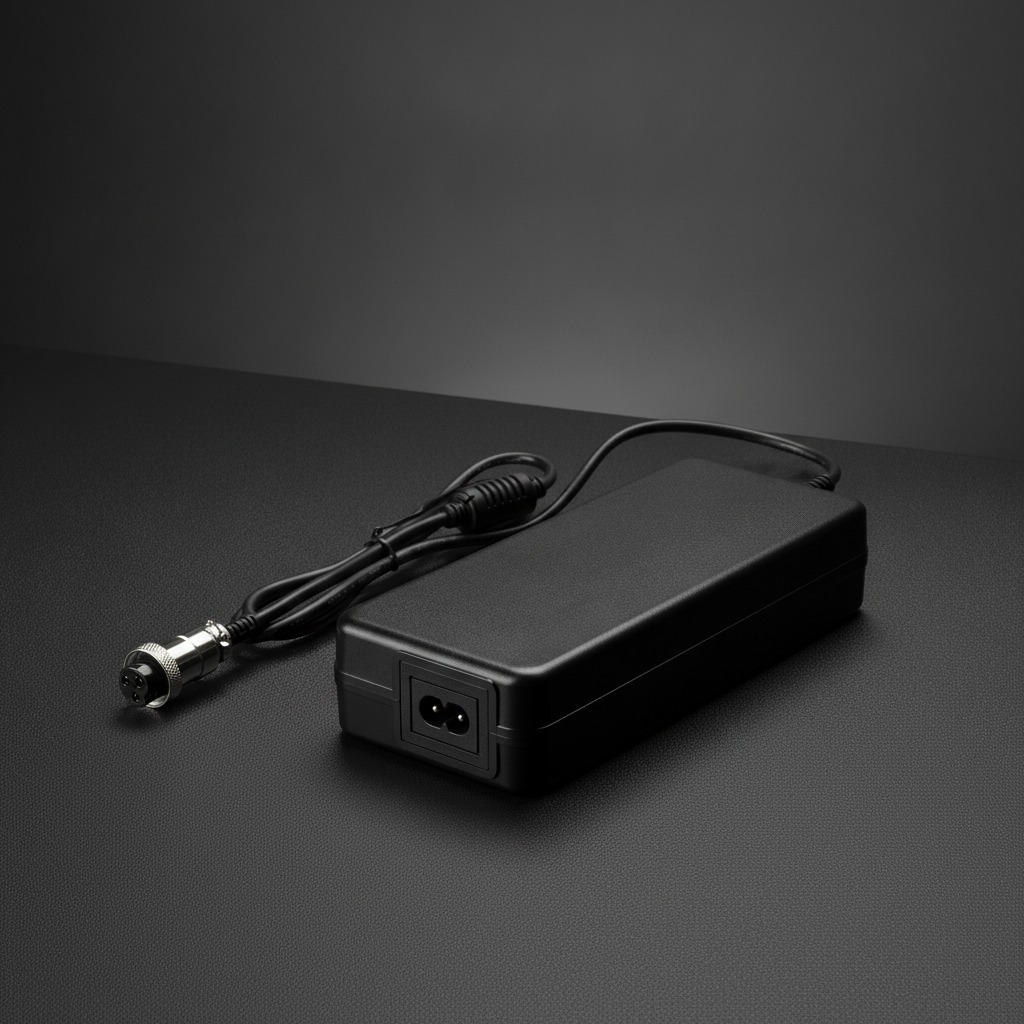

450W IP65 Waterproof Battery Charger Overview
This 450W IP65 waterproof battery charger is designed for 12V, 24V, 36V and 48V battery systems used in outdoor equipment, industrial vehicles, electric mobility products, storage batteries, electric boats and OEM charging projects. It can be configured for lead-acid, ternary lithium and LiFePO4 battery charging applications, giving buyers a flexible charger platform for different battery projects.
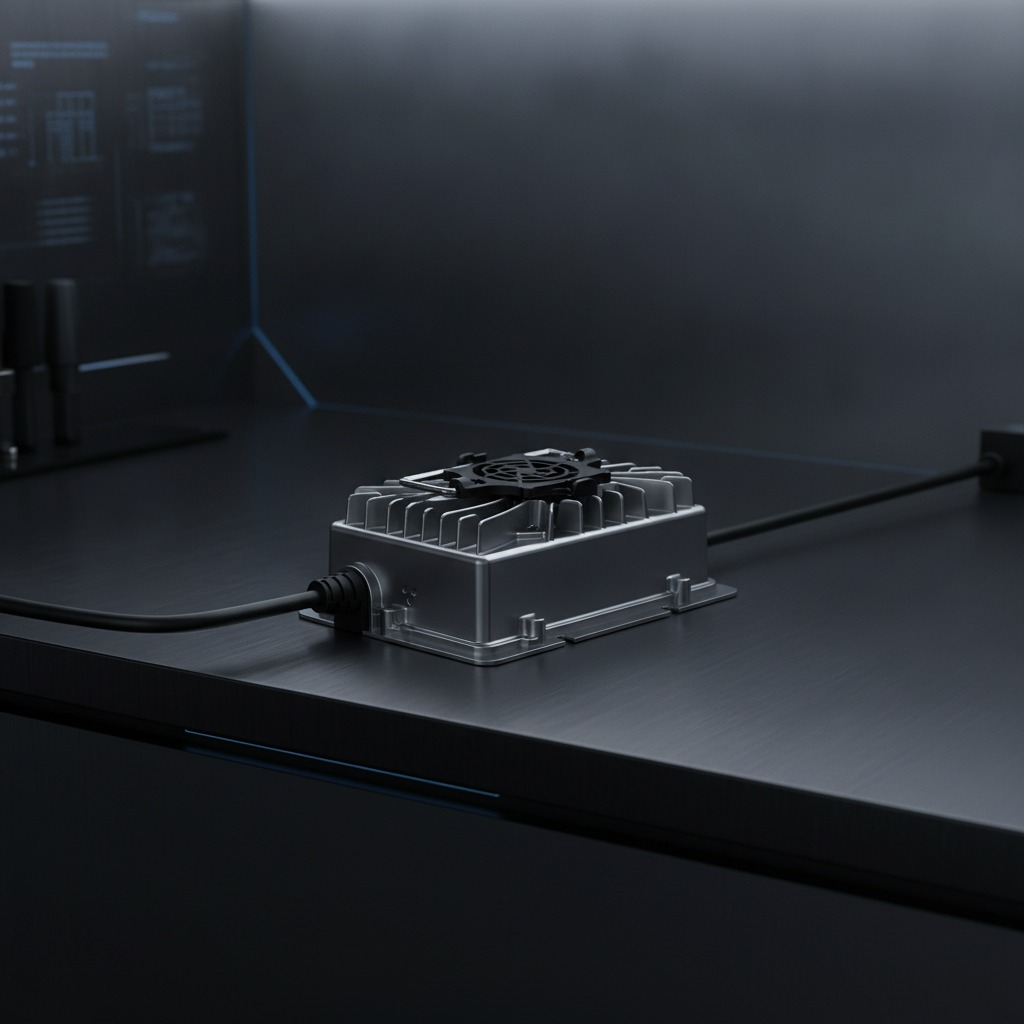
The charger uses a compact finned aluminum housing with active cooling. The metal enclosure helps move heat away from the internal electronics, while the fan-assisted design supports stable charging under load. With IP65 waterproof and dustproof protection, this charger is suitable for demanding environments where moisture, dust, vibration and regular use must be considered.
For B2B buyers, this product is not just a charger body. It is a complete 450W battery charger platform for replacement, wholesale and OEM sourcing. The key value is stable output, practical heat dissipation, battery compatibility options and a structure that can be integrated into equipment or supplied as a finished charger.
Why a 450W Battery Charger Is More Than a Higher-Wattage Power Box
A 450W battery charger may look simple from the outside. It usually has a metal enclosure, cable entries, a label, mounting points and sometimes a fan grille. But for engineers, distributors and OEM sourcing teams, a charger in this class is not just a higher-wattage box. It is a system component that affects charging speed, heat control, battery life, installation safety and long-term reliability.
This is especially important when the charger is used for industrial equipment, outdoor battery systems, electric mobility products, marine batteries, service stations or OEM power projects. A charger that works on the bench may not always perform well in a hot cabinet, a dusty workshop or an outdoor enclosure.
That is why choosing a 450W battery charger should start with more than the wattage number. Buyers need to confirm the battery chemistry, output voltage, charging current, enclosure design, cooling method, IP rating, connector layout and protection functions before moving to sampling or bulk production.
What the hardware tells buyers
A typical 450W charger in a finned metal housing is designed to manage heat. The external fins increase surface area and help move heat away from the internal power electronics. This is useful because a 450W battery charger can generate significant heat during continuous charging.
The metal body is also important for durability. Compared with a lightweight plastic housing, a metal enclosure is better suited for industrial battery charger applications, outdoor equipment and fixed installations. Cable exits on the sides, mounting feet and strain relief details suggest that the charger is intended for practical installation rather than casual desk use.
If the charger includes a central grille or fan area, buyers should ask whether it uses active cooling, passive cooling or a mixed design. Cooling design affects noise, service life and installation requirements.
Why 450W matters
The 450W power level sits in a useful middle range. It is stronger than many small portable chargers, but still compact enough for equipment integration. For B2B buyers, this makes it suitable for applications such as:
12V battery charger projects
24V battery charger projects
36V battery charger projects
48V battery charger projects
Industrial battery charging
Outdoor battery systems
Lead-acid battery charger applications
LiFePO4 battery charger applications
OEM battery charger supply
Service and replacement charger programs
However, wattage alone does not decide compatibility. A 450W charger can be configured in different voltage and current combinations. A 12V battery charger may deliver higher current, while a 48V battery charger may deliver lower current at the same total power level. The correct version depends on the actual battery system.
Lead-acid and LiFePO4 chargers are not the same
Many buyers compare a lead-acid battery charger and a LiFePO4 battery charger as if they are interchangeable. They are not.
A lead-acid battery charger often uses a staged charging profile that may include bulk, absorption and float stages. A LiFePO4 battery charger usually requires a different voltage range and different cutoff behavior. Lithium and LiFePO4 batteries also depend on the BMS, so the charger must match the battery design.
This is why an intelligent charger can be valuable. An intelligent charger usually includes controlled charging, output regulation and protection logic. But buyers should still confirm the exact charging profile instead of assuming compatibility from the product name.
Before ordering, ask the supplier which battery chemistries are supported and whether the charger is configured for lead-acid, ternary lithium or LiFePO4 battery systems.
Where IP65 waterproof charger design matters
Many buyers search for an IP65 waterproof charger because the charger will be used outdoors or in a demanding environment. IP65 protection means the product is designed to resist dust and water spray, which is useful for outdoor equipment, industrial sites, marine-related applications and exposed service environments.
However, an IP65 waterproof charger still needs correct installation. Cable exits, connectors, mounting direction and ventilation should all be considered. A waterproof charger should not be installed where water can pool around connectors or where airflow is completely blocked.
For outdoor or semi-outdoor use, buyers should confirm:
IP rating documentation
Cable gland design
Connector protection
Working temperature range
Cooling method
Mounting position
Water and dust exposure level
Certification requirements
A charger with a strong housing is helpful, but real protection depends on the full enclosure and cable design.
Key questions before choosing a 450W charger
Before selecting a 450W battery charger, buyers should confirm these details:
1. Battery nominal voltage
2. Full charge voltage
3. Battery chemistry
4. Charging current
5. Charging profile
6. Lead-acid or LiFePO4 compatibility
7. AC input voltage range
8. Connector type
9. Polarity
10. Cable length
11. Cooling method
12. IP65 waterproof charger requirement
13. Working temperature
14. Mounting method
15. OEM label and packaging needs
These details help prevent common sourcing mistakes. They also make it easier for the supplier to recommend the correct charger version.
Common buyer mistakes
The first mistake is choosing only by wattage. A 450W battery charger still needs to match the battery voltage, chemistry and charging profile.
The second mistake is assuming all 48V battery chargers are the same. A 48V lead-acid battery charger, 48V lithium battery charger and 48V LiFePO4 battery charger may require different output settings.
The third mistake is ignoring heat. A charger used in a tight cabinet or warm outdoor space needs enough airflow and thermal margin.
The fourth mistake is trusting connector appearance only. Similar connectors can have different polarity or pin assignments.
The fifth mistake is placing a bulk order before testing the charger with the real battery pack.
OEM charger sourcing advice
For OEM battery charger projects, the best approach is to send a clear requirement sheet before asking for price. Include the battery voltage,