
Why a 48W E-Bike & Electric Scooter Battery Supply Is More Than a Simple Charger Question
When people search for a 48W E-Bike & Electric Scooter Battery, they are often not just asking about a battery. They are usually trying to solve a compatibility problem: what kind of power adapter, charging brick, or replacement supply actually fits the device they have in front of them. That matters, because the wrong match can mean slow charging, poor reliability, connector damage, or a unit that simply will not power up.
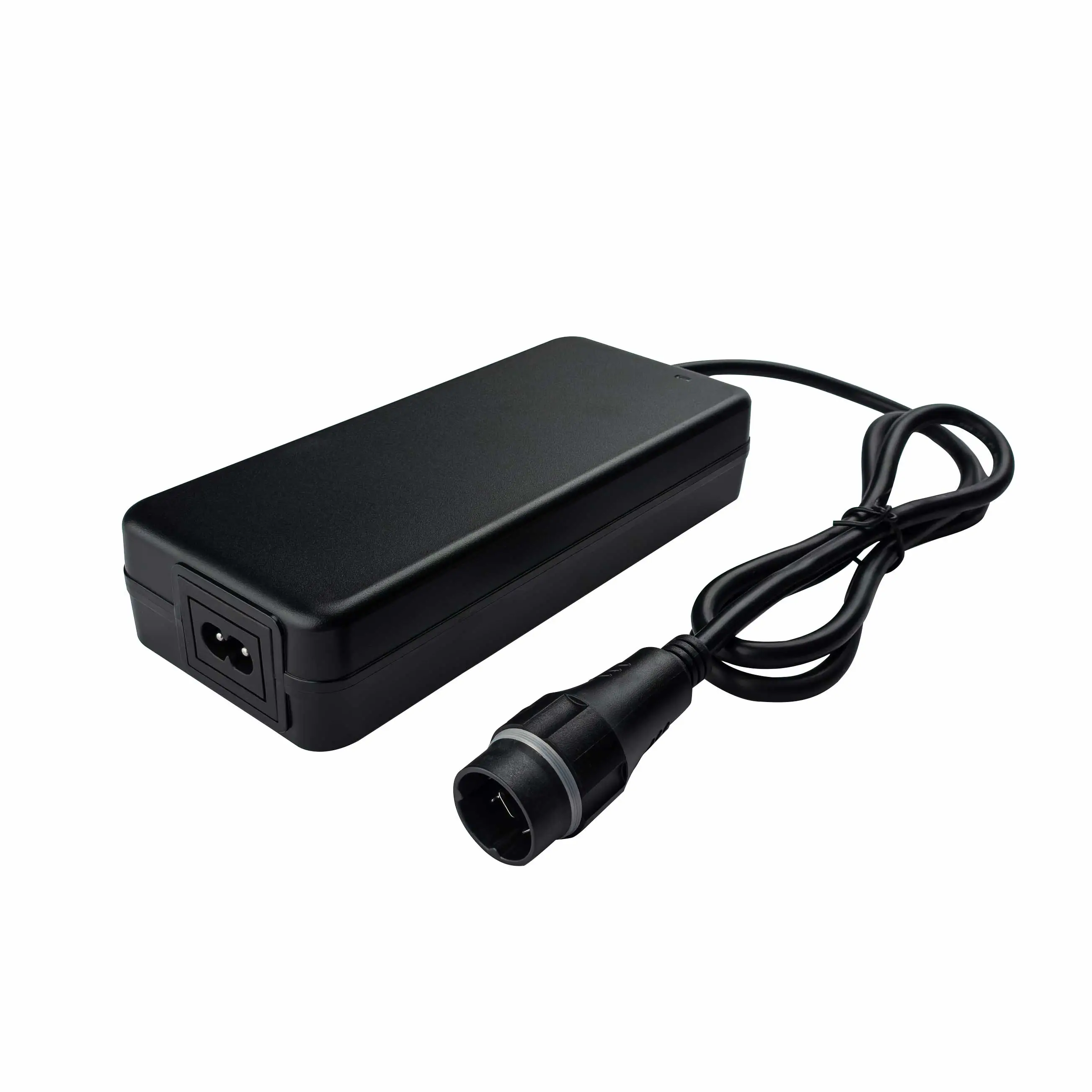
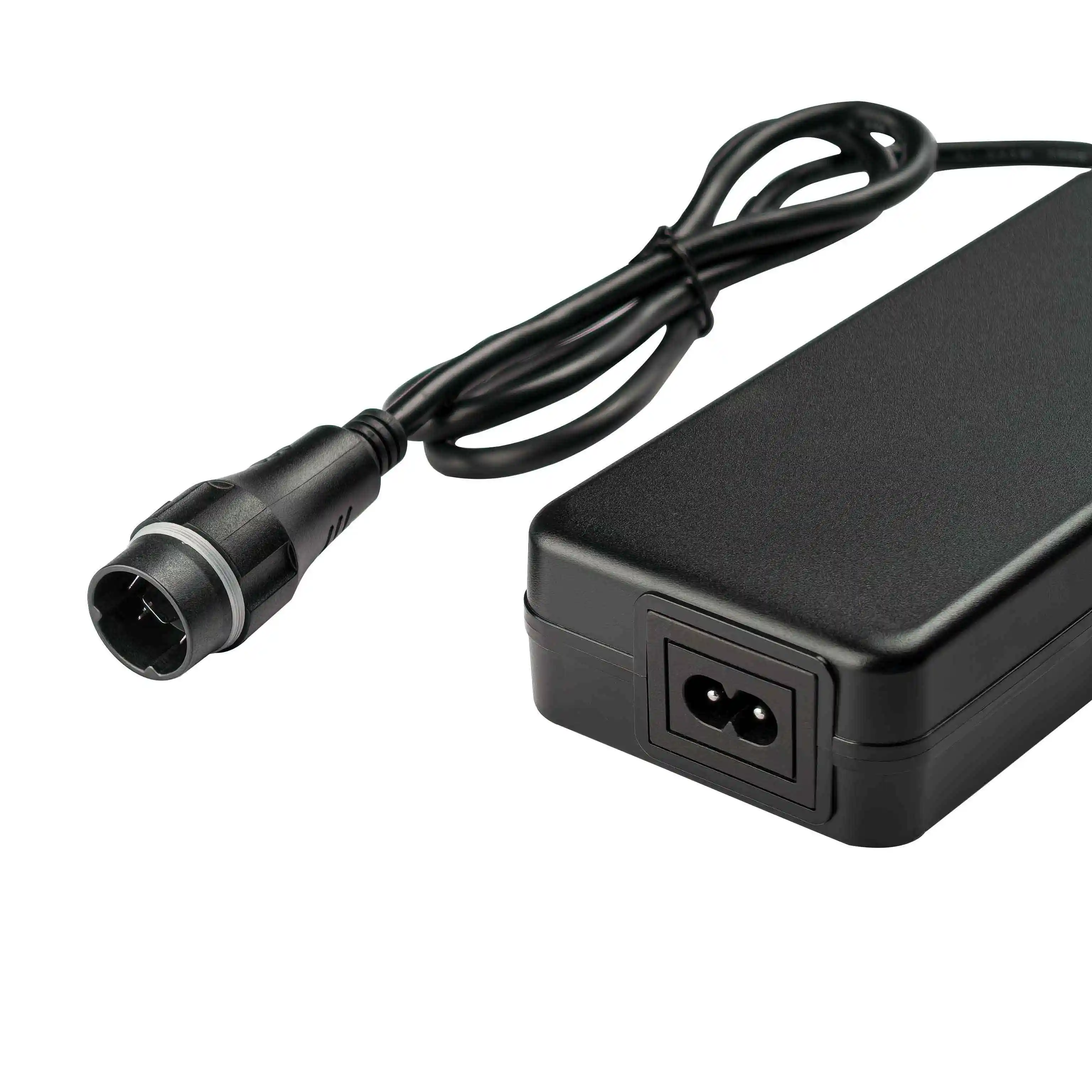
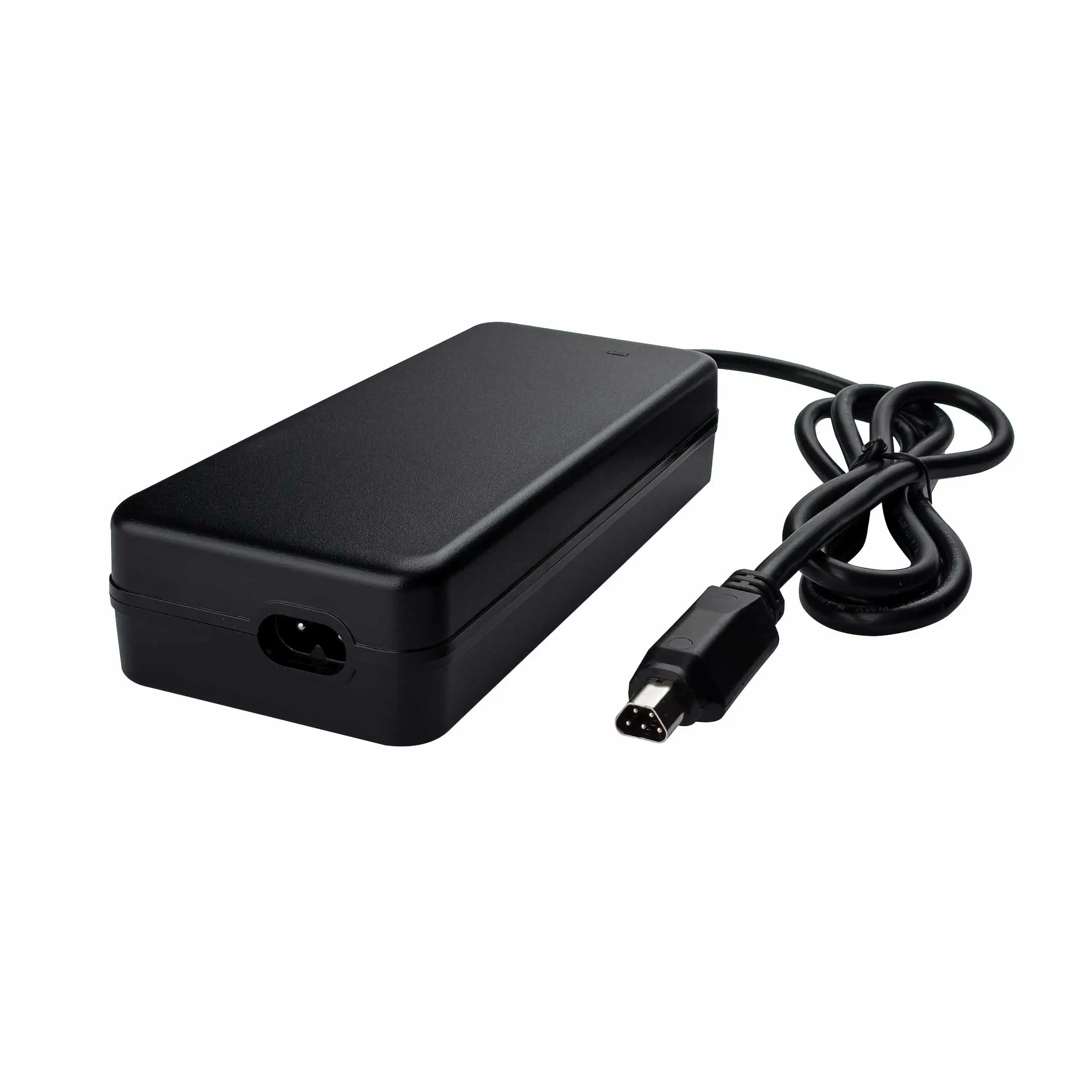
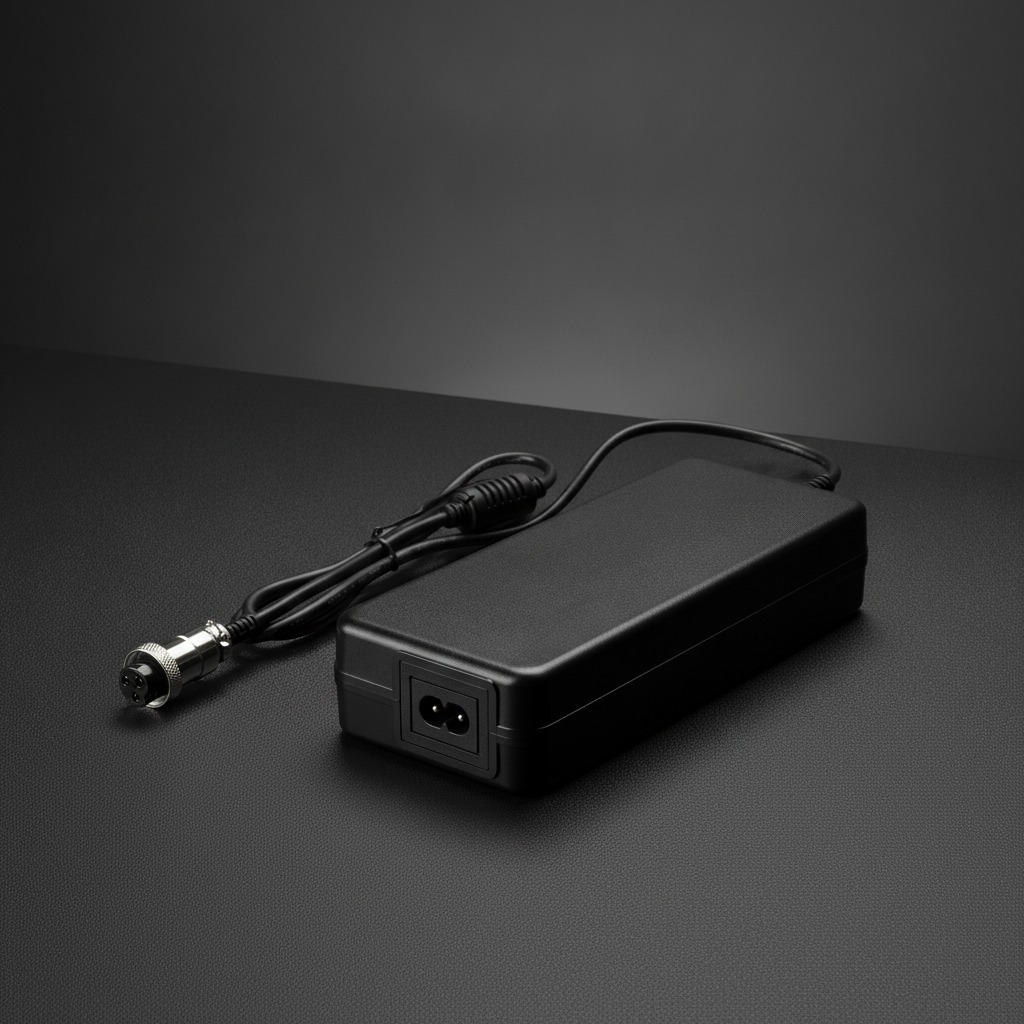
For sourcing teams and engineers, this is a familiar kind of decision. The enclosure may look ordinary, but the hidden electrical details determine whether the part is suitable for an e-bike accessory, a scooter-related device, or another low-power system with a similar connector format. The visible product form here suggests a compact power adapter brick in a molded black plastic housing, with ribbed side surfaces for handling and thermal management. The output connection appears to use a cylindrical XLR-style connector, which is common enough in audio and specialty electronics to deserve careful checking before anyone treats it as interchangeable.
What the product appears to be
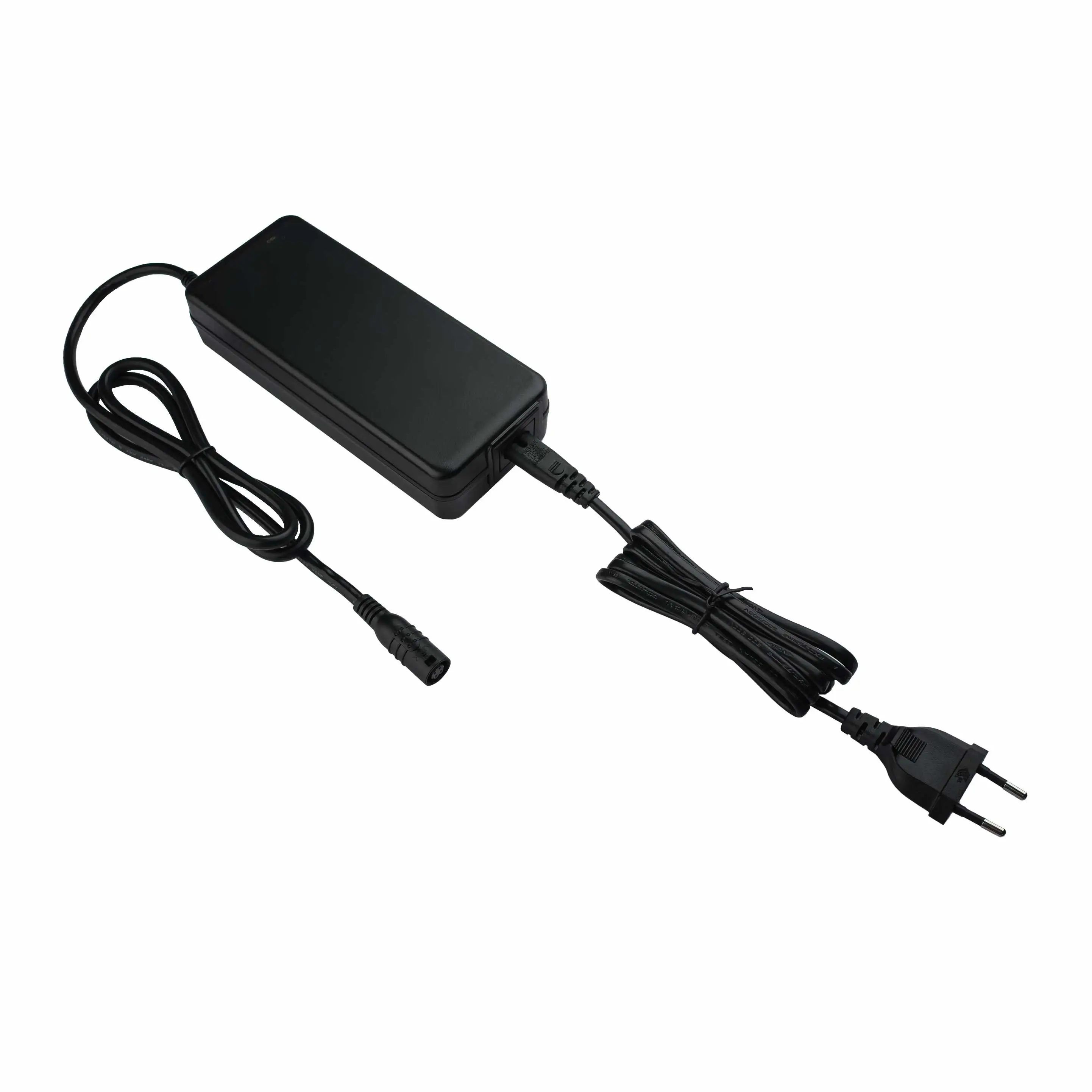
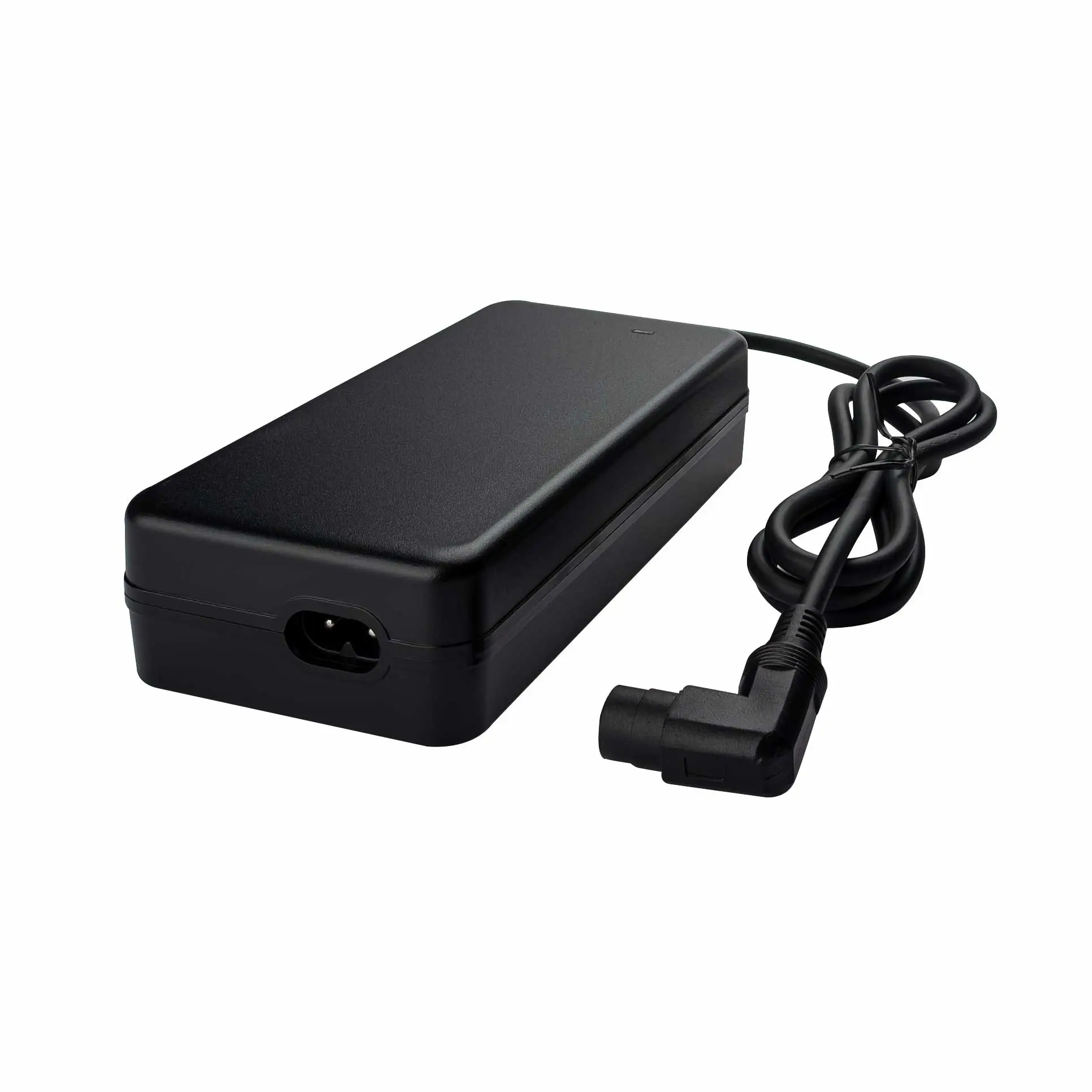
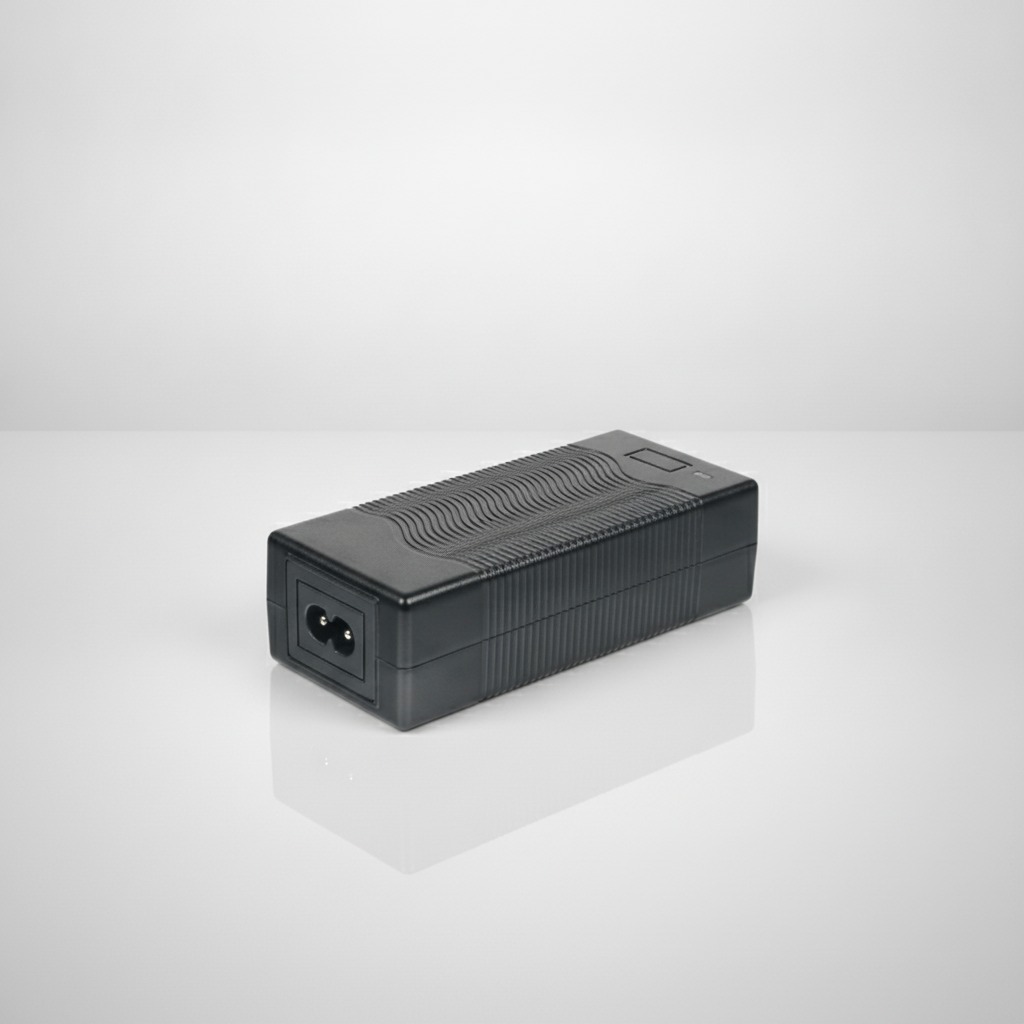
Based on the visible structure, this is an enclosed desktop-style power supply or adapter brick with a fixed mains cord on one side and a low-voltage output cable on the other. The body is rectangular, black, and injection-molded, with a matte finish and textured top surface. That kind of housing is typical of offline switch-mode power supplies, where internal electronics are sealed inside a plastic case.
The casing details are practical rather than decorative. Vertical ribbing can help with heat dissipation and grip. Rounded edges reduce snagging. A molded inlet or socket on the body suggests standardized mains-side integration. The output cable ends in a metal cylindrical connector that resembles a 3-pin XLR-style plug, though the exact pinout and connector family should be verified instead of assumed.
Why connector style matters as much as wattage
Many buyers start with the number on the label—48W—but in real procurement work, the connector often becomes the bigger issue. Two adapters can share the same wattage and still be unusable if the plug type, polarity, or pin arrangement differs. That is especially true for e-bike and scooter ecosystems, where accessories, chargers, and auxiliary power units may look similar but are not truly universal.
A buyer should therefore treat the power adapter as a system component, not a commodity brick. If the device end uses an XLR-style connector, confirm whether it is truly XLR, how many pins it has, and whether the application expects DC output, specific polarity, or a special pin assignment. On paper, that sounds basic. In practice, it is one of the most common sources of returns and field failures.
Quick buyer checklist for sourcing decisions
1. Confirm the electrical requirements
Do not rely on appearance alone. Output voltage, current, and whether the unit is AC-to-DC or AC-to-AC are not visible from the housing. Those values must come from a label, drawing, or datasheet before any procurement decision is made.
2. Verify the connector family
If the output looks like an XLR-style connector, check the pin count and mating geometry carefully. Similar circular connectors can be mistaken for one another, and that is a costly error.
3. Match the use case
A 48W supply may be appropriate for certain small equipment, communication devices, LED-related products, or specialty scooter and e-bike accessories. It is not automatically suitable for a traction battery, a high-demand charger, or any load that exceeds its real output rating.
4. Look at enclosure quality, not just the sticker
The molded plastic housing, ribbed sides, and compact footprint suggest a part designed for everyday handling. That is useful, but it does not tell you enough about efficiency, protection features, or certification status. Those details need documentation.
Common mistakes buyers make
The first mistake is assuming “48W” describes a battery. In many listings, it really points to the power supply or charger associated with a battery-powered system. The second mistake is mixing connector formats. A plug that looks close enough can still fail to mate securely or can wire the wrong pins to the wrong function.
The third mistake is forgetting the application context. E-bike and scooter buyers sometimes need a charger; at other times they need an auxiliary adapter for a display, controller, light, or diagnostic accessory. The housing alone cannot tell you which one you are looking at. That is why procurement teams should always ask for the electrical drawing, pinout, and full part number if available.
What the visible construction suggests to engineers
From a manufacturing standpoint, this looks like a standard molded enclosure assembled around internal power electronics. The form is consistent with mass-produced consumer and light industrial adapters. The visible benefits are straightforward: compact size, fixed cord management, and a connector style that supports a more secure connection than bare leads in many cases.
There is one caveat worth stating plainly: the image does not show enough to confirm efficiency class, waterproofing, or any protection certifications. Those are not minor details for a buyer, but they are not visible here. If the product will be used in a harsh environment, outdoors, or on mobile equipment, those missing specifications matter more than the exterior finish.
Practical next step for sourcing teams
If you are evaluating a 48W E-Bike & Electric Scooter Battery supply for replacement or OEM use, request three things before you commit: the output rating, the connector pinout, and the exact application it was designed to serve. That will narrow the field faster than comparing housings or relying on keyword matches alone.
For the cleanest procurement path, treat this as a compatibility exercise first and a pricing exercise second. The right adapter is the one that fits the system safely and consistently, not just the one that looks close on a product page.