
Choosing a 54.6V 2A charger without guessing at the wrong connector
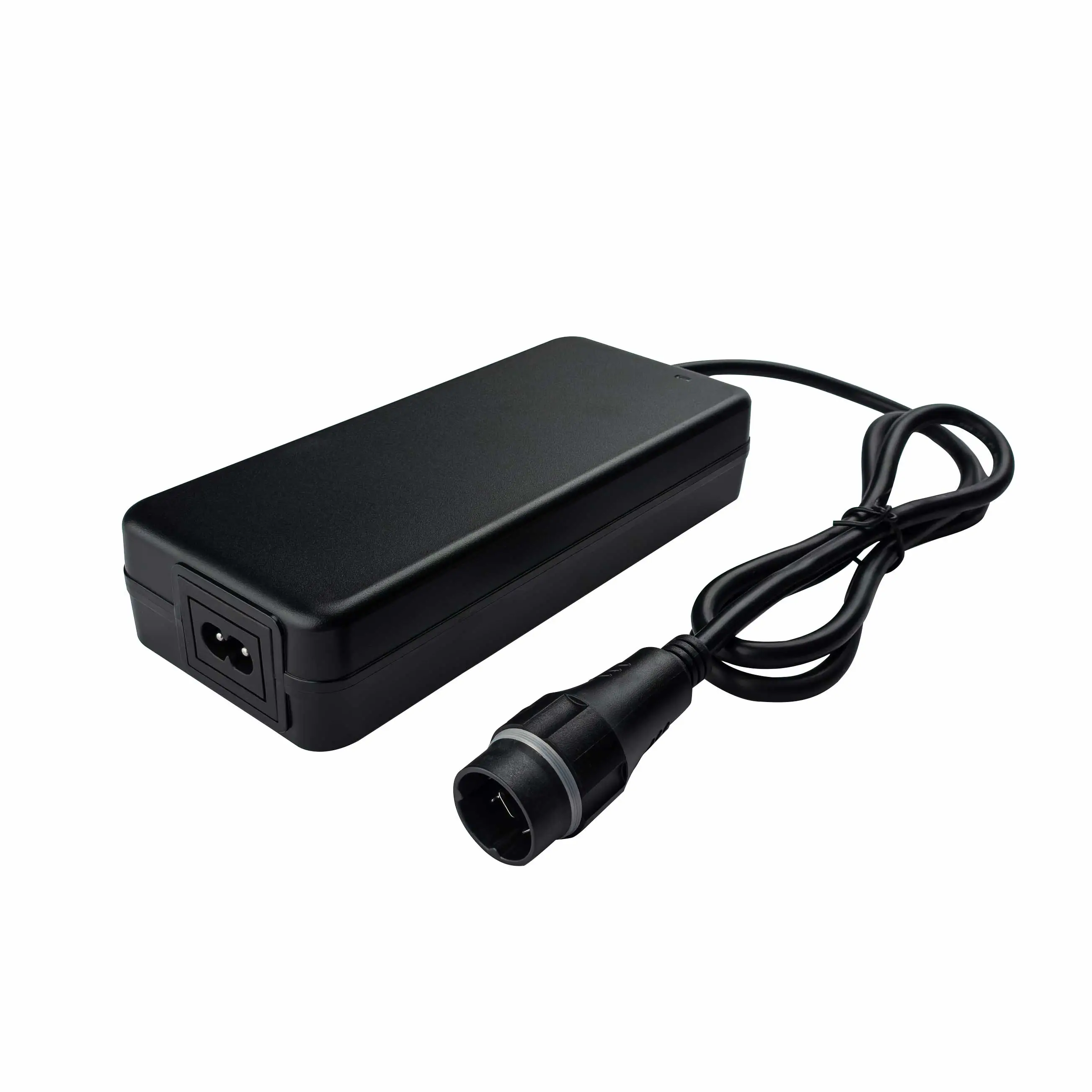
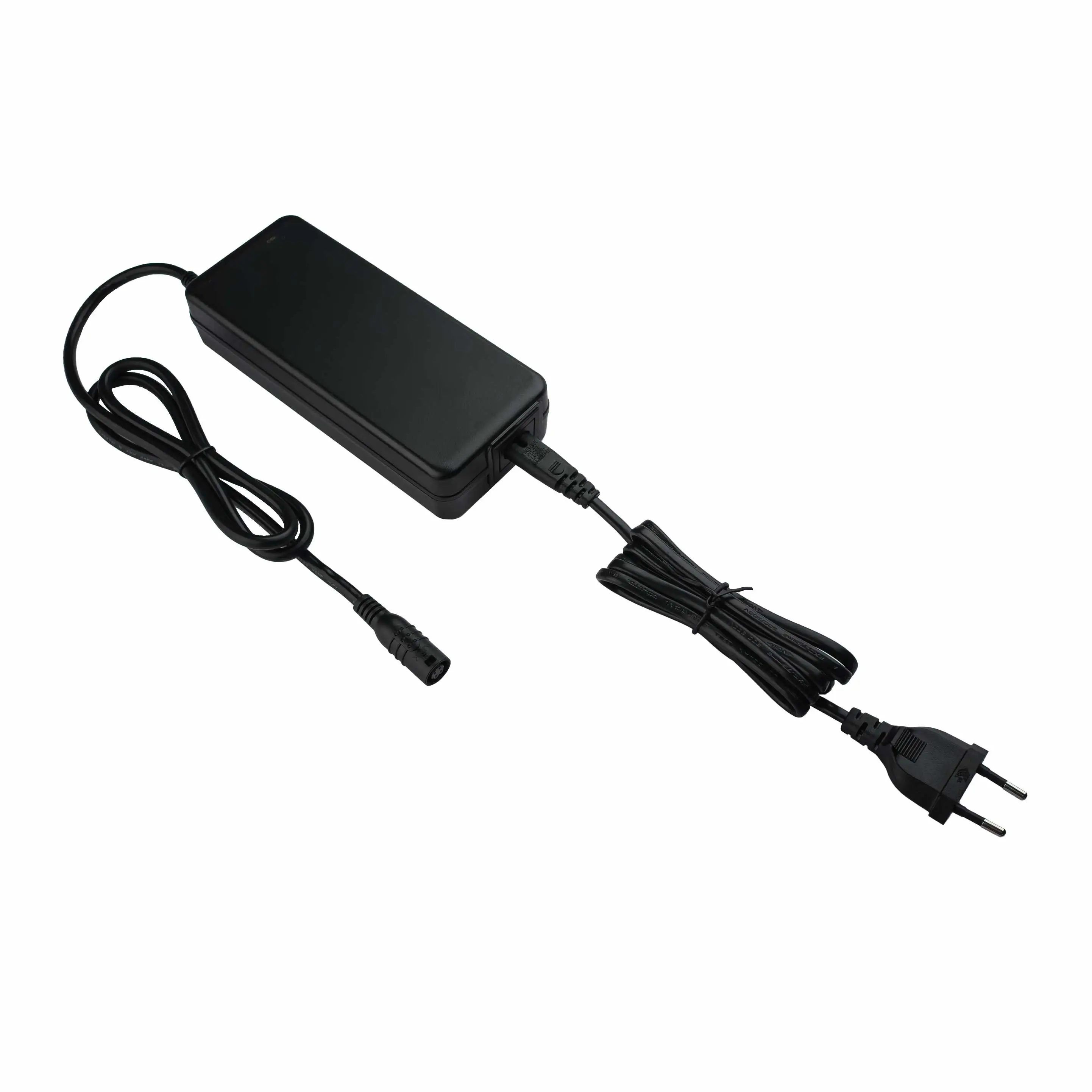
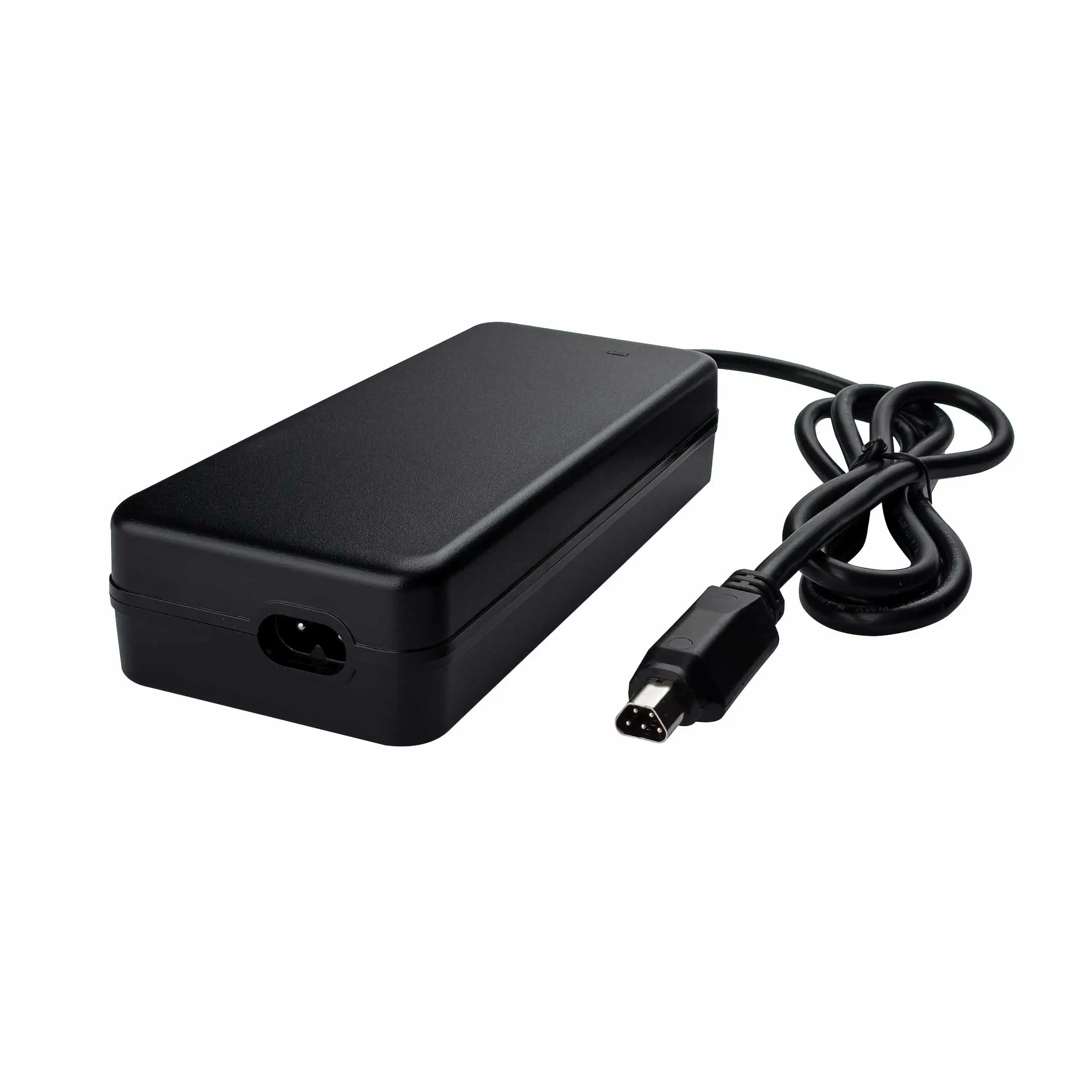
If you are sourcing a 54.6V 2A charger, the obvious question is not just whether it will power the pack, but whether it will do so safely and reliably. That matters whether the buyer is managing an e-bike fleet, replacing a failed unit, or buying a small run of OEM chargers for a product team. The picture here points to a compact black AC/DC power adapter with a fixed cable and a round locking connector, which is a common format for replacement charger applications. But the format alone is not enough. The voltage, current, connector style, and pack chemistry all need to line up.
For sourcing teams, the headache is usually simple: two chargers can look almost identical and still be electrically incompatible. A 54.6V output is typically associated with charging a 48V lithium battery pack, but that does not mean every 48V e-bike charger will fit every battery or charging port. The plug, pin count, and pinout matter just as much as the nameplate.
What the product form tells you
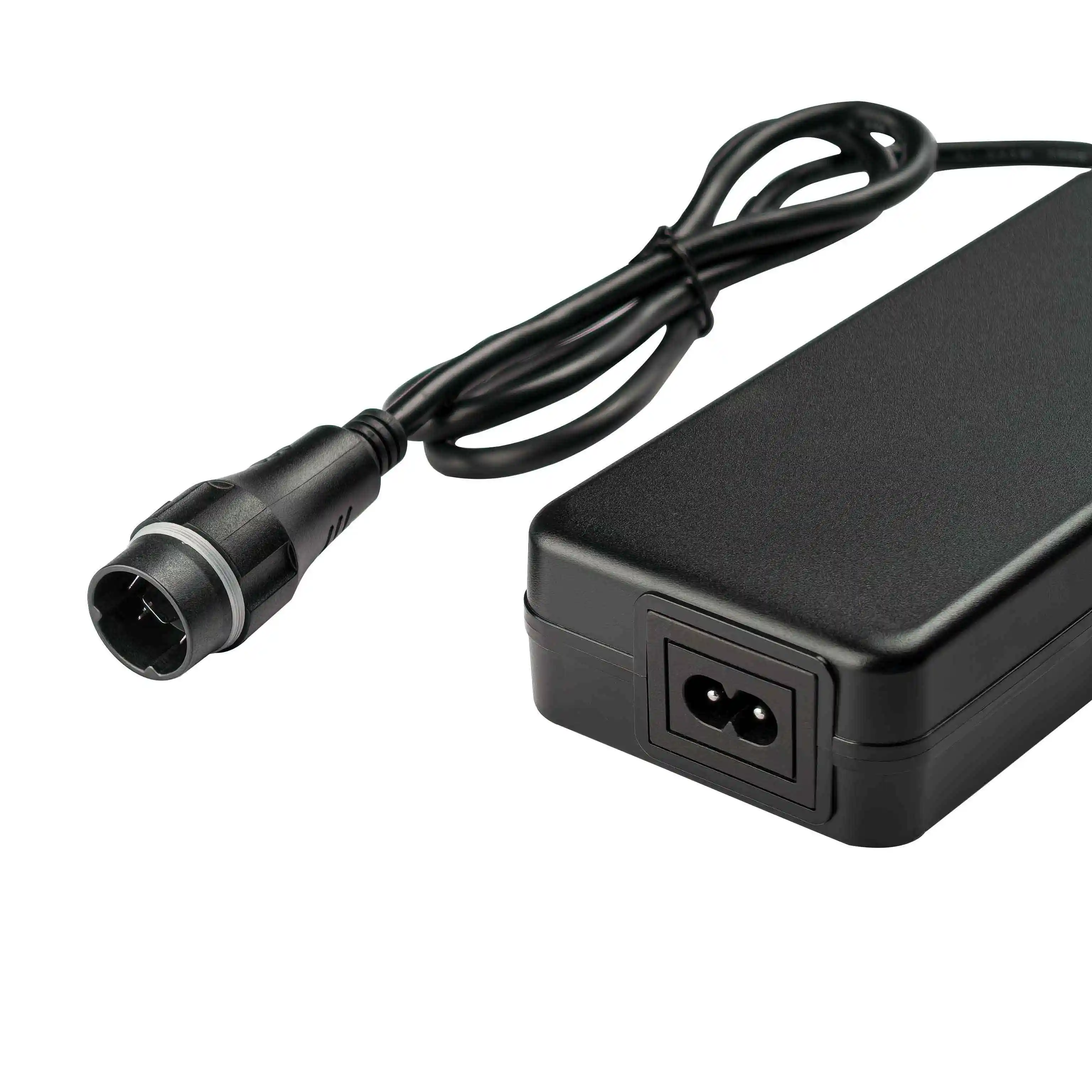
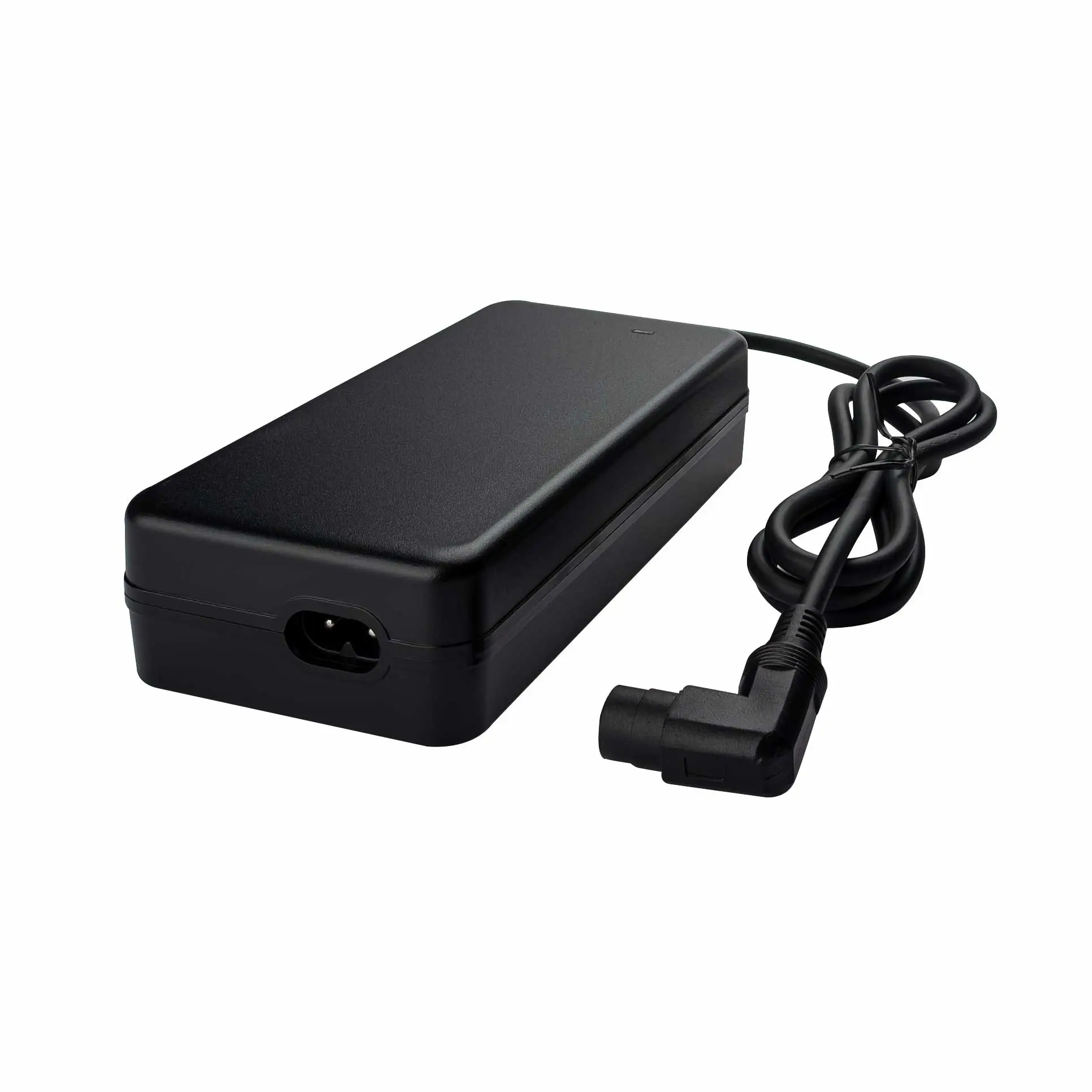
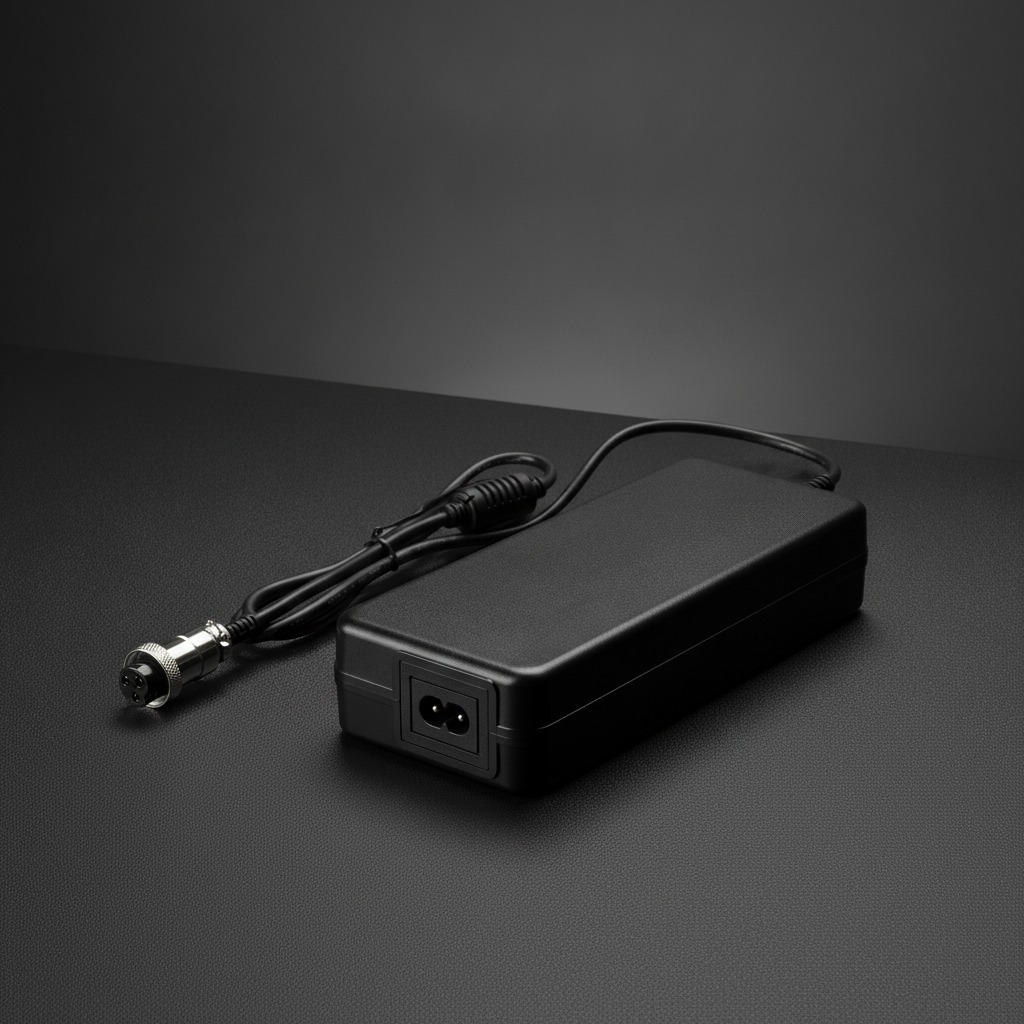
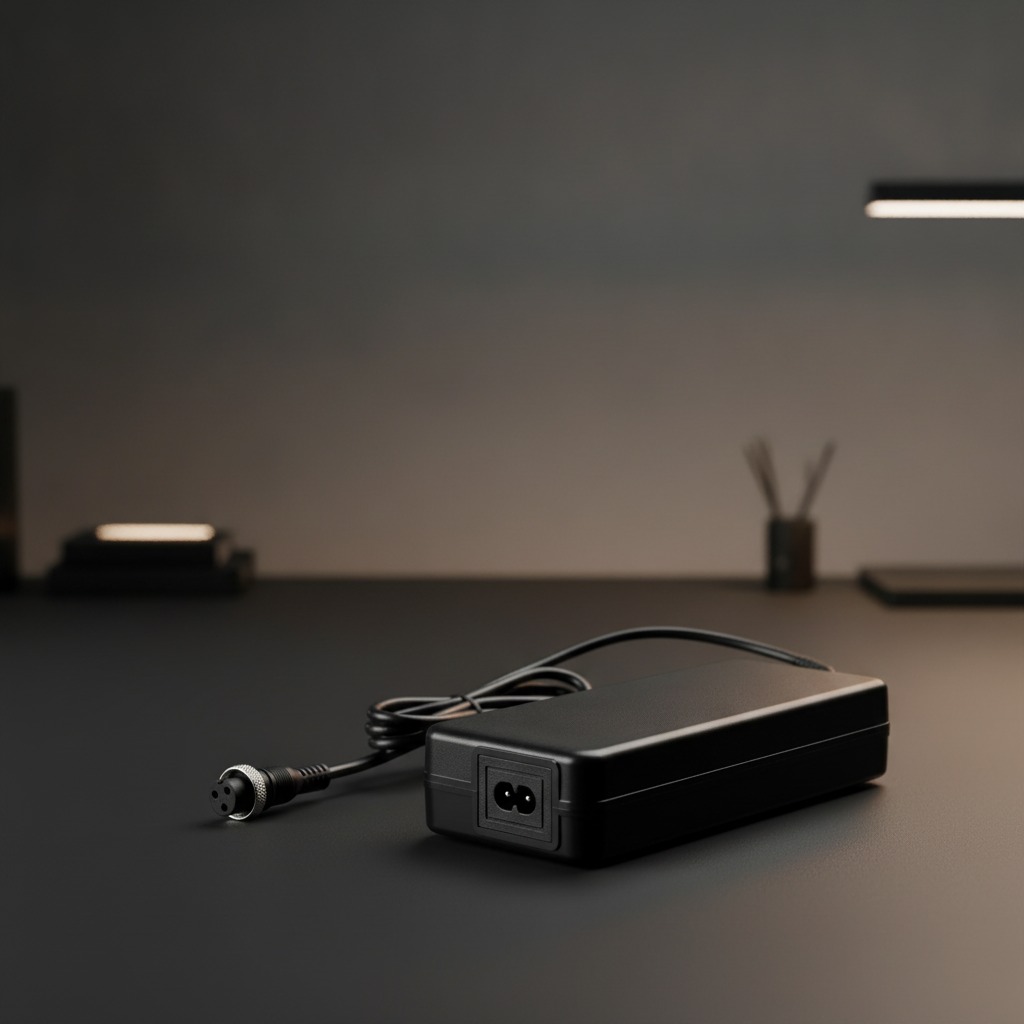
The visible unit is a black molded plastic brick with a matte finish, a built-in AC inlet on the housing, and a hardwired output lead ending in a circular multi-pin connector with a knurled locking ring. That tells a buyer several useful things right away. It is an external power supply assembly rather than an open-frame module, and the connector appears designed for a more secure mechanical fit than a loose barrel plug.
That locking style is often preferred on equipment that may be moved, vibrated, or connected in a production setting. It also suggests the charger is intended for a defined mate, not a universal consumer accessory. In practice, that makes it a candidate for OEM charger programs and wholesale charger replacement channels, but it also means substitution should be done carefully.
Quick checks before ordering
Before a buyer commits to a replacement charger, four checks usually prevent the worst mistakes:
1. Confirm the battery chemistry and nominal pack voltage.
2. Match the charger output voltage to the battery’s required charging voltage.
3. Verify the connector type, pin count, and locking method.
4. Confirm polarity and any communication or sensing pins if the device uses them.
That last item is easy to overlook. A circular multi-pin connector can carry more than positive and negative power. Some packs and devices use extra pins for temperature sensing, enable signals, or proprietary identification. A plug that fits is not always a plug that works.
54.6V and the 48V lithium battery charger question
The phrase 54.6V 2A charger usually points buyers toward a 48V lithium battery charger application. In everyday industry language, 48V lithium packs are often charged to 54.6V when using a standard full-charge profile for common lithium-ion configurations. That said, pack design still varies. Some systems are built around specific BMS behavior, and others require vendor-approved chargers only.
Current rating also deserves attention. A 2A charger is relatively modest, which can be a practical choice for smaller batteries, overnight charging, or users who prefer gentler charge rates. It is not automatically the best choice for every use case, though. A lower-current charger may be acceptable for replacement use, but production buyers should still check whether charge time, thermal behavior, and duty cycle fit the application.
Where this type of charger is commonly used
At a product level, this style of external charger is often seen in e-bikes, electric scooter charger replacements, small mobility products, and other battery-powered equipment that uses a locking circular connector. The same physical housing style is also common in industrial or lab equipment, although the exact electrical requirements there can vary widely.
Because the visible product is an enclosed adapter-style unit with a fixed cable, it is generally easier to handle than a loose cord-set plus open PSU arrangement. The tradeoff is serviceability. If the cable or connector is wrong, the whole unit may need replacement rather than simple re-termination.
OEM charger or off-the-shelf replacement?
For a buyer, this is often the real decision. An OEM charger is usually the safer route when the battery maker has specified a connector, charge profile, or sensing scheme. A replacement charger can be the better procurement option when the goal is simple continuity of supply and the electrical match is already known.
Wholesale charger purchases make sense when the application is stable and the team wants to avoid repeated spot buys. But the warning here is straightforward: do not treat a visually similar power adapter as a drop-in substitute. The enclosure and plug style can be identical while the internals differ in output voltage, regulation, or protection behavior.
Common buying mistakes
The most common mistake is focusing on the connector and ignoring the charger profile. Another is assuming that a round locking plug guarantees compatibility across brands. It does not. Buyers also sometimes overlook the AC input side, especially when a charger is sold as a standalone brick with an integrated inlet. Regional mains requirements still need to be checked.
A smaller but real issue is cable strain. Fixed leads are convenient, but if the connector is used frequently on a bench or in fleet charging, the strain relief becomes part of the product value. A short-term-looking bargain can create avoidable service calls later.
Practical buyer advice
If you are comparing options, ask vendors for the full electrical specification sheet, connector identification, and mating guidance. If the product is intended as an OEM charger, request confirmation of pinout and whether any pins are reserved for signaling. For replacement charger programs, test one unit against the actual pack before placing the larger order. That one step often exposes mismatched polarity or connector geometry before it becomes a warehouse problem.
Also, if the charger is being sourced for a fleet or a repeat build, keep the physical sample and photos alongside the technical record. Charger sourcing has a way of becoming a documentation problem months later, when a field unit fails and no one remembers which version was approved.
FAQ
Is a 54.6V charger always for a 48V battery?
Often, but not always. The pack chemistry and BMS design still need to be confirmed.
Can any round locking connector be used as a replacement?
No. Pin count, keying, and pinout must match, even when the plugs look similar.
Is a 2A charger better for battery life?
Not automatically. It can be gentler in some cases, but only if it matches the battery’s design and the manufacturer’s limits.
Next step for sourcing teams
If you are evaluating a 54.6V 2A charger for replacement or OEM use, start with the pack specification and the connector drawing, not the housing photo. That is usually the fastest way to avoid a costly mismatch. Once the electrical and mechanical details are confirmed, the black enclosed adapter format shown here is a familiar, practical choice for many battery-powered systems.