
What buyers usually mean when they search for a 72W E-Bike & Electric Scooter power adapter
A search for 72W E-Bike & Electric Scooter usually signals a practical buying problem, not a branding exercise. The reader is trying to match a charger or power supply to a device that needs stable DC input, the right connector, and enough output capacity without overspending on features they do not need. That is especially true in the e-bike and scooter world, where a wrong adapter can mean slow charging, poor fit, or a unit that simply is not suitable for the battery system in question.
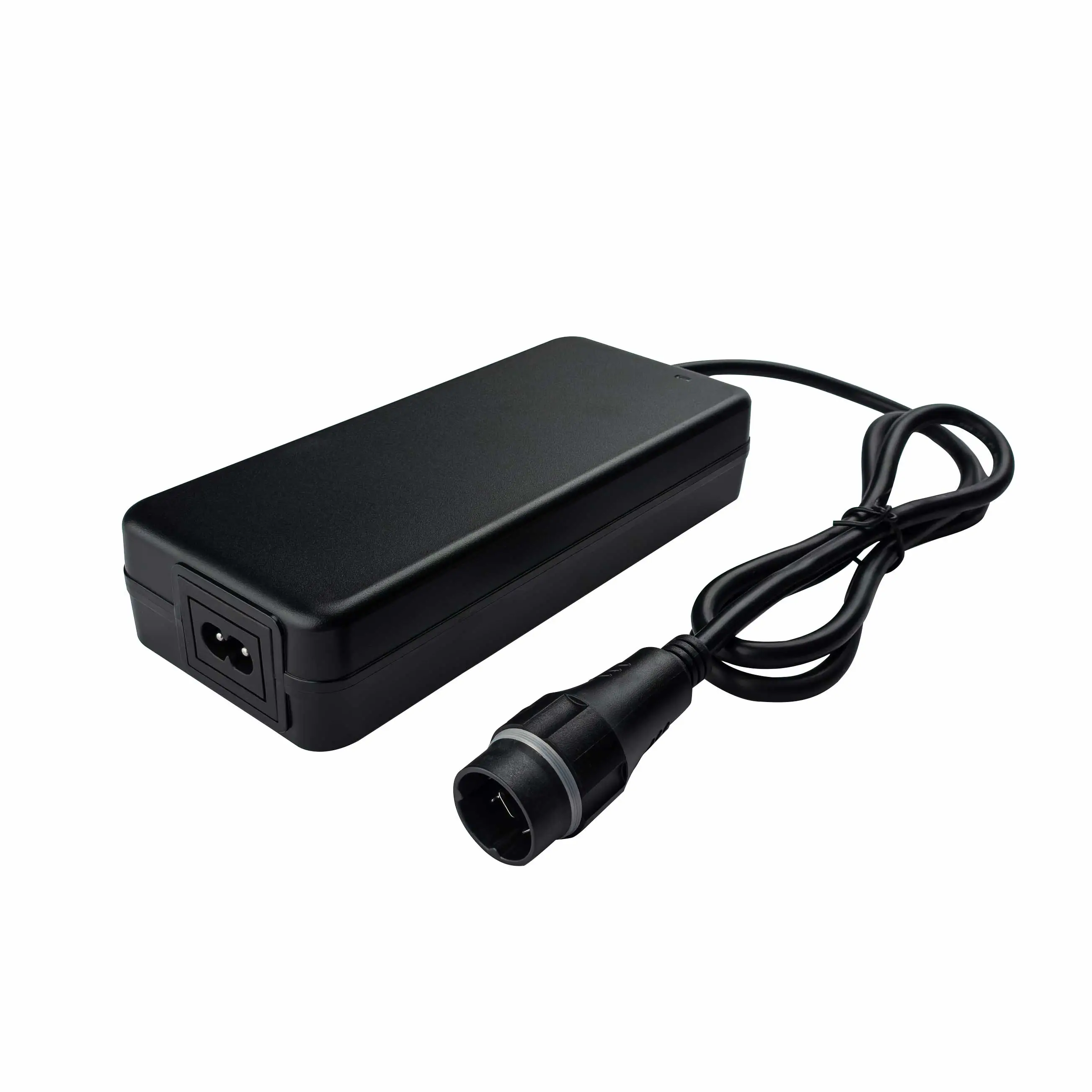
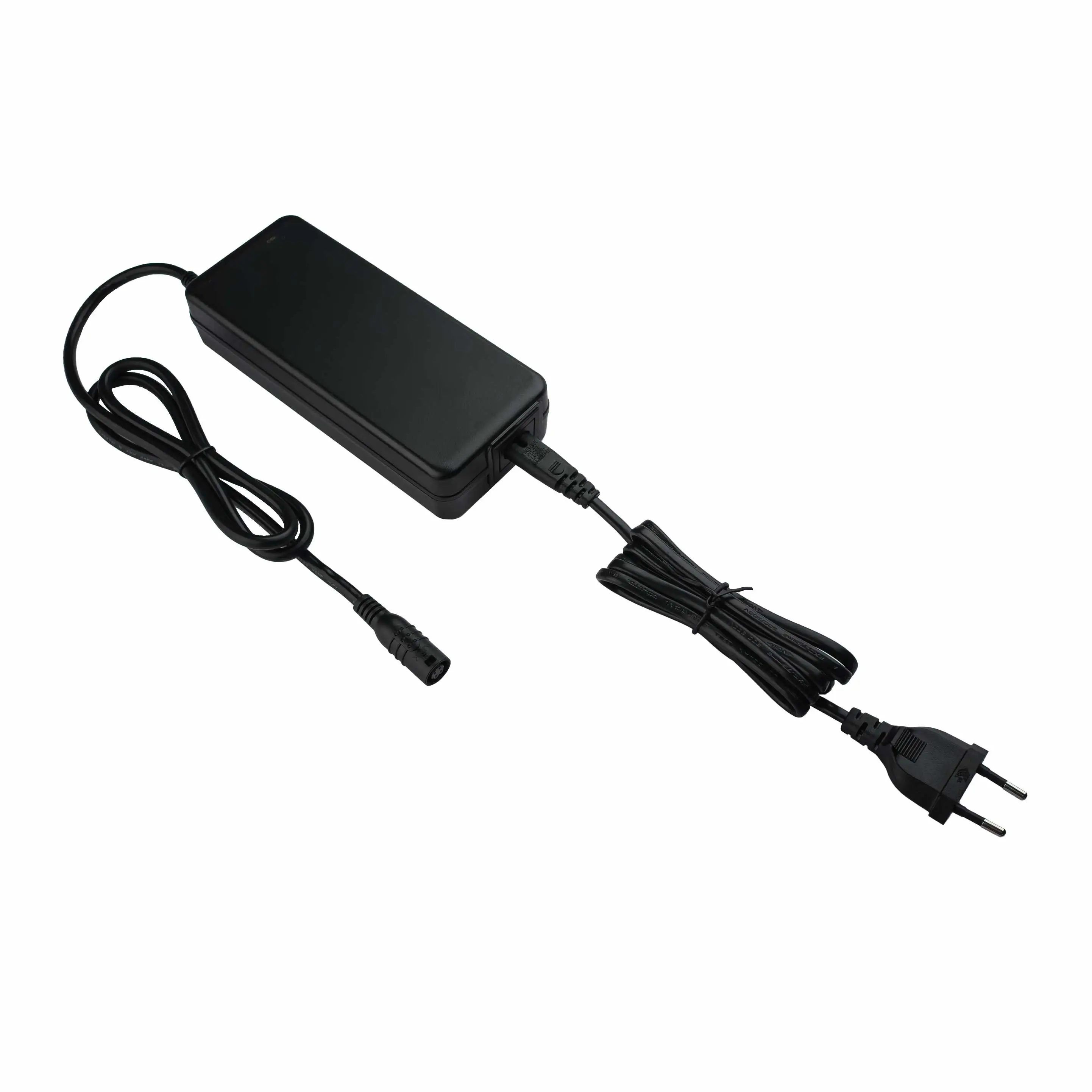
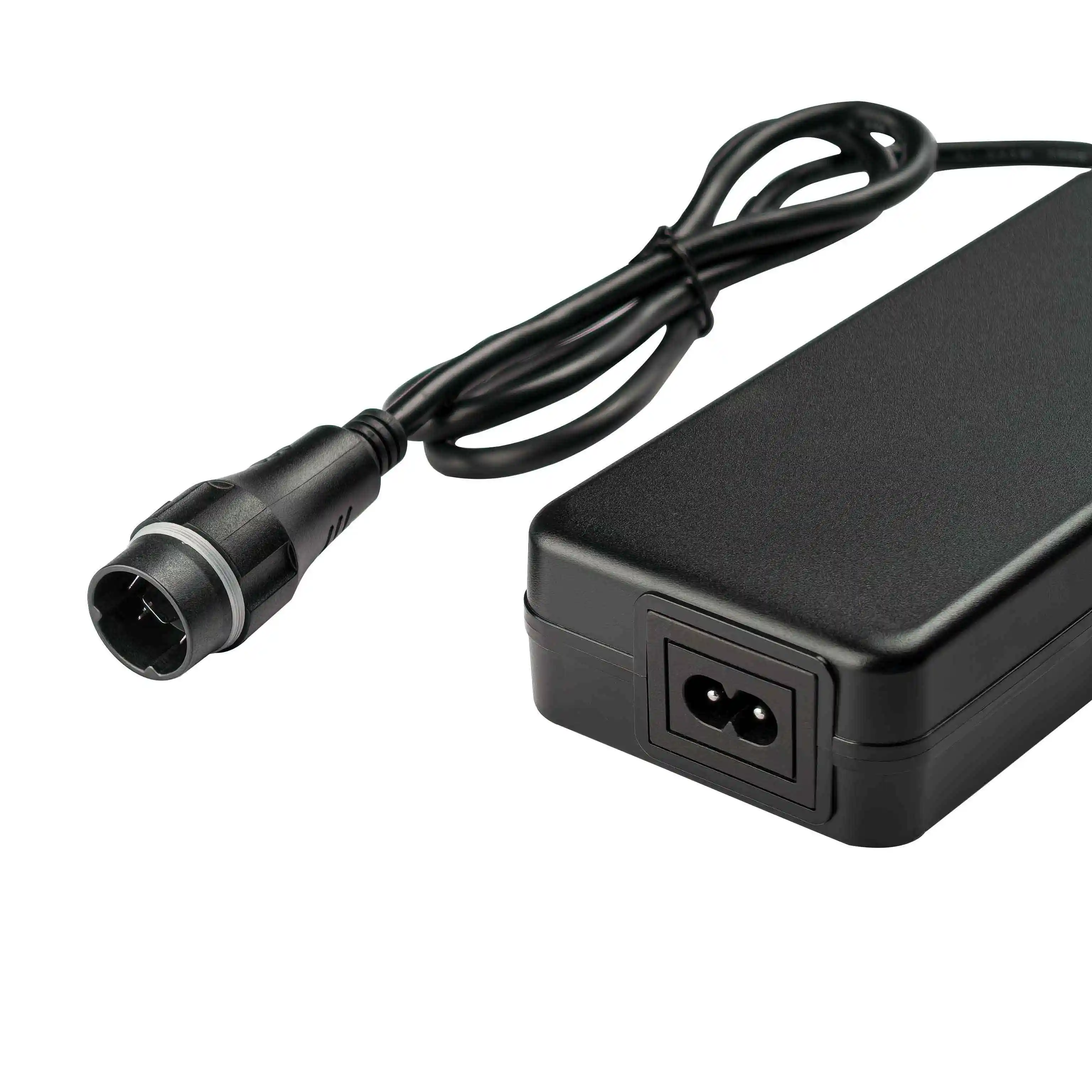
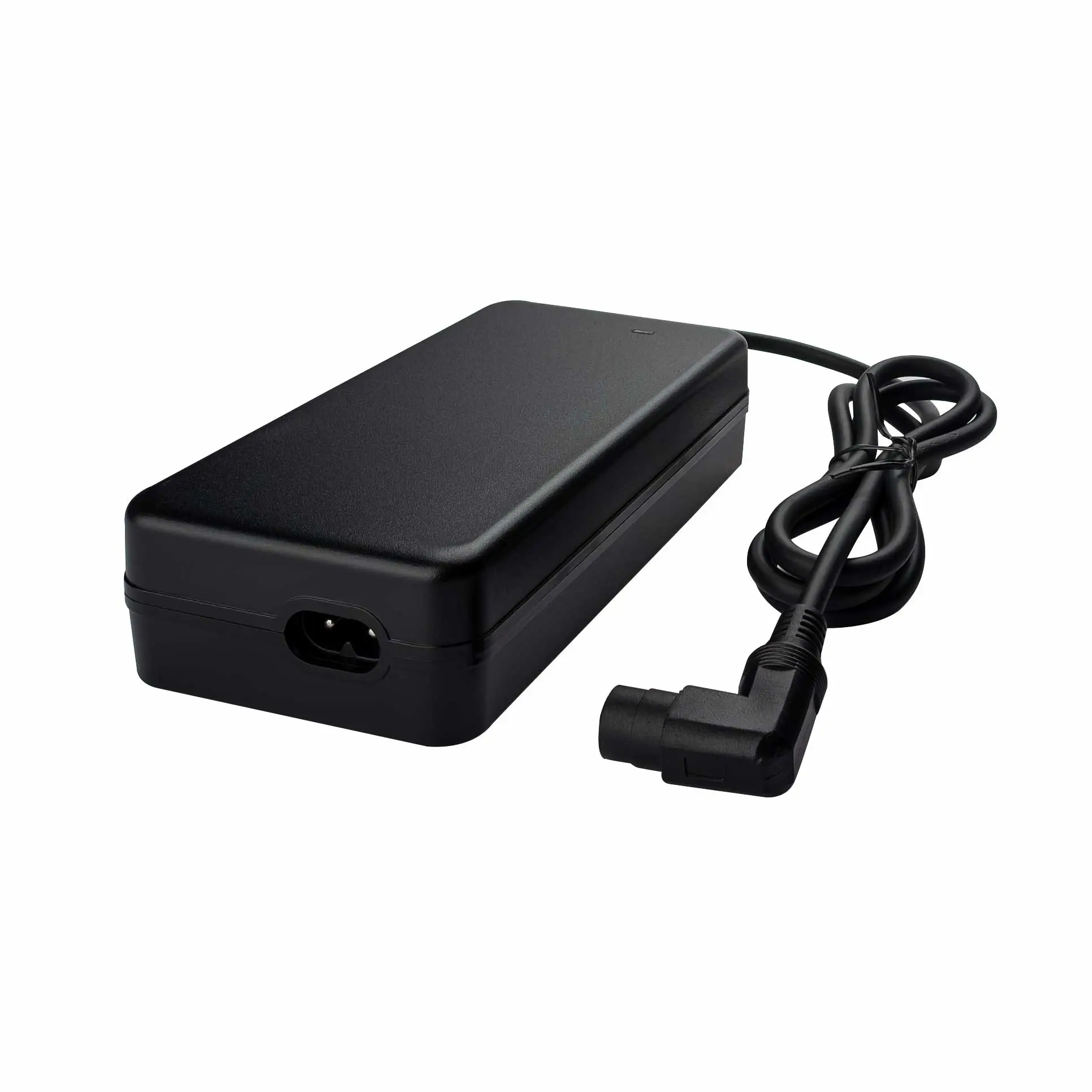
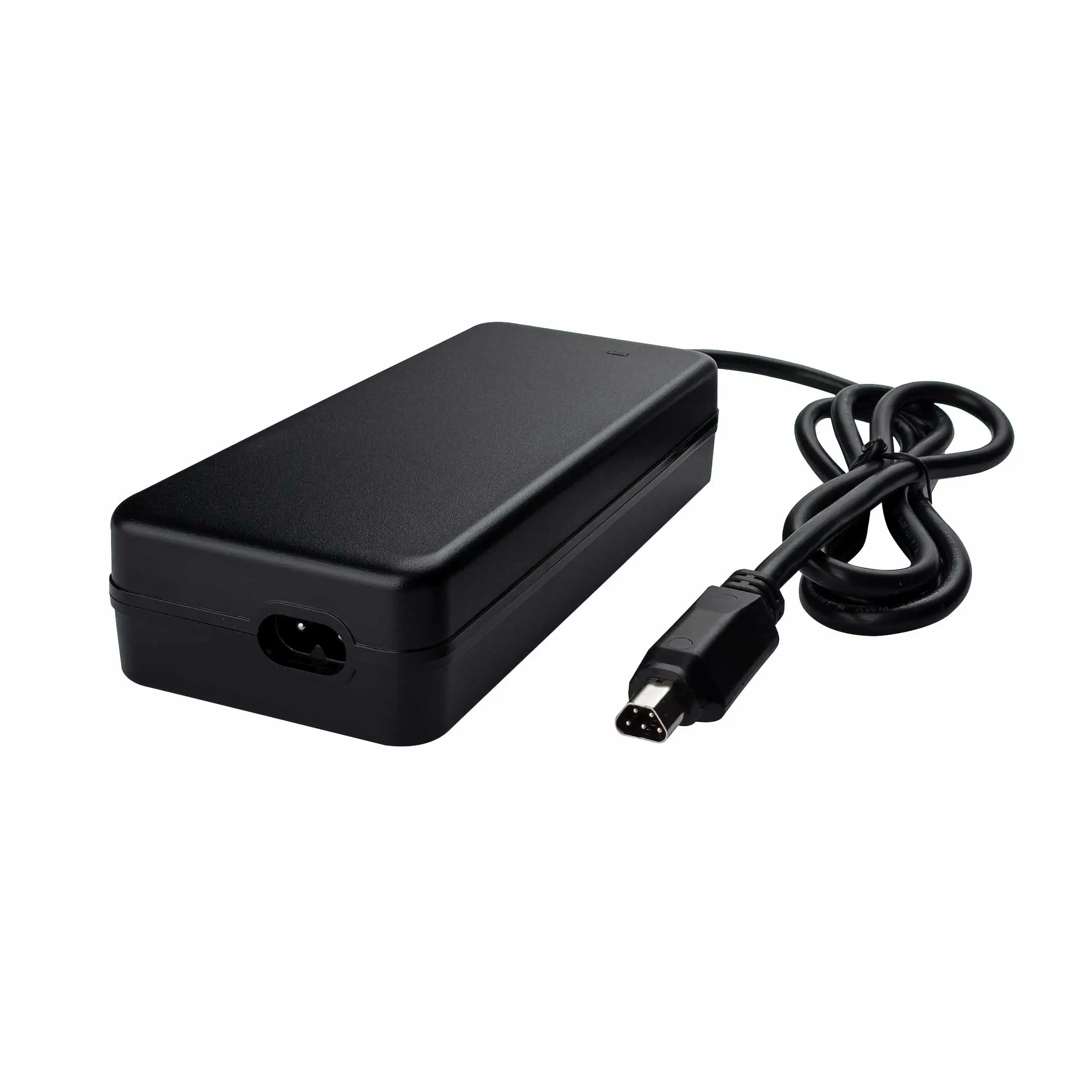
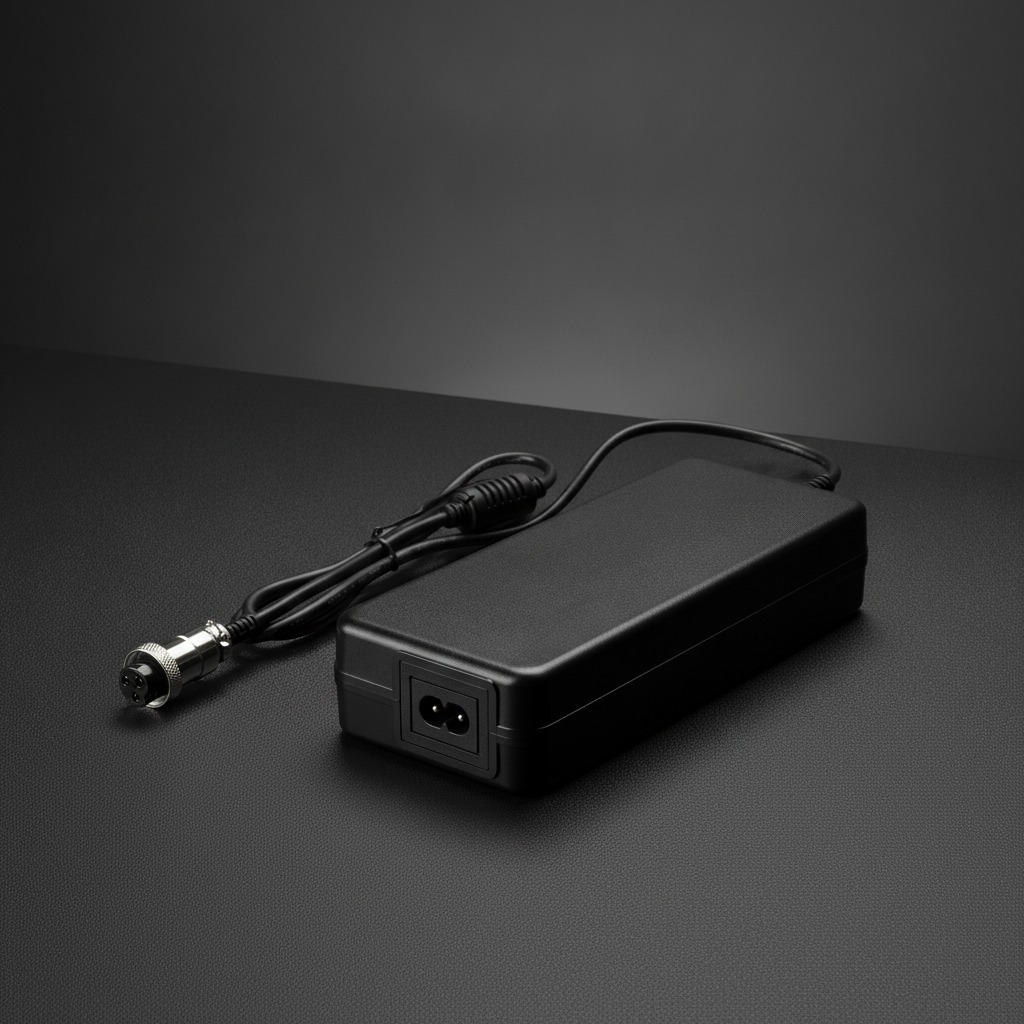
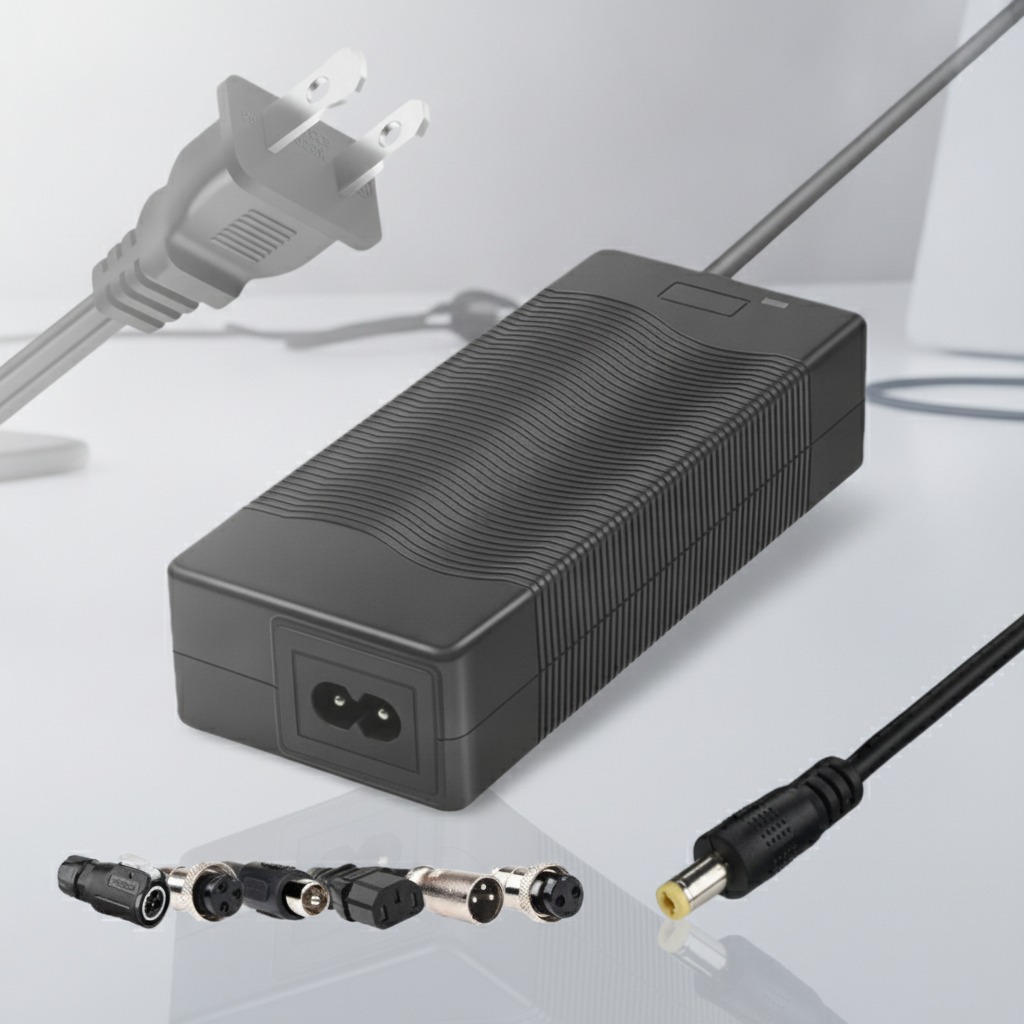
The item described here sits in the broader category of AC/DC power adapters, sometimes called a power brick. It takes wall AC power and converts it into low-voltage DC for electronics. The visible product form is familiar: a black rectangular plastic enclosure, a fixed AC mains cord with a US-style two-prong plug, and a DC output lead with a barrel-style connector on the body. A set of interchangeable DC tips is also shown, which points to a universal adapter style rather than a single-device charger.
Why the physical design matters as much as the rating
In this category, the housing and cabling say a lot about intended use. A molded plastic enclosure with ribbed or vent-like detailing is common in corded power supplies because it balances cost, heat management, and basic durability. The fixed cord format is useful for everyday plug-in use, though it is not always the best choice where field serviceability is important. For sourcing teams, that distinction matters. A corded adapter can be convenient, but if the cable or connector is damaged, replacement usually means swapping the whole unit.
The visible barrel-style output connector also tells you something useful: this is likely meant for devices that accept standard DC input rather than a proprietary charging dock. That opens the door to broad compatibility, but it also creates a familiar purchasing trap. Buyers sometimes focus on the connector shape and ignore the electrical match. In practice, voltage, current, and polarity still decide whether the adapter is usable.
Quick reference: what to verify before you buy
Electrical match
Check the output voltage, current, and polarity against the device label or manual. The image alone does not confirm those values, and they should not be guessed.
Connector fit
Confirm the barrel size or the correct interchangeable tip. Universal tip kits are helpful, but only if the final tip fits securely and makes proper contact.
Application fit
A 72W-class adapter may suit some electronics, but e-bikes and scooters often have their own charging requirements. A buyer should verify whether the product is a true charger for battery systems or a general-purpose DC supply used with a compatible device.
Thermal and service considerations
A compact brick with a corded lead is convenient, but heat buildup, strain relief, and connector retention all matter in day-to-day use. These are the details that become expensive later if ignored.
Universal tip kits: helpful, but not magic
The included image shows a set of interchangeable DC plug tips at the bottom. That is a strong practical selling point because it reduces the number of separate adapters a buyer needs to keep on hand. For OEMs, distributors, and repair counters, a multi-tip kit can simplify inventory and support mixed fleets of devices.
Still, universal is only universal within limits. Tip kits solve mechanical compatibility, not electrical compatibility. I have seen enough procurement mistakes to say this plainly: a connector that fits does not mean the adapter is safe or appropriate. Teams should treat the tip set as a convenience feature, not as proof of broad device compatibility.
How to think about this product in manufacturing terms
From a production standpoint, this kind of power adapter is a combination of molded plastics, cable assembly, connector termination, and internal power-conversion electronics. The visible parts suggest standard assembly steps: enclosure molding, cable routing, crimping or overmolding at strain points, and final fitment of the output connector. That makes it a mature manufacturing category, but not a trivial one.
The weak points are usually predictable. Cable exits can fail under repeated bending. Loose connector tolerances can create intermittent contact. Poor thermal design can shorten service life. None of that is visible in a product photo, which is why serious buyers ask for the missing technical documents instead of relying on appearance.
Common mistakes buyers make
The first mistake is shopping by wattage alone. A “72W” label sounds reassuring, but wattage is only one part of the equation. The device has to accept the adapter’s output voltage and connector type as well.
The second mistake is assuming the included tip set guarantees compatibility with a battery charger application. Some universal adapters are meant for consumer electronics, not for direct battery charging workflows.
The third mistake is overlooking regional plug and mains requirements. This model shows a US-style two-prong AC plug, which matters for deployment outside the US or in mixed-market programs.
Practical buyer advice for sourcing teams
If you are evaluating this kind of adapter for resale, kitting, or internal use, ask for the full electrical specification sheet before placing an order. Confirm whether the adapter is designed for a fixed-output device, a multi-tip electronics kit, or an actual battery charger application. Ask for connector dimensions, cable length, and the exact contents of the package rather than assuming the photographed tips are included.
For engineering and procurement teams, the best decision is usually the boring one: verify the load, verify the connector, verify the mains plug, then compare a few supplier samples side by side. The cheapest unit often becomes the most expensive once returns and support calls begin.
FAQ
Is this the same thing as an e-bike charger?
Not necessarily. The product style suggests a general AC/DC adapter with interchangeable tips. Whether it is suitable for an e-bike or scooter depends on the actual charging requirements of the battery system.
Why include multiple DC tips?
To support more than one connector size and reduce the need for separate power supplies. It is a convenience feature, especially for service environments and mixed-device kits.
What should I request from the supplier?
Ask for output specs, polarity, connector dimensions, package contents, and any available compliance documentation. Do not rely on the photo alone.
Next step
If your team is sourcing a 72W class adapter for an e-bike, scooter, or related DC-powered device, start with the electrical spec sheet and the connector drawings. That is the fastest way to separate a usable power supply from one that only looks right in a product photo.