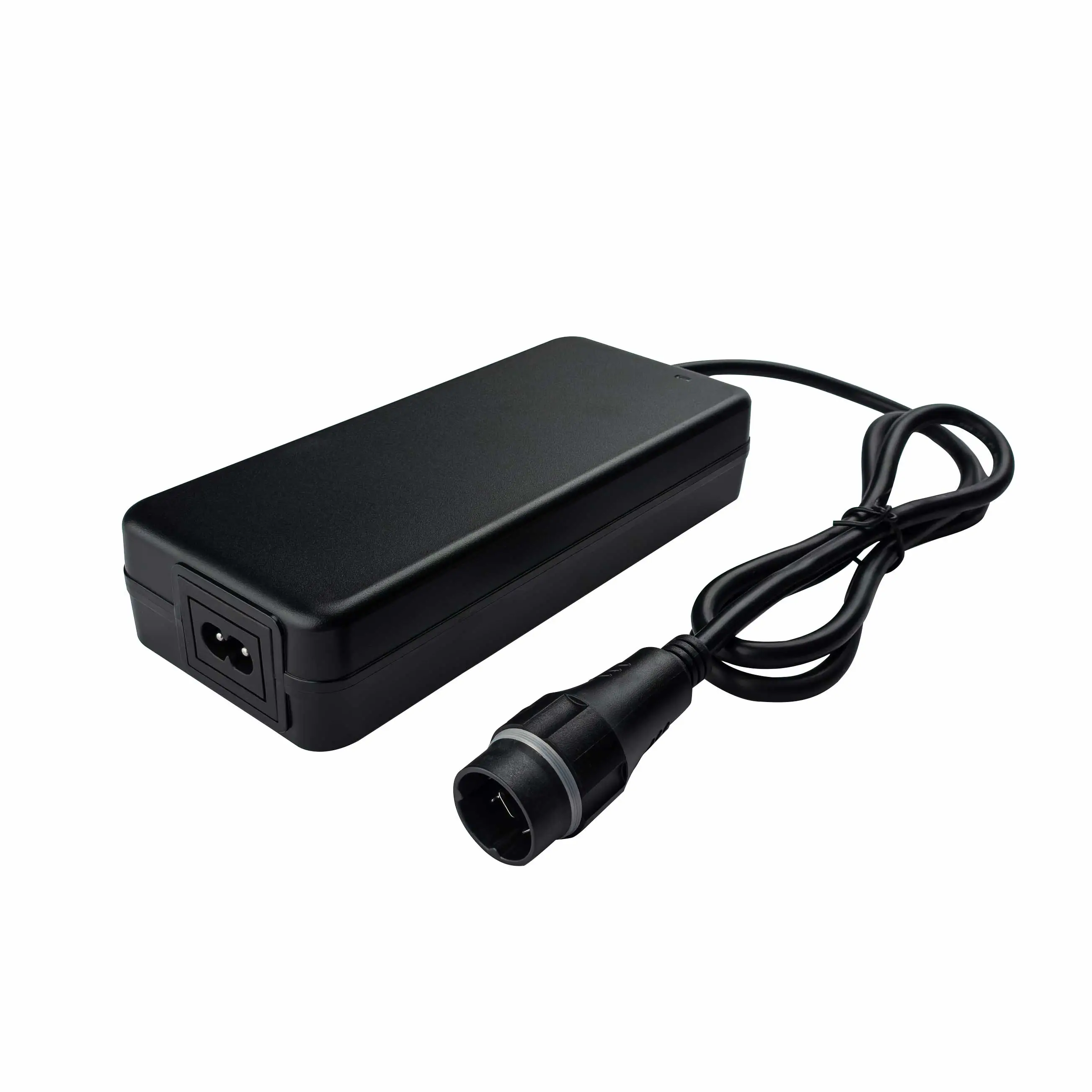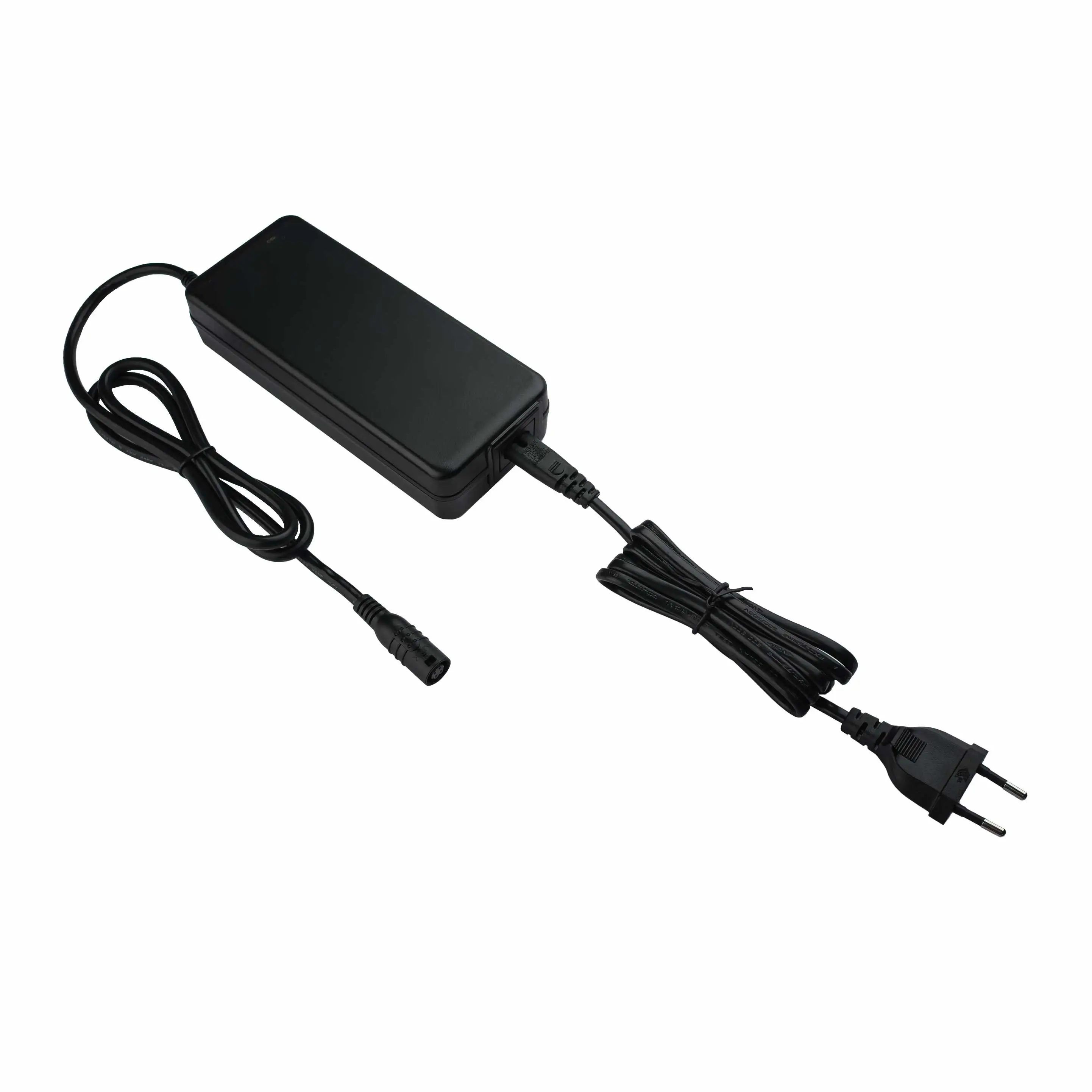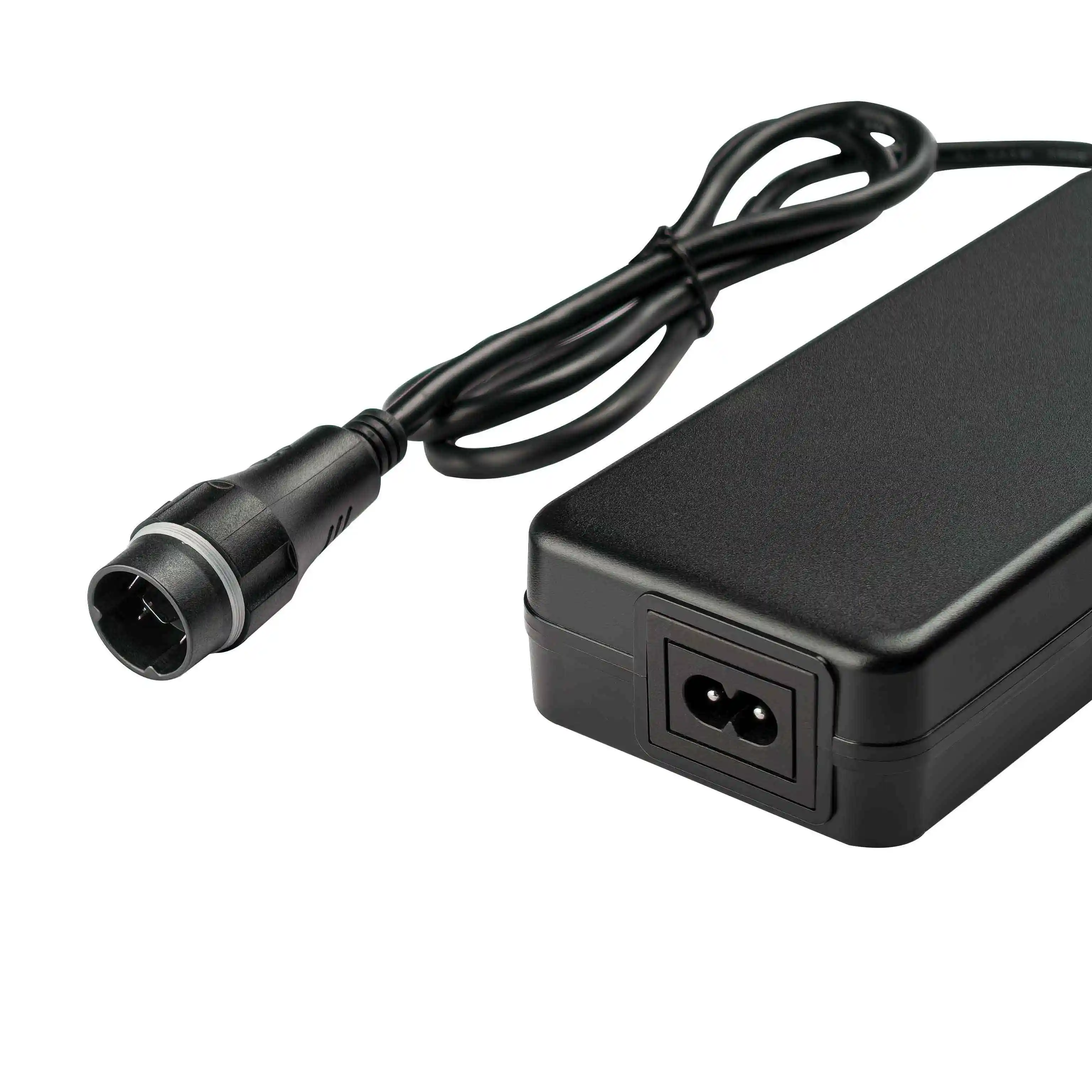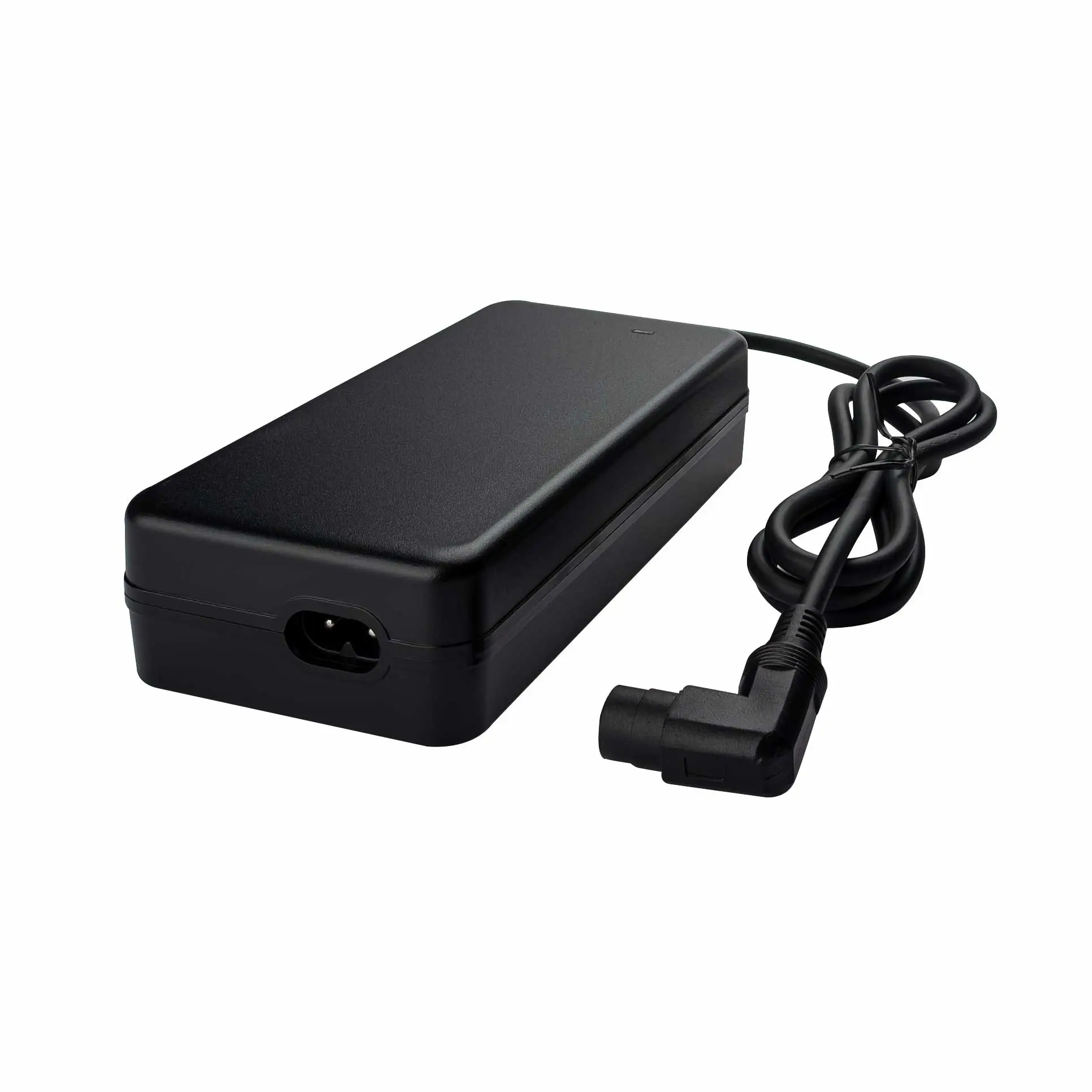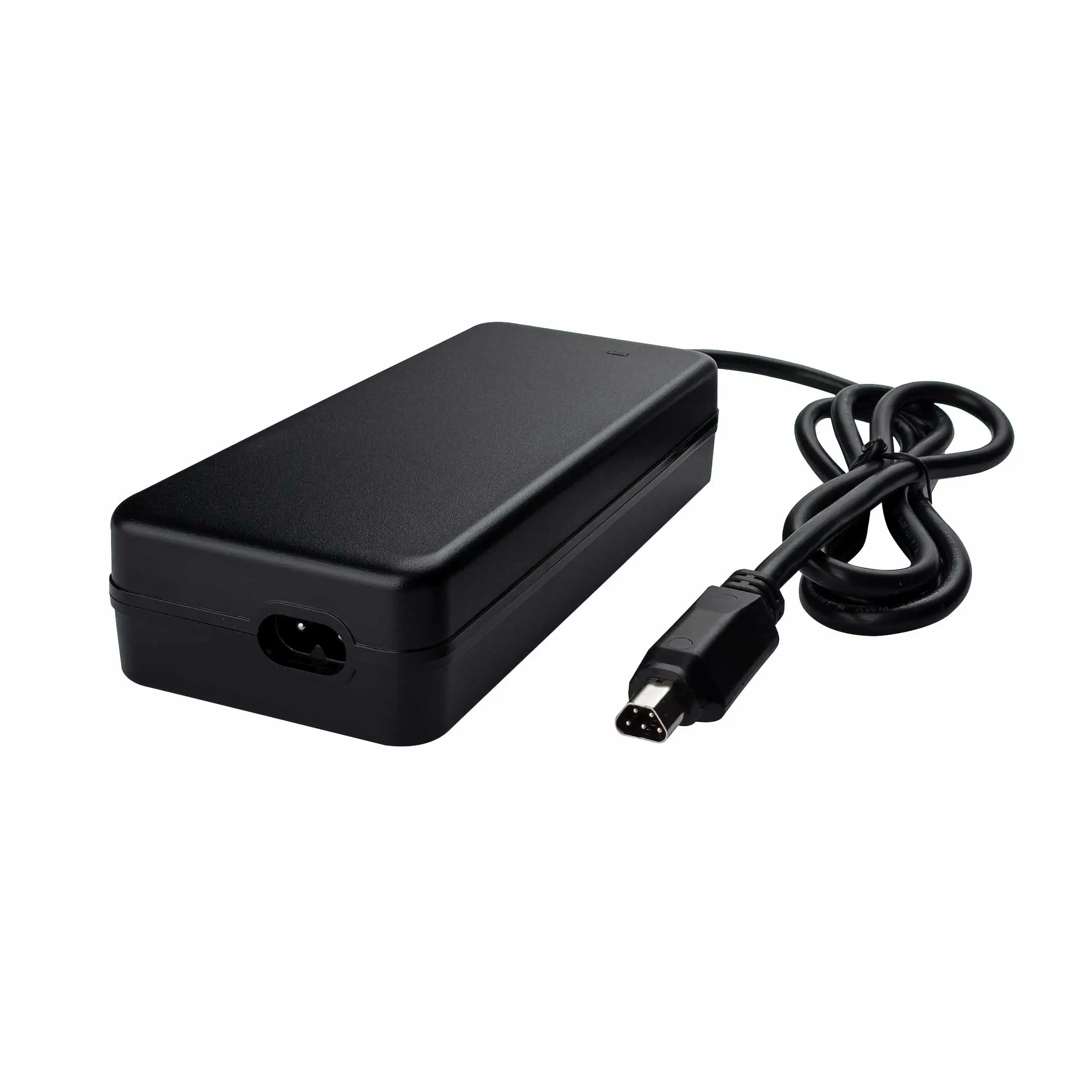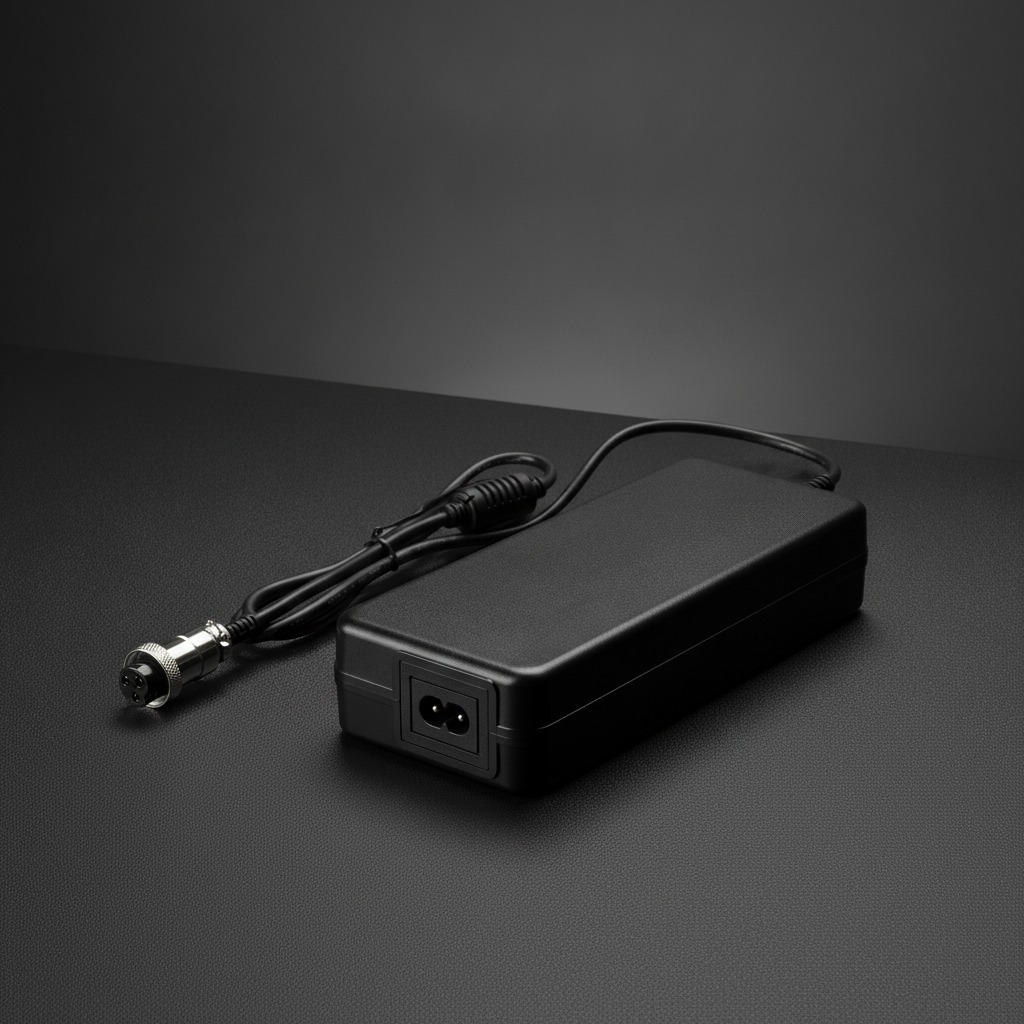

Charger certifications matter in e-bike and e-scooter replacement markets because buyers are responsible for more than getting a charger to turn on. Distributors, repair suppliers, OEM buyers and battery pack brands need chargers with the right voltage, current, connector, plug version, label and documentation for their target market. This guide uses JZX Charger product directions such as the 450W IP65 Waterproof Battery Charger 12V-48V to explain how certification discussions should be handled honestly for Europe, the USA, the UK, Germany, France and the Netherlands.
The practical answer is not to ask for every mark on every charger. Instead, ask which documents are available for the exact model, voltage, plug and configuration you plan to buy. CE, FCC, RoHS, UKCA, UL, GS and BS terms can be important, but they must be supported by real documents and correct label usage. False or mismatched claims create risk for both buyer and supplier.
Certification Is Part of Product Matching
Many replacement charger buyers focus on voltage and connector first, which is correct, but documentation should be checked before a bulk order is finalized. A charger may match the battery technically but still be unsuitable for a specific sales channel if the buyer cannot provide documents requested by a marketplace, distributor, retailer or service network. This is especially relevant for e-bike and e-scooter replacement chargers sold across multiple countries.
For Europe, buyers often ask about CE and RoHS. For the UK, UKCA may be relevant. For the USA, FCC or UL-related requirements may be part of the discussion depending on product type and sales channel. GS or BS may appear in some buyer requirements. The key point is that the requirement should be tied to the real charger model, not used as a generic marketing line.
JZX Charger product pages include different charger directions such as compact 42V replacements, 3-pin XLR lithium chargers, 300W e-bike and scooter chargers, 500W battery chargers and IP65 waterproof options. Documentation needs can differ across these products, so buyers should confirm model-specific details.
Why False Certification Claims Are Bad for Wholesale Buyers
False certification claims may create immediate selling problems. A distributor may be asked for documents during marketplace review, customs checks, retailer onboarding or after-sales investigation. If the charger label shows a mark that is not supported by the correct document, the buyer may need to stop sales, relabel stock or handle returns. This is why honest wording is better than broad claims.
For replacement markets, the problem is even more practical. Repair shops and wholesalers deal with many charger models, connectors and battery types. Clear and accurate labels help technicians choose the correct charger. Overloaded labels with unsupported marks can reduce trust and increase questions from professional buyers.
Ask for Documents Before Label Approval
Before approving a private label or OEM logo, ask which certification documents apply to the exact product. Confirm model number, input voltage, output voltage, current, plug type and any housing or waterproof rating. The label should reflect what is supported. This protects the buyer when selling to Europe, the USA, the UK and other regulated channels.
Plug Versions and Regional Requirements
EU plug, UK plug and US plug versions may look like a small ordering detail, but they affect user experience, label planning and documentation. A charger intended for Germany, France or the Netherlands may be packed differently from one intended for the UK or USA. If one bulk order is split across several markets, each market should be listed with plug type and quantity.
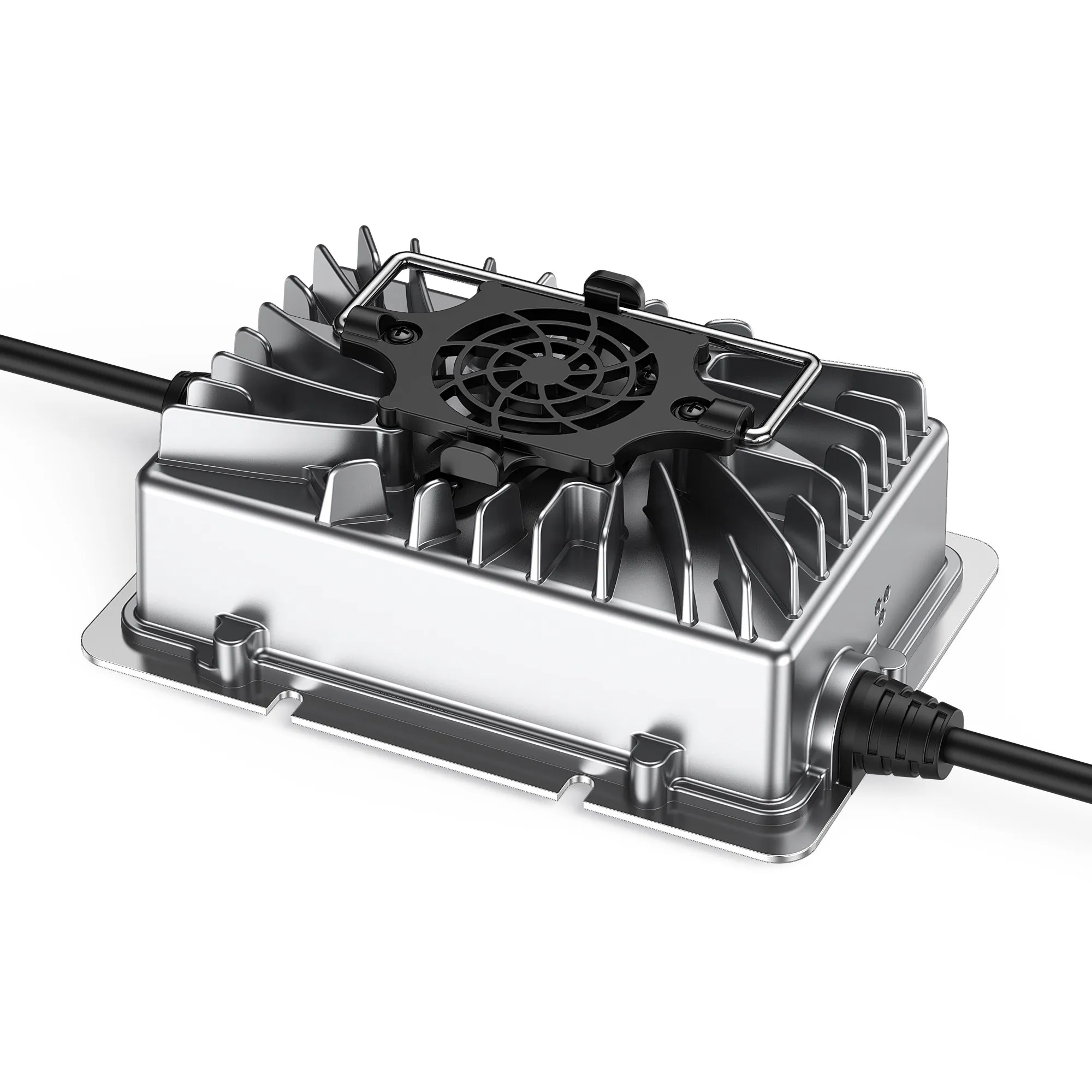
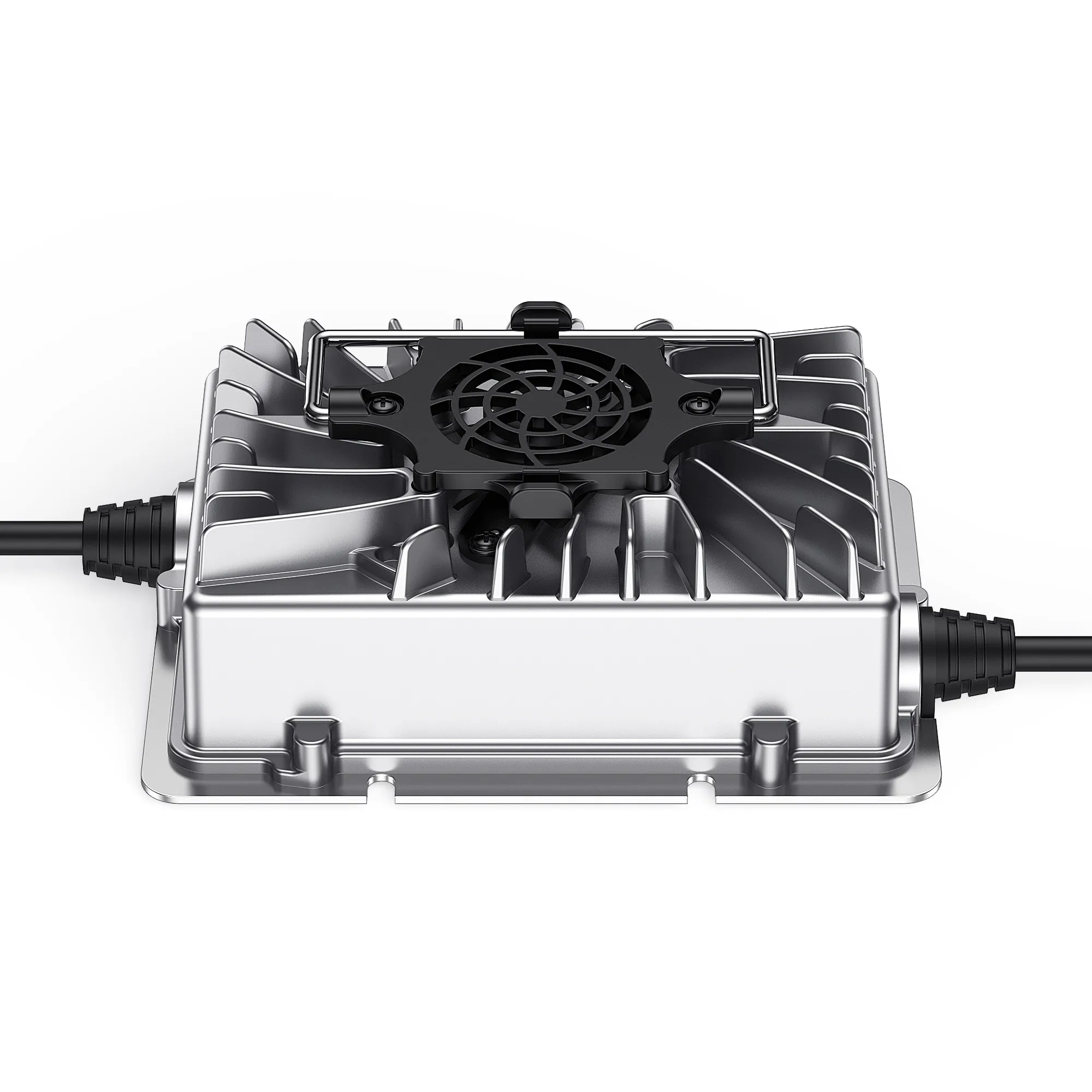
For IP-rated or higher-power chargers, buyers should also consider the real use environment. Waterproof or outdoor-adjacent applications may need stronger housing, cable protection and clearer instructions. A product direction such as a 450W IP65 charger can be relevant for demanding battery applications, but the buyer should still confirm whether it fits the intended equipment and charging location.
Certification Checks for OEM and Aftermarket Replacement
OEM buyers and aftermarket distributors have different risk points. OEM buyers need the charger to match a battery pack, brand label, packaging and launch schedule. Aftermarket distributors need the charger to be easy to identify, easy to sell and easy to support across mixed customer requests. Both groups benefit from clear documentation and honest label language.
A practical approval checklist includes battery chemistry, output voltage, output current, connector type, polarity, AC plug, market, label draft, packaging draft, requested documents and bulk order quantity. If the charger is part of a broader product lineup, compare related JZX Charger options such as the 42V 2A Bosch-compatible replacement charger, 54.6V 3-pin XLR charger and 500W 12V-72V battery charger.
FAQ
Which charger certifications do buyers commonly ask about?
Common terms include CE, FCC, RoHS, UKCA, UL, GS and BS, but requirements depend on the exact product and target market.
Can a supplier print all certification marks on the label?
No. Marks should only be printed when supported by documents for the exact charger model and configuration.
Why does plug type affect certification planning?
EU, UK and US plug versions may involve different cables, labels, packaging and documentation expectations.
Do replacement chargers need documentation?
Professional buyers often need documents for marketplace checks, distributor onboarding, retailer review or compliance files.
What should I send when asking about certified chargers?
Send voltage, current, battery type, connector, plug market, quantity, target country and any specific document requests.
Request a Quote
For charger replacement or OEM sourcing, send JZX Charger your specification, connector photos, plug market and documentation requirements through the contact page. Ask for bulk order pricing only after the voltage, current, connector and document needs are clear.
How to Discuss Certification Without Overclaiming
Professional buyers should ask direct questions: which documents are available, which model number do they cover, which plug version is included, and whether the label can use the requested marks. If a supplier cannot confirm these details, do not build marketing copy around those certifications. Honest wording may look less dramatic, but it protects the buyer when a retailer, marketplace or distributor asks for proof.
For e-bike charger and e-scooter charger replacement markets, the safest approach is to write product pages around confirmed specifications: voltage, current, connector, plug, battery type and application. Certification terms can be included when they are supported, but they should not replace technical matching. A charger with good documents is still the wrong charger if the connector or voltage does not fit the battery.
Documentation Checklist for Wholesale and OEM Orders
Before bulk ordering, prepare a documentation checklist with product model, output voltage, output current, AC input, plug type, target country, packaging version, label artwork and requested documents. For OEM projects, this checklist should be reviewed before the final label is printed. For aftermarket distributors, it should be stored with the product record so sales staff can answer customer questions quickly.
If you are ordering IP65 or higher-power charger directions, also confirm whether the housing, cable and intended use match the application. Do not assume that waterproof wording applies to every installation environment. The charger should be selected for the real use case, then documented accurately for the sales channel.
Buyer Search Notes for charger certifications
For SEO and buyer clarity, this article uses the search phrase “charger certifications” in the same way a professional sourcing team would use it when comparing chargers. Buyers searching for charger certifications should still confirm voltage, current, connector type, polarity, EU / US / UK plug version, documentation and packaging before ordering. If your team plans a bulk order for charger certifications, send JZX Charger the battery label, old charger label, connector photos and target market so the specification can be checked before quotation.