
Choosing a compatible Bosch e-bike charger without guessing
Buying a compatible Bosch e-bike charger sounds straightforward until you are standing in front of a rack of nearly identical power bricks. The casing may look familiar, the plug may seem close enough, and yet a small mismatch in voltage, connector, or charging logic can leave a rider with a dead battery and a returned part. For sourcing managers, repair shops, and fleet operators, the real job is not just finding a charger that fits in the box. It is making sure the charger matches the battery system, the connector style, and the charging expectations of the bike it supports.
This matters because e-bike charging is one of those areas where “close enough” is not a useful standard. A charger that is meant for a different battery chemistry or output profile may charge slowly, stop early, or fail outright. If you are comparing a Bosch battery charger 42V 2A against other options, the first step is always to confirm what the bike and battery actually require, not what the label seems to suggest at a glance.
What the market usually means by a 42V charger
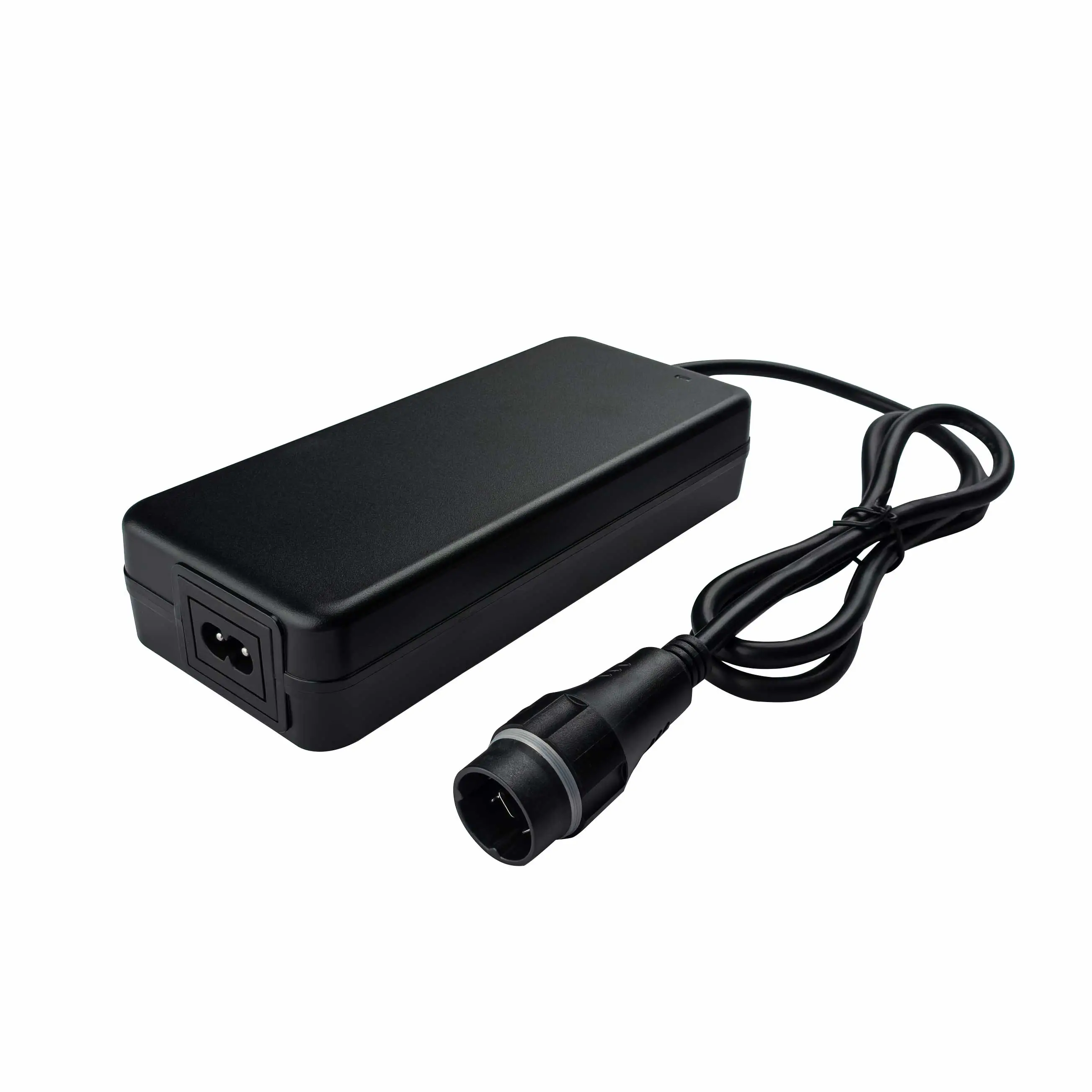
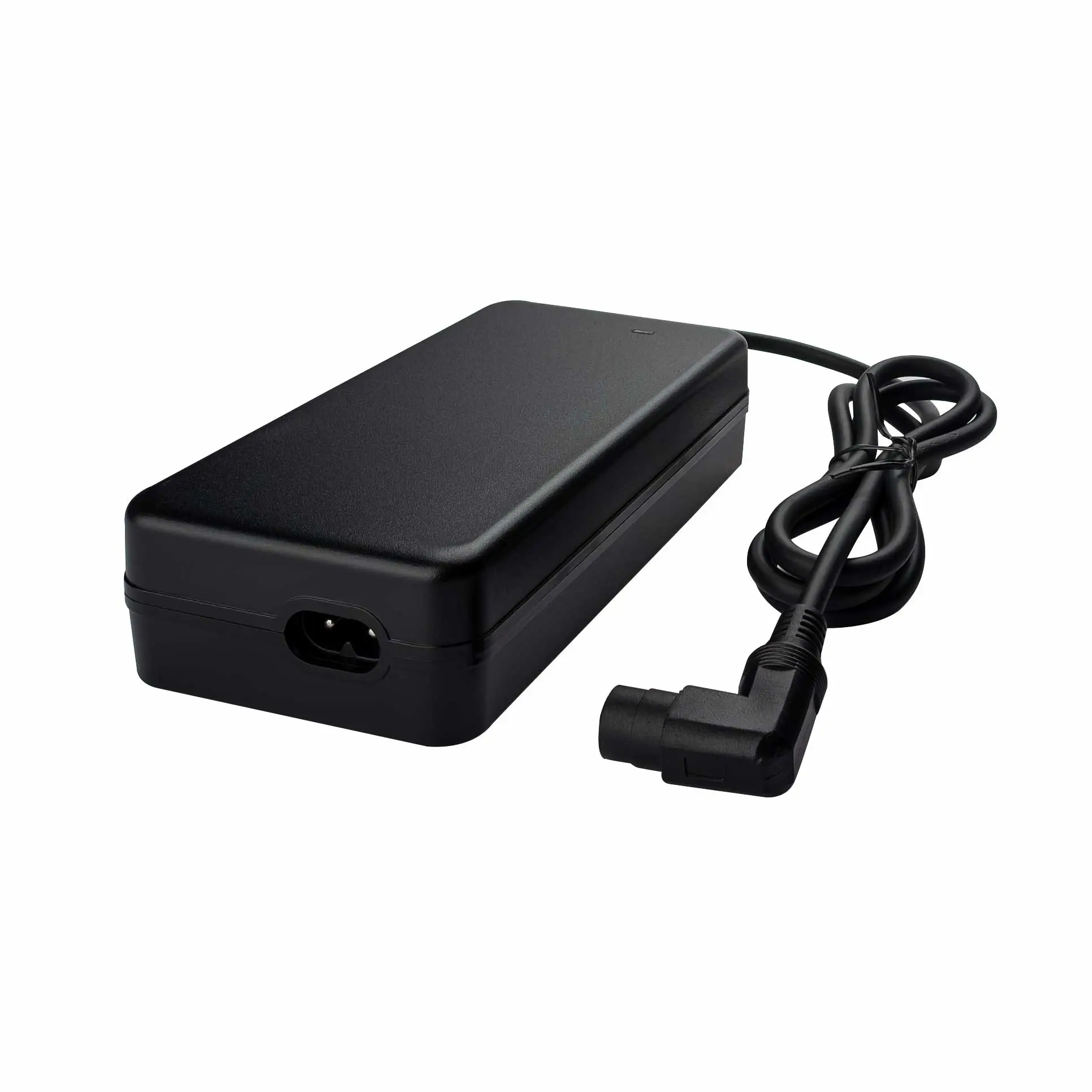
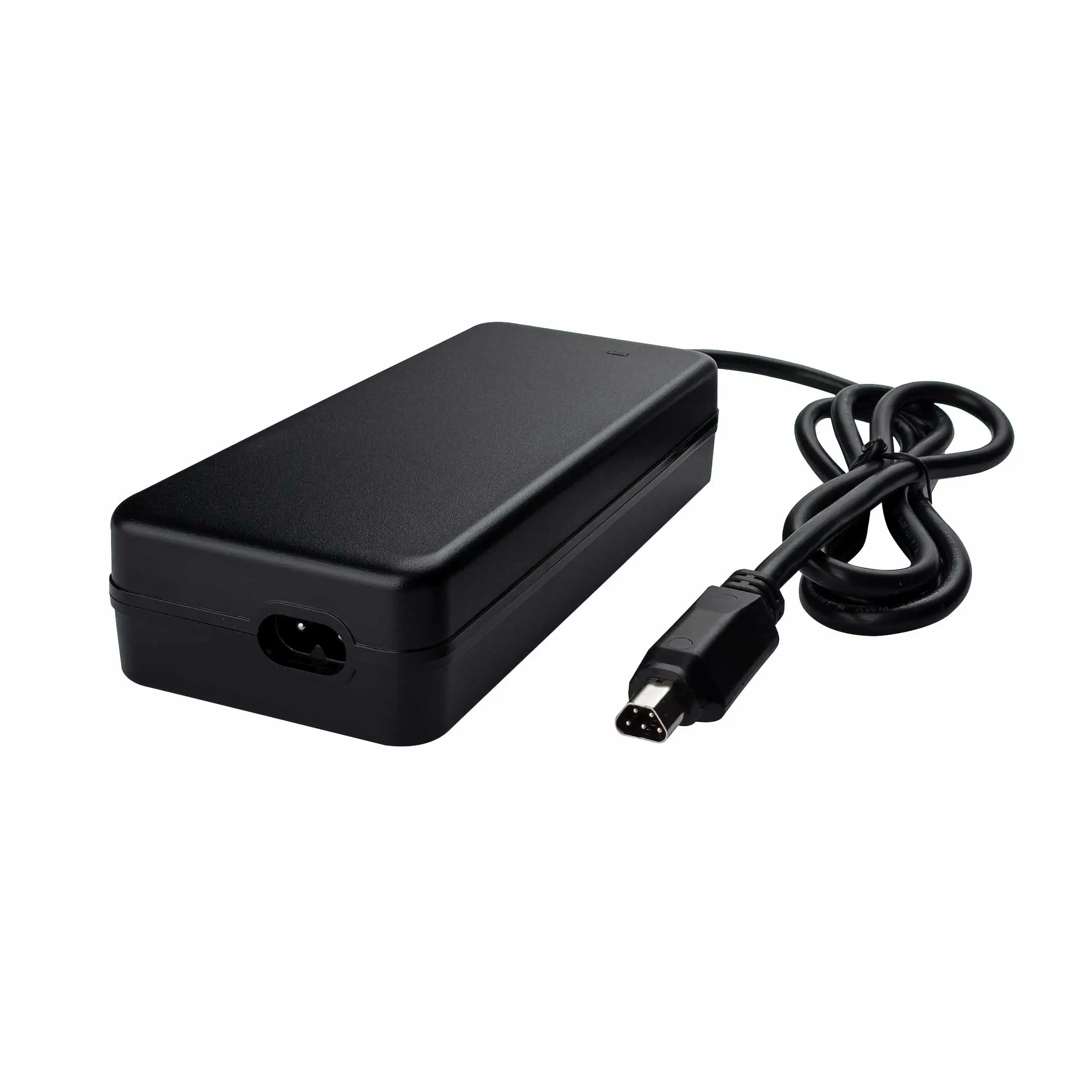
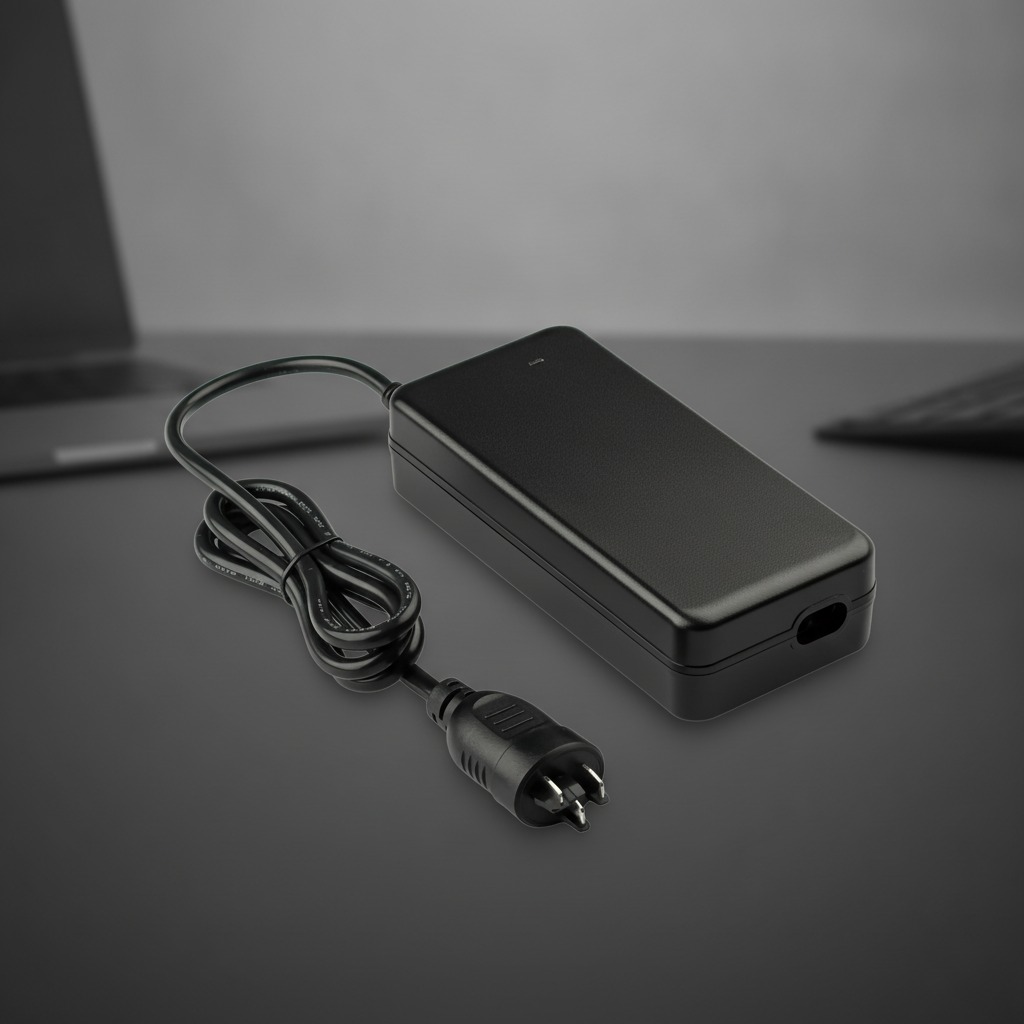
In retail listings, terms like 42V lithium battery charger, e-bike battery charger 42V 2A, and 42V 2A smart charger are often used to describe compact external adapters that convert wall power into a controlled DC output for lithium battery packs. The visible product style in this category is usually a black molded enclosure, rectangular with rounded corners, built as a clamshell housing with an attached cable. That kind of construction is common because it keeps the electronics protected and makes the unit easy to ship as a ready-to-use assembly.
One caution: the label on the listing is not enough by itself. “42V” is a meaningful number, but it does not tell you connector compatibility, polarity, or whether the charger’s internal charging profile fits the battery management system. Those details are what separate a safe replacement from an expensive mistake.
Quick reference: what to check before you buy
Battery system match
Start with the bike battery’s required charging voltage and connector format. Bosch systems have their own ecosystem, so a generic 2A electric bike charger may not be suitable unless it is specifically made for the same interface and charging specification.
Connector type
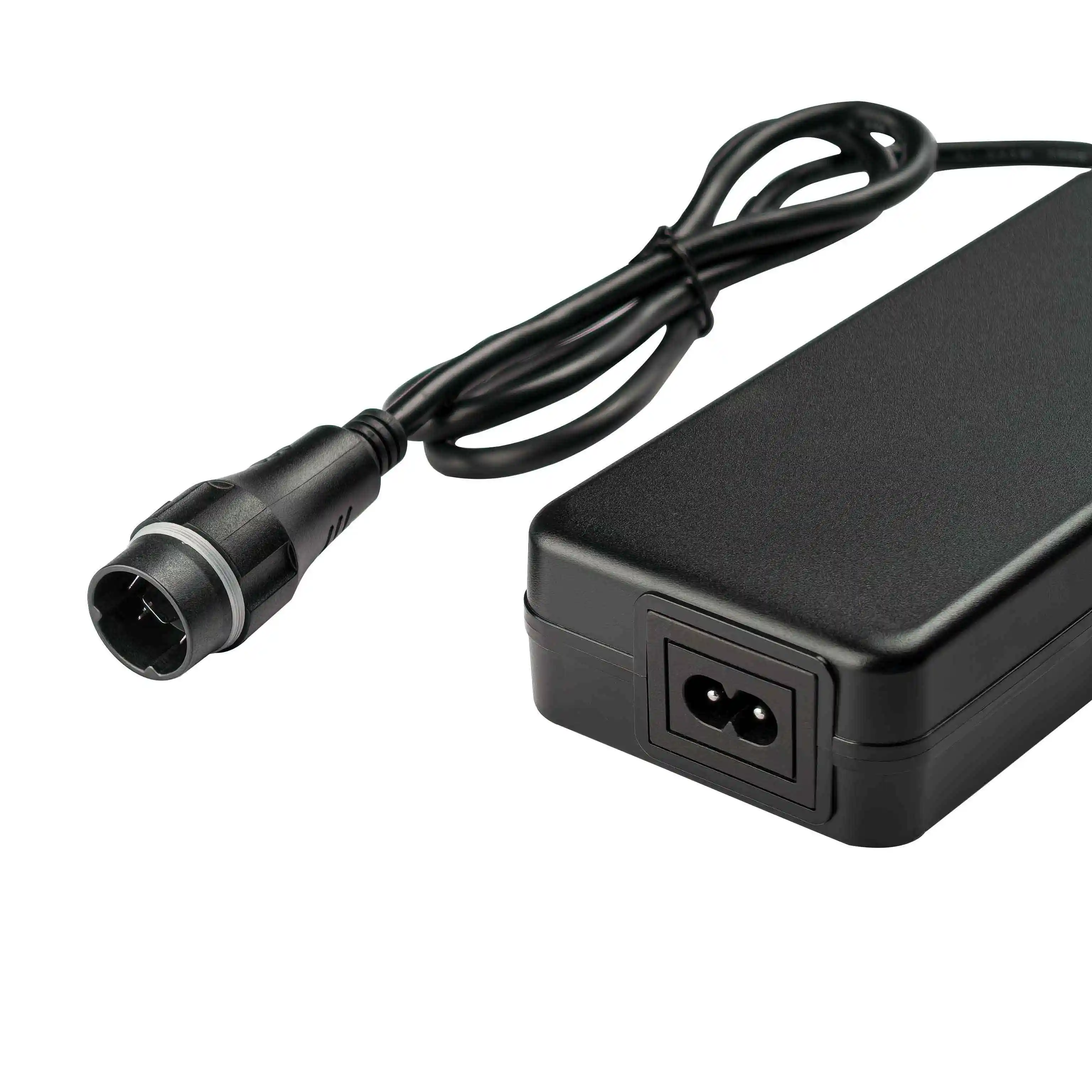
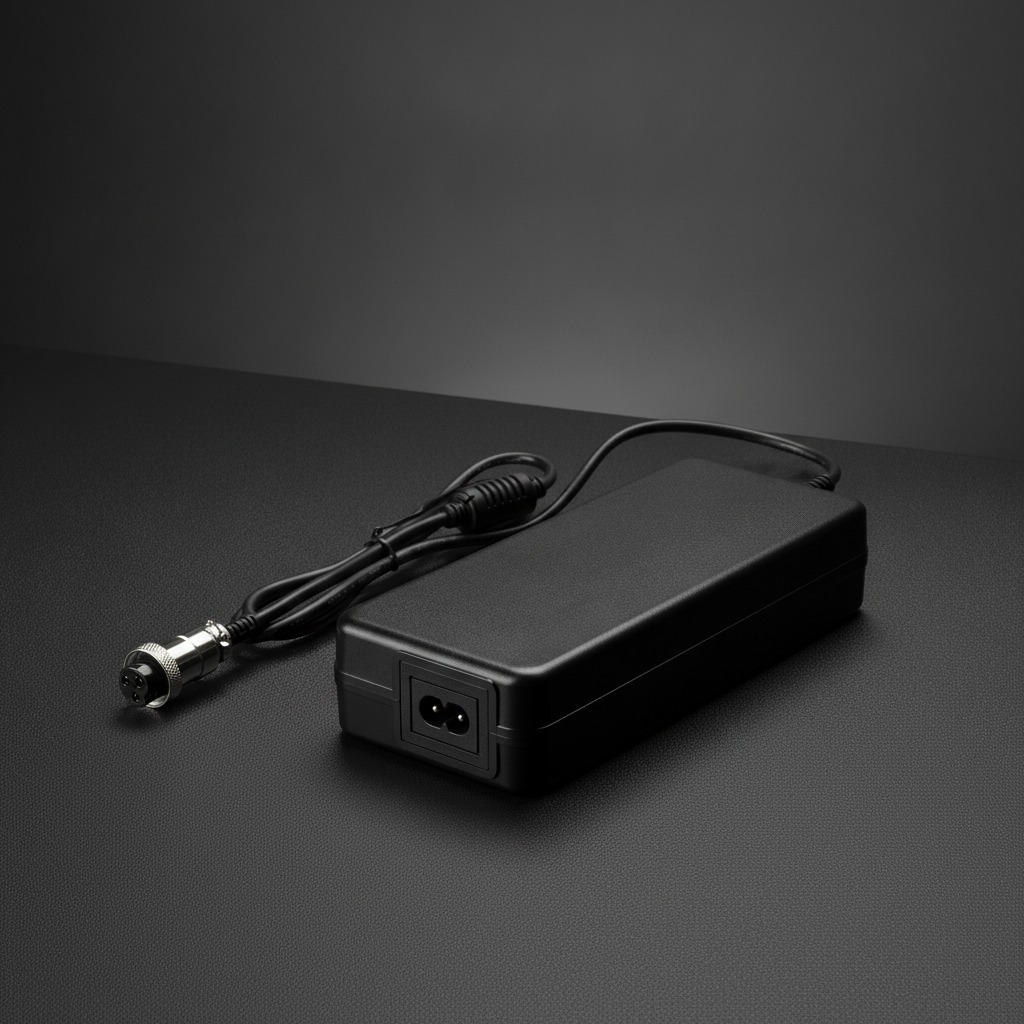
The plug is not a detail to leave for later. Barrel-style DC connectors, round proprietary connectors, and other variants can look similar in photos, especially when the cable is coiled. If the connector is wrong, the charger is effectively useless even if the electrical output is correct.
Current rating
A 2A output is commonly viewed as a moderate charging rate for smaller battery packs or for users who do not mind a longer charge cycle. It is not automatically better or worse than a higher-current unit. The right choice depends on the battery’s design and the charging window you need to support.
Why the housing and cable details still matter
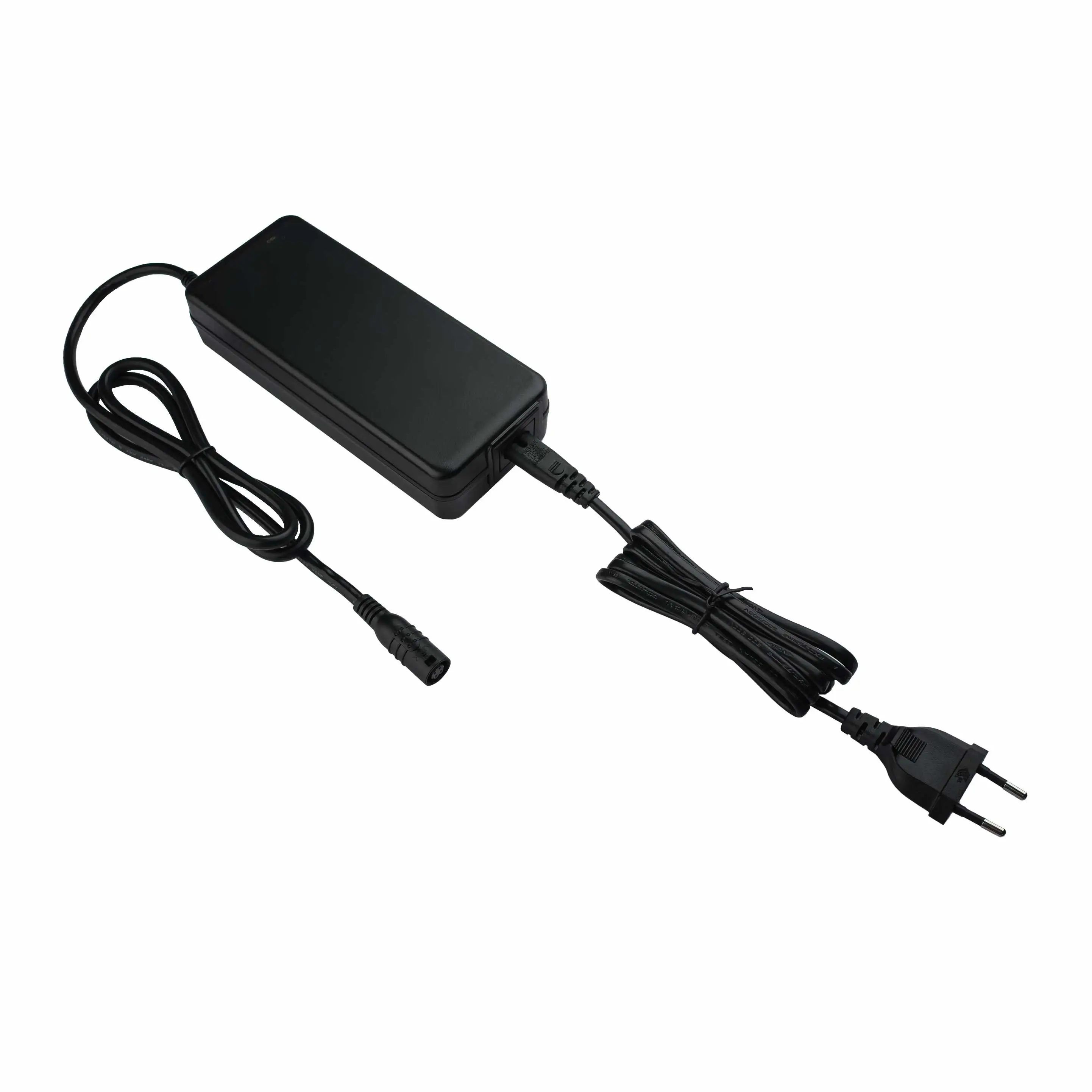
From a manufacturing perspective, the black plastic rectangular enclosure tells you a few practical things. It is likely an assembled power supply built around molded housing, internal strain relief, and an integrated mains cord. That is useful for durability and handling. For buyers, it also means fewer loose parts and less field assembly, which is one reason these units are popular as OEM replacements and aftermarket spares.
The visible cable management also matters in service environments. A permanently attached cord reduces the chance of misplacing the input lead, but it can create inventory headaches if the wrong regional plug is supplied. If you are sourcing internationally, verify the mains plug standard separately. A 2-prong US-style plug may be perfect for one market and completely wrong for another.
Common buying mistakes
The most common mistake is assuming that a charger for a Bosch battery is universally interchangeable across all Bosch e-bike models. It usually is not that simple. Another frequent problem is reading only the output voltage and ignoring connector geometry. In the field, that is enough to create a failed installation or a return that costs more to process than the product margin.
Buyers also sometimes over-focus on “smart charger” language without checking what the smart function actually does. In some products, that may mean basic charge management and status indication; in others, it may mean compatibility logic or thermal safeguards. The phrase sounds reassuring, but it is not a technical specification by itself.
Practical advice for sourcing teams and service counters
If you are stocking chargers for repair use, keep a short approval checklist: battery model, connector type, output voltage, current rating, and plug region. If any one of those is unknown, pause before ordering in volume. A sample unit is cheaper than a pallet of returns.
For end users replacing a lost adapter, the safest approach is to match the original charger’s label and connector shape exactly. When the old charger is missing, check the battery documentation or the bike manufacturer’s support materials rather than guessing from online photos. Photos are helpful, but they are not a substitute for a spec sheet.
FAQ: the questions buyers ask most
Is a 42V lithium battery charger always suitable for Bosch e-bikes?
Not always. The charger must match the battery’s charging requirements and connector interface.
Does a 2A electric bike charger charge more slowly?
Usually, yes, compared with higher-current chargers, but slower is not necessarily a disadvantage. For some users, it is a perfectly reasonable tradeoff.
Can I choose by appearance alone?
No. The rectangular black adapter style is common across many products, so visual similarity is not enough.
Next step for buyers
If you are evaluating a compatible Bosch e-bike charger for resale, service, or replacement inventory, start with the battery label and connector photos, then confirm the electrical rating against the charger listing. If the data is incomplete, ask for it before ordering. That small delay is usually cheaper than a warehouse full of almost-right chargers.