
What a Yamaha E-Bike Charger Buyer Really Needs to Confirm
Choosing a Yamaha E-Bike Charger is less about grabbing the nearest replacement and more about matching the charger to the battery system already on the bike. That sounds obvious, but in the field it is where many avoidable mistakes happen. A charger that looks similar can still differ in voltage, current, connector shape, and charging logic. For engineers, sourcing managers, and service teams, the practical question is not “does it plug in?” but “will it charge safely, consistently, and without creating support problems later?”
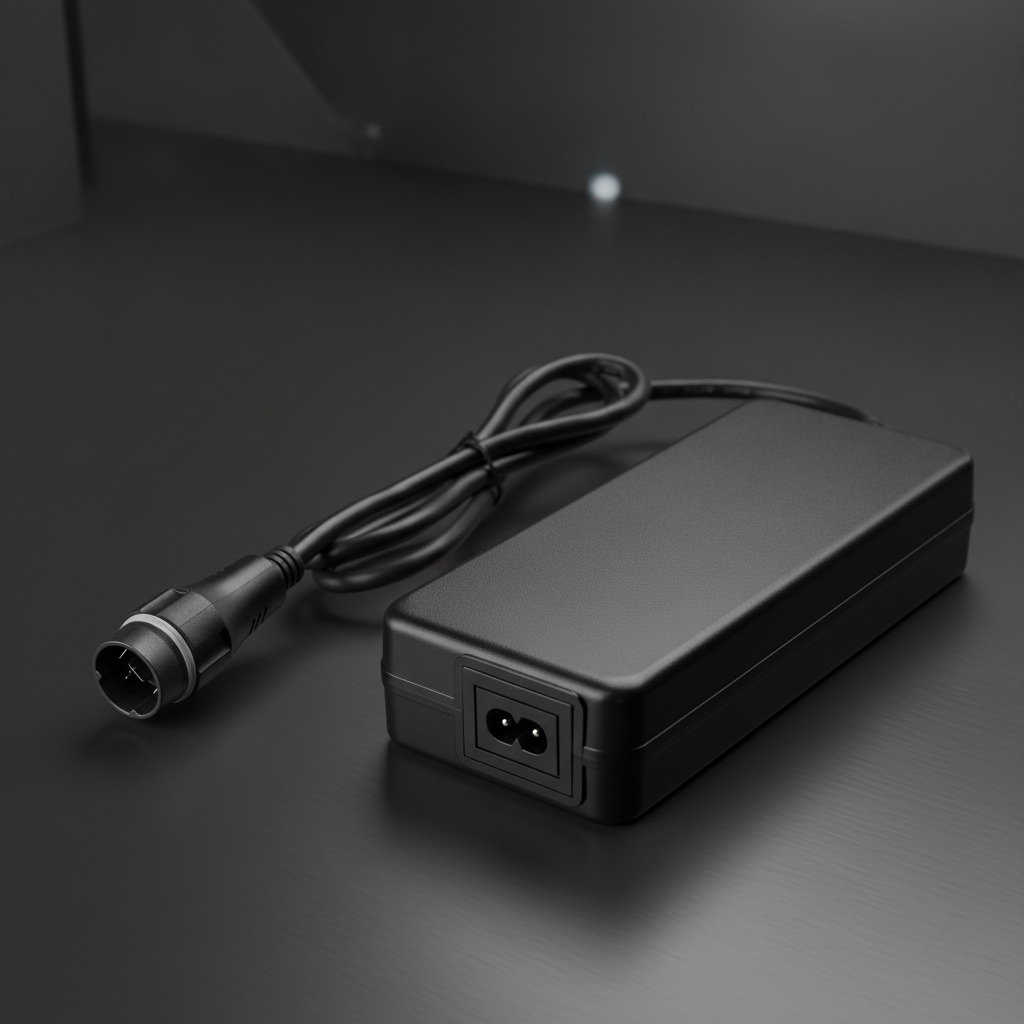
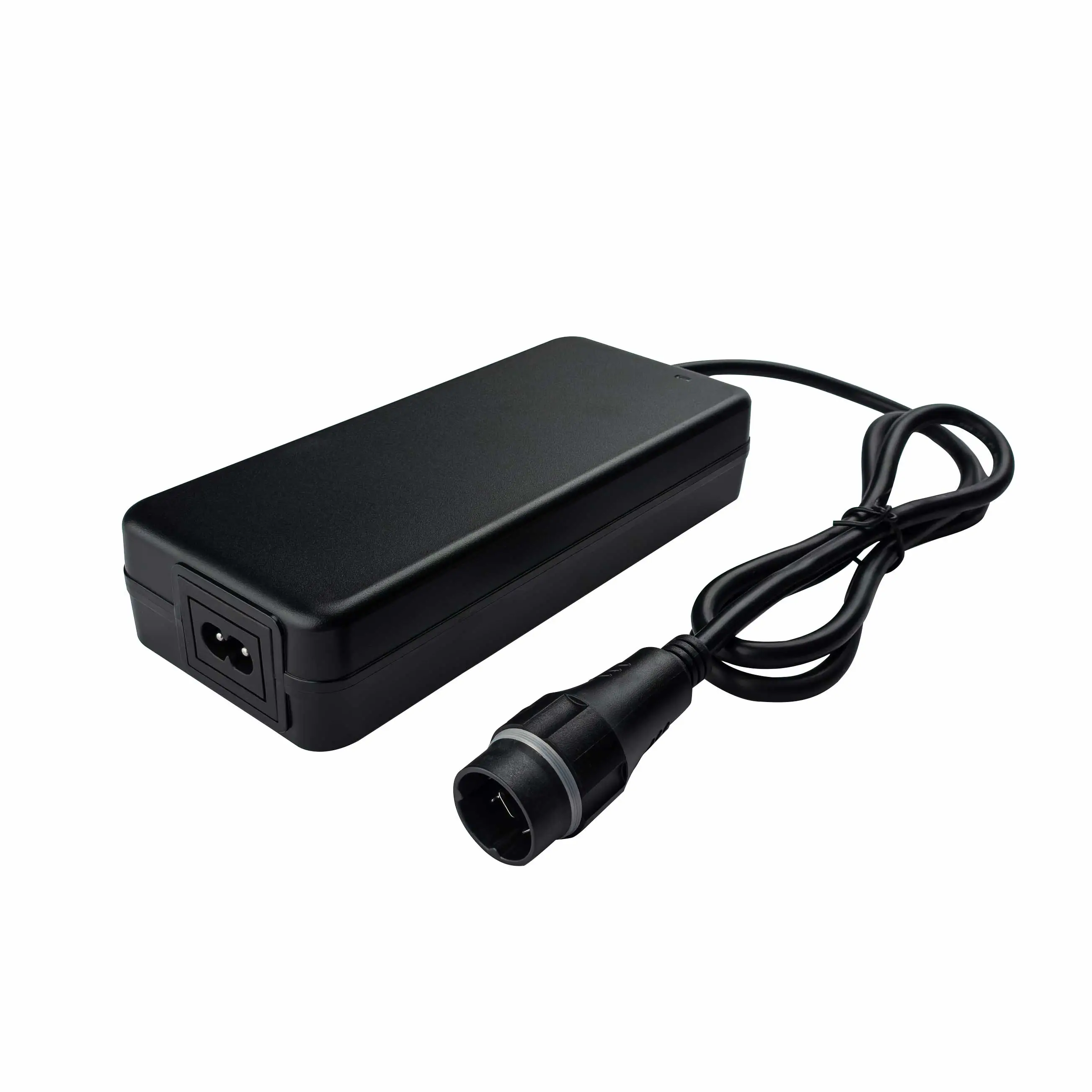
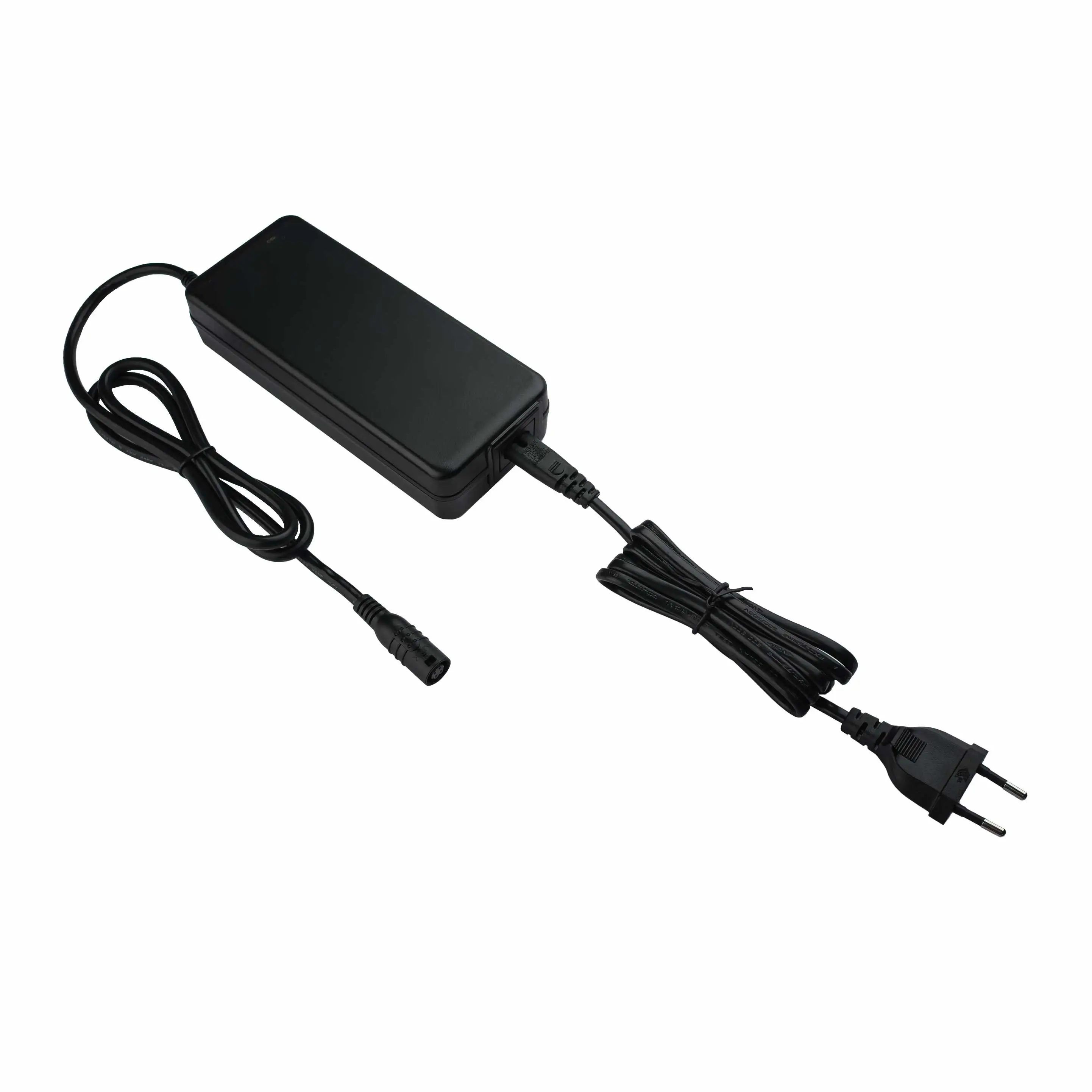
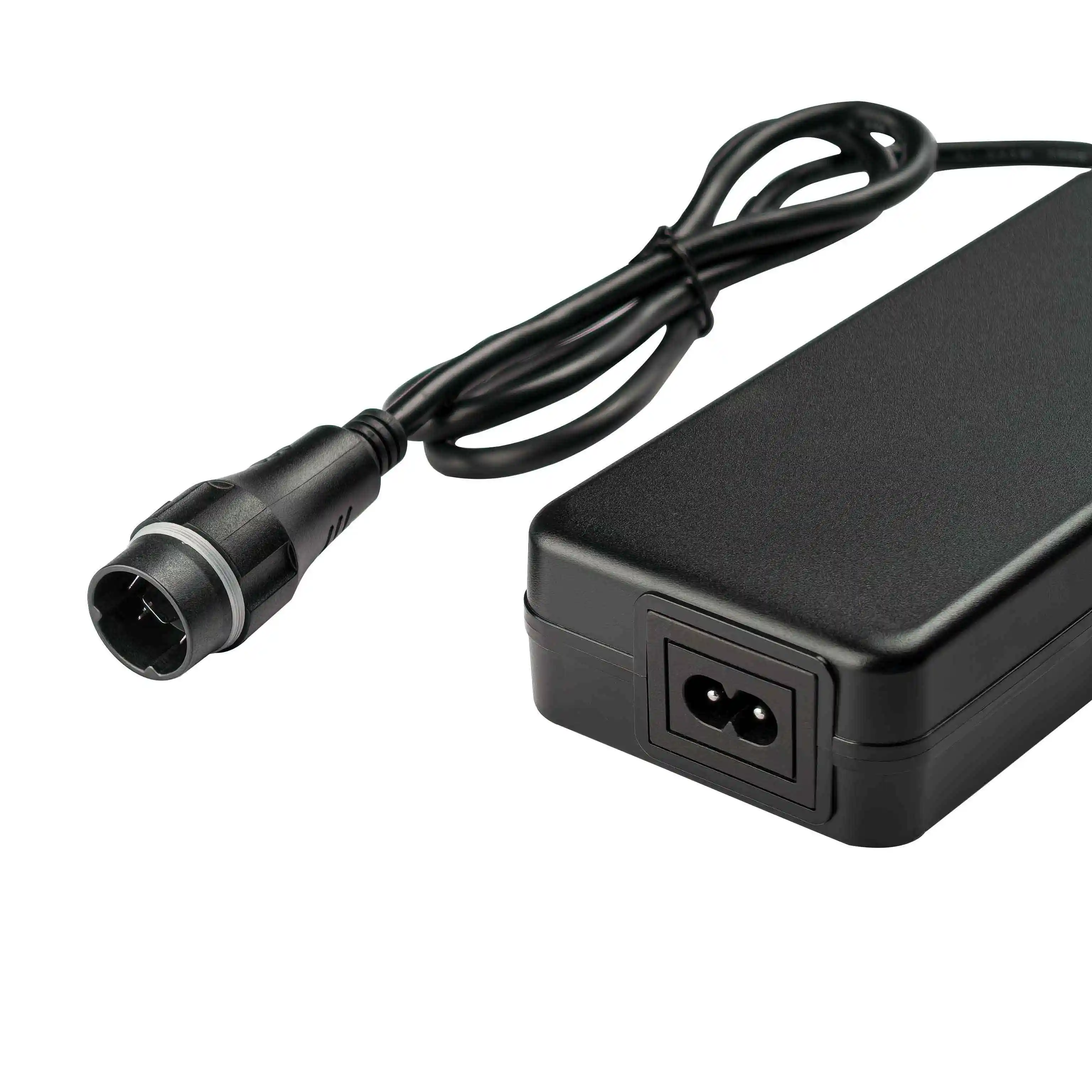
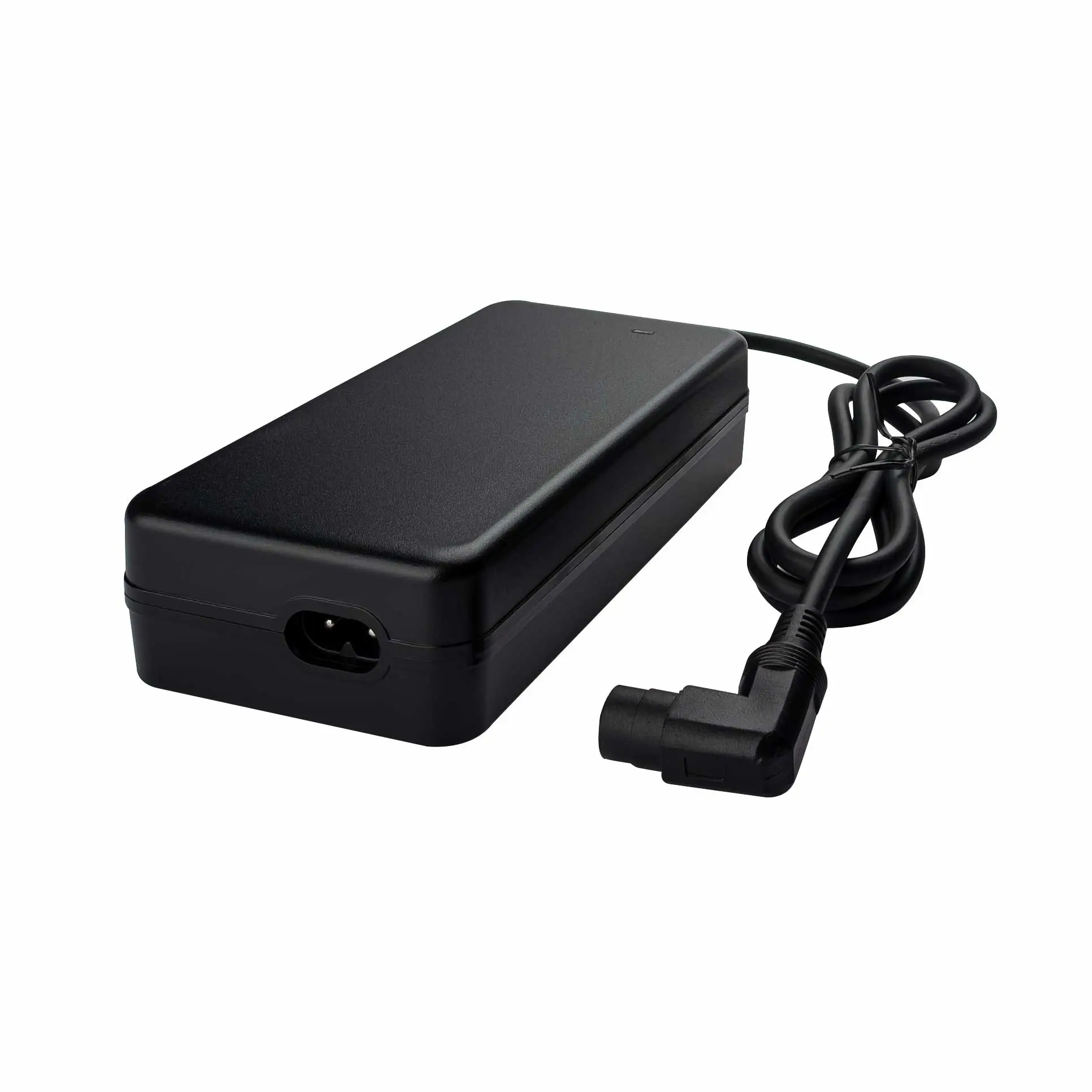
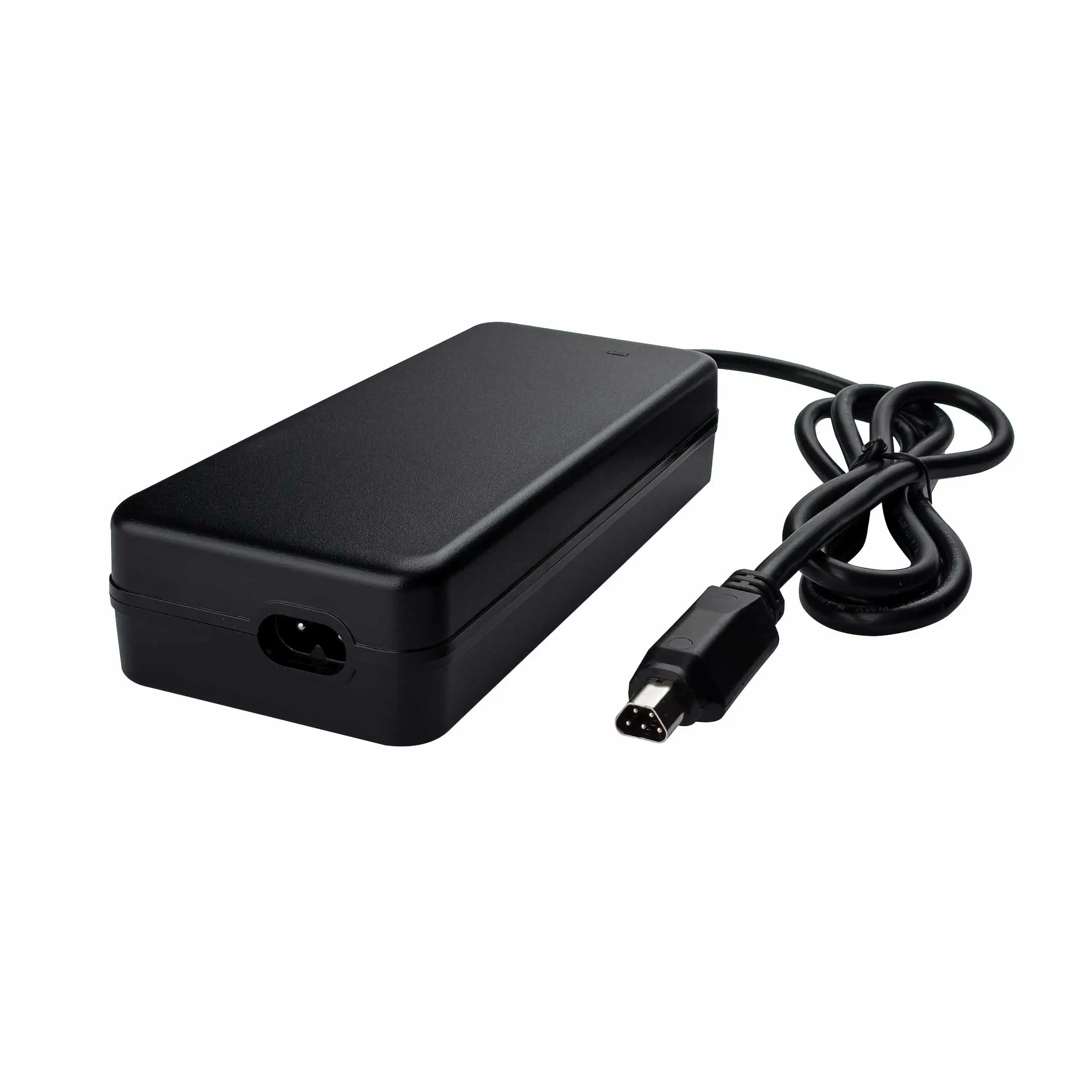
The visible hardware in the product data points to a compact external AC/DC adapter style power supply: black molded housing, fixed output cable, and a recessed two-pin-style inlet on the body. That tells us the unit is built around standard electronic assembly methods, likely with an injection-molded enclosure and overmolded cable ends. It does not, however, tell us the output specs. And those specs are the whole story when you are sourcing a replacement charger or comparing OEM options.
Quick Buyer Takeaways
If you only have time to check a few things, start here.
First: verify the battery system voltage and the charger output. A 36V lithium battery charger is not interchangeable with a different voltage class just because the connector resembles the original.
Second: confirm connector fit and pinout. A specialty connector may look close enough in photos but still be wired differently, especially on replacement charger products.
Third: pay attention to charge current. A 42V 4A Charger may be suitable for some battery packs, but higher current is not automatically better if the battery management system or manufacturer guidance calls for a different profile.
Fourth: distinguish between an E-Bike Battery Charger and a general-purpose power adapter. The two may share a similar enclosure, yet they are not always functionally equivalent.
Why the Right Charger Matters More Than the Right Shape
In e-bike service work, visual similarity is a poor substitute for electrical compatibility. A charger that is physically neat and well-built can still be the wrong choice if its output is off by even a small amount. That matters because lithium battery packs are not forgiving of guesswork. At best, the wrong charger creates nuisance issues like incomplete charging or error lights. At worst, it can shorten battery life or force repeated replacements that neither the dealer nor the end user wants to absorb.
For Yamaha systems, buyers often search for a Yamaha 500Wh Charger because battery capacity is a familiar reference point. Still, capacity alone does not define charger compatibility. The battery’s nominal voltage, the charging interface, and the pack’s internal control logic matter just as much. A 500Wh label tells you about energy storage, not necessarily about the correct external charger.
What the Product Form Suggests
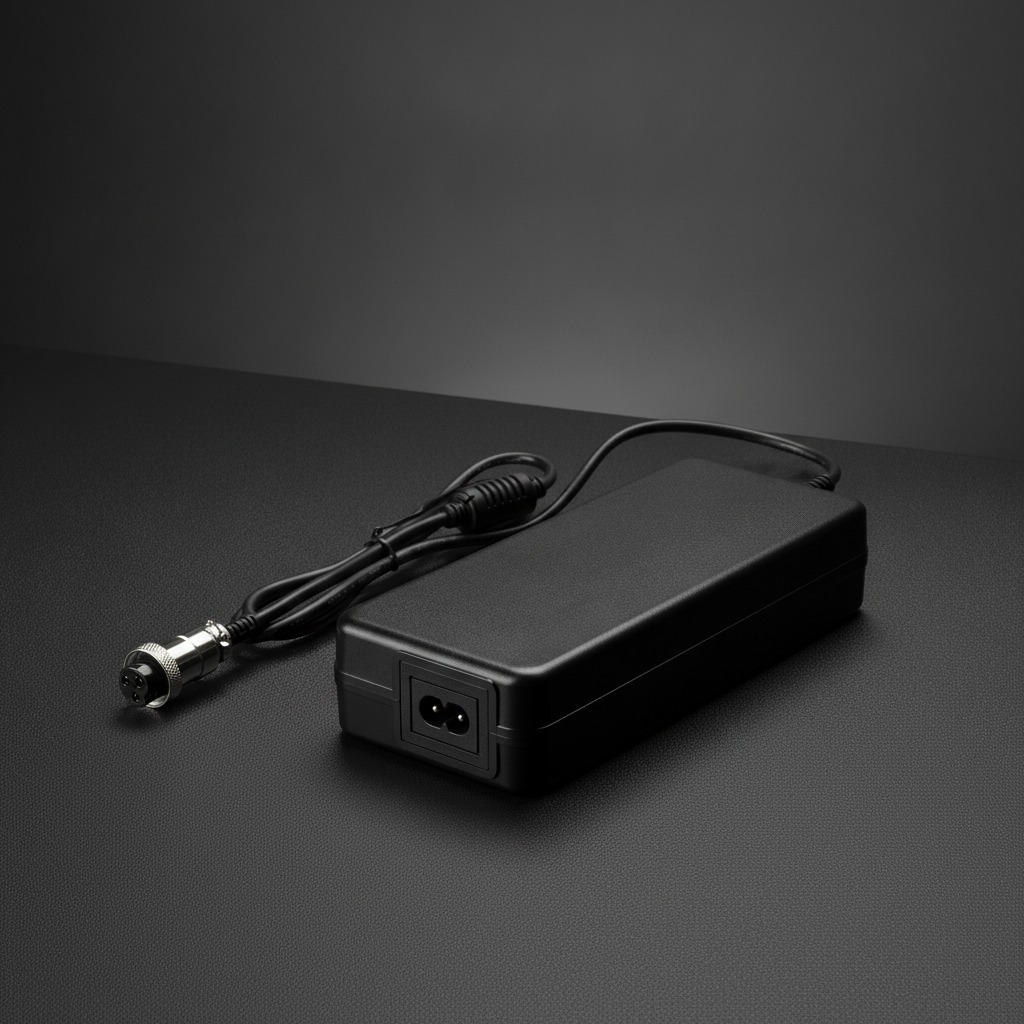
The product description shows a compact block-shaped adapter with rounded edges, matte black plastic, a captive output cable, and a fixed molded connector at the cable end. That is a familiar format for an OEM E-Bike Charger or a related external power supply. The design is practical: it keeps the internal electronics in a protected enclosure, reduces the chance of cable detachment, and simplifies field use because the user has one integrated unit rather than a loose brick-and-cable combination.
From a manufacturing perspective, this kind of housing usually comes from injection molding, then receives standard electrical assembly and cable overmolding. That does not tell you the internal topology, but it does suggest a conventional, scalable production method suitable for OEM or wholesale supply. If you are evaluating a Wholesale E-Bike Charger program, that sort of construction is generally preferable because it supports repeatability and easier packaging, even if the internal circuitry still needs proper validation.
Selection Criteria That Save Trouble Later
Voltage and chemistry
Match the charger to the battery chemistry and nominal system voltage. This is the first filter, not the last. Do not rely on housing style or connector marketing.
Connector match
Connector geometry should be checked against the original unit or bike documentation. The adapter in the product data appears to use a cylindrical locking-style or specialty output connector, but the exact type cannot be confirmed from the image alone. That uncertainty is enough reason to verify before ordering.
Charge profile and current
Charge current affects charging time and thermal behavior. A 42V 4A Charger may be useful in some applications, but a higher-current model should only be selected when the battery and system are designed for it. More current can reduce time, but it can also increase heat load.
OEM versus replacement use
An OEM E-Bike Charger often carries tighter expectations around consistency and long-term supply. A Replacement Charger may be acceptable for service inventory, but only if the electrical match is exact and the supplier can keep the same build over time. That point gets missed more often than it should.
Common Mistakes in Sourcing
One common mistake is treating all 36V Lithium Battery Charger products as interchangeable. They are not. Another is assuming a black rectangular adapter with a fixed cable is automatically an e-bike charger rather than a plain external power supply. The visible construction alone does not confirm charging behavior.
Another practical problem is overordering on the strength of a single photo. For a service network or distributor, it is smarter to request the electrical specification sheet, connector drawing, and compatibility notes before committing to a batch. The cost of a wrong charger is rarely just the unit price; it includes returns, support calls, and lost trust from riders who expected a straightforward fix.
Practical Advice for Engineering and Purchasing Teams
If you are building a service kit, keep the original charger labels on file and compare them against any prospective substitute. If you are sourcing for a retail or aftermarket channel, treat connector verification as a gate, not a nice-to-have. If you are evaluating a wholesale program, ask the supplier how they control cable strain relief, enclosure consistency, and part-to-part repeatability. Those details matter in everyday use, even when they are rarely highlighted in product listings.
For teams supporting Yamaha-branded systems, the safest route is to align the replacement with the original battery and charger documentation rather than using capacity shorthand or appearance alone. That may sound conservative, but conservative is often what keeps the fleet on the road.
Next Step
Before buying a Yamaha E-Bike Charger in volume or selecting a field replacement, confirm the battery voltage, connector type, and charging spec from the original system documentation. If those details are missing, request them from the supplier instead of filling in the blanks. A well-matched charger is a small part number, but it protects the entire battery investment.