
What buyers really need to know about a 48W E-Bike & Electric Scooter Battery
A 48W E-Bike & Electric Scooter Battery sounds straightforward until you start matching it to a real product, a charger, or a replacement part. That is where sourcing teams and engineers usually run into trouble. The label may suggest a power rating, but the physical connector, enclosure style, and electrical compatibility matter just as much as the number on the sheet. If you are evaluating a compact external power supply brick or a battery-related power accessory for an e-bike, scooter, or another small electric device, the practical question is not just “What is it?” It is “Will it work safely with the equipment I have?”
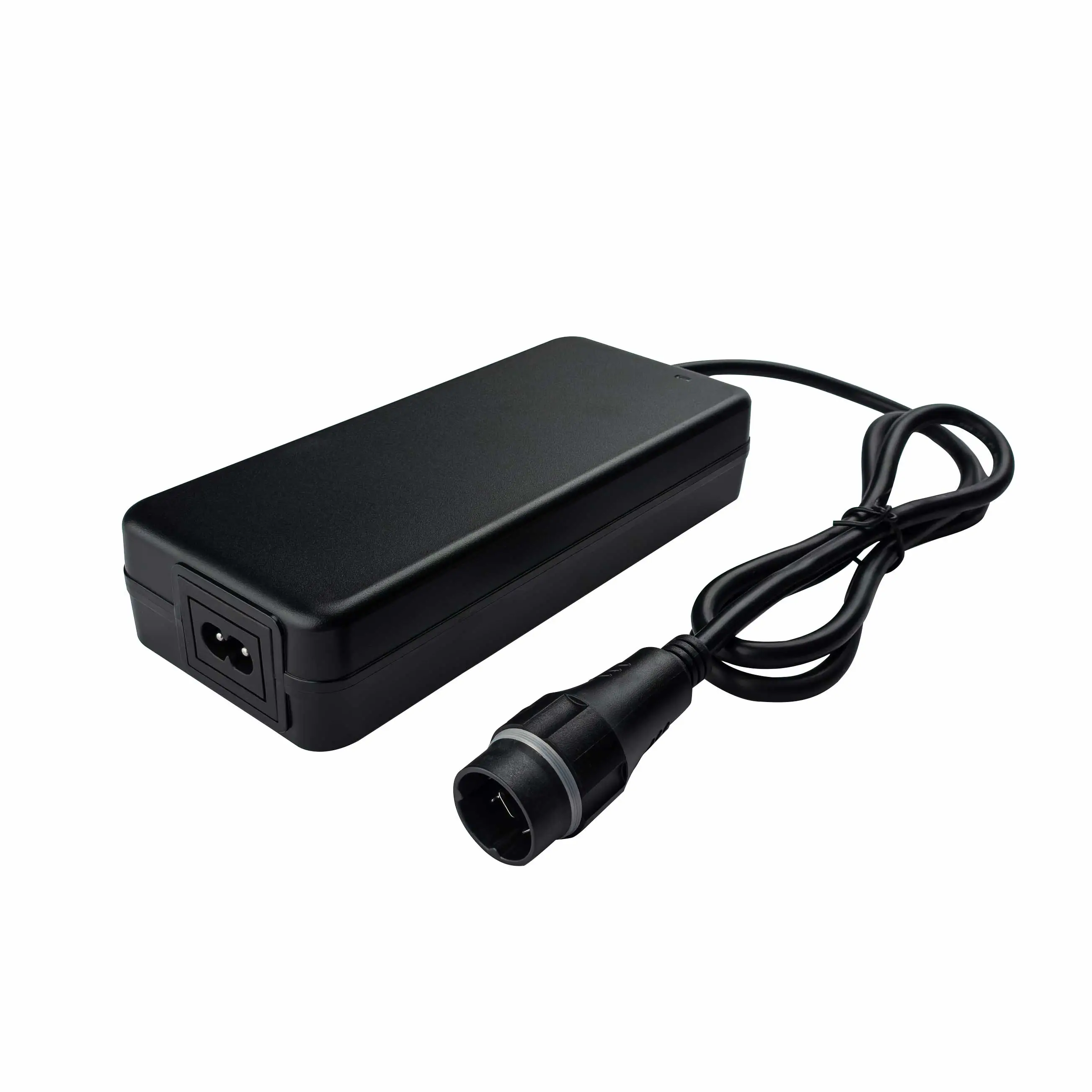
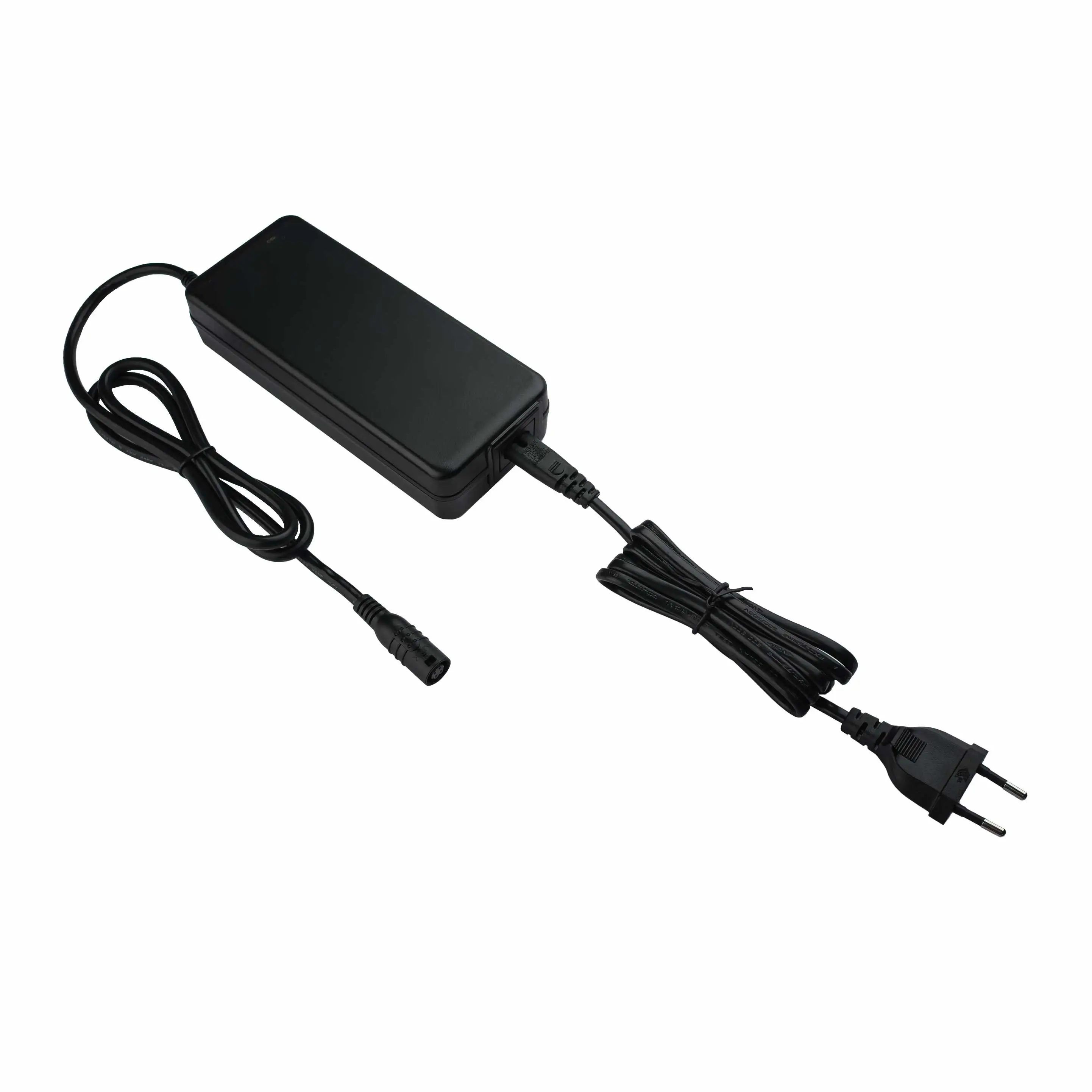
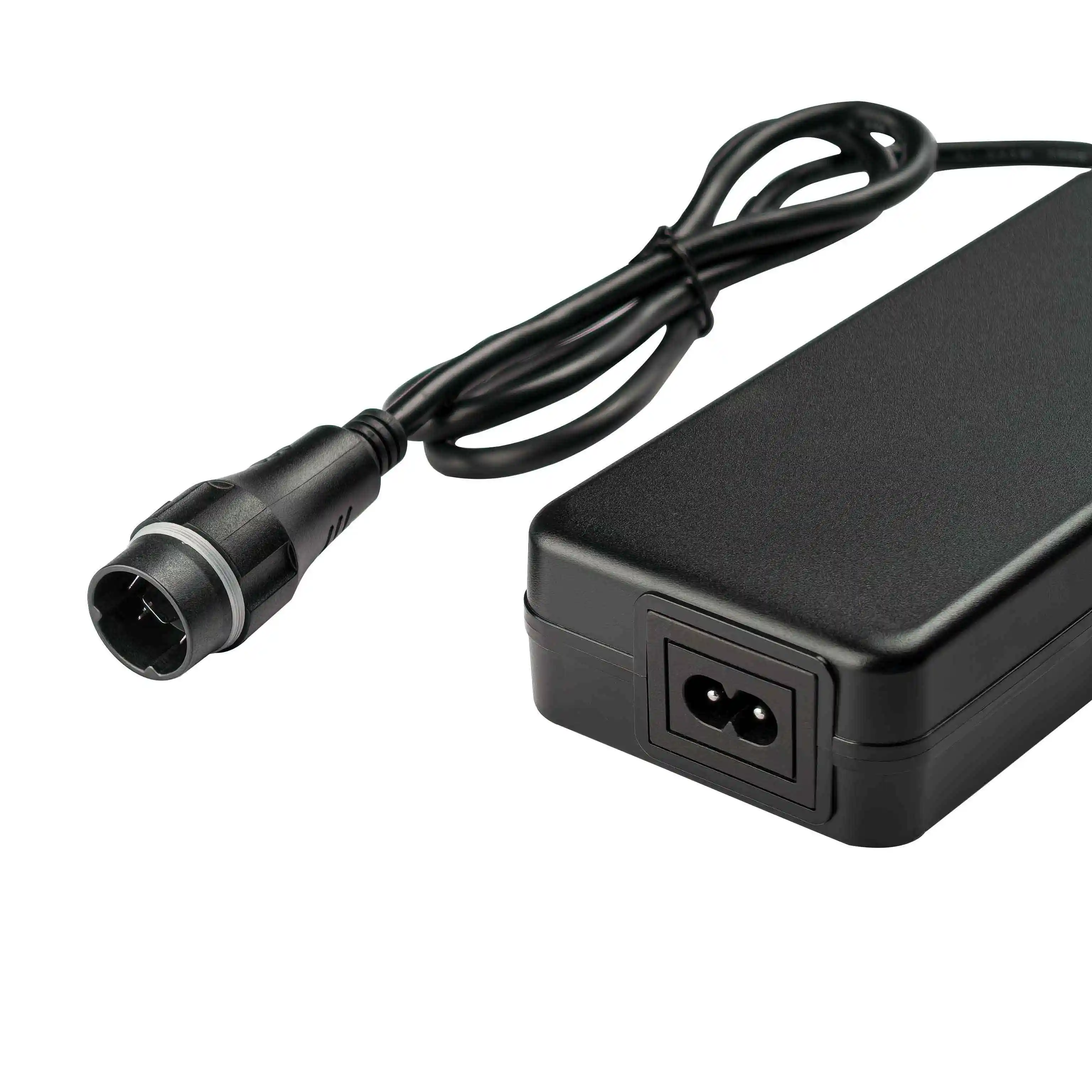
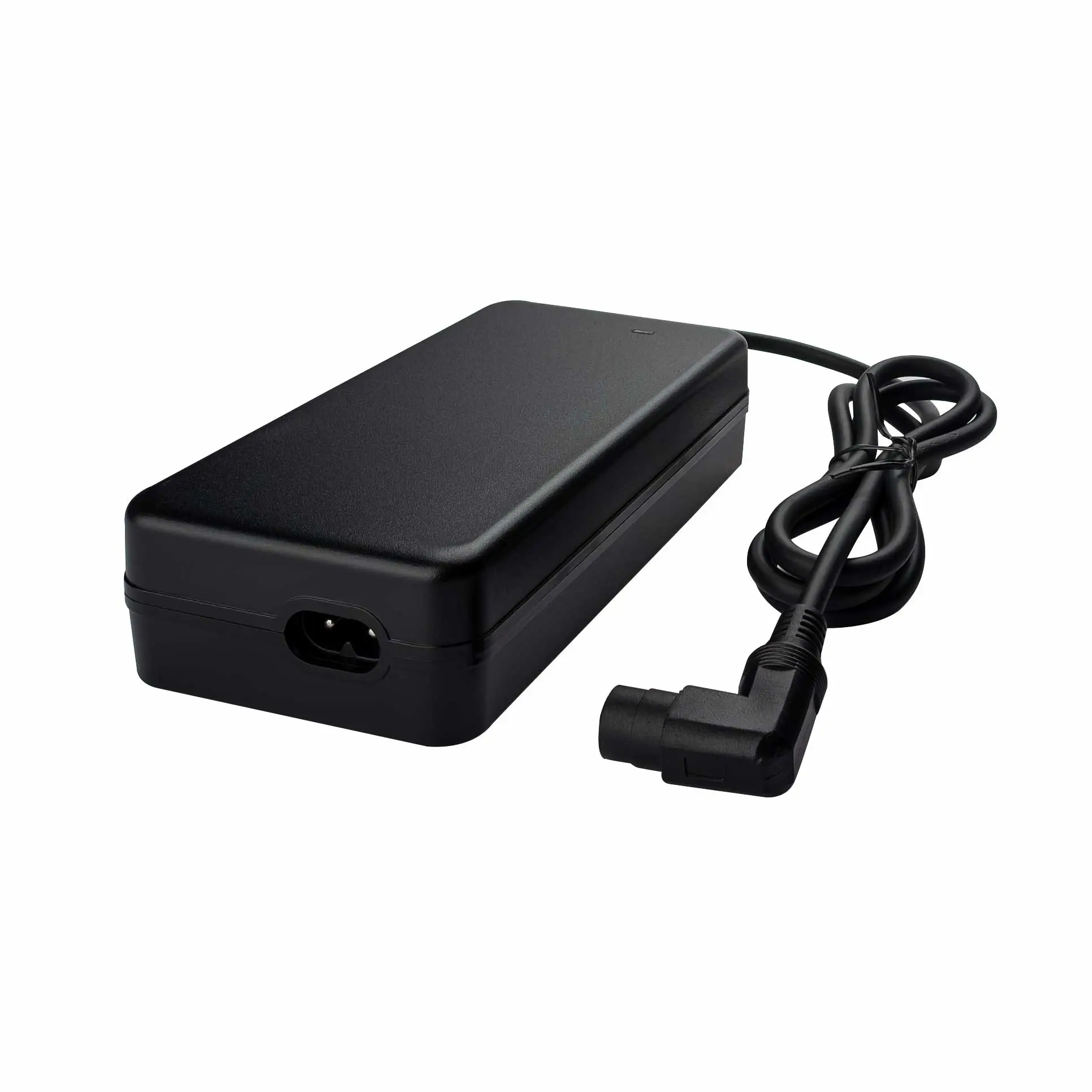
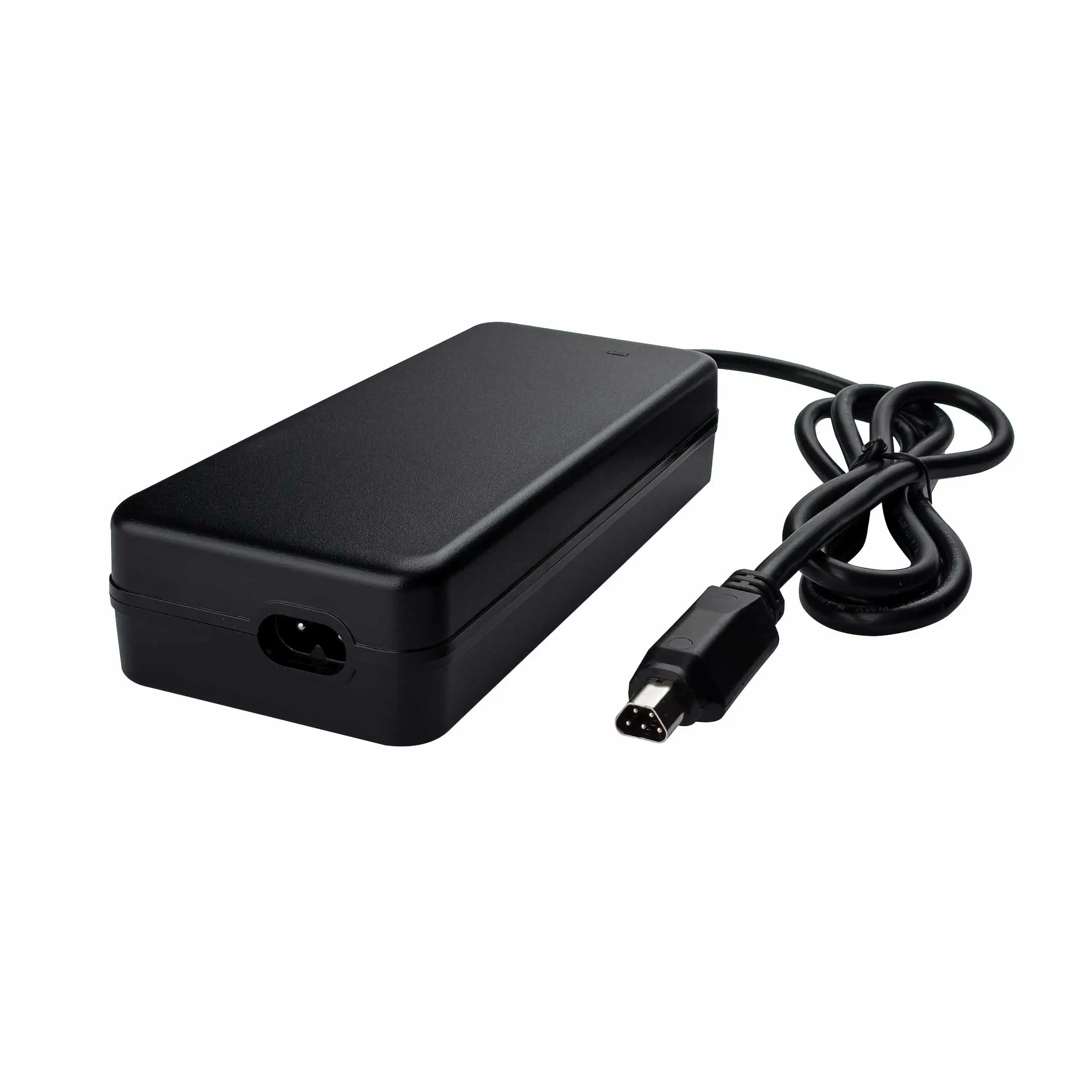
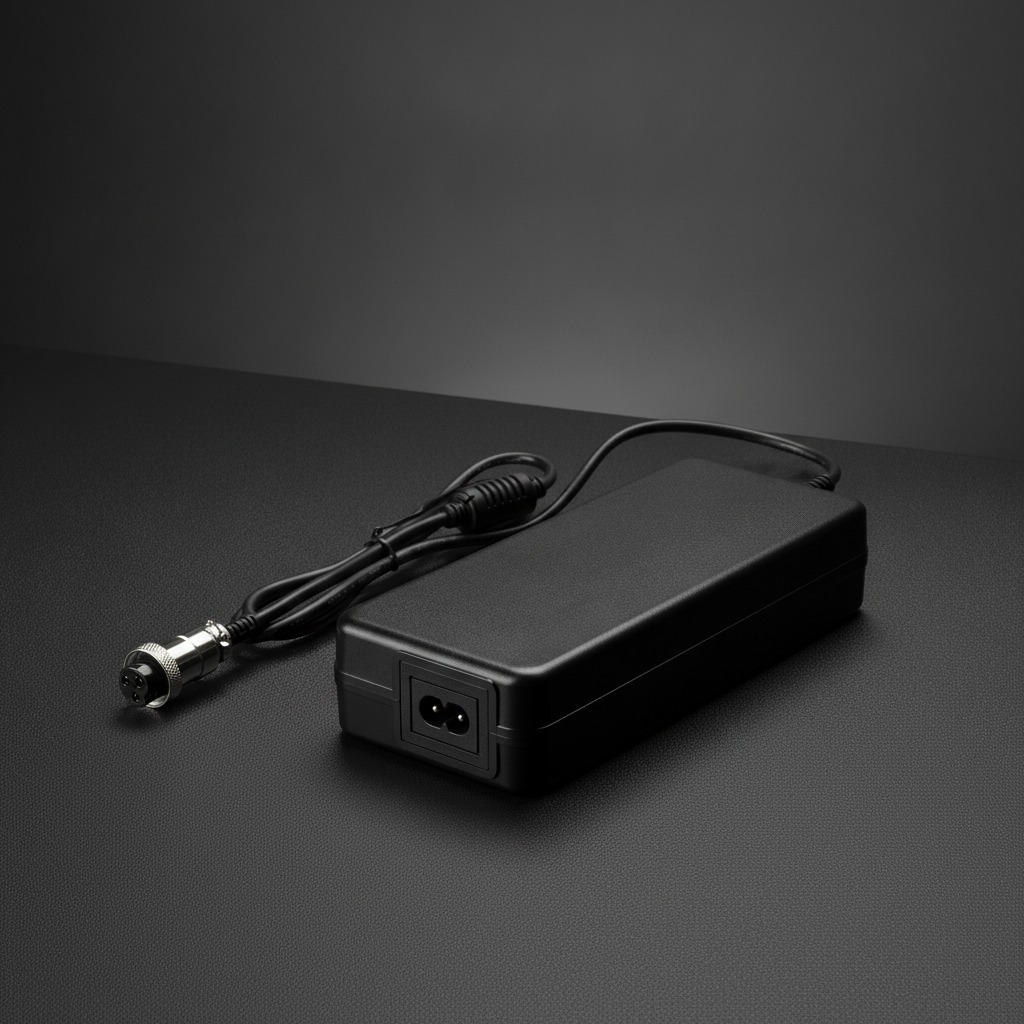
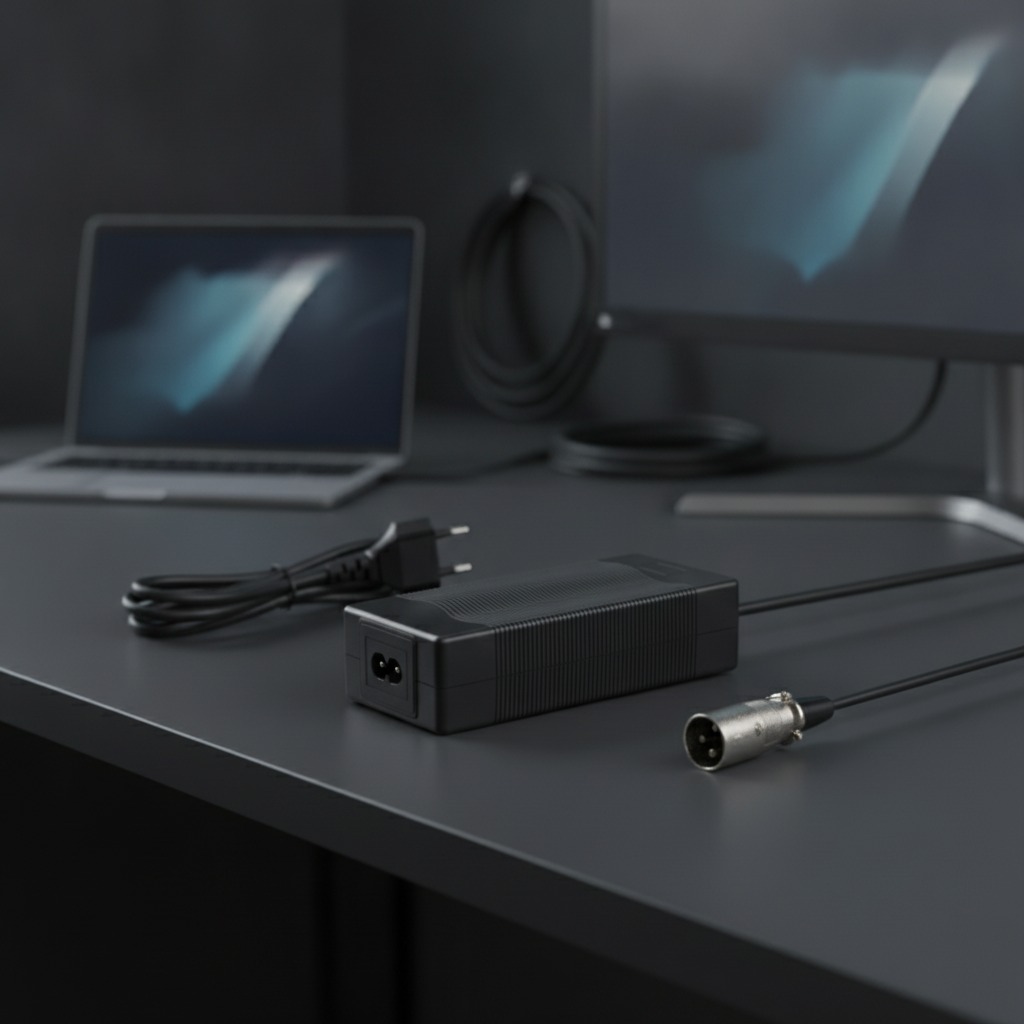
The product details provided point to a black, rectangular power adapter in a molded plastic housing, with a figure-8 style IEC inlet on one version and an XLR-style 3-pin output on another. That combination is common in compact external power supplies for specialty electronics, audio gear, lighting, and other equipment that needs a controlled low-voltage source. The exact output voltage, current, and polarity are not visible here, so those values should be confirmed before any purchase decision. That is the part many buyers skip, and it is usually the costly mistake.
Why the form factor matters as much as the wattage
On paper, wattage is only one piece of the puzzle. In practice, the enclosure shape, cable termination, and inlet type often determine whether a power unit can be integrated into a fleet, service kit, or OEM product line. A compact inline brick is easier to mount, store, and replace than a bulky open-frame supply. The matte black housing and ribbed surface are not just cosmetic; they also suggest a design intended for grip, heat management appearance, and general durability in a consumer or light industrial setting.
For e-bike and scooter applications, buyers usually care about three things: physical fit, electrical compatibility, and serviceability. If the unit uses an IEC figure-8 inlet, the mains lead is replaceable, which is useful for distributors serving multiple regions or spare-parts programs. If it uses an XLR-style output, the mating connector must match the device precisely. A connector that “almost fits” is not a fit at all in sourcing terms.
Quick reference: what is visible, what is not
Visible and verifiable
Compact black plastic power-supply housing
Rectangular inline brick design with rounded edges
Figure-8 style IEC inlet on one version
XLR-style 3-pin male output connector on another version
Fixed cable construction and molded enclosure seams
Not visible and should not be assumed
Output voltage
Current rating
Polarity
Actual wattage delivery
Cable length
Efficiency level
Certification marks
Exact supported devices
That last list is where disciplined buyers separate themselves from guesswork. The image can tell you the package style; it cannot certify electrical suitability.
How to evaluate suitability for e-bike and scooter use
If you are looking at a 48W E-Bike & Electric Scooter Battery-related supply, start with the load requirement. Does the device need a charger, a battery pack, or an external adapter feeding a control circuit? These are not interchangeable categories, even when the casing looks similar.
A few practical checks help narrow the choice quickly:
Confirm the required output voltage and current from the equipment nameplate or service documentation.
Match the connector type exactly, including pin count and orientation.
Verify whether the application expects DC output, AC output, or a charger profile rather than a simple adapter.
Check mechanical fit if the supply is housed in a tight compartment or carried in a service bag.
If the unit is intended for field service or OEM replacement, the replaceable figure-8 AC inlet can be a plus. It makes logistics easier and simplifies regional power-cord sourcing. But that convenience does not replace a proper electrical match.
Common sourcing mistakes
The most common mistake is treating “48W” as a universal compatibility label. It is not. A 48W rating only suggests the power envelope, not the actual operating voltage or battery chemistry. Another frequent error is assuming that any XLR-style output is interchangeable with any other XLR-style device. Pinout differences and voltage differences can turn a seemingly sensible replacement into a dead short or an underpowered setup.
It is also easy to overlook the difference between a charger and a power adapter. A charger manages battery charging behavior. A power adapter simply supplies power in a defined format. In the e-bike and scooter world, that distinction matters more than the housing color or brick shape.
Buyer advice for sourcing teams and product managers
If you are evaluating this kind of power unit for resale, integration, or service stock, ask for the full electrical specification before discussing price or volume. That includes output rating, connector pinout, and any applicable safety documentation. If the supplier cannot provide those basics clearly, the product is not ready for a serious procurement process.
For product teams, the best next step is a compatibility matrix: device model, required input, connector type, and acceptable replacement units. It is tedious work, but it prevents returns and field failures later. In small-power electronics, the cost of ambiguity is usually higher than the cost of asking one more question.
FAQ
Is a 48W unit automatically suitable for an e-bike or scooter?
No. The device must also match voltage, current, connector type, and charging behavior.
Can a figure-8 inlet tell me the output specification?
No. The inlet only describes how the adapter receives mains power.
Why does the XLR-style connector matter?
Because pin layout and electrical rating have to match the equipment exactly.
What to request from the supplier before ordering
Ask for the output voltage, current, connector pinout, cable length, and the exact device compatibility list. If this is for e-bike or scooter use, request confirmation of charging profile and battery type support. That information will tell you far more than the casing shape ever will.
If you are comparing external power supplies or battery-related adapters for a new build or replacement program, start with the spec sheet, not the photo. The photo tells you what it looks like. The spec sheet tells you whether it belongs in your system.