
High-Quality Power Adapters, Meet Your Diverse Charging Needs
logo
Language
Language:
US flagEnglish
User
Hi, Sign in
Cart
Cart
Track

48W E-Bike & Electric Scooter Battery Charger Guide for OEM Buyers

  • Buying Guide
Posted by Juxon On Jun 11 2026

What buyers are really trying to solve with a 48W e-bike or scooter charger

When someone searches for a 48W E-Bike & Electric Scooter Battery Charger (24V / 36V / 48V) | CE & UL Certified Manufacturer, they are usually not hunting for a generic wall plug. They are trying to avoid a mismatch that can ruin a battery pack, slow down field service, or create a warranty headache for an OEM. In practical terms, the decision is about whether the charger matches the battery system, the connector, and the safety expectations of the market it will ship into.
That matters more than it sounds. A charger is a small component on paper, but it sits at the center of the user experience. If it feels unreliable, gets too warm, has the wrong connector, or simply does not fit the product line, the whole scooter or e-bike looks less well engineered. Buyers need a power supply that is stable, repeatable, and easy to source again next quarter.


48W E-Bike & Electric Scooter Battery Charger (24V / 36V / 48V) | CE & UL Certified Manufacturer

What this product category usually looks like in manufacturing terms

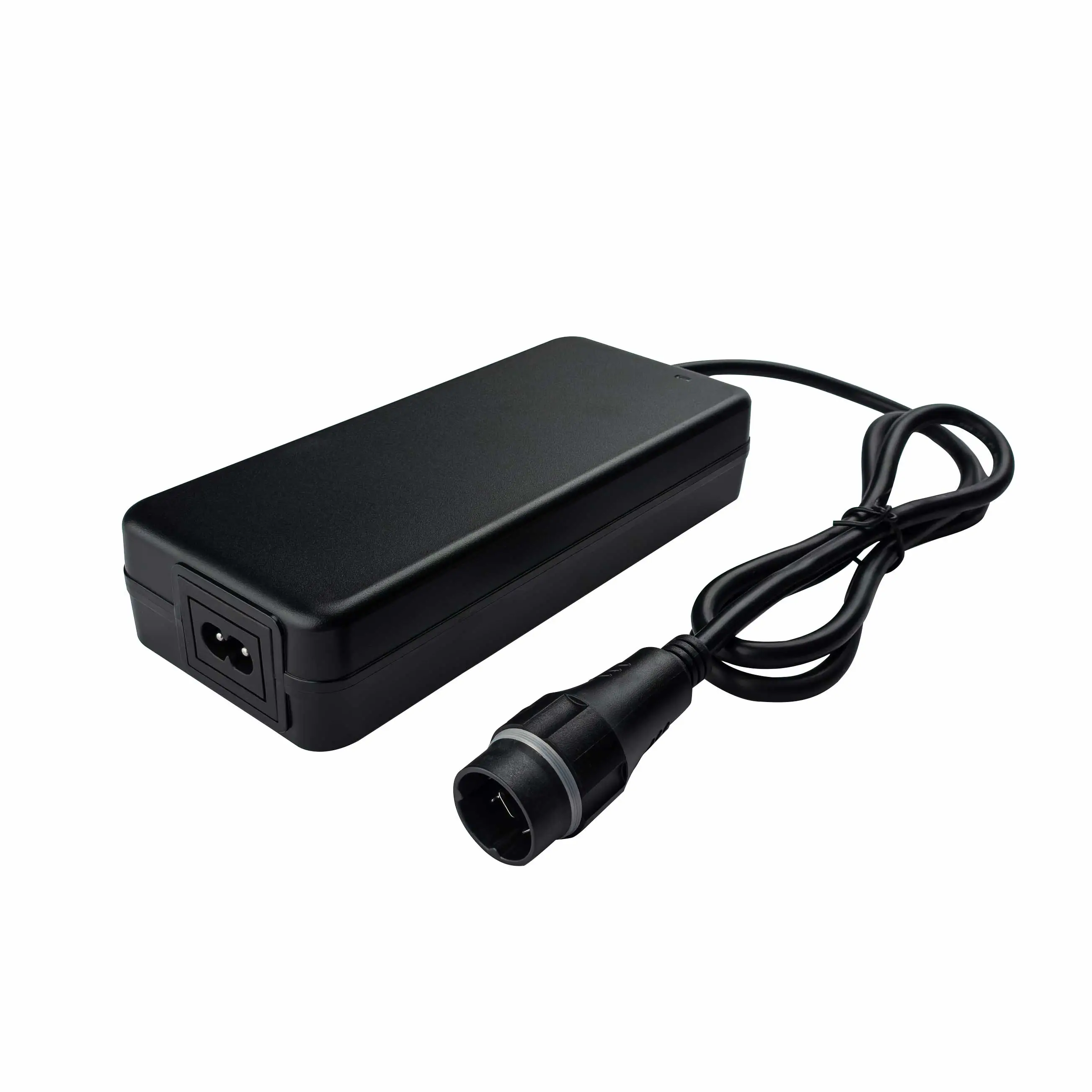
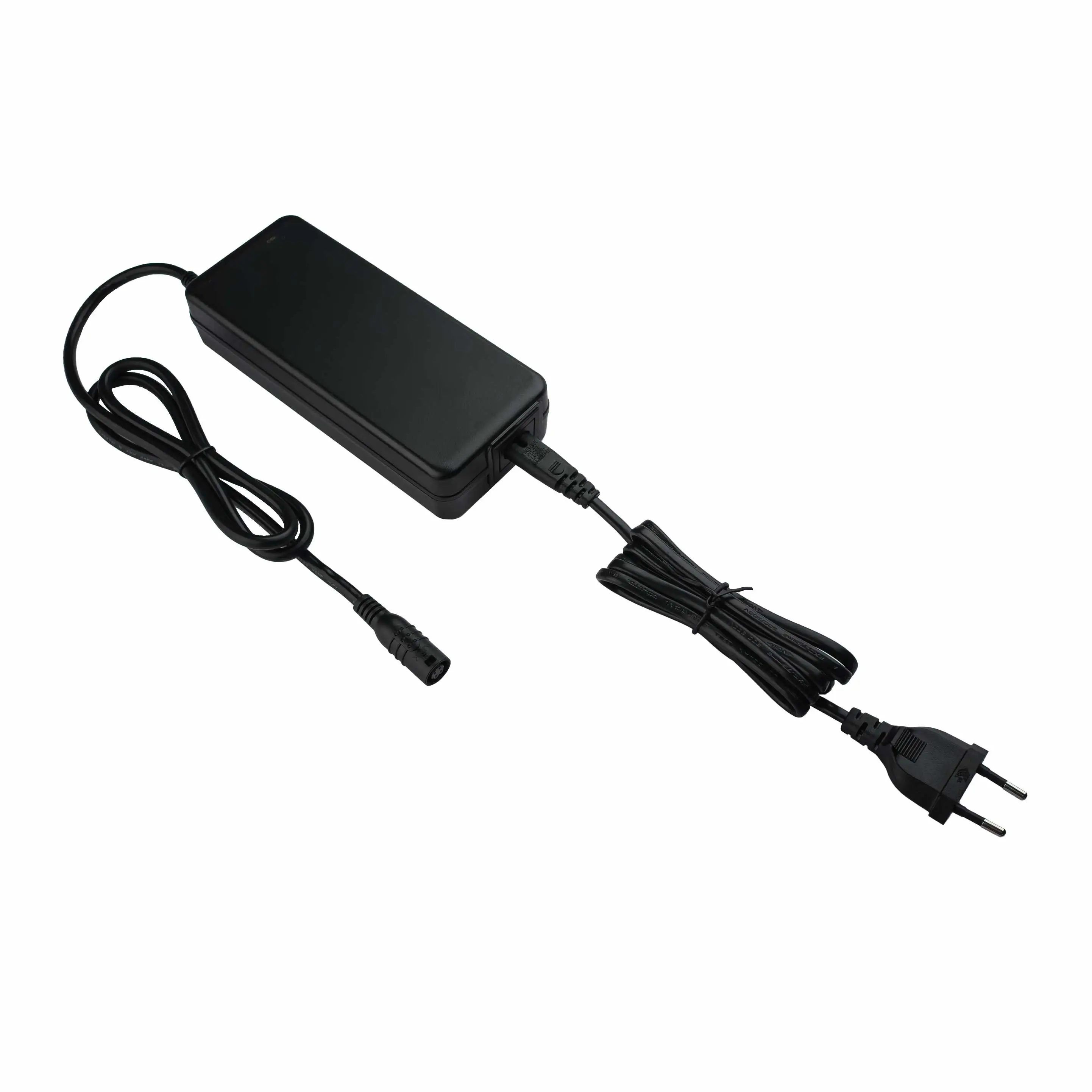
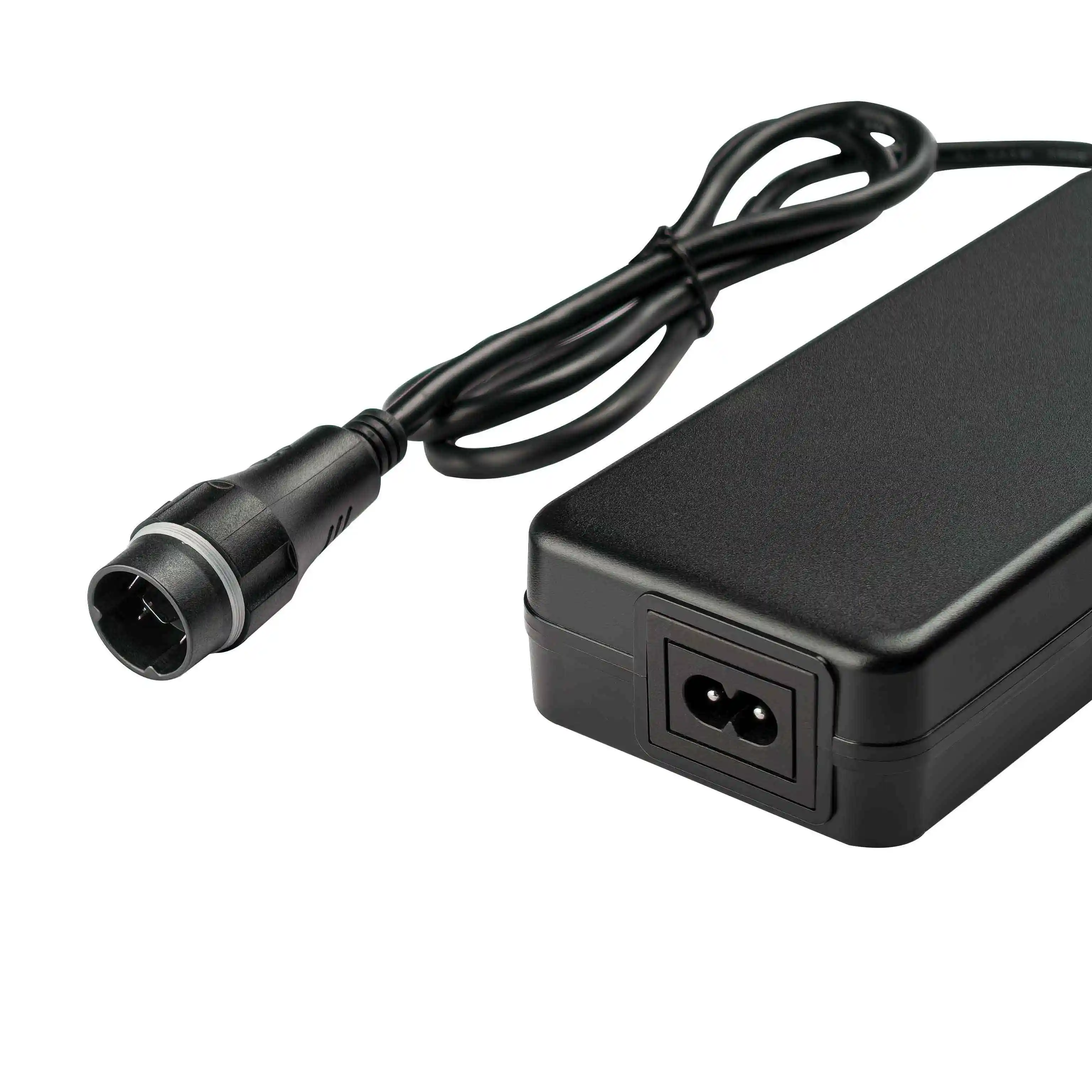
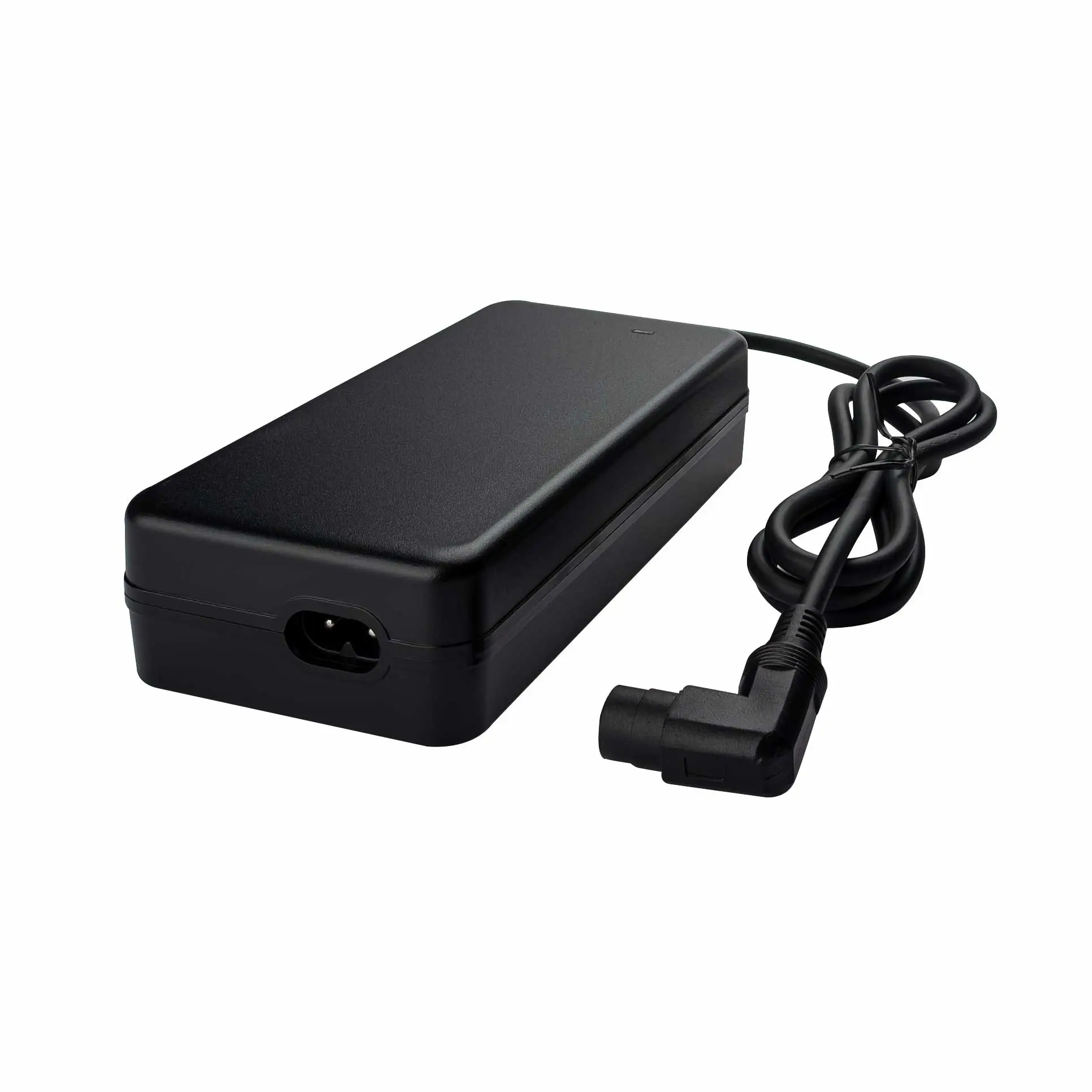
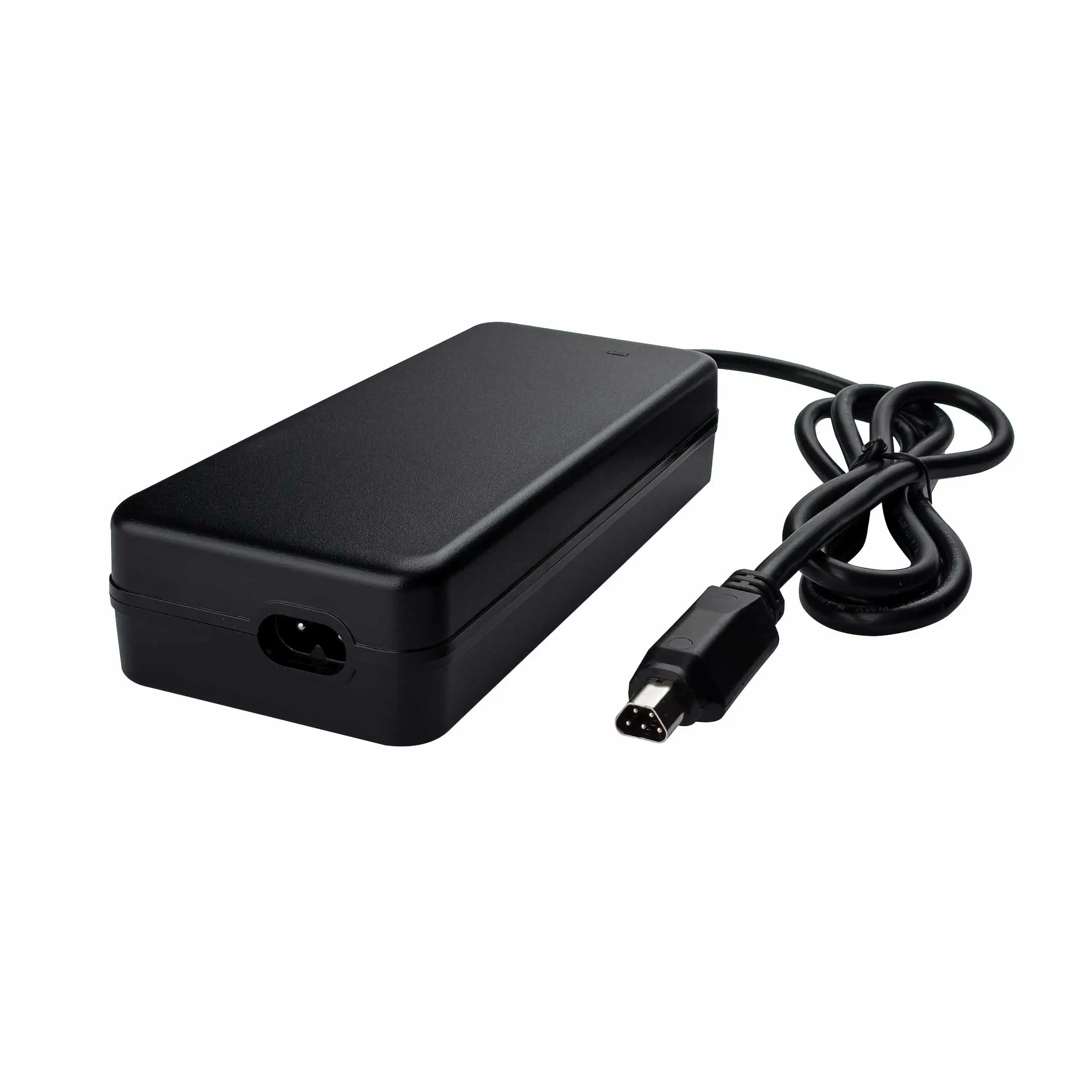
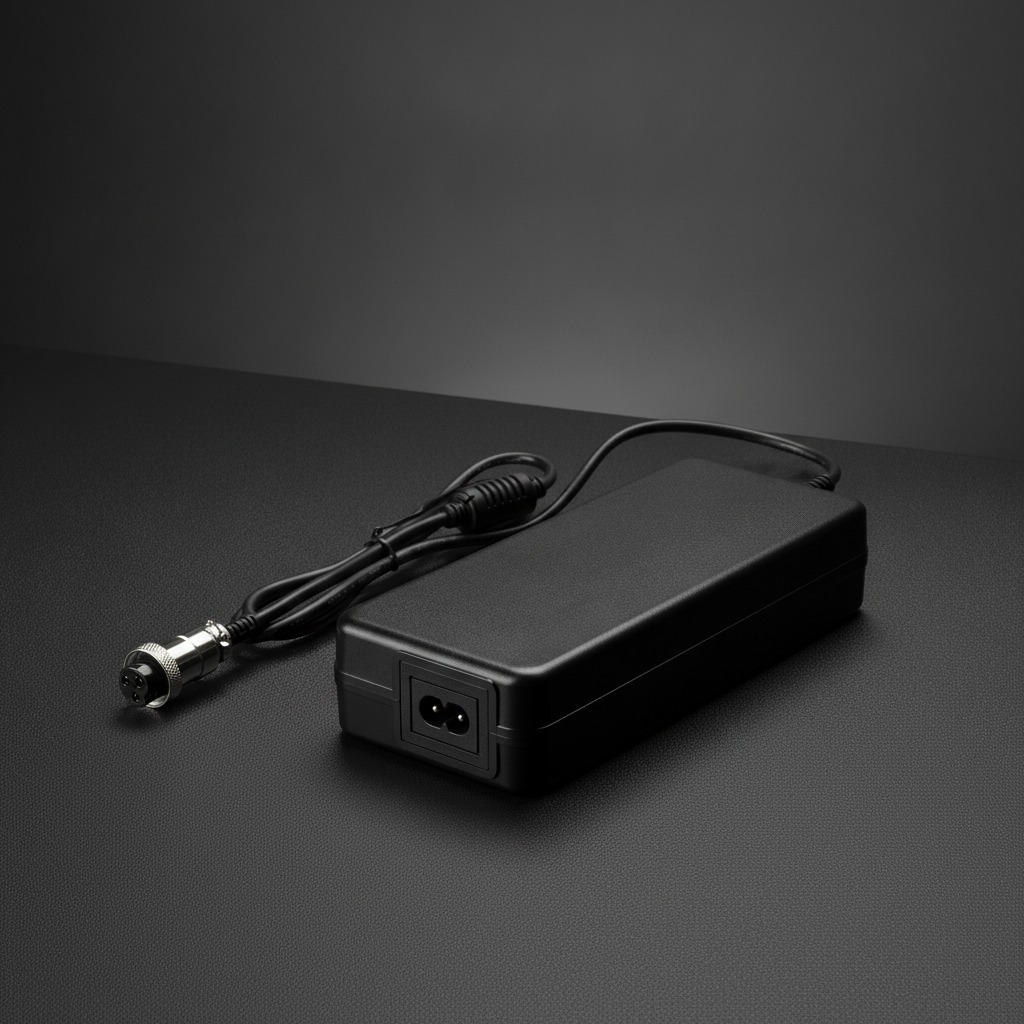
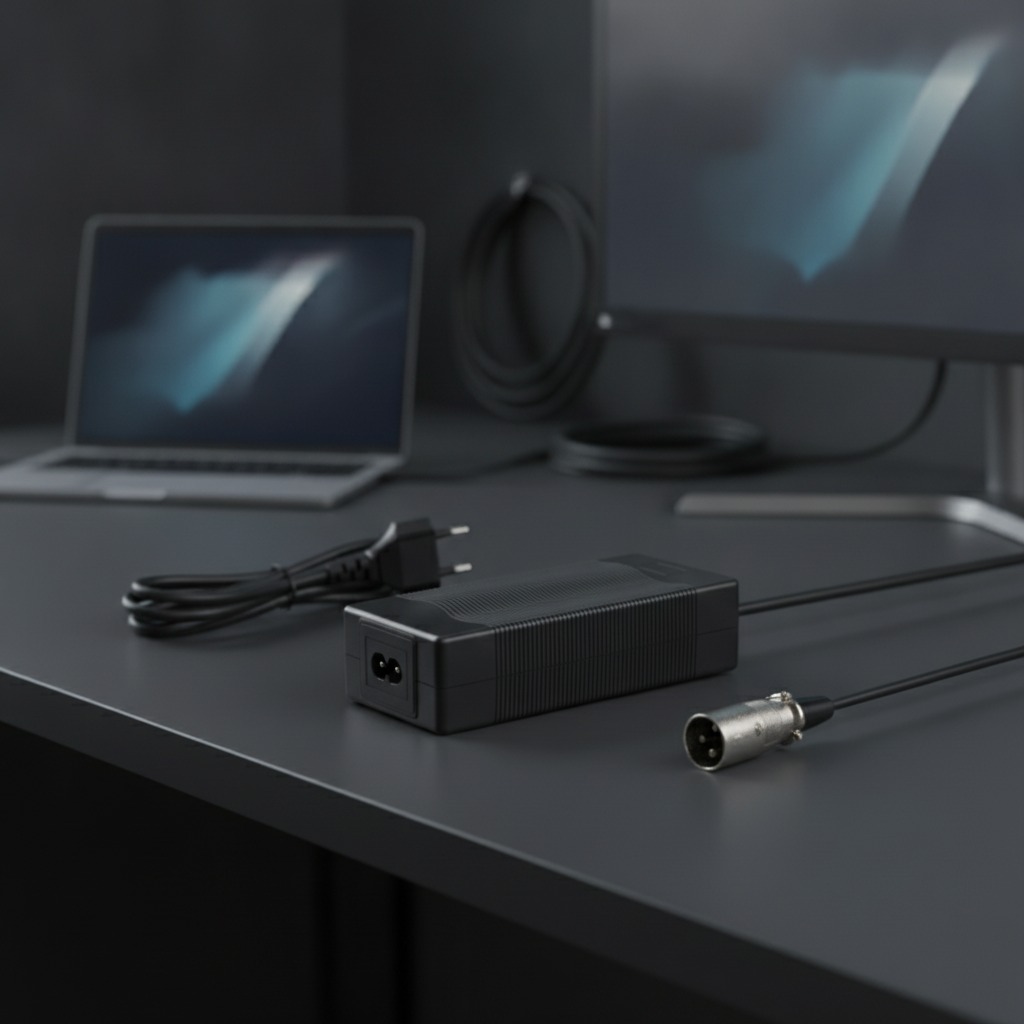
The visible product described here is an external AC/DC power adapter with a fixed DC barrel output plug. The housing appears to be a black molded plastic rectangular brick, with a ribbed or wavy side section that likely helps with grip or thermal behavior. One cable exits the mains side, another fixed lead exits the low-voltage side, and the connector end uses a standard cylindrical barrel style tip.

From a buyer’s point of view, that sounds ordinary. In production, it is not. The enclosure is typically an injection-molded shell assembled around internal power conversion electronics, with overmolded cable exits to reduce strain on the conductors. That combination is common in compact chargers because it keeps the unit simple for the end user and relatively efficient to assemble. It also means the charger is only as good as the internal electrical design and the quality control behind the cable termination.

One caution is worth stating plainly: the visible form factor tells you almost nothing about the critical electrical details. Input voltage, output voltage, current, polarity, connector size, efficiency, and safety approvals all need to be confirmed separately. A charger can look right and still be wrong for the product.


Why the 24V / 36V / 48V range matters

Battery systems in micromobility are not interchangeable. A 24V charger will not serve a 36V pack correctly, and a 36V solution is not the same as a 48V one. That sounds obvious, but in sourcing it is one of the most common points of confusion, especially when a team is trying to standardize accessories across multiple SKUs or regional variants.

For e-bikes and electric scooters, the battery voltage must align with the pack chemistry and charging profile. The charger is not merely a power brick; it is part of the battery’s operating logic. If the voltage is off, or if the connector and polarity are wrong, the result ranges from failure to charge all the way to component damage. That is why technical buyers usually focus first on electrical compatibility and only then on packaging or branding.

The 48W figure suggests a modest power level, which is often suitable for compact charging applications where size, heat, and wall-plug convenience matter. But buyers should be careful not to equate wattage with compatibility. Power rating alone does not tell you whether a charger is fit for a specific battery pack.


Quick buyer reference: what to confirm before you place an order

If you are evaluating this kind of charger for sourcing or OEM use, the most important checks are straightforward:

Confirm the battery voltage and chemistry. Match the output plug size and polarity. Verify whether the unit is intended as a replacement charger, a bundled accessory, or an OEM component. Ask for the exact cable lengths if your product layout depends on them. Request the relevant compliance documents for the target market rather than assuming a marking alone is enough.

That list may seem basic, but it saves more time than a polished datasheet ever will if the wrong assumptions are caught early.


Selection criteria that matter in the real world


Electrical fit comes first

The charger must match the battery system. For e-bikes and scooters, that means the nominal voltage, charging profile, and connector type must all align. If your team is working with several models, it is worth building a simple internal reference table before contacting suppliers. Too many procurement delays come from “similar-looking” adapters that are not actually equivalent.


Connector consistency saves support costs

A standard barrel connector is common, but “standard” can be misleading. Small changes in barrel diameter, pin structure, or polarity can make a charger unusable. Support teams know this well: the cable may look right in a product photo and still fail at the bench. For OEM programs, connector drawings or sample verification are better than assumptions based on appearance.


Thermal behavior is not a minor detail

Compact black adapter bricks often rely on the enclosure shape and internal layout to manage heat. A ribbed side section may help with handling or airflow, but it is not a substitute for sound thermal design. Buyers should ask how the unit behaves during normal charge cycles, whether the enclosure is intended for continuous use, and how the manufacturer handles temperature-related reliability testing. If the answer is vague, that is a sign to slow down.


Safety documentation matters even for simple accessories

For many sourcing teams, CE and UL are shorthand for market access and internal approval. Still, those marks should be backed by the right paperwork for the exact model being purchased. Never assume one similar charger can be substituted for another just because the housing looks identical. That is especially true in high-volume programs, where a small deviation can create batch-level compliance issues.


How this charger format is typically used

Although the main keyword points to e-bike and electric scooter batteries, the visible product category is broader: an external AC/DC adapter with a barrel output. That means the same basic form factor is often used in other electronic products, including routers, small appliances, LED devices, and audio gear, provided the voltage, current, and connector match.

For buyers, that versatility cuts both ways. It creates sourcing flexibility, but it also invites mistakes when teams focus on the shell instead of the spec. A power adapter is only “universal” up to the point where the electrical requirements diverge. Past that point, it becomes a custom fit item whether the label says so or not.


Common procurement mistakes

The first mistake is treating the charger as a generic commodity. It is not. Even similar-looking adapters can differ in output, polarity, regulation, and internal protection design.

The second mistake is ordering from a photo alone. The black molded housing, fixed cable, and barrel tip are useful visual identifiers, but they do not confirm compatibility. Always verify the technical sheet.

The third mistake is assuming certification claims are self-explanatory. If a project is headed into North America or Europe, the buyer should ask for documentation tied to the specific manufacturing version. That is particularly important when the product will be sold with a battery system rather than as a standalone accessory.

The fourth mistake is underestimating mechanical fit. Cable exit direction, lead length, and plug geometry can all affect the end user experience. A technically correct charger can still be awkward in a real housing or dock setup.


What a good manufacturer should be able to answer quickly

A capable supplier should be able to provide the output specification, the connector drawing, the cable configuration, and the intended application window without a long back-and-forth. For OEM buyers, they should also be able to discuss customization at a practical level: branding, packaging, plug variants, and whether the design can be adapted to a specific battery platform.

If the supplier cannot answer those questions clearly, proceed carefully. In this category, speed is useful, but clarity is more valuable. The cheapest charger is expensive if it generates returns.


FAQ for sourcing and product teams


Can one charger cover both e-bikes and electric scooters?

Sometimes, but only when the battery voltage, chemistry, connector, and charging requirements match. Do not assume cross-compatibility because the products are both in micromobility.


Is a 48W charger automatically better than a lower-watt unit?

Not automatically. The charger should be appropriate for the battery pack and the intended charging time. More wattage is only useful if the battery system can accept it.


Does the barrel connector mean it is easy to replace?

It makes replacement common, not guaranteed. The connector size, polarity, and electrical specification still need to be verified before swapping units.


Why do buyers care about CE and UL for a charger this small?

Because the charger connects directly to mains power and sits close to a battery system. Safety documentation is part of product risk management, not just paperwork.


A practical next step for OEM and sourcing teams

If you are shortlisting a 48W charger for an e-bike, scooter, or other DC-powered product, start with the battery spec sheet and the connector drawing, not the product photo. Then request the supplier’s exact output parameters, compliance documentation, and mechanical details for the cable and plug. That sequence avoids most of the avoidable mistakes.

For teams building a product line, the smartest move is to treat the charger as part of the system architecture. The right external adapter supports reliability, customer trust, and lower support overhead. The wrong one creates delays that are rarely worth the savings.

If your current sourcing list contains several similar-looking adapters, compare them against the actual battery requirements and the end-user installation environment. That is where the real difference shows up.

Featured Blogs

Tag:

  • Buying Guide
Share On
Featured Blogs
72W E-Bike & Electric Scooter Power Adapter: What Buyers Should Check

72W E-Bike & Electric Scooter Power Adapter: What Buyers Should Check

1. What a 72W E-Bike & Electric Scooter Power Adapter Actually Solves 2. Quick Read: What Buyers Should Notice First 3. What the Image Tells Us About Construction 4. Why 72W Matters, and Why It Does Not Tell the Whole Story 5. Where This Type of Adapter Fits in Manufacturing and Assembly 6. Selection Criteria for Engineers and Sourcing Teams 7. Common Mistakes When Buying This Kind of Power Supply 8. Practical Buyer Advice Before You Commit 9. FAQ: Short Answers Buyers Usually Need 10. What to Request From the Supplier Next

48W E-Bike & Electric Scooter Battery Charger Guide for OEM Buyers

48W E-Bike & Electric Scooter Battery Charger Guide for OEM Buyers

1. What buyers are really trying to solve with a 48W e-bike or scooter charger 2. What this product category usually looks like in manufacturing terms 3. Why the 24V / 36V / 48V range matters 4. Quick buyer reference: what to confirm before you place an order 5. Selection criteria that matter in the real world 6. How this charger format is typically used 7. Common procurement mistakes 8. What a good manufacturer should be able to answer quickly 9. FAQ for sourcing and product teams 10. A practical next step for OEM and sourcing teams

Custom Battery Charger Manufacturer: What Buyers Should Know

Custom Battery Charger Manufacturer: What Buyers Should Know

1. Why buyers look for a custom battery charger manufacturer 2. What this type of charger is doing in the system 3. Quick buyer takeaways 4. What to look for in a custom charger design 5. Common charger architectures used in custom programs 6. Selection criteria sourcing teams should not skip 7. How the manufacturing side usually works 8. Typical mistakes buyers make 9. Where a custom charger program adds the most value 10. FAQ 11. What to ask before you place a sourcing inquiry

72W E-Bike & Electric Scooter Power Adapter: What Buyers Should Check

72W E-Bike & Electric Scooter Power Adapter: What Buyers Should Check

1. What a 72W E-Bike & Electric Scooter Power Adapter Actually Solves 2. Quick Read: What Buyers Should Notice First 3. What the Image Tells Us About Construction 4. Why 72W Matters, and Why It Does Not Tell the Whole Story 5. Where This Type of Adapter Fits in Manufacturing and Assembly 6. Selection Criteria for Engineers and Sourcing Teams 7. Common Mistakes When Buying This Kind of Power Supply 8. Practical Buyer Advice Before You Commit 9. FAQ: Short Answers Buyers Usually Need 10. What to Request From the Supplier Next

48W E-Bike & Electric Scooter Battery Charger Guide for OEM Buyers

48W E-Bike & Electric Scooter Battery Charger Guide for OEM Buyers

1. What buyers are really trying to solve with a 48W e-bike or scooter charger 2. What this product category usually looks like in manufacturing terms 3. Why the 24V / 36V / 48V range matters 4. Quick buyer reference: what to confirm before you place an order 5. Selection criteria that matter in the real world 6. How this charger format is typically used 7. Common procurement mistakes 8. What a good manufacturer should be able to answer quickly 9. FAQ for sourcing and product teams 10. A practical next step for OEM and sourcing teams

Custom Battery Charger Manufacturer: What Buyers Should Know

Custom Battery Charger Manufacturer: What Buyers Should Know

1. Why buyers look for a custom battery charger manufacturer 2. What this type of charger is doing in the system 3. Quick buyer takeaways 4. What to look for in a custom charger design 5. Common charger architectures used in custom programs 6. Selection criteria sourcing teams should not skip 7. How the manufacturing side usually works 8. Typical mistakes buyers make 9. Where a custom charger program adds the most value 10. FAQ 11. What to ask before you place a sourcing inquiry