
Why buyers look for a custom battery charger manufacturer
A custom battery charger manufacturer is usually not the first call when a product team begins a project. It becomes the right call when a standard charger misses something important: connector type, enclosure shape, output profile, or the way the charger has to live inside a larger system. That can be true for a replacement unit, a branded accessory, or an integrated power solution for audio, lighting, networking, or portable electronics.
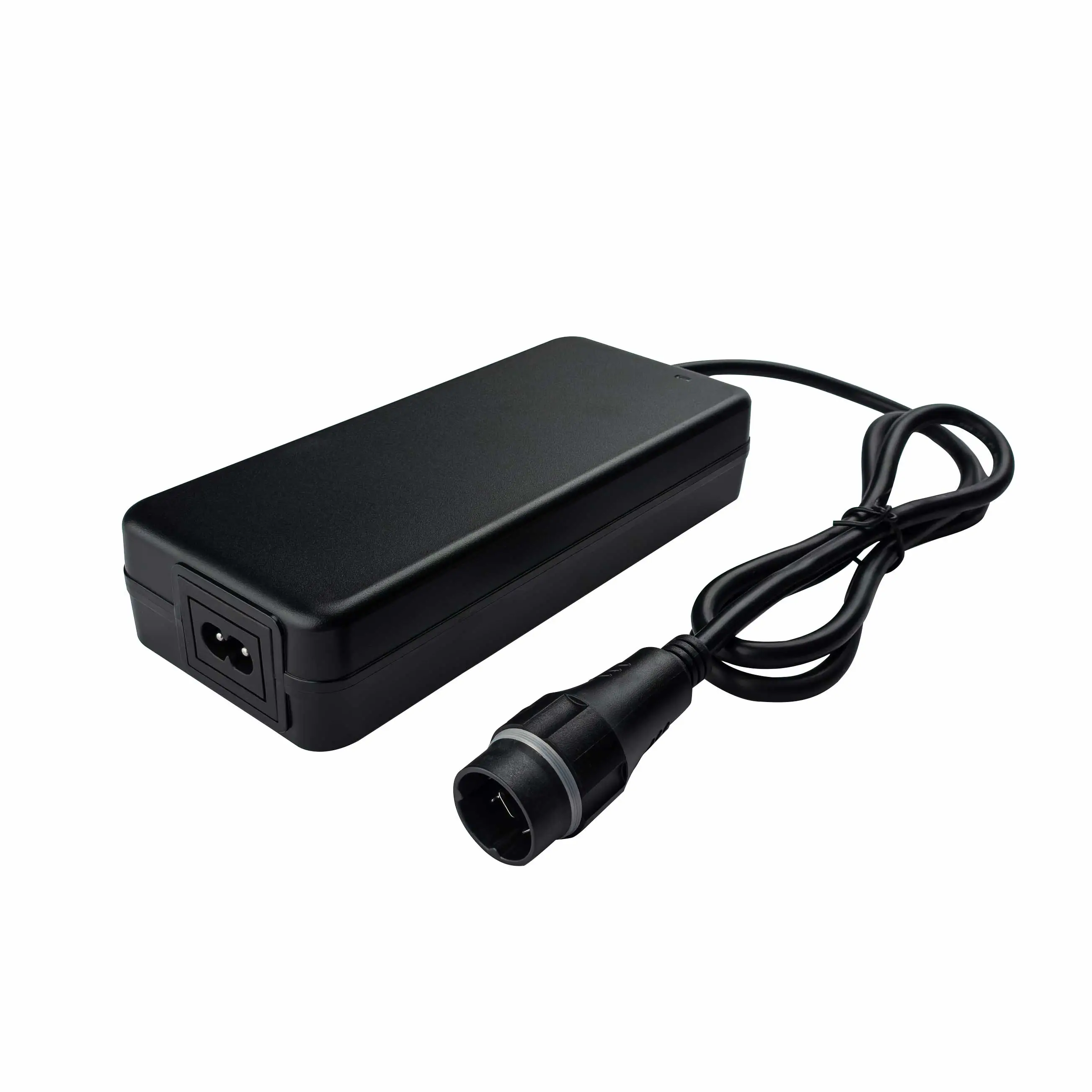
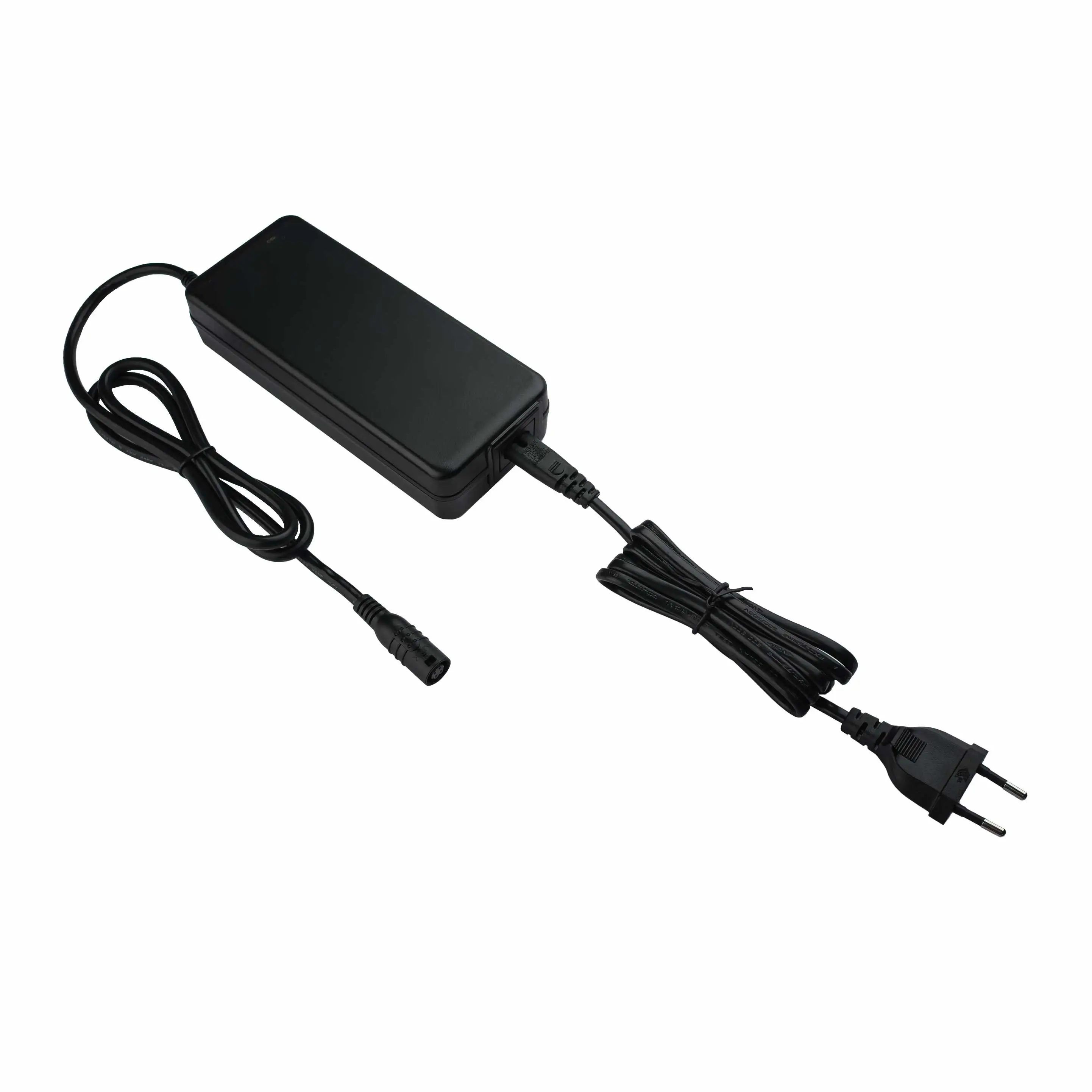
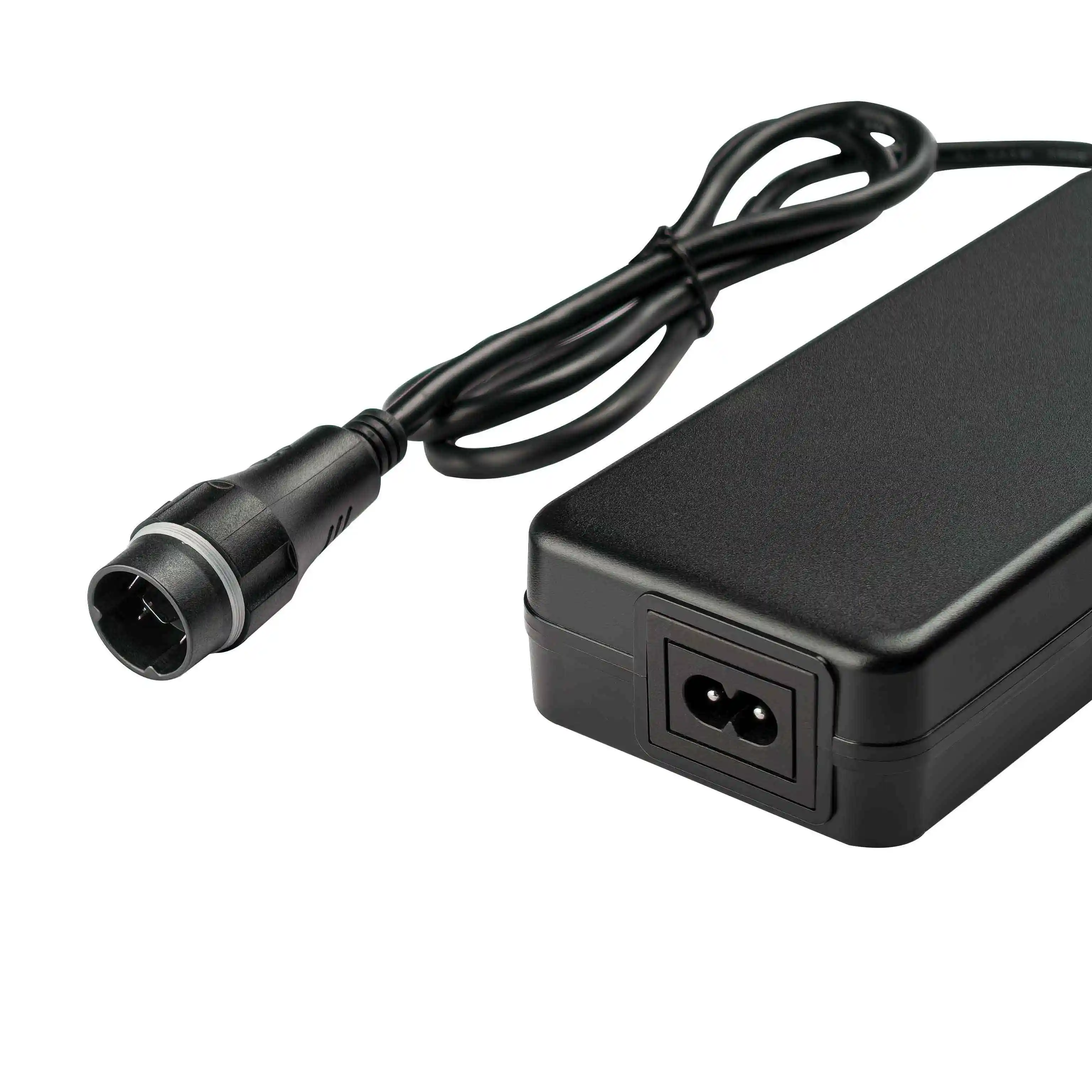
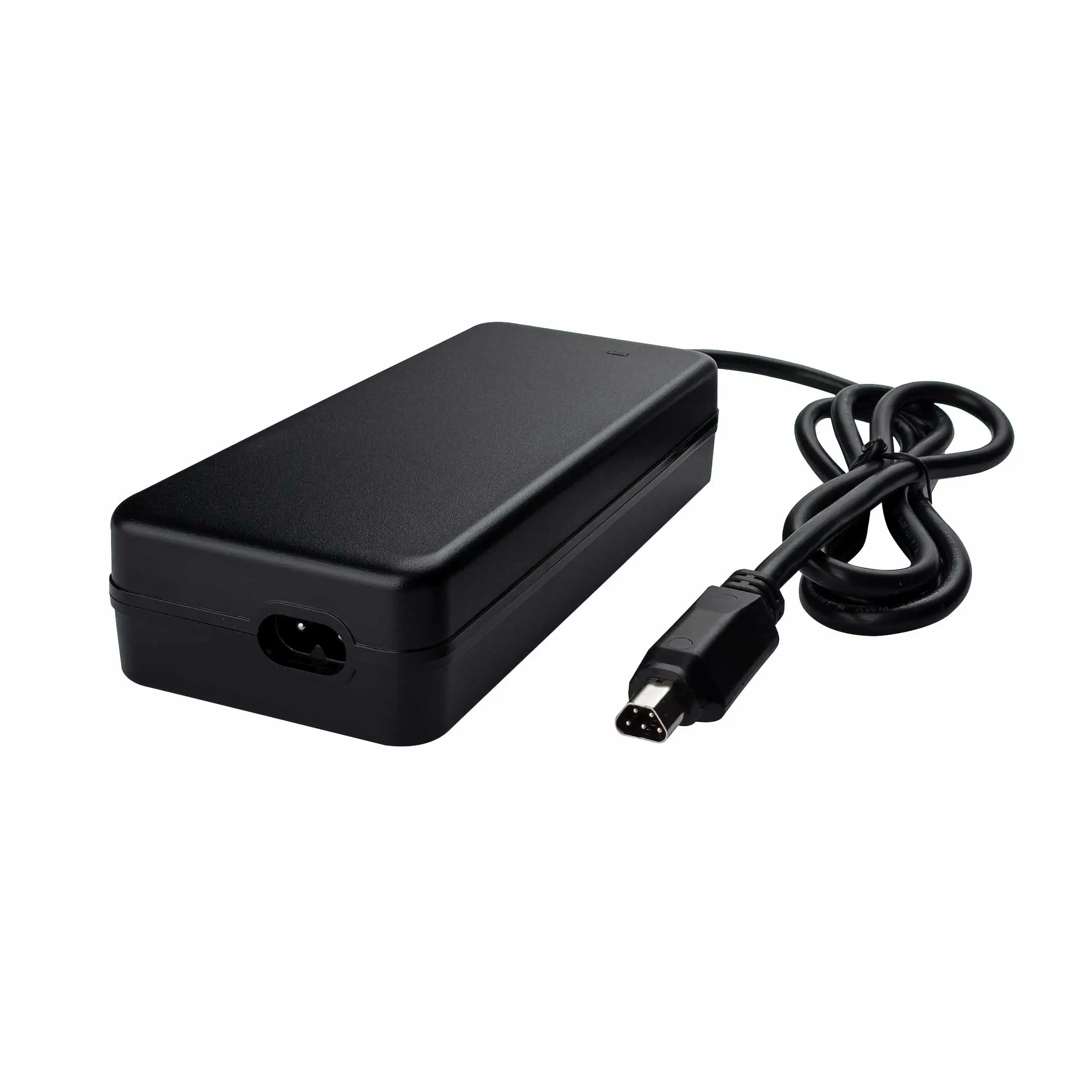
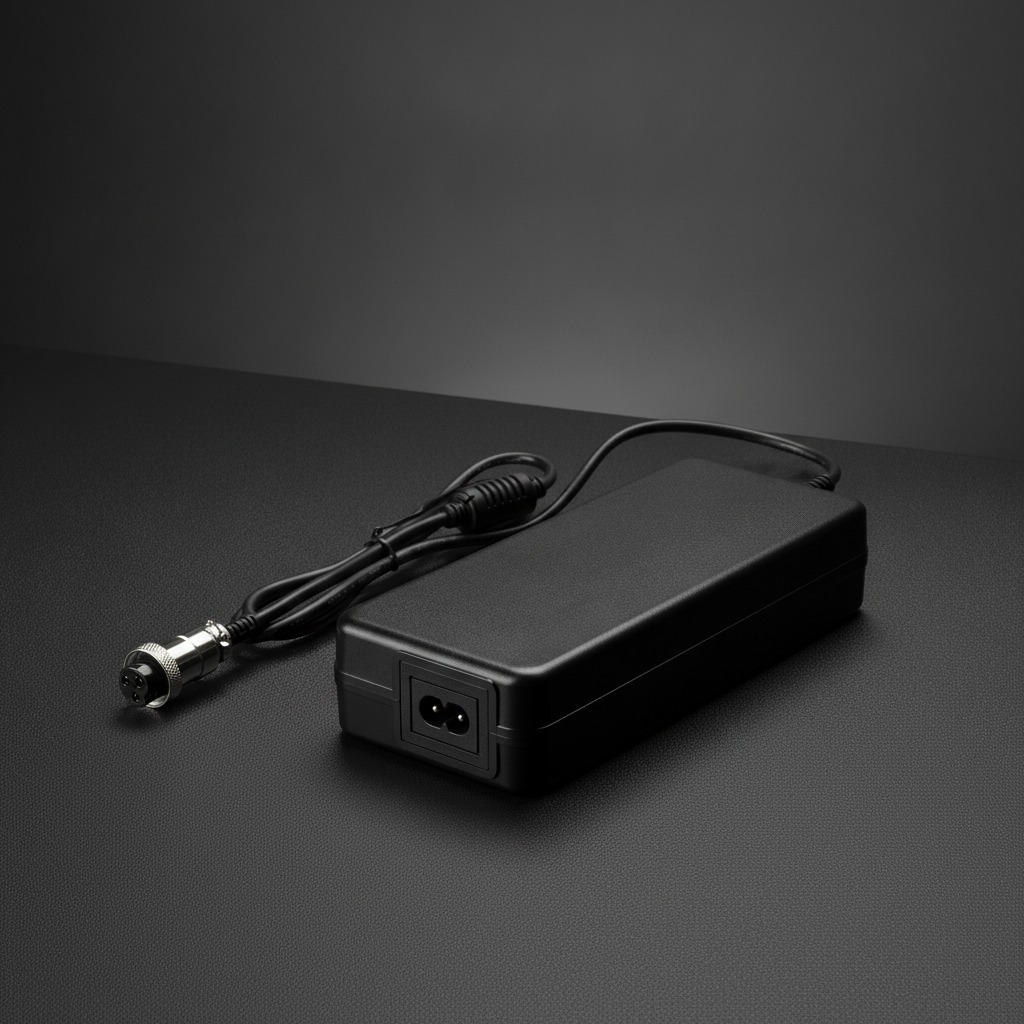
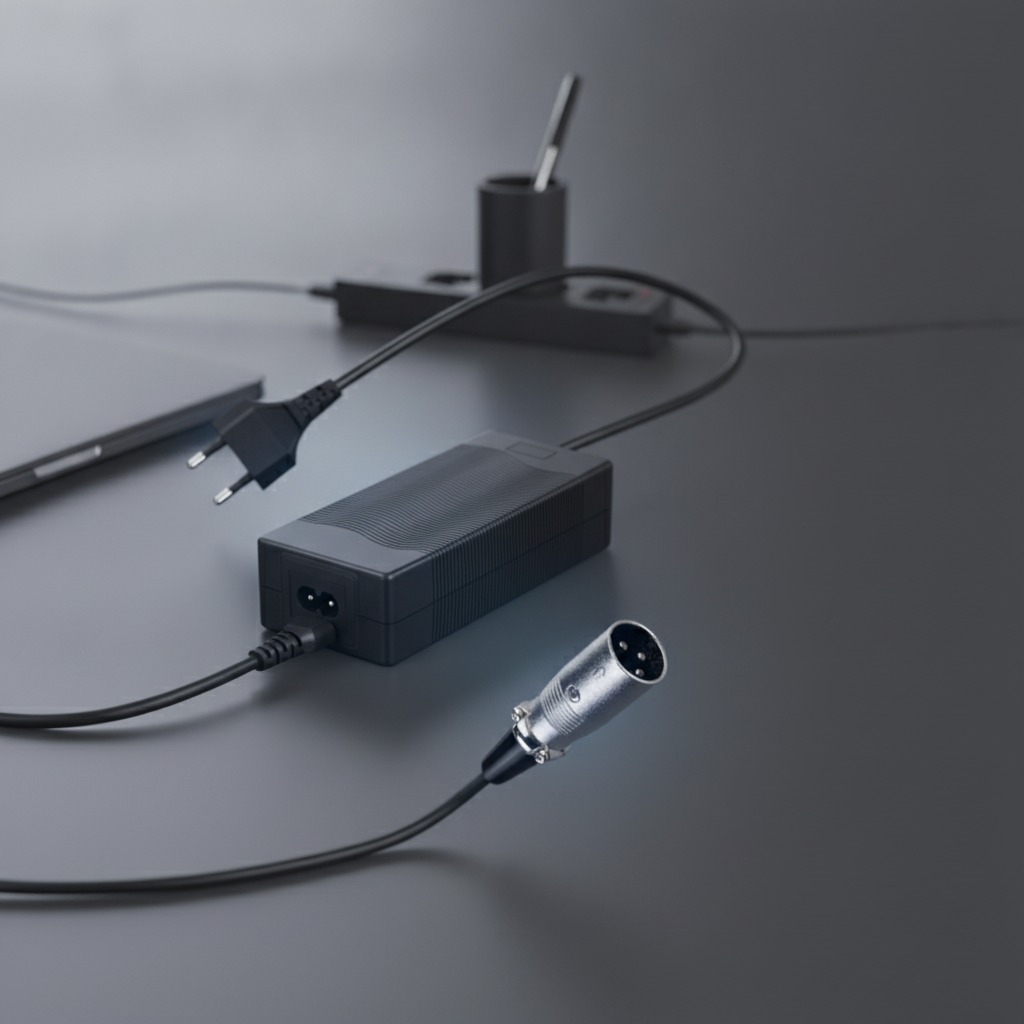
The visible product reference here points to a compact AC/DC power adapter style unit with a black molded housing, a two-pin European mains plug, and an XLR-style output connector. That combination is common in equipment that needs a small external power supply with a defined connector interface. The details matter because power hardware is rarely “universal” in practice. A close-looking adapter can still be wrong on voltage, polarity, pinout, or current capability.
What this type of charger or adapter is typically expected to do
From a manufacturing and sourcing perspective, this category sits between commodity power supplies and fully bespoke electronics. Many projects start with a standard brick and then discover they need a different output connector, better cable routing, a revised housing, or a more application-specific electrical profile.
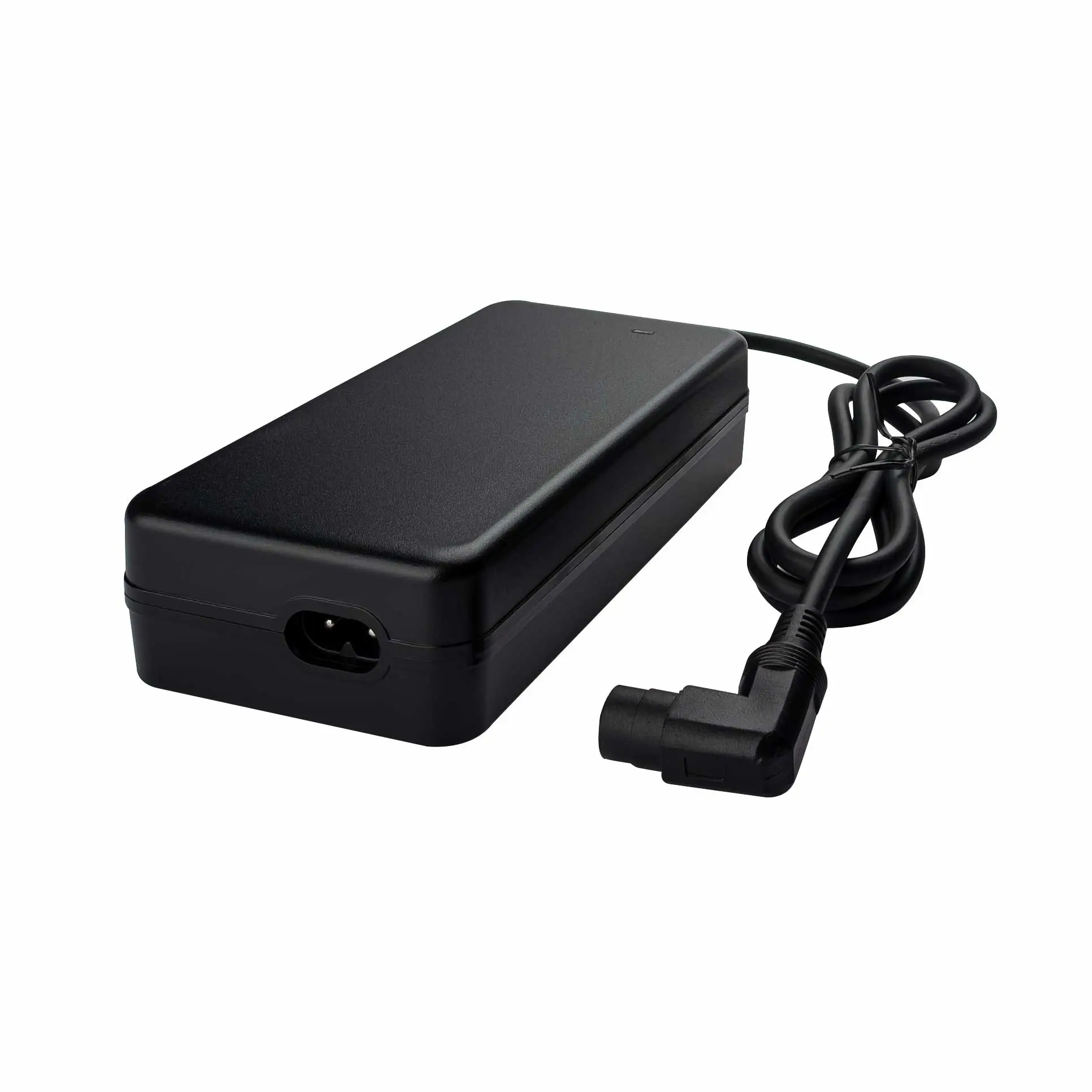
The product image suggests an injection-molded plastic enclosure with a ribbed surface, likely chosen for handling and a bit of perceived heat management. It also appears to use a fixed output cable and a mains input on the plug side. In plain terms, this is the kind of unit buyers select when they want a compact external supply rather than a built-in power stage.
That distinction matters. A desktop adapter, a wall-mounted charger, and a custom battery charger are not interchangeable categories. A true battery charger must match the battery chemistry and charging logic, while a generic AC/DC adapter simply provides power at a fixed electrical output. If a project uses lithium packs, the charger architecture becomes more sensitive. A 24V 2A lithium battery charger, for example, is not just about delivering 24V; it also has to fit the pack configuration and charging requirements of the system.
Key technical decisions buyers should pin down early
The shortest path to a workable sourcing brief is to answer a few questions before asking for quotes:
1. What is the real load requirement?
Do not start with the connector alone. Determine voltage, current, and duty cycle first. A charger or adapter that looks correct can still fail if the current headroom is too small or the output behavior does not suit the device.
2. Which connector standard is actually needed?
The reference product appears to use an XLR-style output connection. That can be useful in AV and stage equipment, but the exact pinout must be verified. Buyers sometimes assume the connector shape tells the whole story. It does not. Pin assignment and polarity are the practical issue.
3. Is the unit a charger, an adapter, or a power supply?
These terms get mixed together in sourcing discussions. A battery charger manages charging; an adapter supplies power; a power supply may do either depending on design. Confusing them can delay a project and create compliance headaches later.
4. How will the enclosure be used?
If the unit must sit on a stage floor, in an equipment rack, or in a portable kit, form factor becomes more than aesthetics. Cable exit direction, strain relief, and surface texture can all affect usability. The black rectangular housing shown here is compact, but the final decision should still consider ventilation and physical protection.
Common mistakes in custom charger sourcing
One recurring mistake is asking for a “custom charger” without defining the battery chemistry or device interface. Another is assuming the visible plug and connector are enough to confirm compatibility. They are not.
A second problem is over-specifying too early. Buyers sometimes lock in a housing shape or cable layout before confirming electrical parameters. That can force expensive revisions. It is usually smarter to fix the electrical requirements first, then refine the mechanical package.
A practical caution: if the unit will power audio or stage equipment, noise performance matters. Poorly filtered supplies can create hum or interference even when the voltage is correct. That issue tends to show up late, which is exactly when nobody wants it.
What manufacturers usually need from buyers
A serious custom battery charger manufacturer will typically ask for a short but specific brief:
- Input source and region
- Required output voltage and current
- Battery chemistry, if it is a charger rather than a simple adapter
- Connector type and pinout
- Enclosure preferences
- Operating environment
- Any branding, labeling, or cable constraints
If you do not have all of that yet, that is normal. But you should at least know what the device must power, how long it runs, and where it will be used.
How to compare options without getting lost in specification sheets
For procurement teams, the best comparison is not always between prices. It is between fit and risk. A lower-cost unit that needs field rework or creates compatibility issues is rarely cheaper in the end. Look for clarity on the output interface, assembly quality, and whether the supplier can support a mechanical or electrical variant when needed.
The compact adapter shown in the product reference is a good reminder that small details carry real weight. A molded housing, fixed cable, and connector choice are all part of the product decision, not afterthoughts.
Next step for sourcing teams
If your project needs a custom battery charger or a tailored AC/DC power solution, start by documenting the electrical output, connector requirement, and end-use environment. That will help you separate standard offerings from genuinely custom builds and reduce the risk of a mismatch.
For teams evaluating a custom battery charger manufacturer, the best next step is to share a clear use case and ask for a design review before discussing price. That small delay often saves a larger revision later.