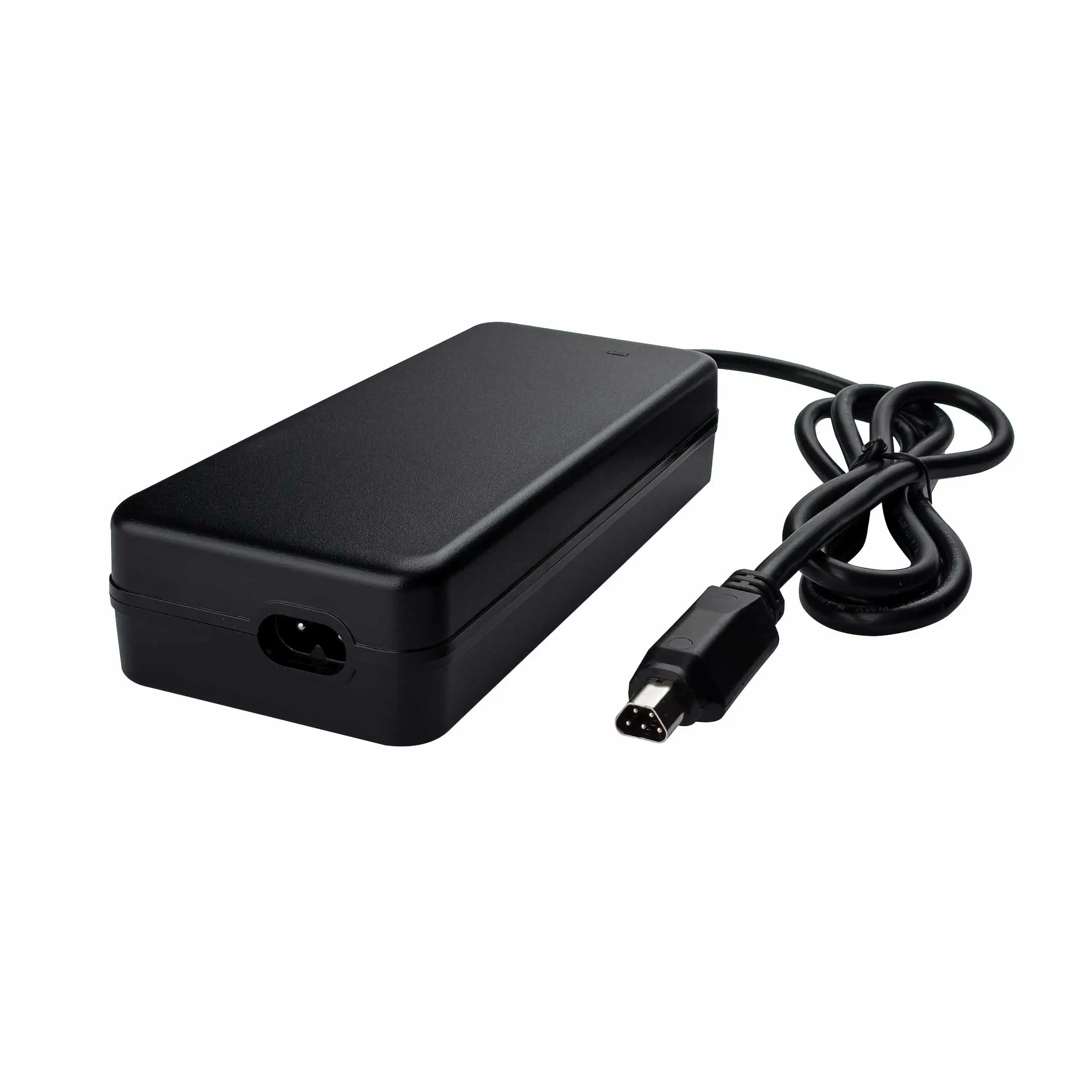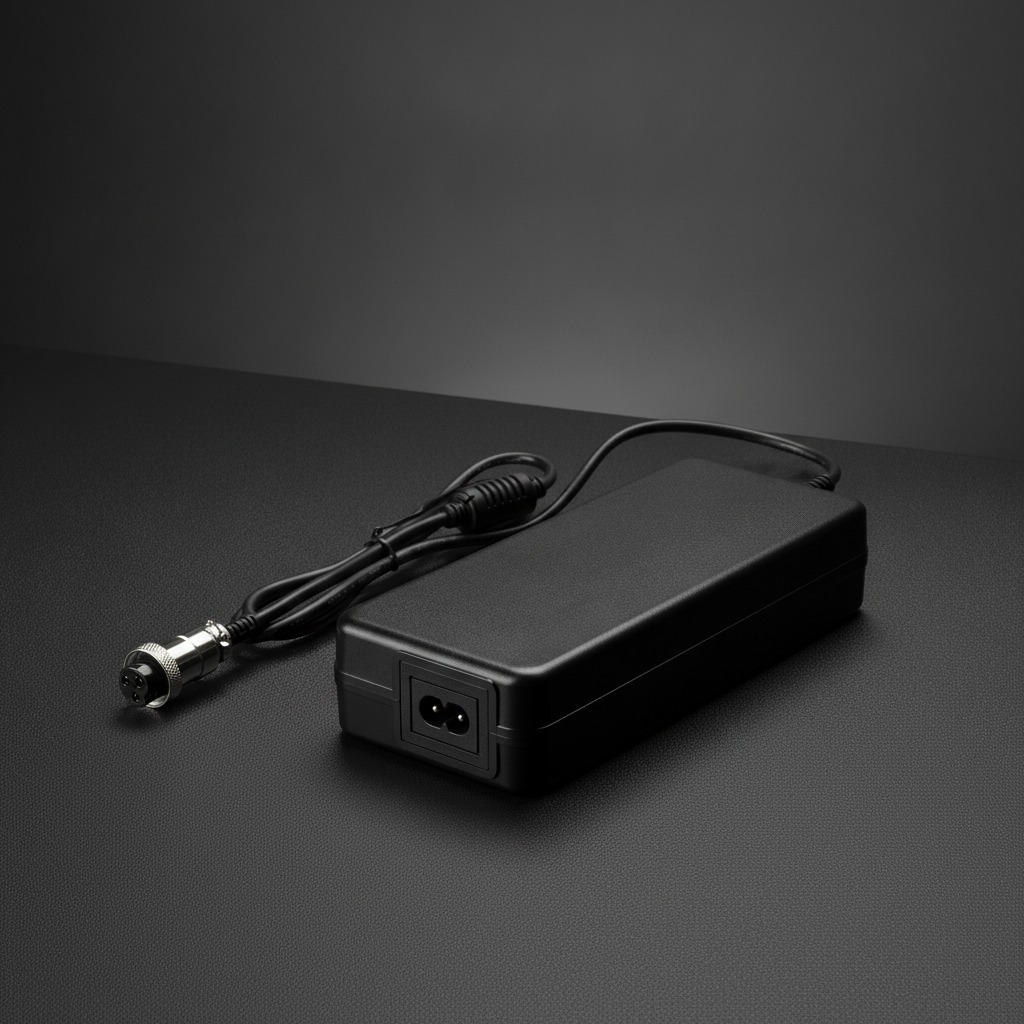

High-Quality Power Adapters, Meet Your Diverse Charging Needs
logo
Language
Language:
US flagEnglish
User
Hi, Sign in
Cart
Cart
Track

Custom Battery Charger Manufacturer: What Buyers Should Know

  • Buying Guide
Posted by Juxon On Jun 02 2026

Why buyers look for a custom battery charger manufacturer
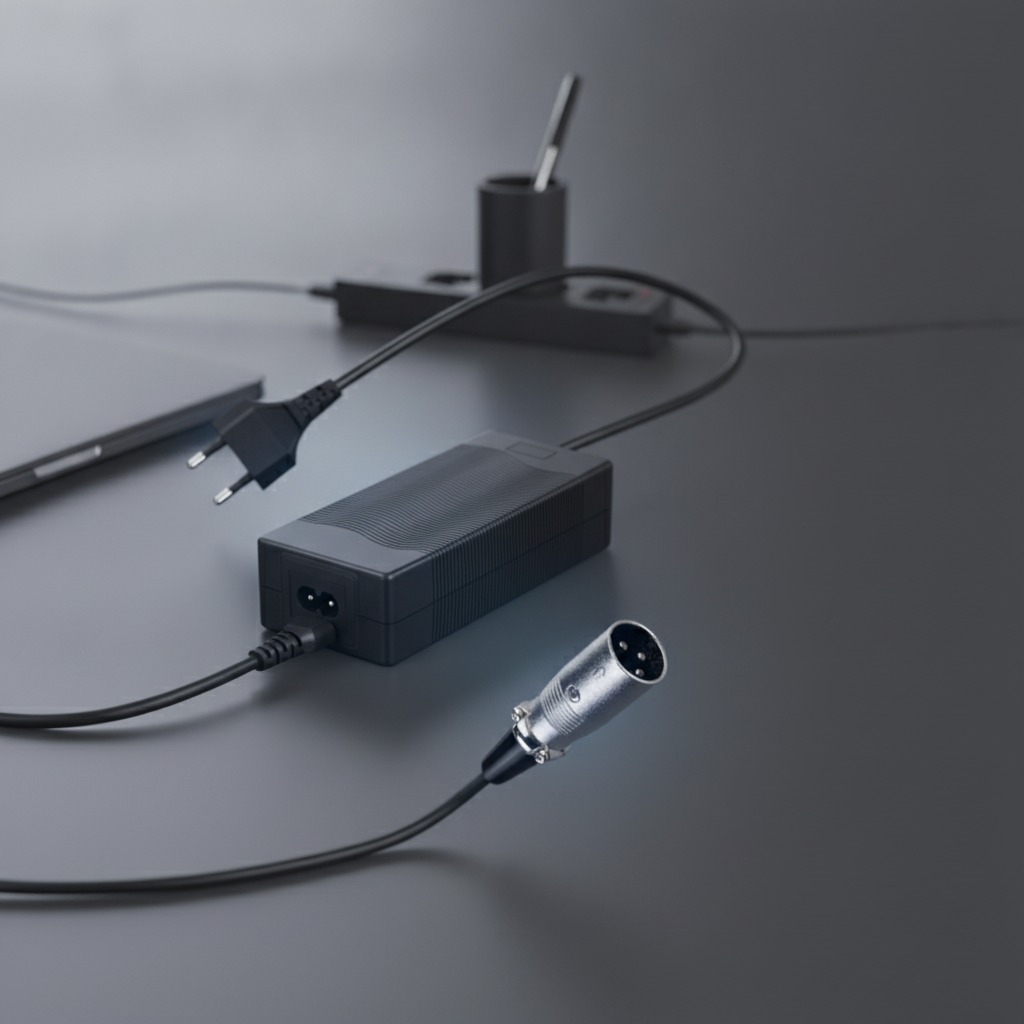
When a battery-powered product moves from prototype to production, the charger stops being a generic accessory and becomes part of the system. That is where a custom battery charger manufacturer matters. The charger has to match the battery chemistry, output current, connector style, enclosure limits, and the way the end user actually charges the equipment. Miss one of those pieces and you get support calls, warranty issues, or a product that looks finished but behaves like a compromise.

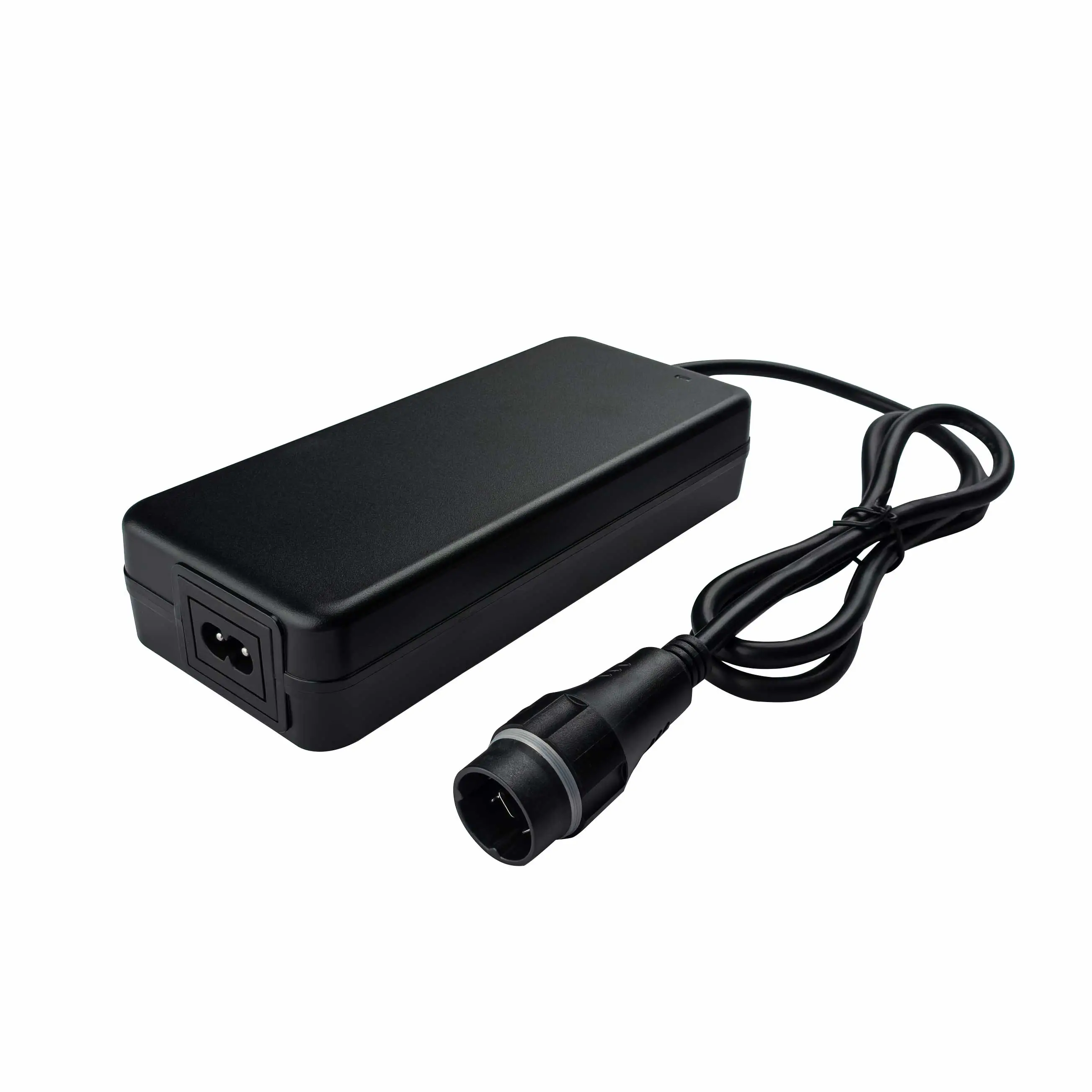
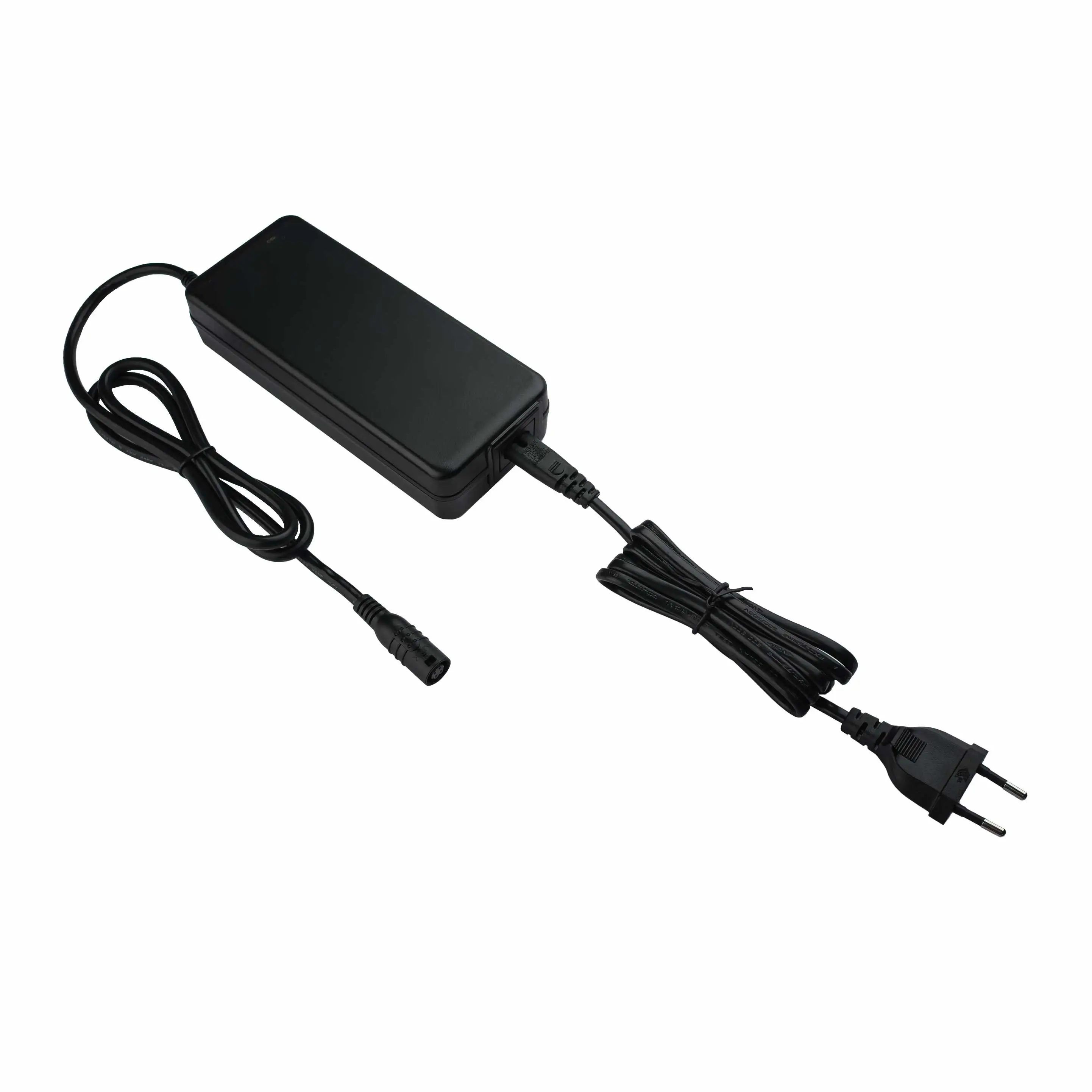
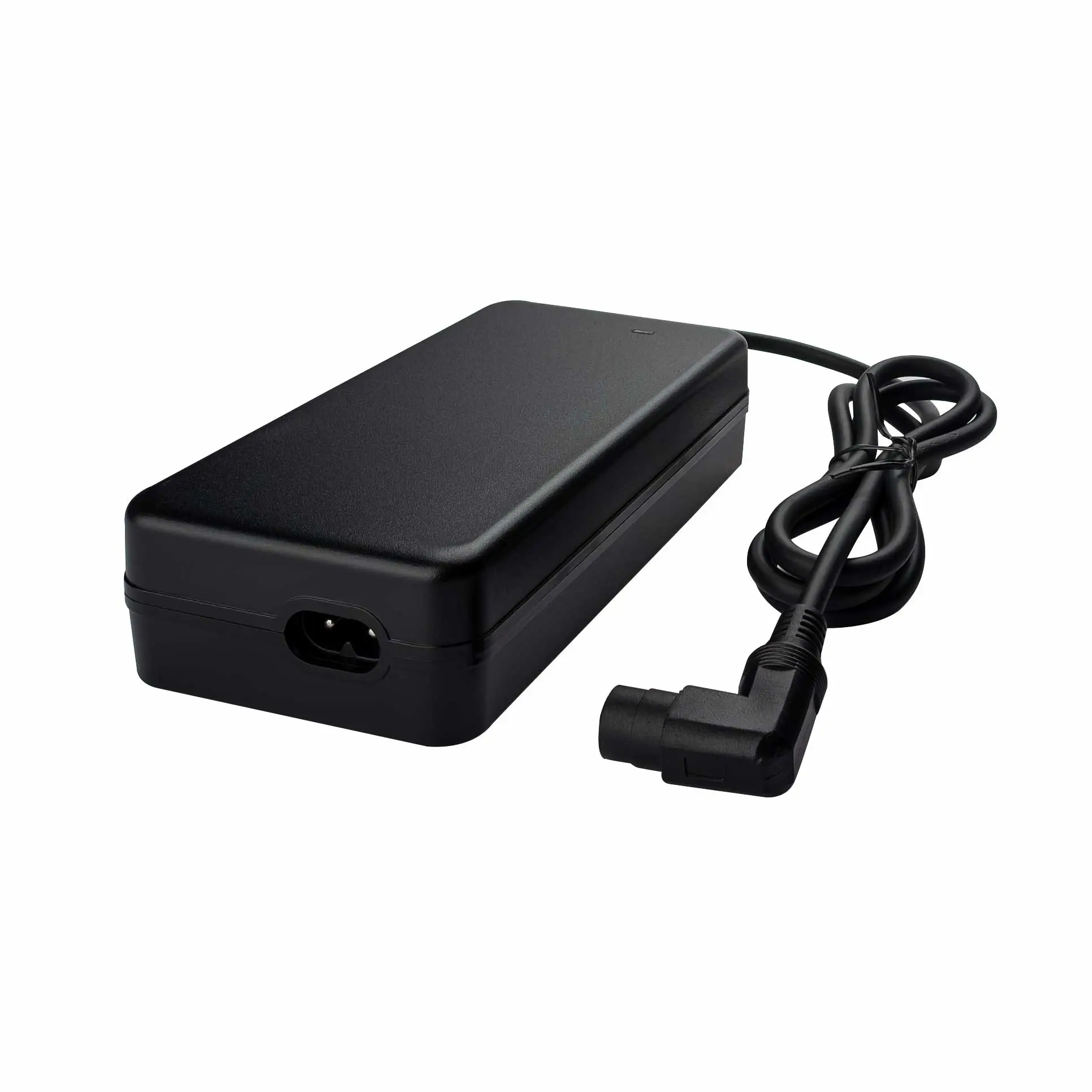
For engineers and sourcing teams, the decision is rarely just about buying power electronics. It is about getting an AC-to-DC charging assembly that fits the product’s voltage window, charging profile, branding needs, and safety expectations. In the light electric vehicle and industrial battery space, that often means a compact inline charger with a molded housing, fixed input lead, and a matching output connector. The visible unit described in the preparation data fits that general pattern: a black rectangular charger brick with a European two-pin AC plug and a circular multi-pin output connector, likely intended for rechargeable battery systems such as e-bikes, scooters, mobility devices, or other low-to-mid power packs.


What this type of charger is doing in the system

A battery charger of this kind converts mains AC input into controlled DC output for charging rechargeable batteries. That sounds simple on paper, but the practical detail is everything. Battery chemistry determines the charging curve. The pack voltage determines the target output. The connector determines whether the charger is easy to use, hard to misuse, or impossible to source later when a replacement is needed.

The company notes supplied with this request suggest a broad product capability range: 12W to 3000W, 12V to 84V, and support for Li-ion, LiFePO4, lead-acid, gel, NiMH, and NiCd. Those figures are useful as a sourcing signal, but they are not visible in the product image and should be verified separately before they are written into a spec sheet or catalog listing. Buyers should treat them as stated capability, not assumed fact for the pictured unit.


Quick buyer takeaways

If you are sourcing a charger for an OEM or private-label program, the most important questions are not cosmetic. They are: What battery chemistry is being charged? What is the pack voltage range? What current is acceptable for the battery management strategy? What connector is required at the product interface? And how much room do you have for a charger brick, cable strain relief, and labeling?

A compact external charger can simplify the end product, especially where heat, enclosure space, or certification scope are sensitive. But a compact design also raises practical issues: cable durability, connector wear, and whether the user can clearly tell the correct charging sequence. Small omissions here cause outsized problems later.


What to look for in a custom charger design

1. Output matched to the battery, not just the product category

Two e-bikes may both use external chargers and still need very different outputs. One may need a 24V 2A lithium battery charger, another may need something entirely different. Voltage, current, and chemistry need to line up with the pack and its protection electronics. If the charger is too aggressive, you shorten battery life. If it is too conservative, users complain that charging takes too long. Neither outcome is attractive to a product team.

2. Connector choice and field usability

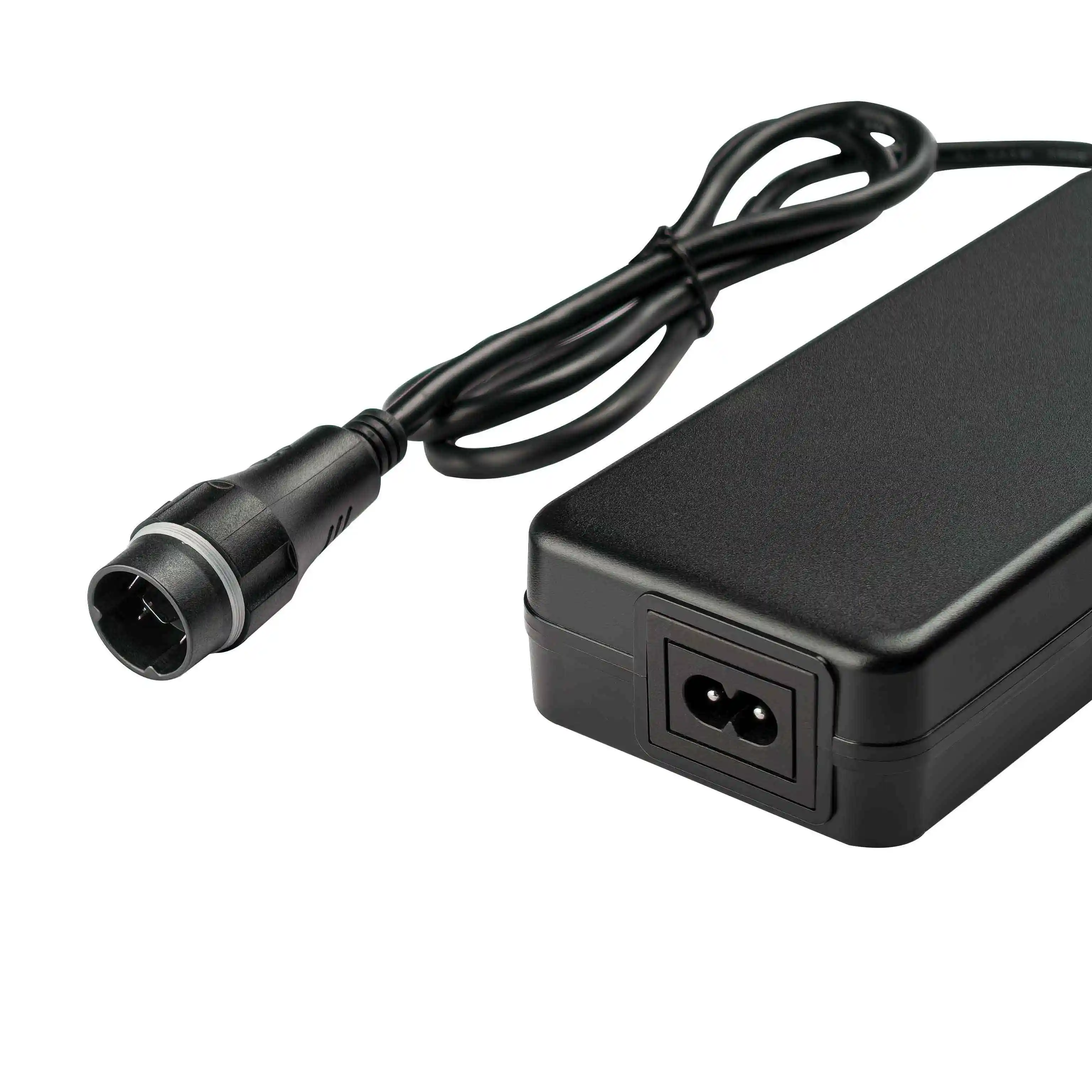
The pictured charger uses a circular multi-pin connector with a knurled metal coupling ring. That style usually signals a secure mechanical connection and better retention than a loose barrel plug. It can also support more complex pin arrangements, though the actual pinout is not provided here. The caution for buyers is simple: connector family and mating hardware need to be chosen with serviceability in mind. If the connector is obscure, replacements become a problem. If it is too generic, accidental mismatch becomes a problem.

3. Housing, grip, and thermal behavior

The visible enclosure is a black molded plastic brick with a matte finish, rounded corners, and a textured top surface. Those design choices are common in charger assemblies because they help with handling and hide wear. They can also support internal packaging for power components and cable exits. Still, buyers should not assume a textured top means better cooling. Unless thermal design data is supplied, it is just a visual cue, not proof of performance.


Common charger architectures used in custom programs

Most OEM charger programs fall into one of a few practical categories. Some are simple replacement chargers for an existing battery system. Others are branded private-label accessories sold alongside the equipment. A third group is built around a new battery platform, where the charger becomes part of the core product architecture.

For light electric vehicles and industrial battery systems, the external AC-to-DC charger remains popular because it keeps weight out of the vehicle or machine. It also makes repair and upgrades easier. The tradeoff is that the charger has to survive daily handling, cable bending, plug wear, and real-world storage conditions. That is where molded enclosures, overmolded cable ends, and proper strain relief matter more than a glossy finish.


Selection criteria sourcing teams should not skip

First, verify the electrical requirements against the battery pack documentation. Do not rely on a generic “fits 24V battery” description. Chemistries behave differently, and charging logic differs accordingly. Second, confirm input standard. The visible unit appears to use a 2-pin European plug, which is helpful for some markets and a mismatch for others. Third, check labeling and compliance documentation early, especially if the charger will ship as part of a regulated product bundle.

The preparation data mentions CE, RoHS, and UKCA support, but again, these are company notes rather than visible product evidence. A cautious buyer would request the actual declaration files and test reports before committing to tooling, packaging, or a forecast. That may sound obvious, but it is exactly where rushed programs get caught.

Fourth, think about replacement strategy. A charger that is technically excellent but hard to source in three years will become a service headache. This is why custom battery charger manufacturer relationships often outlast the original product launch. You are not just buying a part; you are buying continuity.


How the manufacturing side usually works

Based on the visible construction, this type of charger is likely assembled from an internal PCB and power electronics housed in an injection-molded enclosure, with cable overmolding at the AC and DC ends. That is standard practice for compact power products. It allows the manufacturer to control fit, insulation, and external durability while keeping the design suitable for branding and regional plug variants.

In custom programs, the biggest manufacturing variables are often the least visible ones: component selection, thermal margin, protection features, and final test procedures. Buyers should ask how the unit is validated, what load conditions are used during factory testing, and how output consistency is checked across production lots. If a vendor gets vague at that point, pay attention. Vague answers in charger sourcing usually become expensive answers later.


Typical mistakes buyers make

The most common mistake is buying by wattage alone. Wattage matters, but it does not tell you whether the charger is appropriate for the battery chemistry or the pack’s charge algorithm. Another mistake is assuming the connector can be changed later without impact. In reality, connector changes often affect cable assembly, strain relief, pinout, and sometimes even the mechanical envelope of the charger.

It is also easy to overfocus on the housing style and underfocus on the service environment. A charger for a consumer mobility product may need different cable robustness than one used in an industrial setting. Water exposure, repeated plug cycles, storage temperature, and user handling all influence long-term reliability. That part of the spec is not glamorous, but it is what determines whether a product gets returns or repeat orders.


Where a custom charger program adds the most value

A well-executed custom charger program helps when the battery system is proprietary, when the product is sold into multiple regions, or when the brand wants to control the charging experience. It is also valuable when the existing off-the-shelf supply chain is unstable. In those cases, a custom battery charger manufacturer can tailor the output, plug style, enclosure, and labeling to fit the product rather than forcing the product to fit the charger.

For private-label and OEM buyers, that often means better packaging integration and fewer compromises on industrial design. For engineering teams, it means fewer awkward workarounds in the field. The caution is that customization should be driven by system requirements, not by aesthetic preference alone. A charger can look clean and still be a poor technical match.


FAQ

Can one charger cover multiple battery chemistries?

Sometimes, but only if the charging logic and output profile are designed for that purpose. Do not assume chemistry flexibility without documentation.

Is the pictured charger definitely a 24V 2A lithium battery charger?

No. That specific output is not confirmed in the supplied data. It is better to describe it as a charger that may be configured for custom battery voltage and current requirements.

Should buyers request certification documents even if the supplier mentions CE or RoHS?

Yes. Any compliance claim should be backed by the relevant files before launch, especially if the charger is going into a branded product.


What to ask before you place a sourcing inquiry

Start with the battery specifications, then the connector requirements, then the market destination. After that, ask for available output ranges, sample control process, enclosure options, and documentation support. If your project needs a charger for an e-bike, scooter, mobility device, or industrial battery pack, a supplier should be able to map those requirements into a practical design discussion quickly.

If you are evaluating a custom battery charger manufacturer now, the best next step is to prepare a one-page charging brief: battery chemistry, pack voltage, desired charge current, connector photo or drawing, target region, and any packaging constraints. That is usually enough to separate a serious supplier from a brochure-only vendor and move the conversation toward a real quotation.

Featured Blogs

Tag:

  • Buying Guide
Share On
Featured Blogs
72W E-Bike & Electric Scooter Power Adapter: What Buyers Should Check

72W E-Bike & Electric Scooter Power Adapter: What Buyers Should Check

1. What a 72W E-Bike & Electric Scooter Power Adapter Actually Solves 2. Quick Read: What Buyers Should Notice First 3. What the Image Tells Us About Construction 4. Why 72W Matters, and Why It Does Not Tell the Whole Story 5. Where This Type of Adapter Fits in Manufacturing and Assembly 6. Selection Criteria for Engineers and Sourcing Teams 7. Common Mistakes When Buying This Kind of Power Supply 8. Practical Buyer Advice Before You Commit 9. FAQ: Short Answers Buyers Usually Need 10. What to Request From the Supplier Next

48W E-Bike & Electric Scooter Battery Charger Guide for OEM Buyers

48W E-Bike & Electric Scooter Battery Charger Guide for OEM Buyers

1. What buyers are really trying to solve with a 48W e-bike or scooter charger 2. What this product category usually looks like in manufacturing terms 3. Why the 24V / 36V / 48V range matters 4. Quick buyer reference: what to confirm before you place an order 5. Selection criteria that matter in the real world 6. How this charger format is typically used 7. Common procurement mistakes 8. What a good manufacturer should be able to answer quickly 9. FAQ for sourcing and product teams 10. A practical next step for OEM and sourcing teams

Custom Battery Charger Manufacturer: What Buyers Should Know

Custom Battery Charger Manufacturer: What Buyers Should Know

1. Why buyers look for a custom battery charger manufacturer 2. What this type of charger is doing in the system 3. Quick buyer takeaways 4. What to look for in a custom charger design 5. Common charger architectures used in custom programs 6. Selection criteria sourcing teams should not skip 7. How the manufacturing side usually works 8. Typical mistakes buyers make 9. Where a custom charger program adds the most value 10. FAQ 11. What to ask before you place a sourcing inquiry

72W E-Bike & Electric Scooter Power Adapter: What Buyers Should Check

72W E-Bike & Electric Scooter Power Adapter: What Buyers Should Check

1. What a 72W E-Bike & Electric Scooter Power Adapter Actually Solves 2. Quick Read: What Buyers Should Notice First 3. What the Image Tells Us About Construction 4. Why 72W Matters, and Why It Does Not Tell the Whole Story 5. Where This Type of Adapter Fits in Manufacturing and Assembly 6. Selection Criteria for Engineers and Sourcing Teams 7. Common Mistakes When Buying This Kind of Power Supply 8. Practical Buyer Advice Before You Commit 9. FAQ: Short Answers Buyers Usually Need 10. What to Request From the Supplier Next

48W E-Bike & Electric Scooter Battery Charger Guide for OEM Buyers

48W E-Bike & Electric Scooter Battery Charger Guide for OEM Buyers

1. What buyers are really trying to solve with a 48W e-bike or scooter charger 2. What this product category usually looks like in manufacturing terms 3. Why the 24V / 36V / 48V range matters 4. Quick buyer reference: what to confirm before you place an order 5. Selection criteria that matter in the real world 6. How this charger format is typically used 7. Common procurement mistakes 8. What a good manufacturer should be able to answer quickly 9. FAQ for sourcing and product teams 10. A practical next step for OEM and sourcing teams

Custom Battery Charger Manufacturer: What Buyers Should Know

Custom Battery Charger Manufacturer: What Buyers Should Know

1. Why buyers look for a custom battery charger manufacturer 2. What this type of charger is doing in the system 3. Quick buyer takeaways 4. What to look for in a custom charger design 5. Common charger architectures used in custom programs 6. Selection criteria sourcing teams should not skip 7. How the manufacturing side usually works 8. Typical mistakes buyers make 9. Where a custom charger program adds the most value 10. FAQ 11. What to ask before you place a sourcing inquiry