Yamaha 625Wh E-bike Charger 42V 4A (168W) Overview
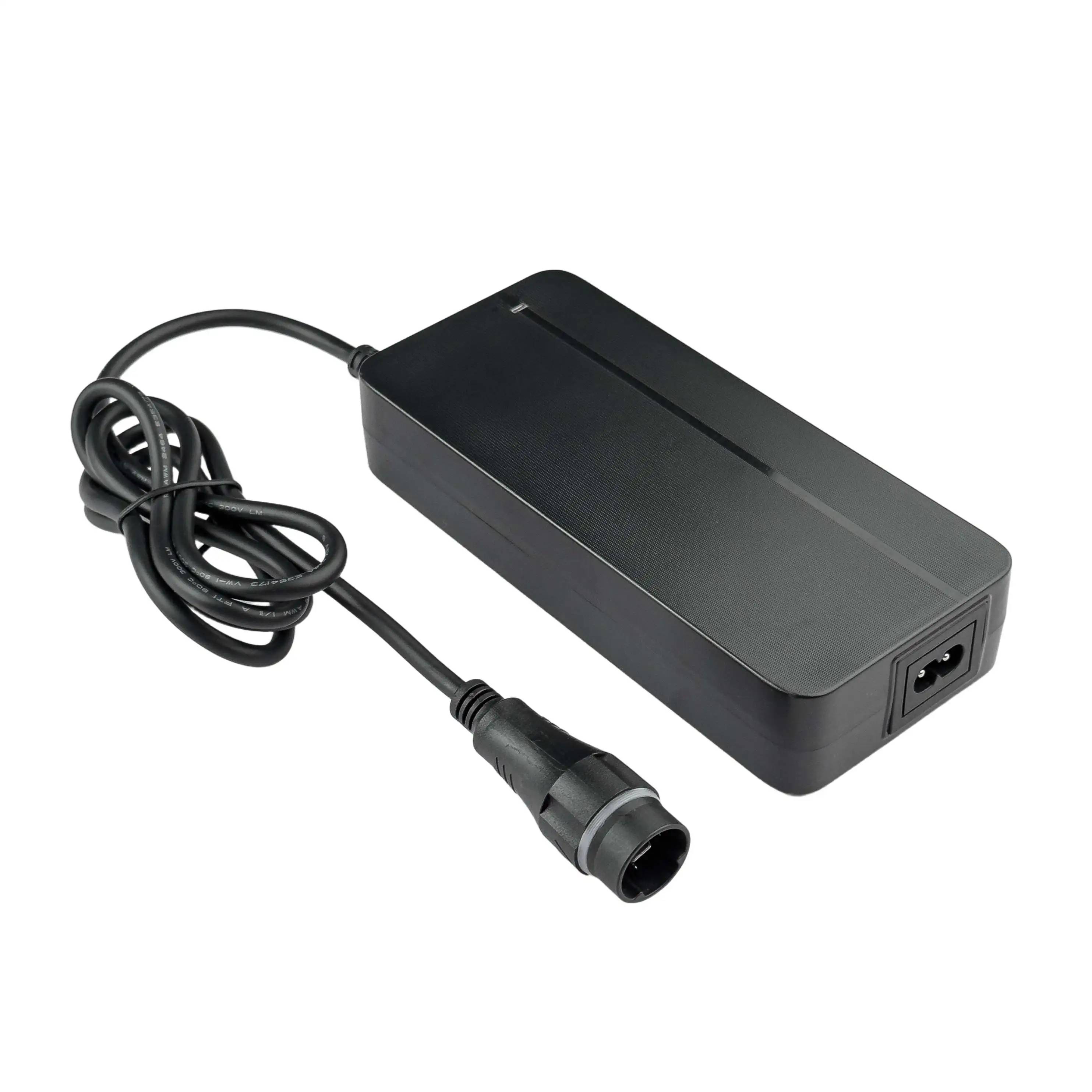
The Yamaha 625Wh E-bike Charger 42V 4A (168W) is intended for riders and service teams who need a compact external power supply format for compatible charging or low-voltage power applications. The buyer problem it helps solve is simple: when an original adapter is missing, damaged, or needed as a spare, a matching charger-style power unit keeps the bike or device ready for use without interrupting daily operation. The visible product form is a black rectangular power brick with attached cabling, which is a common layout for external AC/DC conversion in consumer and OEM equipment.
Based on the provided information and visible product structure, this page should be read as a product reference for a compact adapter-style charger body rather than a claim of exact electrical performance. Exact output voltage, current, connector polarity, and compatibility must be confirmed against the target device before purchase.
Product Snapshot
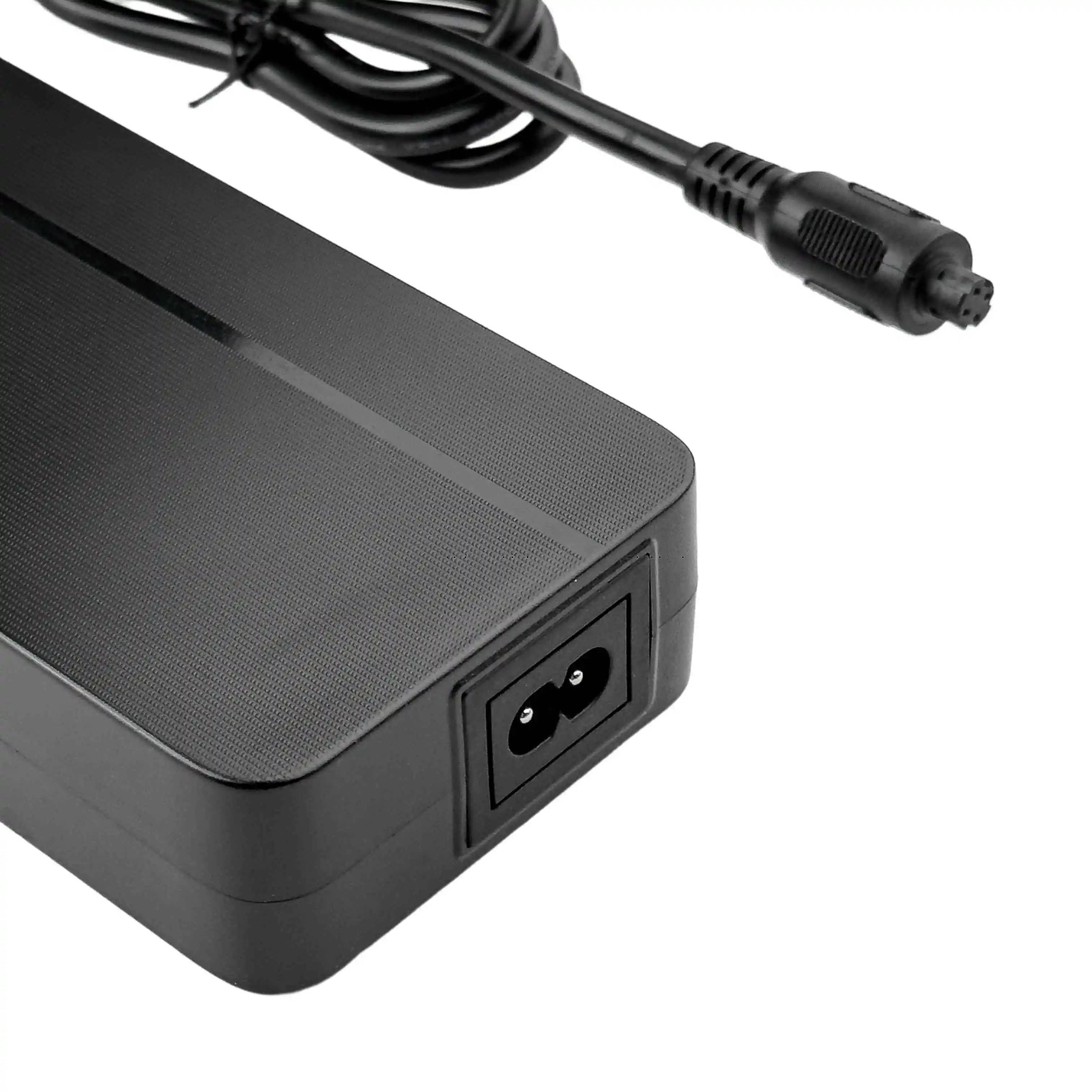
This unit is presented as an external AC/DC power adapter or charger module with a molded black housing, rounded corners, and a cable-connected output plug. A two-prong figure-8 style IEC C7 inlet is visible on the body, which suggests a detachable mains cord arrangement. The output side uses a round barrel-style connector, a format widely used across many electronics categories.
For procurement teams, the useful takeaway is the mechanical format: compact brick, cabled output, and separate AC inlet. Those are the visible traits that matter most when checking physical fit, packaging constraints, and field replacement convenience.
Key Visible Specifications and Capabilities
Form factor
The housing is rectangular, low-profile, and rounded at the edges. This shape is practical for desktop placement, under-desk mounting, or storage in a service kit. The matte black finish also helps reduce visible scuffing in normal handling.
Power connection style
The adapter body shows a figure-8 style IEC C7 input, indicating a detachable AC mains cord may be used. That can simplify regional cord substitution and reduces strain on the main body during packing or transport.
Output lead
An attached low-voltage cable exits the housing and ends in a round connector. This design is common when the powered device expects a fixed plug rather than a removable terminal block. Because connector diameter and polarity are not visible, exact mating must be verified before use.
Integrated cable management
The coiled cord in the image suggests a packaged set that includes both the mains lead and the output lead. For service departments, this is convenient because the adapter can be deployed without sourcing separate cords.
Materials and Surface Finish
The outer shell appears to be injection-molded plastic, which is the standard choice for external power supplies because it balances cost, electrical insulation, and impact resistance. The visible finish is black with a fine textured or matte surface. That finish is useful in real-world environments where fingerprints, dust, and minor scratches are common.
The cable exits and connector areas appear to use molded strain reliefs. From a manufacturing standpoint, strain relief is important because it reduces bending stress where the cable meets the housing or plug. That helps the assembly survive routine movement better than a bare cable exit.
Manufacturing and Assembly Process
Although the internal circuit is not visible, products in this category are typically built as an electronic power-supply assembly with a molded enclosure, internal conversion components, and overmolded cable assemblies. The process generally includes enclosure molding, PCB assembly, wire preparation, connector crimping or soldering, housing closure, and functional testing.
For buyers, the important point is not the hidden circuit topology but the final assembly quality: secure cable exits, stable housing seams, correct connector orientation, and consistent external dimensions. These features directly affect field reliability and replacement fit.
Application Scenarios
E-bike charging and service replacement
If the unit is being sourced as a Yamaha 625Wh E-bike Charger 42V 4A (168W), the most obvious use is as a replacement or spare charger for a compatible battery system. In that setting, having a dedicated adapter on hand reduces downtime for riders, fleet operators, and repair shops.
OEM accessory supply
Because the visible design is a standard compact AC/DC brick, it also fits OEM accessory programs where products are shipped with an external power module. Equipment makers often choose this architecture when internal space is limited or heat needs to be kept outside the main device enclosure.
General electronics replacement
Outside e-bike use, adapter-style power supplies are commonly used for compatible consumer electronics, networking devices, monitors, and other DC-powered equipment. The deciding factor is always the electrical match and connector fit, not just the exterior shape.
Quality Control Considerations
For buyers evaluating this type of product, quality control should focus on several practical checks. First, verify the connector fit and cable retention. Second, inspect the housing seam for alignment and consistent closure. Third, confirm that the input cord and output lead are properly strain-relieved. Fourth, ensure the labeled electrical ratings match the target device before connection.
Because no certification marks, efficiency claims, or test results were supplied, those should not be assumed. If your sourcing process requires regulatory documentation, ask for the relevant paperwork separately and confirm it against your market requirements.
Customization and Sourcing Guidance
For OEM or replacement programs, customization usually centers on the visible and mechanical interface: cable length, input cord style, plug type, output connector type, housing color, labeling, and packaging. Those details often determine whether a power adapter is serviceable in the field or suitable for regional distribution.
Before ordering, confirm four points: the required output rating, the exact connector dimensions, the polarity specification, and the intended input cord standard. Even a well-made adapter will not work safely if any of those are mismatched. For e-bike applications, battery system compatibility should be checked with particular care.
Buyer Decision Factors
When comparing this product against alternatives, focus on fit, cable layout, and serviceability rather than appearance alone. A buyer should ask whether the detachable mains cord is convenient for their region, whether the attached output lead is long enough for the installation, and whether the connector style matches existing equipment.
Other practical factors include storage footprint, replacement ease, and how the product will be used in the field. A compact adapter with a separate AC cord can be easier to stock and ship than a bulkier integrated cable design. For maintenance teams, that often lowers handling friction.
Why This Form Factor Works Well
The black rectangular power brick format remains popular because it is simple, familiar, and efficient to package. It separates the mains side from the low-voltage output, which is helpful for external power delivery. The visible design also suggests a balance between portability and durability, especially when the product is used as a spare charger or an OEM accessory.
For many purchasing teams, that balance matters more than elaborate features. A charger-style adapter is useful when the job is to supply stable power in a compact footprint, with minimal setup and straightforward replacement.
Request the Right Version
If you are sourcing the Yamaha 625Wh E-bike Charger 42V 4A (168W) or a similar adapter, send the required electrical specification, connector photo, and cable length target so the correct version can be matched. Since the visible image does not confirm the output rating or polarity, those details must be verified before deployment.
Contact us with your application, connector sample, or replacement needs, and we can help align the physical form factor and cable configuration with your equipment requirements.