
Converting from 36V to 42V: What really matters when changing the battery, charger and connection
Anyone wanting to convert an e-bike drive or battery system from 36V to 42V is usually faced not with a simple electronic detail, but with a system-wide question. This is especially true if an existing 36V BMZ battery, a compatible charger, or a Rosenberger or BMZ connector system is to be reused. On paper, the step sounds minor. In practice, it determines whether the battery charges properly, whether the connector fits, and whether the entire setup remains reliable in everyday use.
For purchasing managers, workshops, and technical teams, the most important question is therefore not just whether 42V means "more power." The crucial question is whether the existing system is even designed for this charging voltage. A 36V-2A charger operates differently than a 42V-2A charger, even if the casing may look almost identical. This is precisely where most incorrect purchases occur.
Why does 42V even appear in a 36V system?
Many e-bike batteries have a nominal system voltage of 36V. However, the actual charging voltage of such packs is often higher because the battery requires a defined final voltage value to be fully charged. Therefore, a 42V charger is not automatically a "conversion" in the mechanical sense, but often the appropriate charging source for a 36V battery with a corresponding charging profile.
This is an important distinction. Focusing solely on the "36V" figure can easily lead to overlooking the fact that the charger, battery chemistry, and BMS must be compatible. An incorrect output voltage or an incompatible connector can prevent charging or, in the worst case, cause damage. Therefore, the conversion should always be understood as a system upgrade, not simply an isolated parts replacement.
Replace the BMZ connector or insert a BMZ plug replacement?
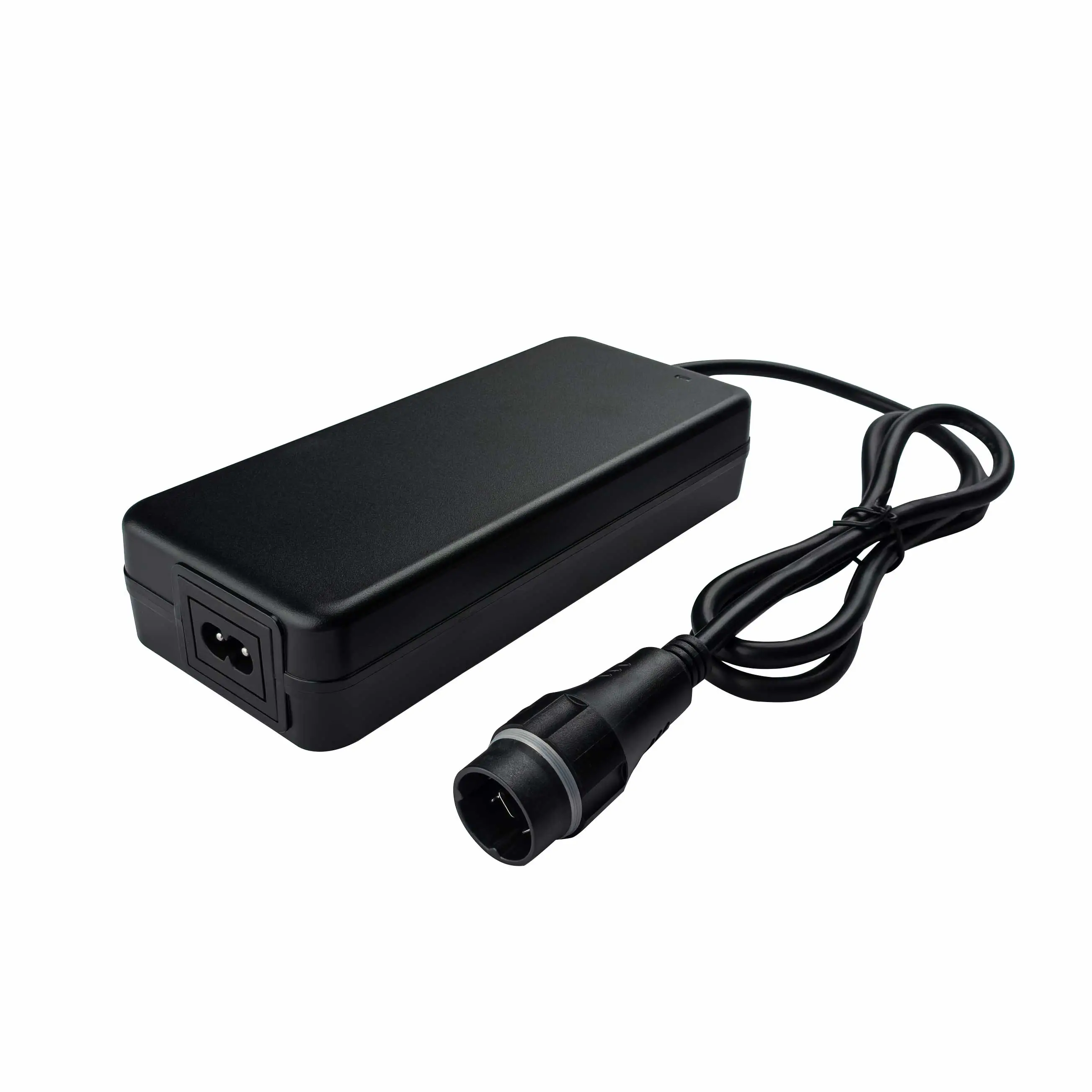
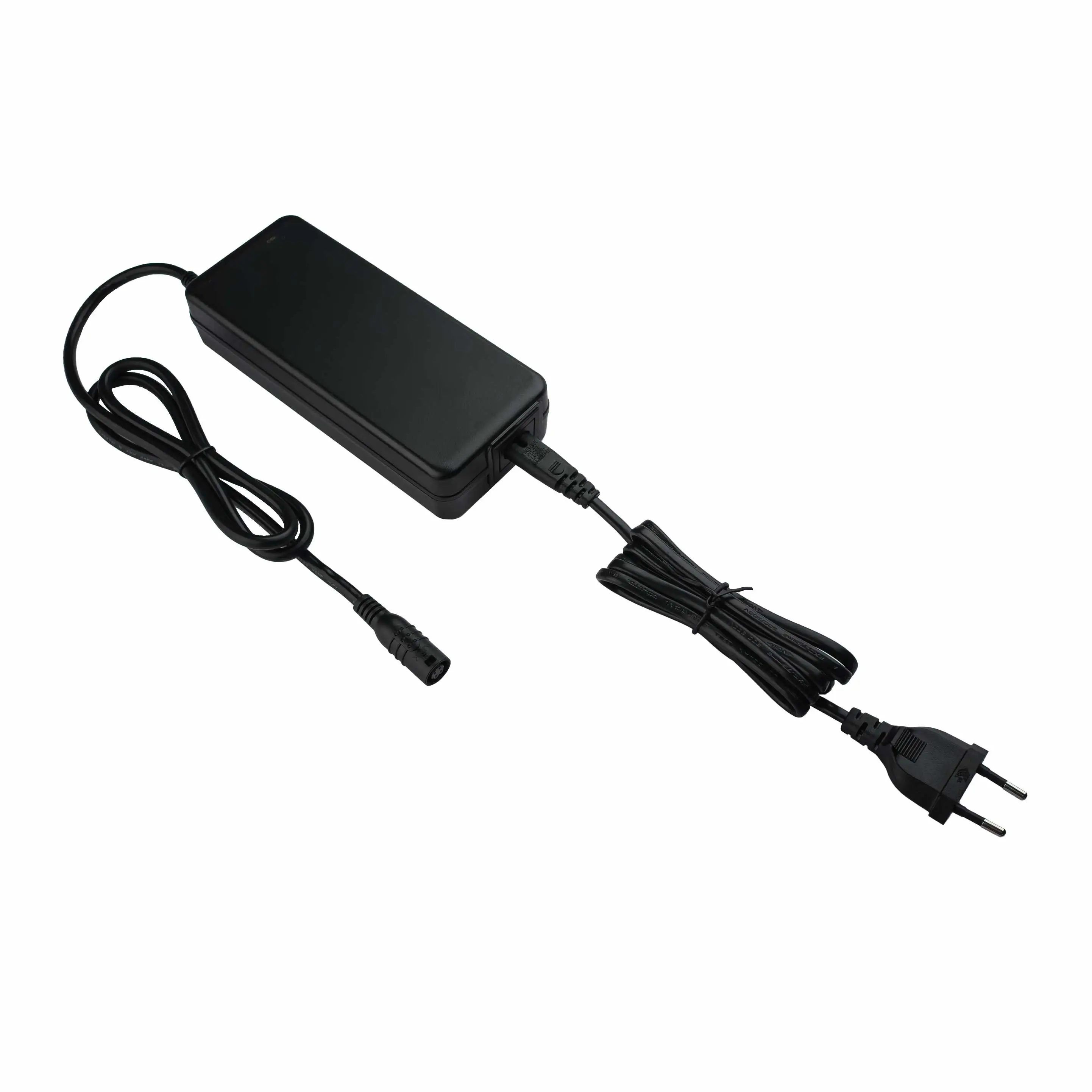
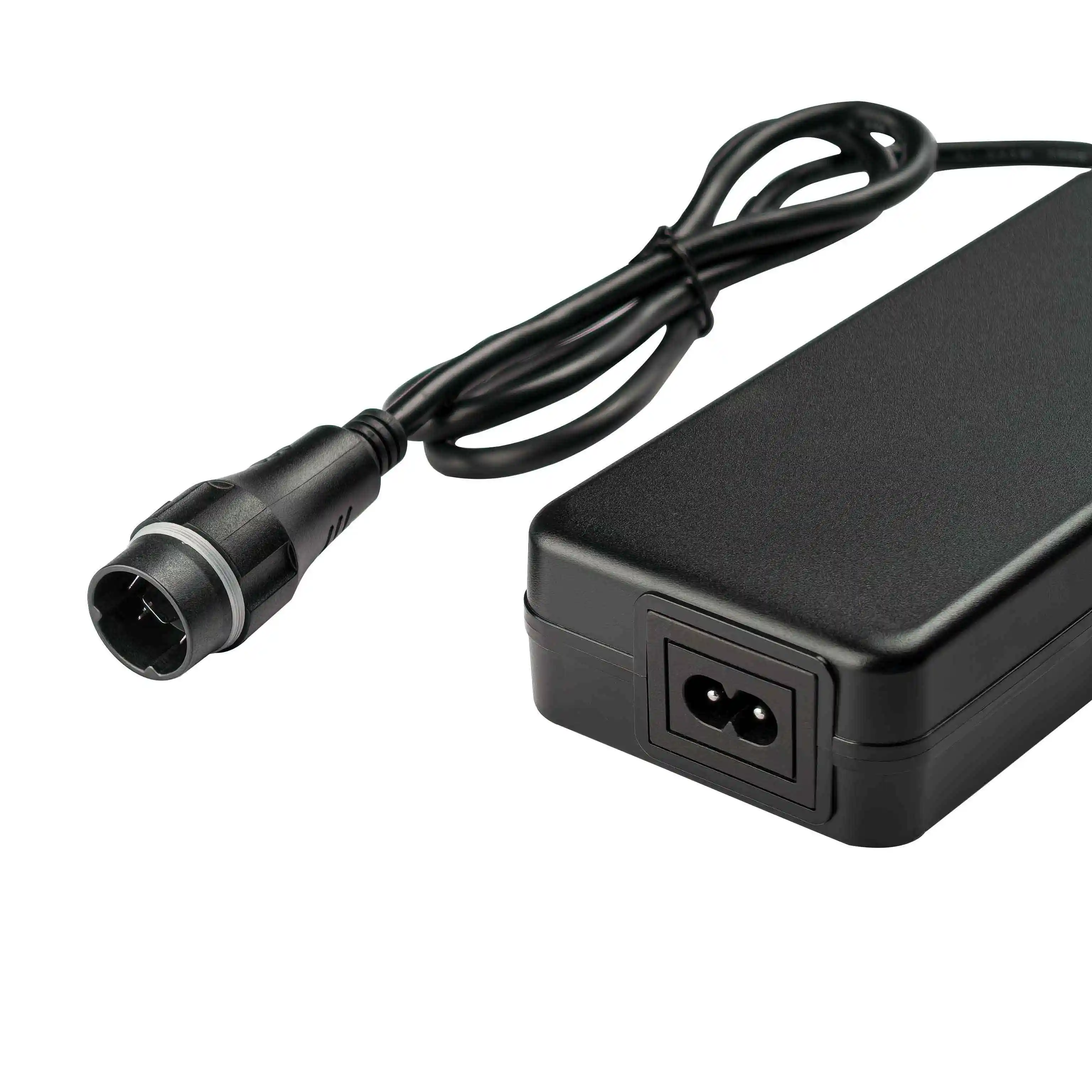
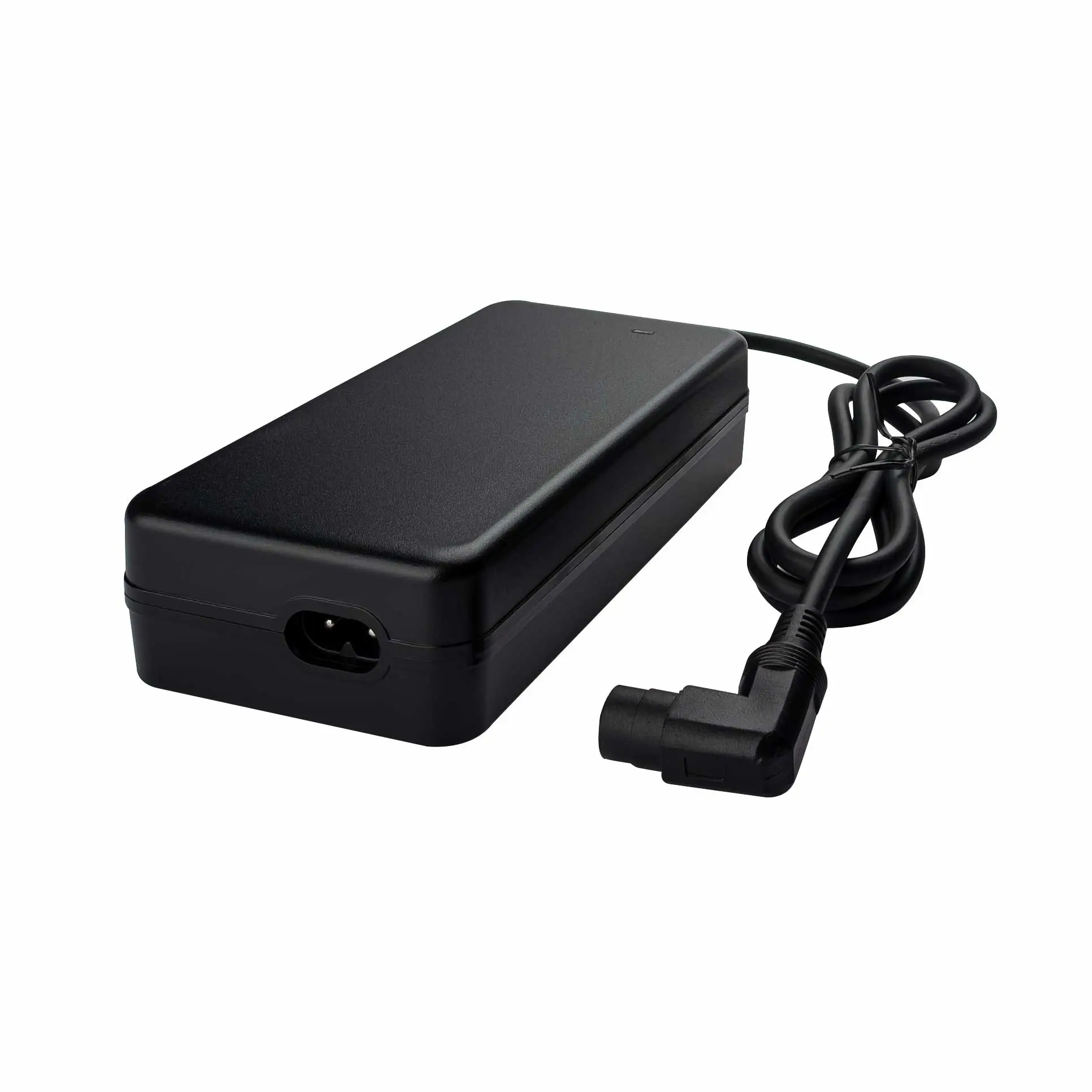
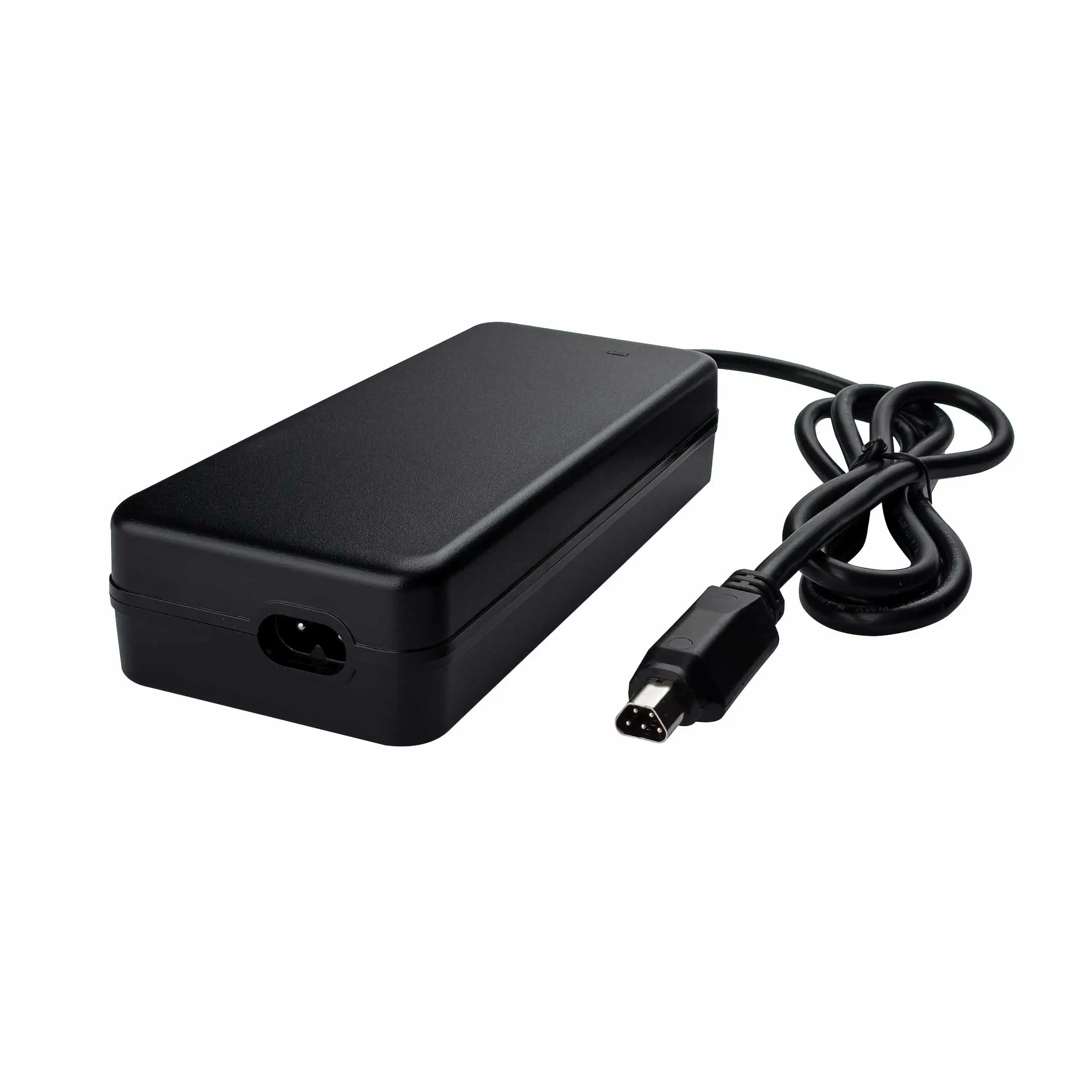
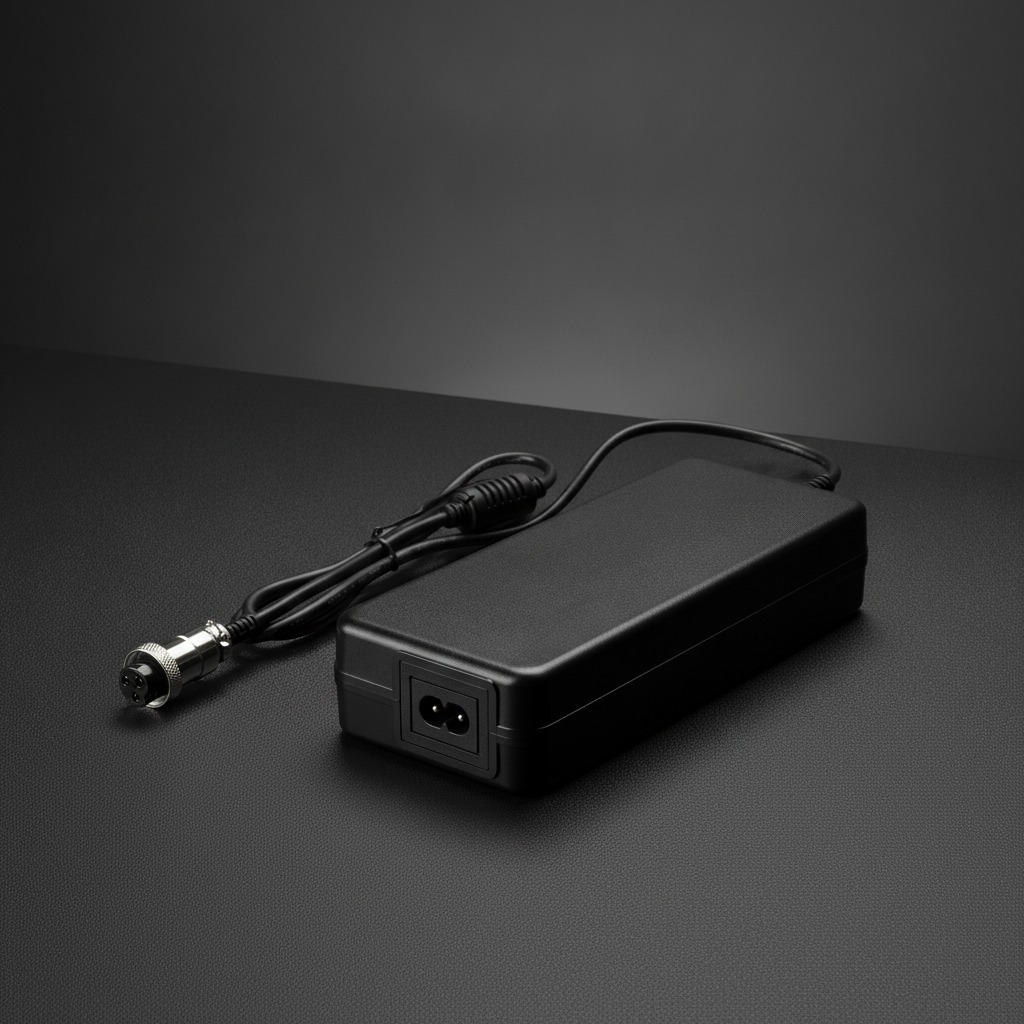
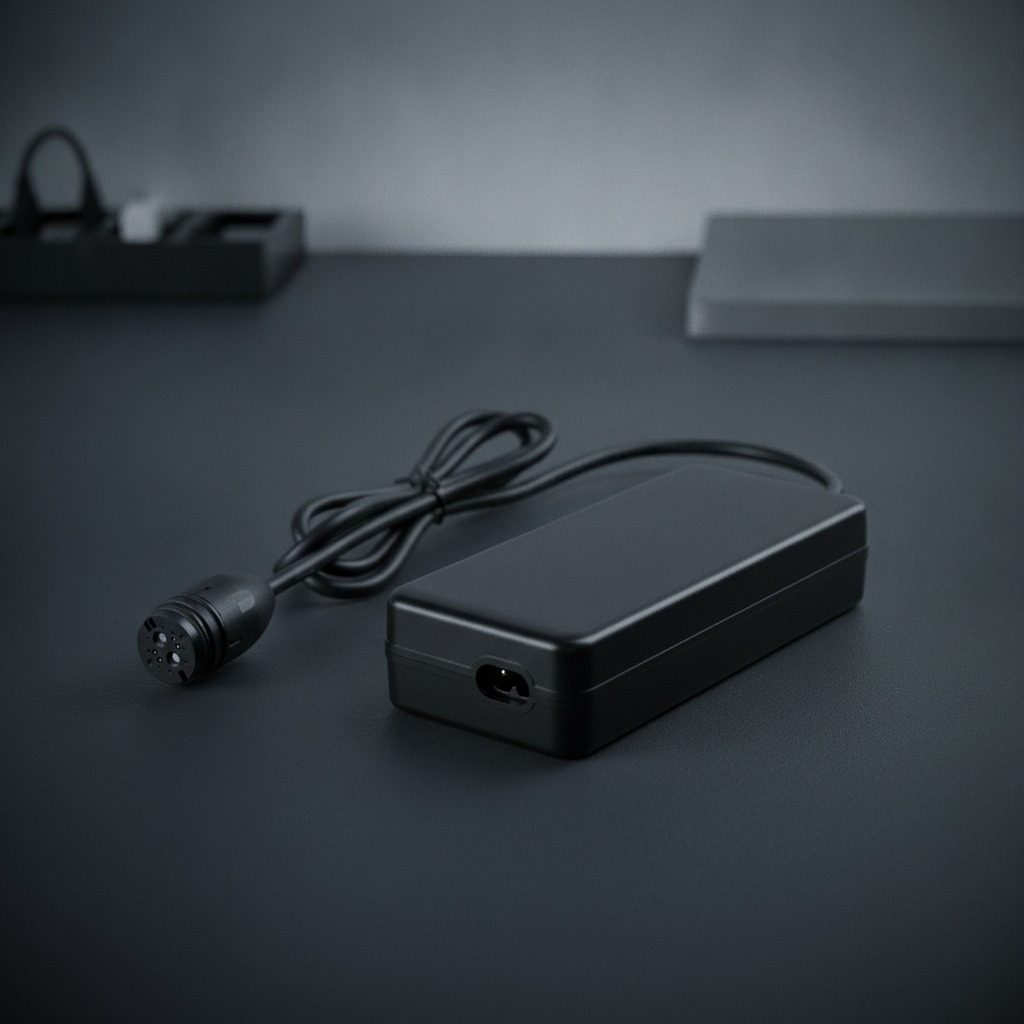
When people talk about replacing BMZ plugs , they're usually referring to the practical aspects of the conversion: the new charger not only needs to be electrically compatible, but also mechanically sound. The described design, with its black, rectangular housing, fixed cable, and cylindrical, Rosenberger-like connector, is typical for compact e-bike chargers and replacement adapters.
This is a plus for buyers, as such chargers function well as spare parts, workshop equipment, or secondary chargers. However, it's important to note that not every Rosenberger-type connector has the same pinout. Pinout, locking mechanism, and charging capability should be checked before use. This may sound obvious, but it's often overlooked in daily service work.
36V 2A Battery Charger: What this specification means in practice
A 36V 2A battery charger is a sensible compromise between charging speed and gentle power supply in many applications. 2A is sufficient for many leisure and everyday uses, especially when the battery is charged overnight or during a workshop visit. The 42V 2A variant mentioned in the data set fits into this category of compact AC/DC power adapter.
The advantage of such chargers often lies in their design: a closed, matte plastic housing, simple handling, and a permanently attached output cable. This is attractive for manufacturers and retailers because it allows for easy supply of spare parts and accessories. For the user, the main thing is: plug it in, connect it correctly, and charge.
What technical buyers should pay attention to before the conversion
The biggest mistake is ordering based solely on voltage. A proper comparison should include at least the following points:
1. Battery and charging profile
The nominal system voltage doesn't tell the whole story. The battery must support the 42V charging method; otherwise, the replacement is pointless.
2. Connectors
The existing BMZ or Rosenberger connector must fit mechanically. Even slight deviations in shape or contact arrangement will lead to contact problems.
3. Operating environment
A charger for workshop, home use, or fleet needs to be robust enough. The matte black plastic housing is practical, but water, dust, or impact resistance shouldn't be assumed simply because it hasn't been tested.
4. Spare parts strategy
For retailers and service partners, a second charger is often more economical than an immediate replacement in the field. Especially in repair and support cases, a suitable spare saves unnecessary downtime.
Typical mistakes during conversion
A common misconception is that "higher voltage" automatically means better performance. This isn't true for batteries. Performance, runtime, and charging behavior depend on the entire system. Another mistake: mechanically adapting the old connector without checking the electrical pinout. This can cause problems with proprietary BMZ systems.
The question of whether it's an OEM part or a compatible version should also be clearly clarified. This isn't a flaw, but it's relevant for procurement and warranty purposes. Especially with e-bike components, transparency is more important than vague promises.
Practical buying advice for workshops and businesses
If you're converting a 36V system to 42V charging or replacing a charger, don't just order based on photos. Check the battery label, the existing connector, and the manufacturer's recommended charging voltage. A 42V, 2A charger might be perfect if the system is designed for it, but it's not a universal replacement for all 36V batteries.
For service centers, clearly labeled equipment is also essential: charger, plug type, system voltage, and vehicle used should be immediately identifiable. This saves time and effort, prevents incorrect shipments, and keeps the workshop calm when speed is crucial.
FAQ about converting from 36V to 42V
Is 42V always the right solution for a 36V battery?
No. Only if the battery chemistry and battery management system are designed for it.
Can I simply replace the BMZ connector?
Only if the replacement plug is mechanically and electrically compatible with the system.
What is a 42V 2A charger suitable for?
For compatible e-bike batteries, as a replacement charger, second device or workshop solution.
Next logical step
Before ordering, you should double-check the battery, connector, and charging specifications. If you have a 36V BMZ system with a Rosenberger connector, a suitable 42V 2A charger is often the most practical solution, but only within the approved system limits. Thorough checks here will save you from typical returns later and avoid unnecessary modifications to the connector or the battery itself.