
Why “converting from 36V to 42V” is not a DIY project
Those looking to convert from 36V to 42V often aren't referring to a true conversion in the electrical engineering sense, but rather the practical question: How do I properly charge or adapt a 36V BMZ e-bike system without damaging the plug, battery, or charger? This is precisely where many costly misunderstandings arise. A 36V system and a charger with a 42V output are functionally compatible, but only if the battery, charging electronics, and connection are exactly the same.
For purchasing managers, workshops, and service centers, this is no trivial matter. An incorrect adapter, an incorrectly replaced BMZ plug , or an unsuitable charging port can lead to malfunctions, and in the worst case, to breakdowns or safety hazards. Those seeking a solution therefore usually don't want theoretical information, but rather a reliable decision: Do I need a replacement charger, a suitable BMZ plug replacement , or even a complete modification?
What the 42V charger means in practice
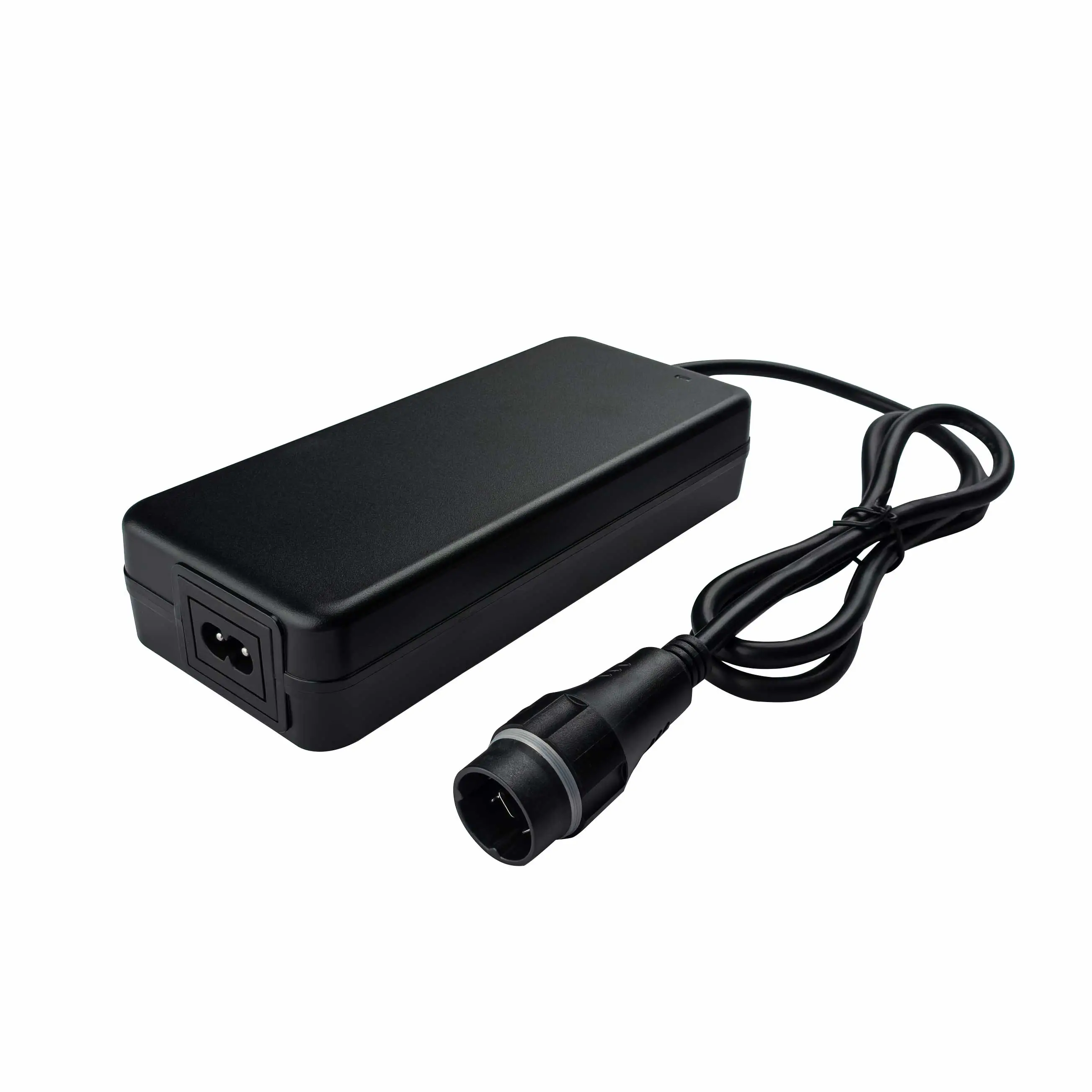
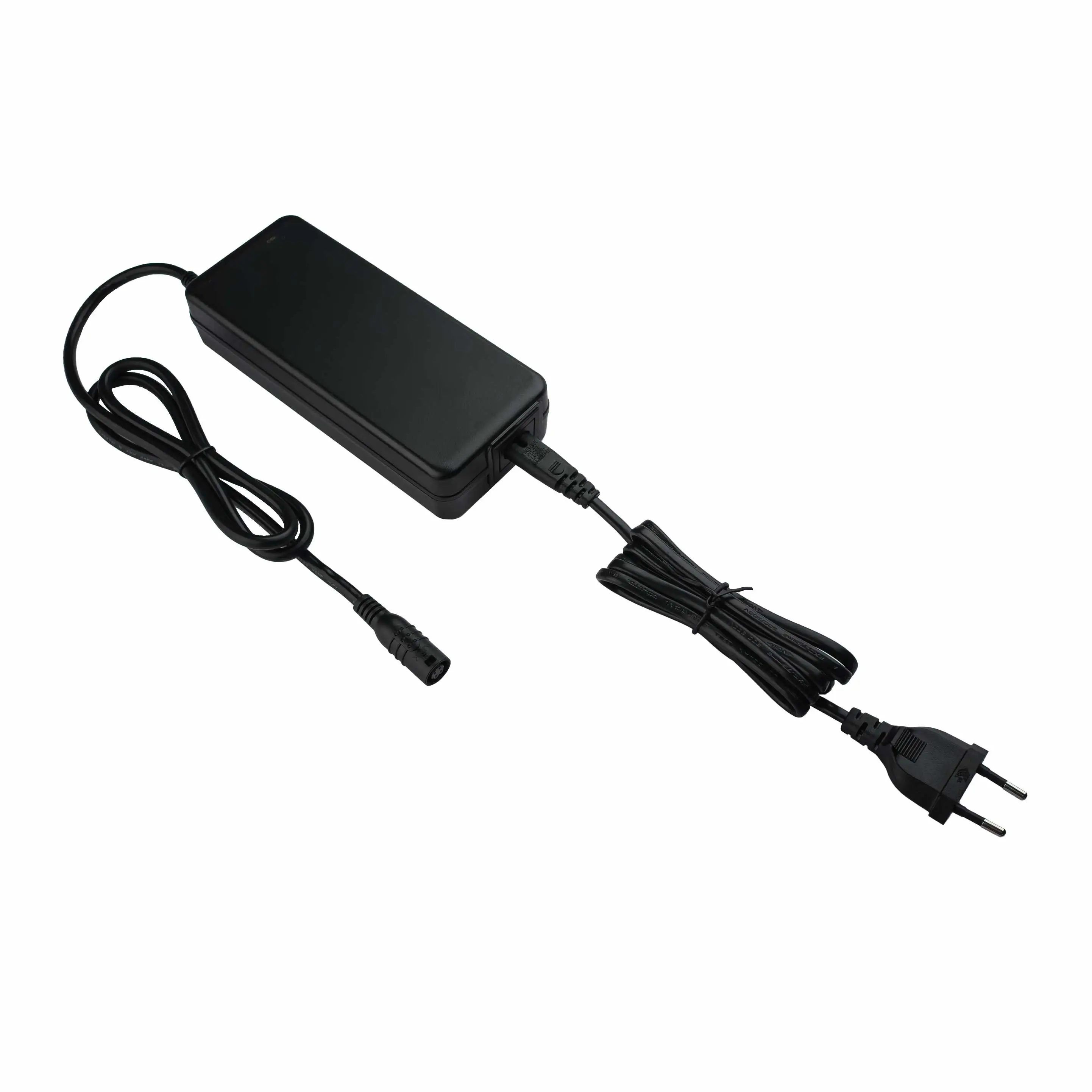
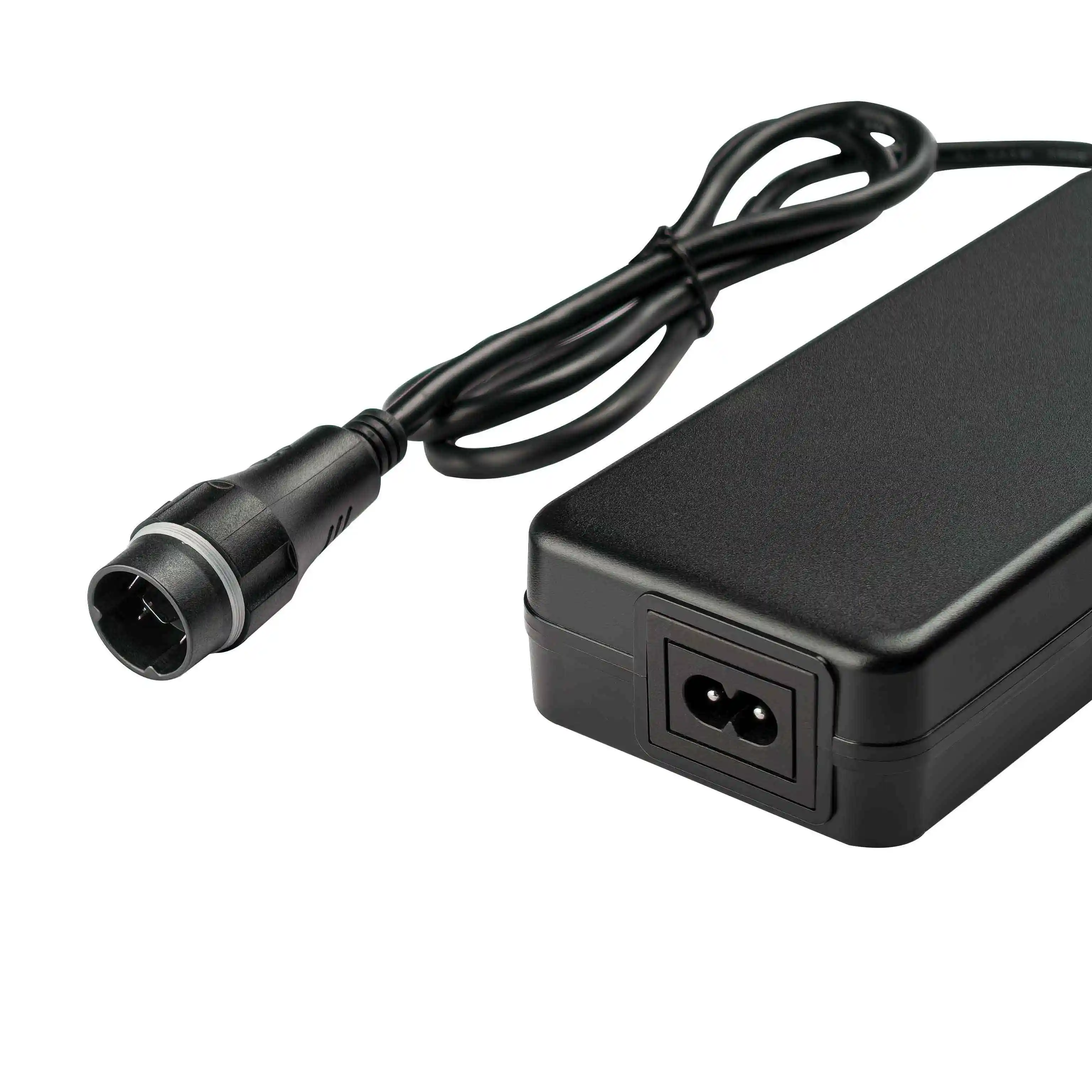
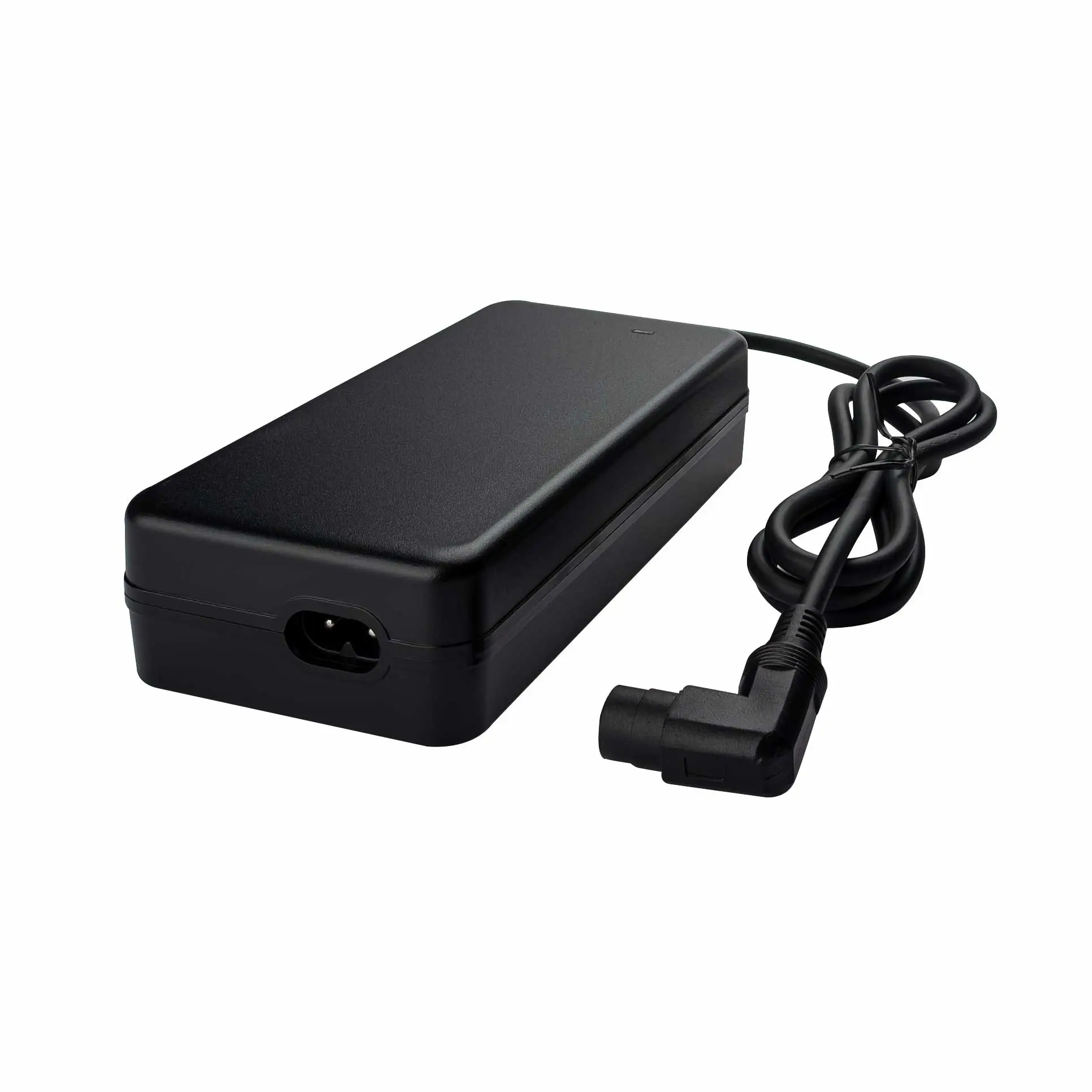
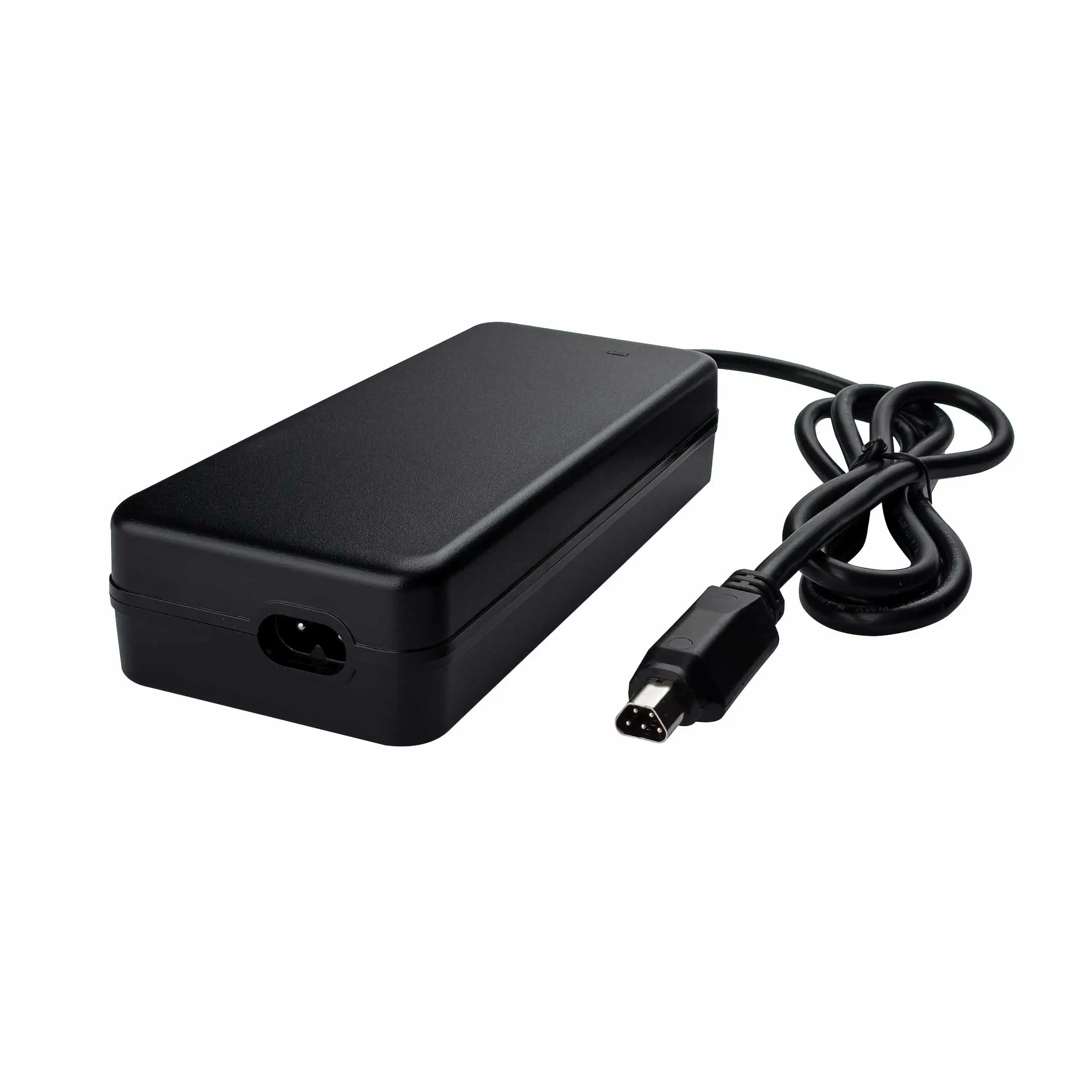
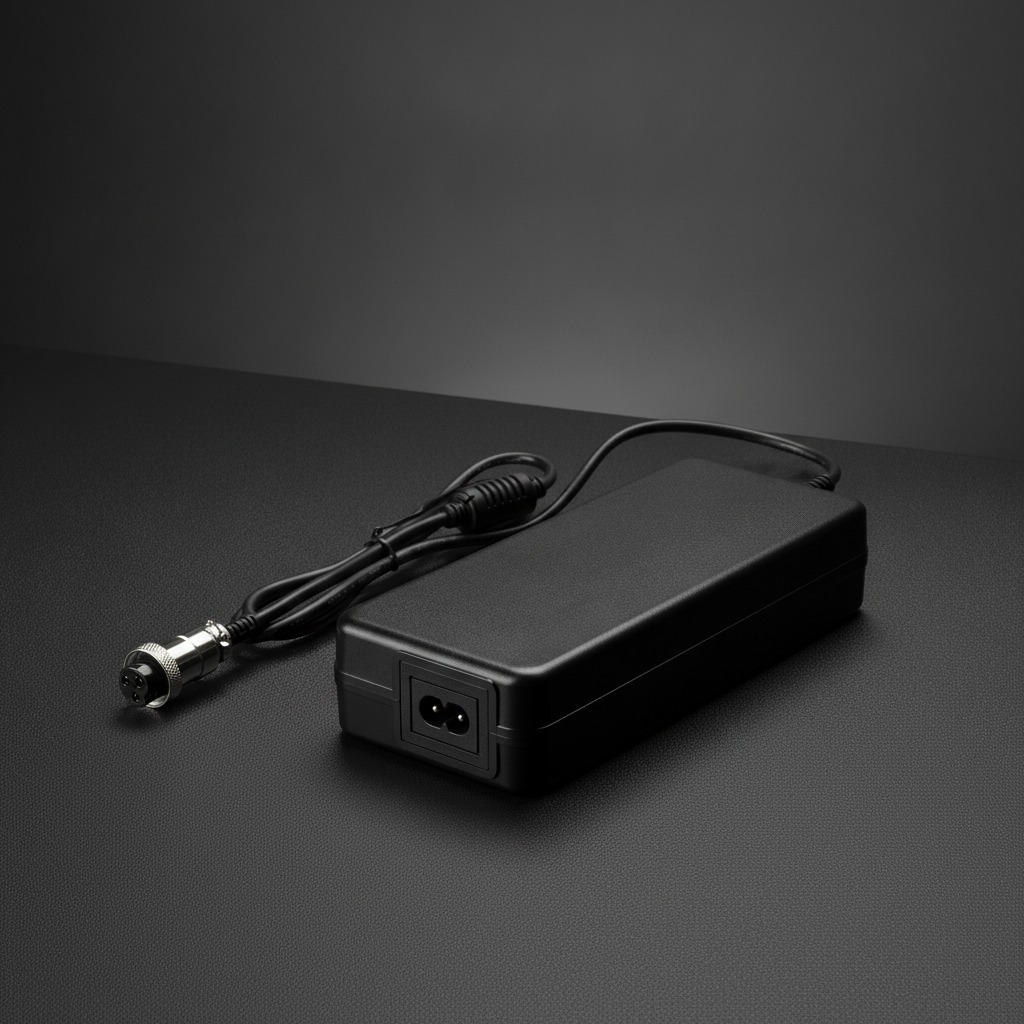
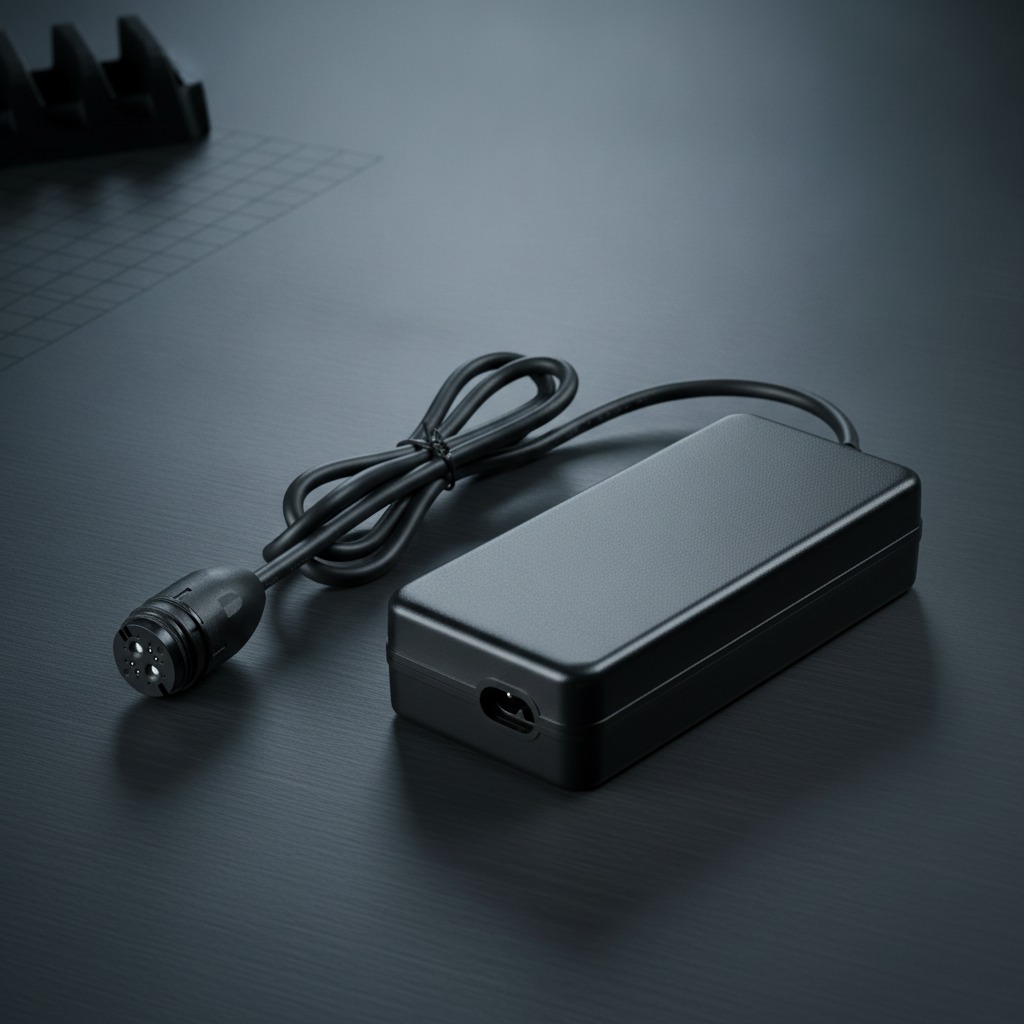
The product specifications describe a compact, black charger with a plastic housing, permanently attached cable, and a round, Rosenberger-like connector. The specifications mention 42V, 2A , and references to BMZ and Rosenberger . This is typical for an external charger for 36V e-bike batteries.
The key is to understand the context: A 36V battery is not typically charged at 36V, but rather at a higher final charging voltage. It's normal for a charger to output 42V for compatible 36V systems. The crucial factor, therefore, is not the voltage alone, but the compatibility of the connector, the battery chemistry, and the battery management system (BMS) within the battery pack.
Quick overview: What buyers should consider first
1. Tension
A 42V output may be suitable for many 36V e-bike batteries. However, this does not automatically mean that every 36V system can be charged with it.
2. Current
The mentioned 2A rating indicates a rather moderate charging rate. This is perfectly adequate for many users in everyday life, especially in workshops or at home.
3. Connection
The visible round connector near the Rosenberger/BMZ unit is often the crucial point. An incorrect connector is not only impractical, but simply incompatible.
4. Housing and design
The product looks like a classic, compact charging brick with a fixed cable. For mobile use in garages, service vehicles, or workshops, this is usually more practical than an open or improvised power supply.
BMZ, Rosenberger and the matter of the plug
In the spare parts business, the connector is often underestimated. Anyone wanting to replace a BMZ connector should consider not only the outer diameter, but also the design, contact arrangement, and mechanical guidance. Especially with e-bike charging connectors, millimeters can determine whether there's a secure fit or a loose connection.
A BMZ plug replacement is therefore more than just a "similar connector." In practice, it's about reproducible contact, correct polarity, and the appropriate mechanical locking mechanism. On the charger shown, the round multi-pin connector indicates a system-specific solution. This is good for reliability, but bad for experimenting with universal adapters.
When a 36V to 42V "conversion" makes sense – and when it doesn't.
A modification only makes sense if it restores functionality to an existing system or replaces a compatible charger. Typical cases include:
- Replace defective original charger
- to replace a worn-out plug
- Create a second charging point for fleets or workshops
- continue operating a BMZ-compatible system with suitable replacement hardware
It's pointless to try and "make a battery or charger fit" if the technical specifications don't match precisely. Especially with e-bike batteries, improvisation is rarely cheaper than a properly specified replacement part.
Typical mistakes from practice
The most common mistake is assuming that voltage alone is sufficient. It isn't. Equally problematic is comparing plugs only visually and then using them on a hunch. Another classic error: a charger with the correct voltage but unclear compatibility with the battery chemistry. This can lead to charging interruptions or error messages.
A small but important tip for buyers: If the datasheet is incomplete, don't guess. Input voltage range, certifications, protection ratings, and charge management are not secondary details for chargers. They determine the application and approval.
Practical purchasing criteria for service and procurement
For procurement officers and technicians, four points are particularly important when it comes to such a charger:
- Does the connection fit mechanically and electrically?
- Is the output voltage intended for the target system?
- Is the current appropriate for the application?
- Is the housing robust enough for workshop or mobile service use?
The device described here, a compact, wired desktop charging adapter, is plausible for precisely such applications. Its black, enclosed plastic design suggests a standard industrial or consumer device rather than an open, specialized solution.
Briefly answered: Frequently asked questions
Is 42V normal for a 36V system?
Yes, often. However, what matters is the overall system release, not just the number on the power supply.
Can I use any Rosenberger connector?
No. Visually similar connectors are not automatically compatible. The exact type must be checked.
Is a 2A charger too slow?
Not necessarily. For many users, it's a reasonable compromise between charging time and gentle operation.
What buyers should check now
When procuring a replacement charger, adapter, or plug for a BMZ-based 36V system, first check the interface and system compatibility. Only then should you consider details such as form factor or mounting environment. For e-bike chargers, a perfectly fitting connection is often more important than any advertising claim.
Properly documenting the connection side prevents returns, service calls, and unnecessary modifications. And in practice, that saves more time than any spontaneous, makeshift solution.
Next step
For a reliable selection, you should compare the existing battery, the exact charging port, and the specifications of the old system. If you are looking for a replacement device with 42V and 2A, compatibility with BMZ and Rosenberger-like connectors is the first point to check—but not the last.