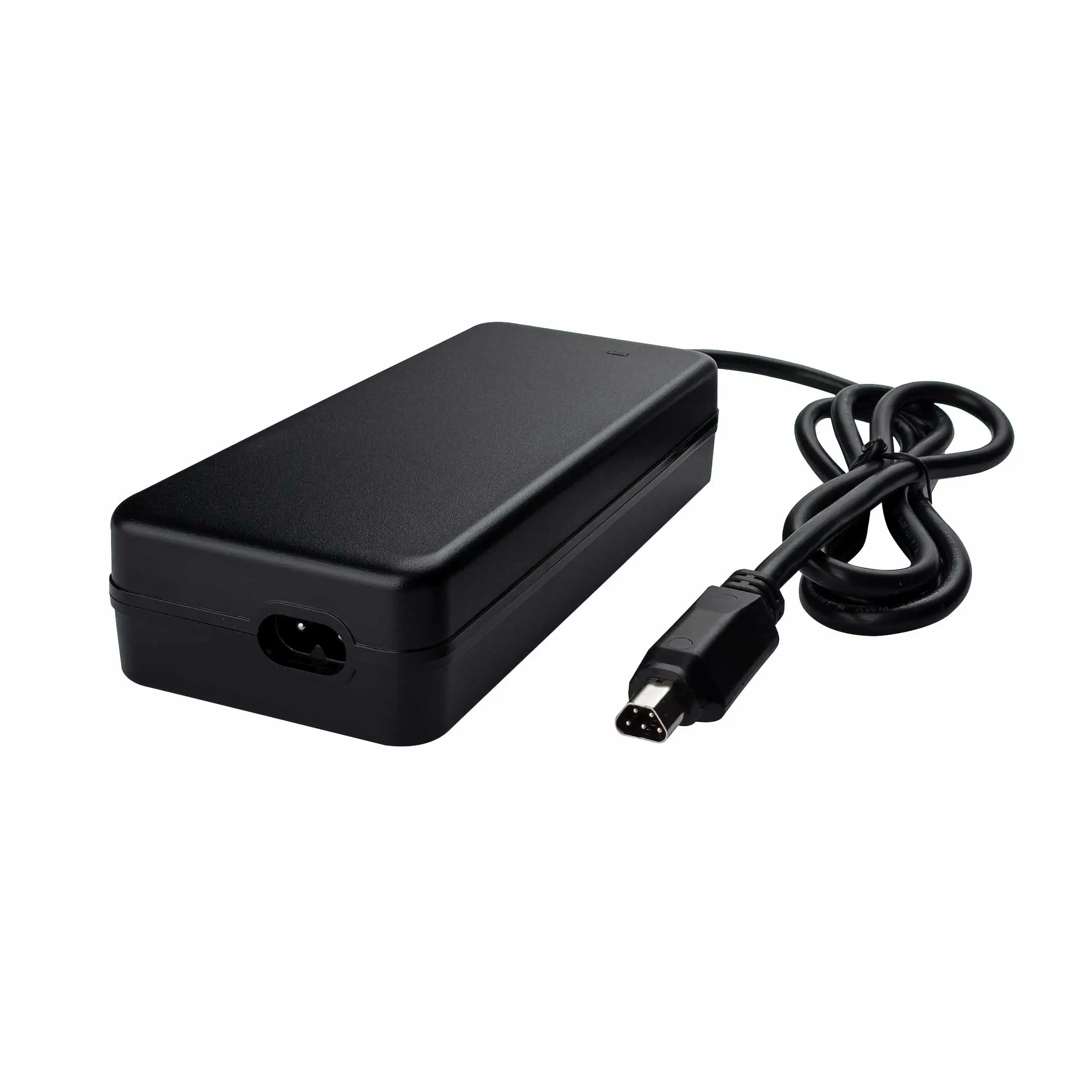

42V 2A Bosch ebike charger replacement ebike charger
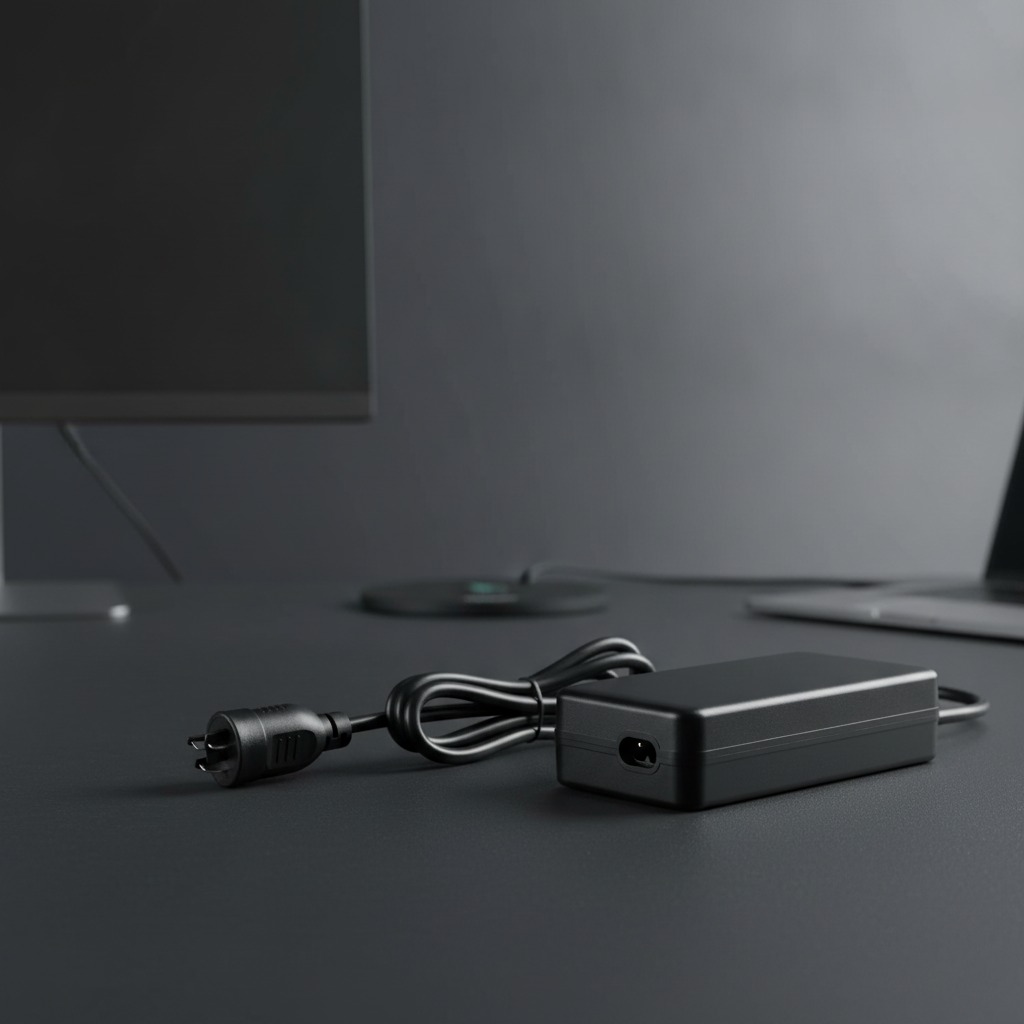
A 42V 2A Bosch ebike charger looks simple enough at first glance: a compact black power brick, a fixed cable, and a plug that promises to get a battery back in service. In practice, this is one of those parts where a small mismatch can create a big headache. The wrong output, the wrong connector, or the wrong battery interface can leave a rider stranded and a purchasing team dealing with returns that were entirely avoidable.
For engineers, sourcing managers, and workshop teams, the real decision is not just “will it power up?” It is whether the charger matches the battery’s required voltage, current, connector style, and safety expectations. That matters even more in the e-bike market, where battery systems vary by brand, generation, and pack design.
Why the 42V rating matters
The 42V figure is the clue that tells you the charger is intended for a nominal 36V lithium-ion battery system. That is standard in many e-bike applications. A full charge voltage of 42V is common for these packs, while 2A refers to the charging current. In plain terms, a 42V 2A Bosch ebike charger is usually aimed at moderate charging speed rather than fast-charging convenience.
That current level is often a reasonable middle ground for everyday use. It is not especially aggressive, which can be a practical advantage when the battery is used frequently and the operator values steady, predictable charging. But buyers should not assume every 42V charger is interchangeable. Voltage may look right while polarity, connector geometry, or communication requirements remain wrong.
What the product form tells you
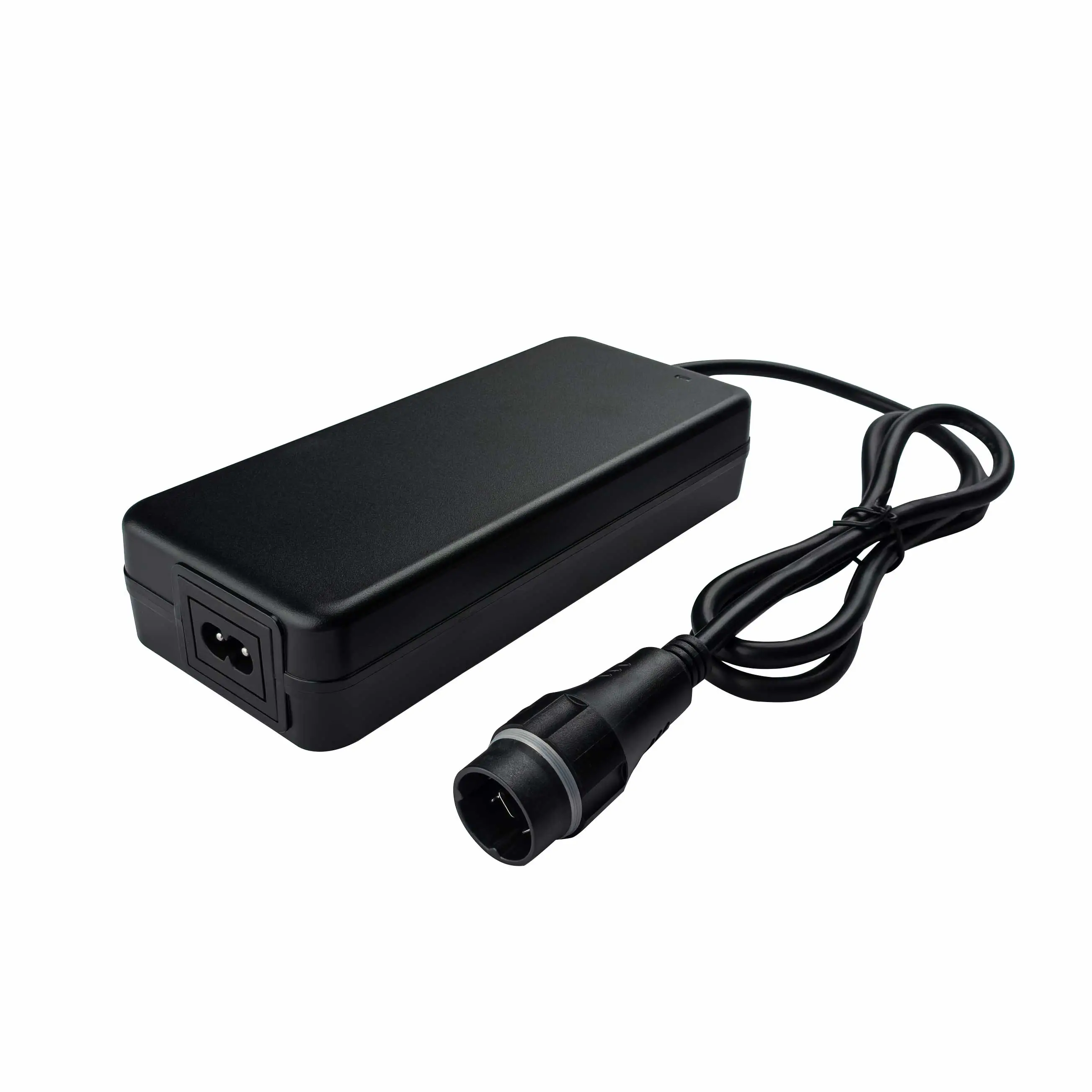
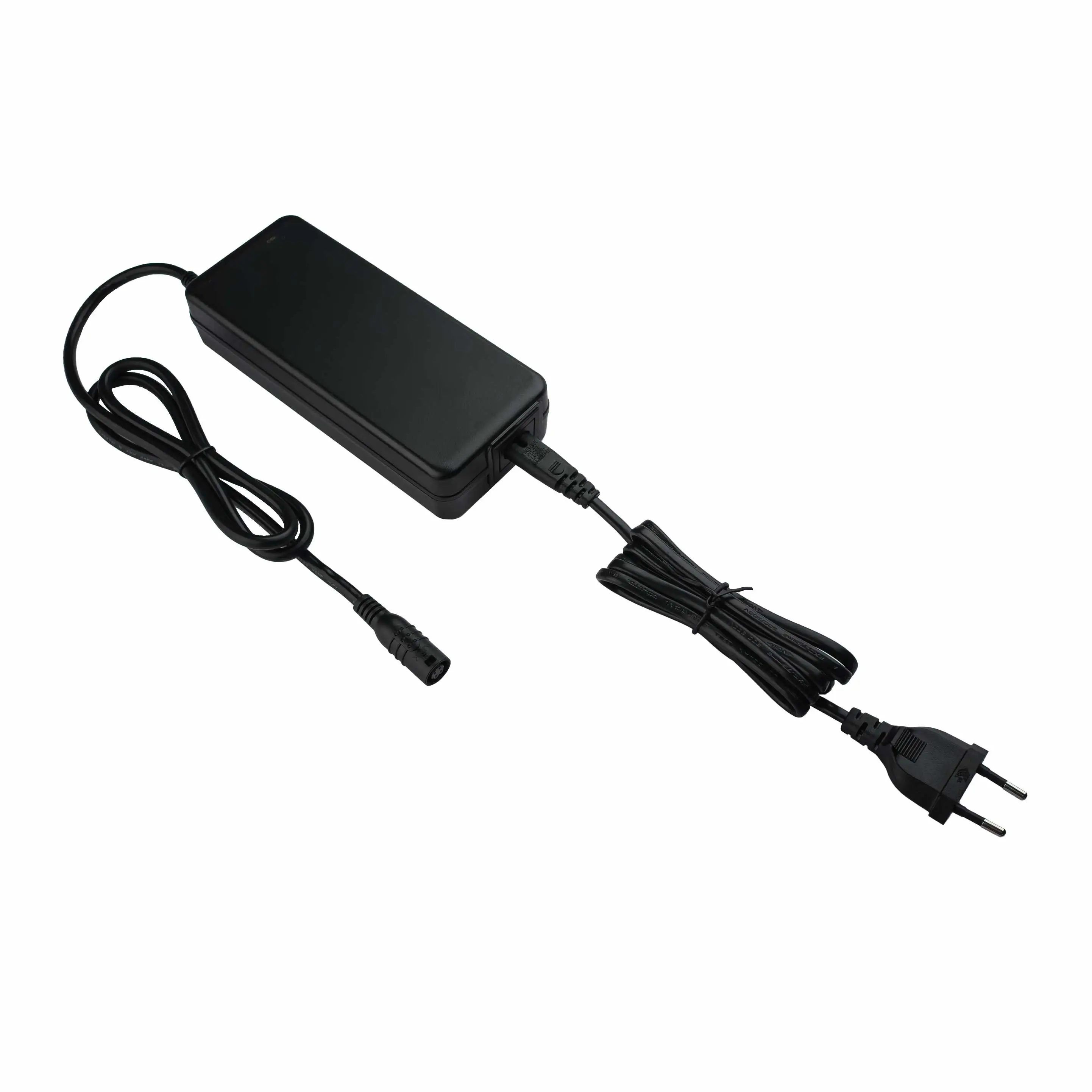
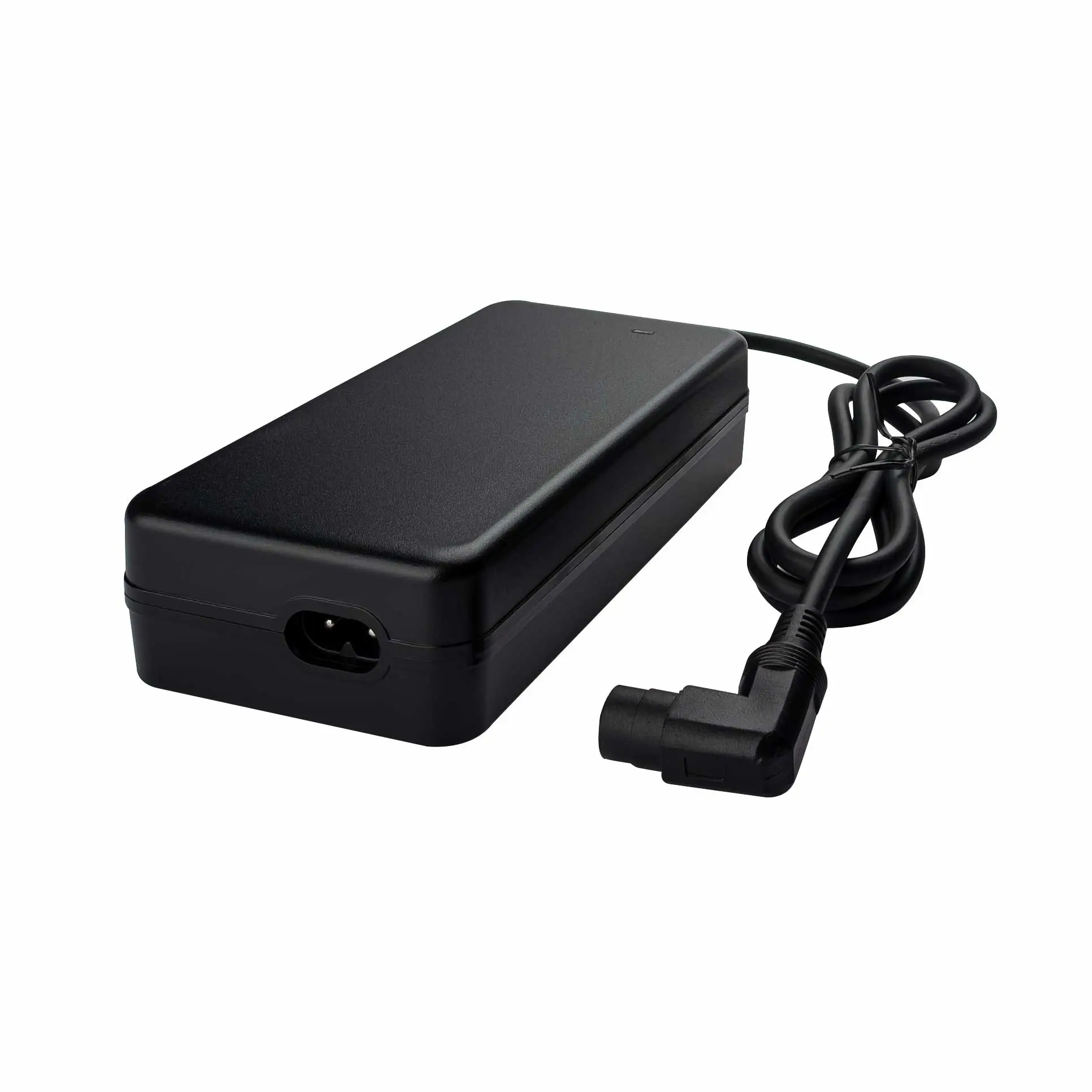
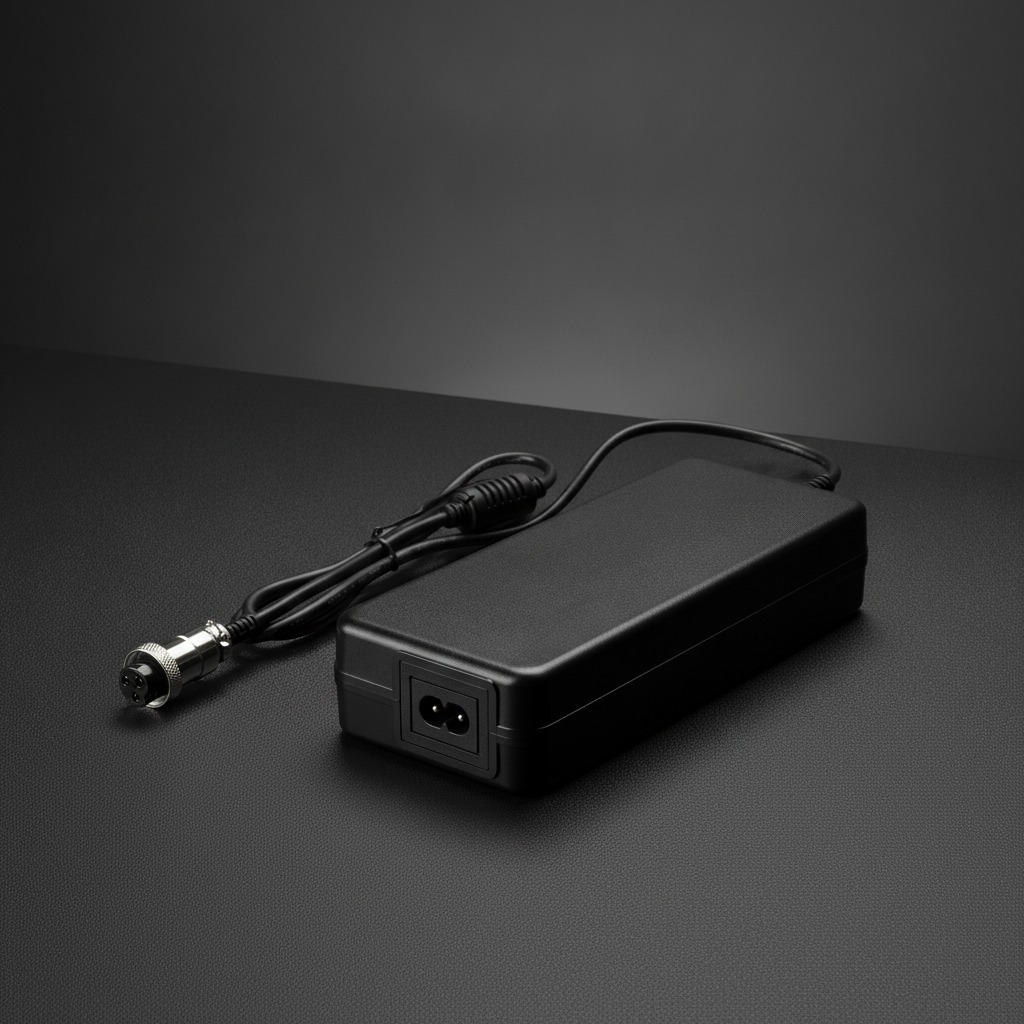
The visible product style is a black external AC/DC power adapter with a molded housing, fixed cable exits, and a compact brick-like enclosure. That design is familiar because it fits both retail and OEM supply chains: easy to pack, easy to mount on a bench, and usually straightforward to replace in the field.
From a manufacturing standpoint, this kind of unit is typically built as an injection-molded electrical assembly with internal conversion electronics and overmolded cable terminations. The outer housing may look ordinary, but the reliability of the charger depends on the hidden details: thermal control, insulation quality, cable strain relief, and connector fit.
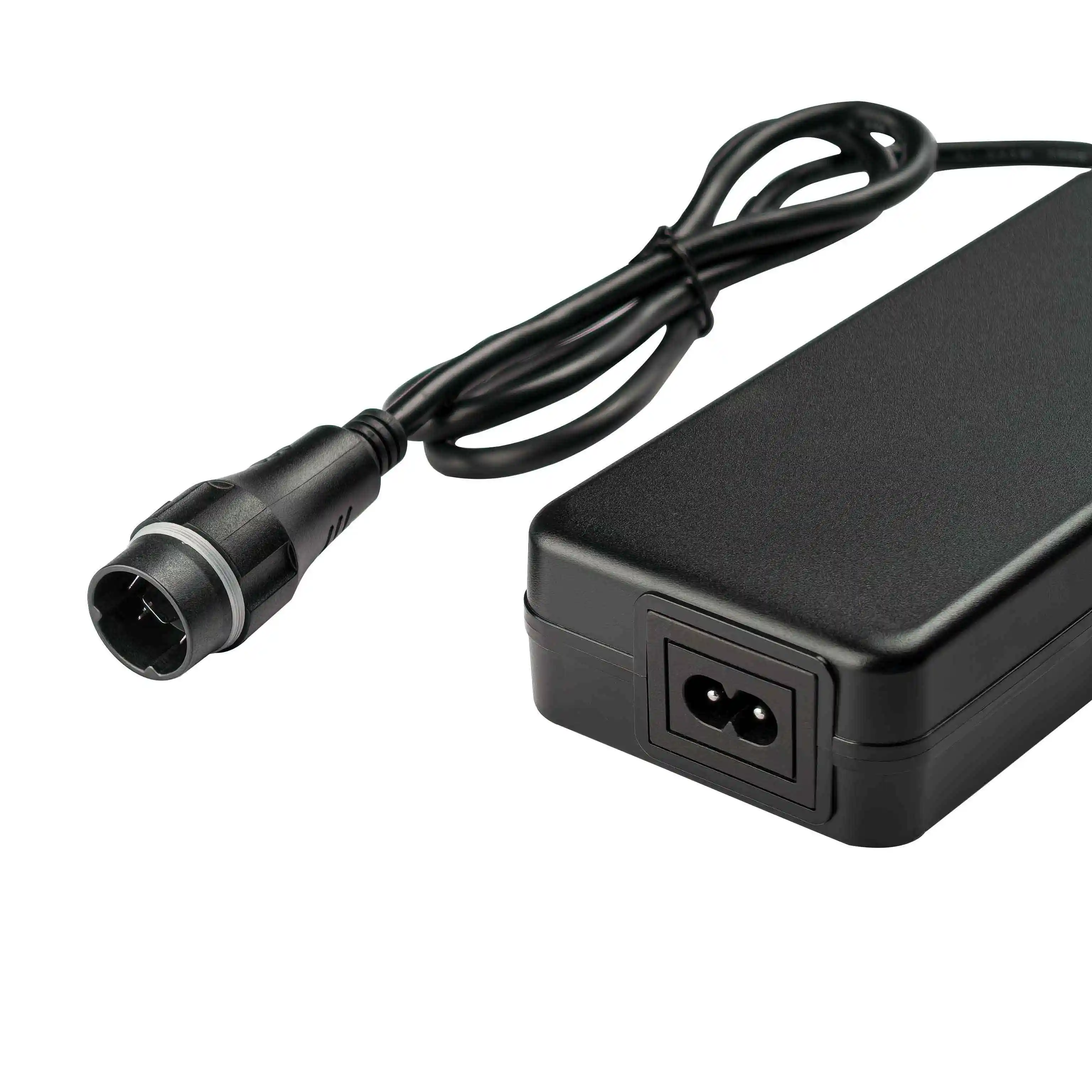
A small caution here: product images rarely reveal everything. A connector may appear to be a standard barrel or circular plug, but the actual Bosch-compatible interface can differ by model or generation. Buyers should not rely on appearance alone.
Bosch compatibility: do not guess at the connector
Search terms such as Bosch 3 pin charger or Bosch charger for eBike battery are useful starting points, but they can also lead to confusion. The 3 pin e-bike charging cable type is common in the market, yet the exact pin arrangement, keyed shape, and charging protocol still need to match the battery system.
That is especially important for Bosch electric bike charger searches, because Bosch-branded and Bosch-compatible systems may not all use the same plug, even if the power rating is similar. If the battery expects a Bosch 3 pin charger interface, a physically similar connector without the right pinout is not a safe substitute.
For buyers, the practical question is this: does the battery documentation specify a particular charger family, connector type, or generation? If the answer is yes, match that first. Output specs come second.
How to compare options quickly
A sensible short list for procurement or workshop use usually comes down to five checks:
1. Output voltage
For a 42V e-bike charger, the rated output should align with the battery chemistry and pack design. Do not use a charger just because it is “near enough.”
2. Output current
A 2A output is common for balanced charging, but it is still important to confirm the battery accepts that charge rate.
3. Connector type
This is where many purchasing mistakes happen. The Bosch e-bike battery charger must match the battery-side interface exactly, including keying and pin count.
4. Cable construction
A fixed output lead and molded connector are practical for everyday handling. They reduce loose-part issues, though they also mean the cable cannot be swapped as easily if damaged.
5. Safety and compliance evidence
Ask for whatever documentation the supplier can legitimately provide. Do not assume certification from a photo or a product title.
Common buying mistakes
The most common error is treating all 42V e-bike chargers as functionally identical. They are not. Another frequent mistake is using the phrase Bosch e-bike battery charger as if it guarantees compatibility across every battery. It does not.
A second issue is overlooking the actual cable end. Buyers often focus on the wall plug and forget the battery-side connector. That is backwards. The connector is what decides whether the charger can physically and safely interface with the pack.
A third mistake is ignoring application context. A charger may be fine as a replacement unit for a workshop, but if the battery is used in a shared fleet or a commercial rental setting, the sourcing team may need tighter control over labeling, strain relief, and replacement traceability.
Practical advice for sourcing teams and workshops
If you are buying in volume or replacing legacy units, request a sample before committing to a larger order. Check the housing quality, cord flexibility, plug fit, and heat behavior during a normal charge cycle. Even without laboratory testing, you can learn a lot from how the unit behaves after prolonged use.
It also helps to document the battery model against the charger SKU. That sounds obvious, but field teams often inherit mixed inventories where one black brick looks much like another. The cost of a mislabeled spare is not just the part itself; it is the downtime and the confusion that follows.
For product teams, compact AC/DC adapter packaging is appealing because it keeps the charging setup simple. The tradeoff is that fixed leads and molded terminations reduce service flexibility. That is acceptable when the interface is stable, but less so when multiple battery versions are in circulation.
FAQ
42V 2A Bosch ebike charger: what buyers need to check
No. Voltage and current are only part of the equation. Connector type, pinout, and battery compatibility must also match.
Can I use a charger with a similar plug shape?
Not safely without confirming the electrical interface. Similar-looking plugs can still be incompatible.
Why choose a 2A charger?
It is often a practical everyday charging rate. It usually balances charging time and battery-friendly operation, though the battery maker’s instructions should always take priority.
What to do next
Before ordering a 42V 2A Bosch ebike charger, verify the battery model, connector style, and documented charging requirements. If the charger is being sourced as a replacement or spare, keep the old unit for side-by-side comparison until the new one is confirmed. That simple habit avoids a lot of unnecessary back-and-forth.
If you want, I can also turn this into a shorter buying guide, a supplier landing page, or a comparison article focused on Bosch 3 pin charger compatibility.