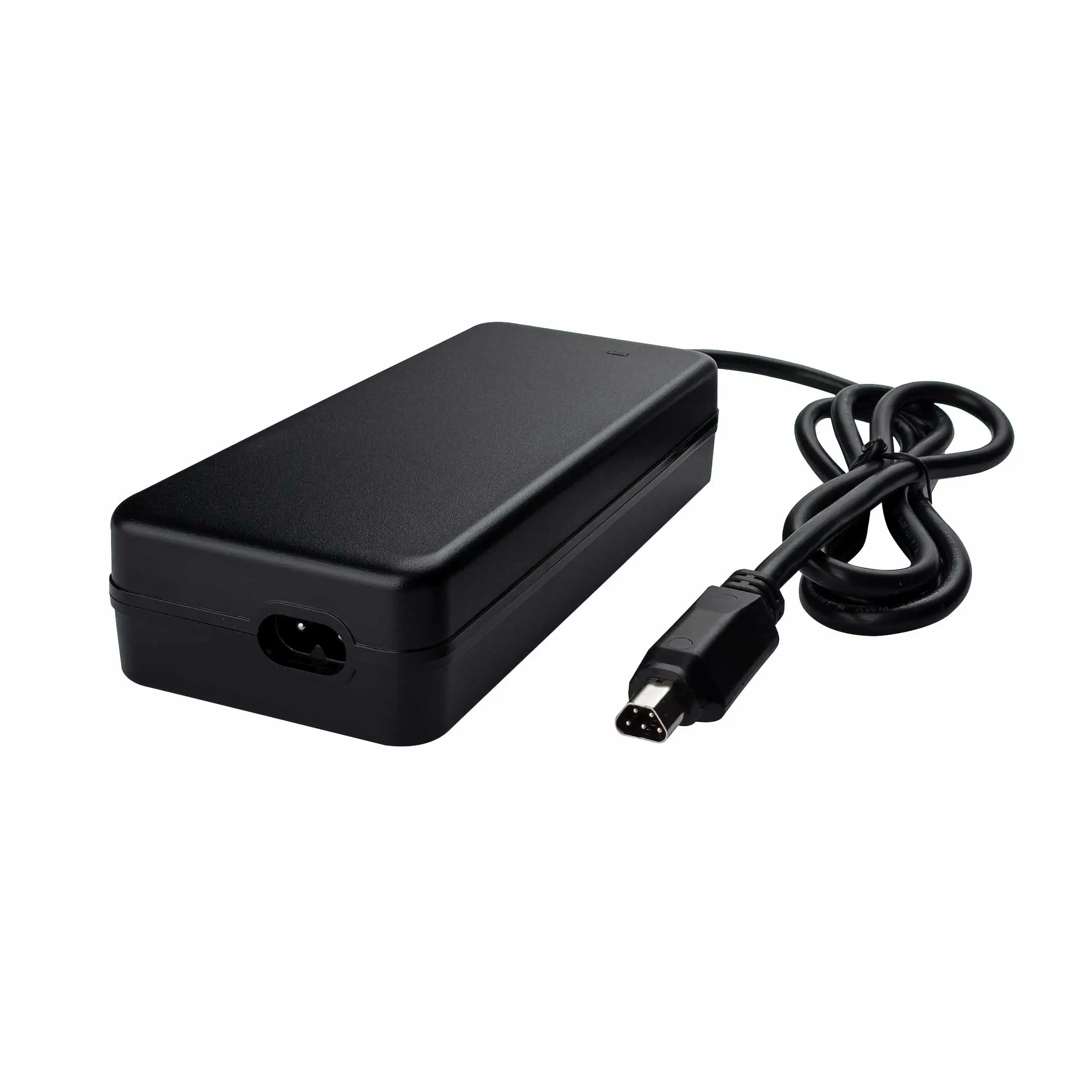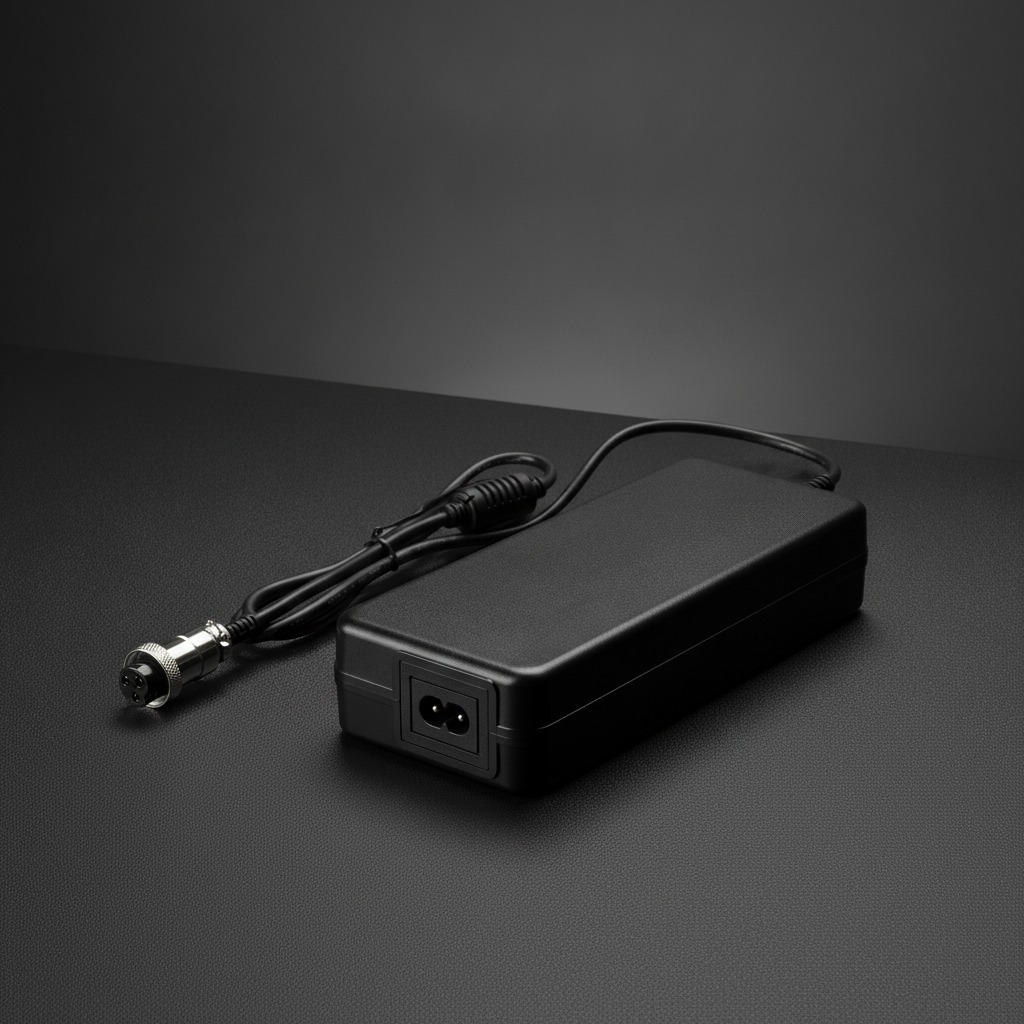

Why buyers look for an ODM battery charger in the first place
An ODM battery charger is usually not the first part engineers want to spec, but it is often the part that determines whether a product feels reliable in the field. Once a battery system moves beyond a hobby bench or a one-off prototype, the charger becomes a sourcing and safety question as much as an electrical one. Packaging, heat management, connector choice, and output behavior all start to matter. That is especially true for industrial equipment, mobility devices, and battery-backed systems where the charger may sit in a cabinet, on a wall, or inside a machine for years.
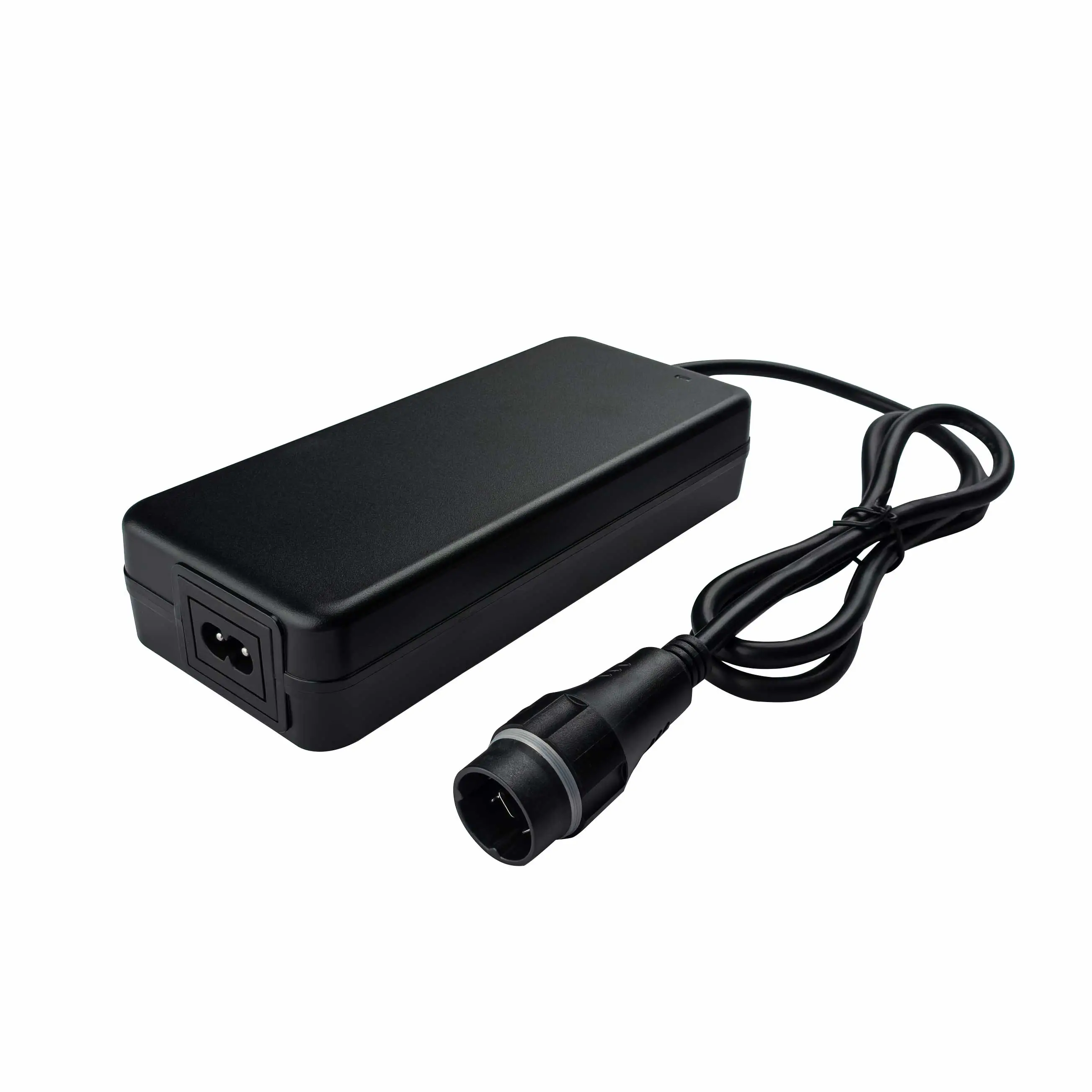
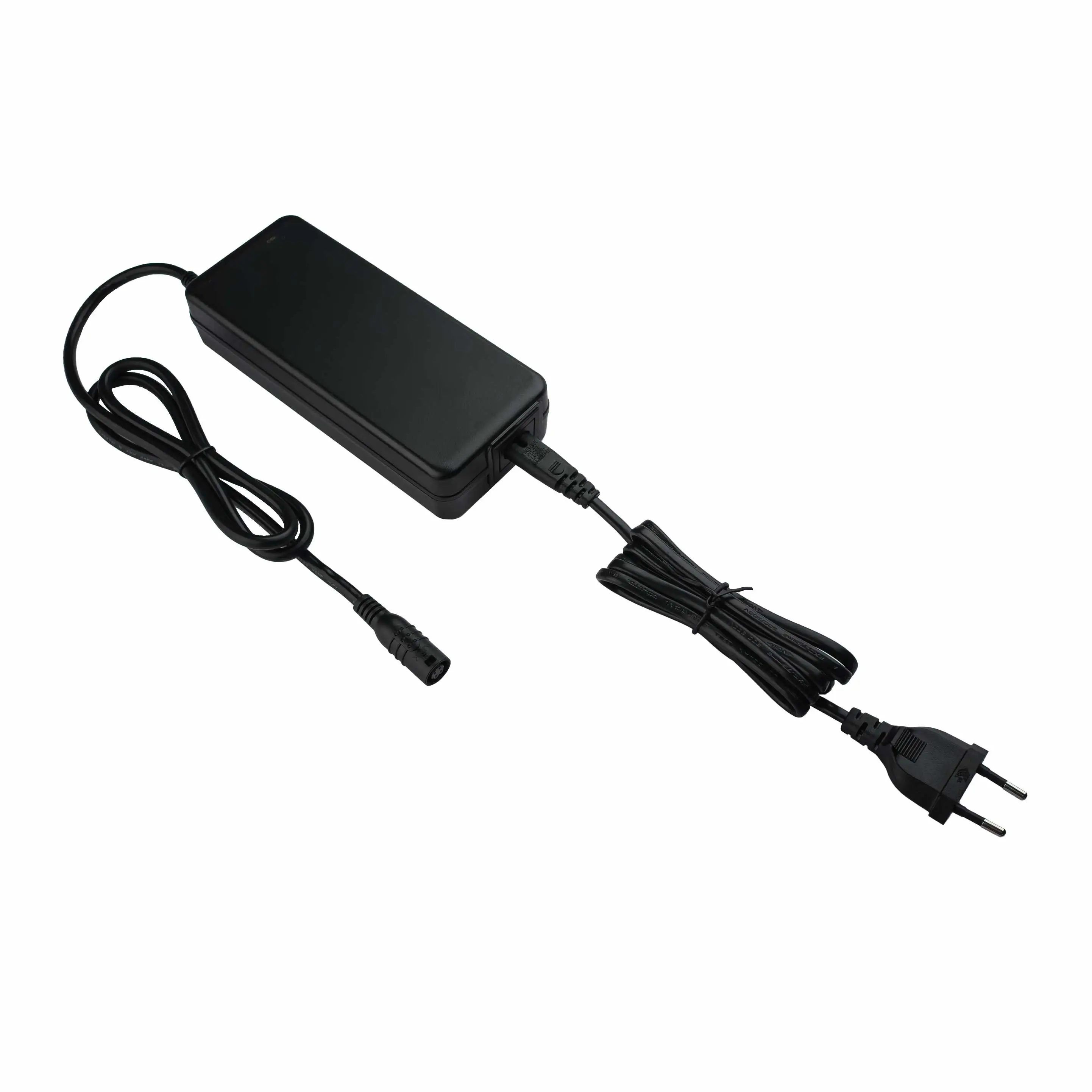
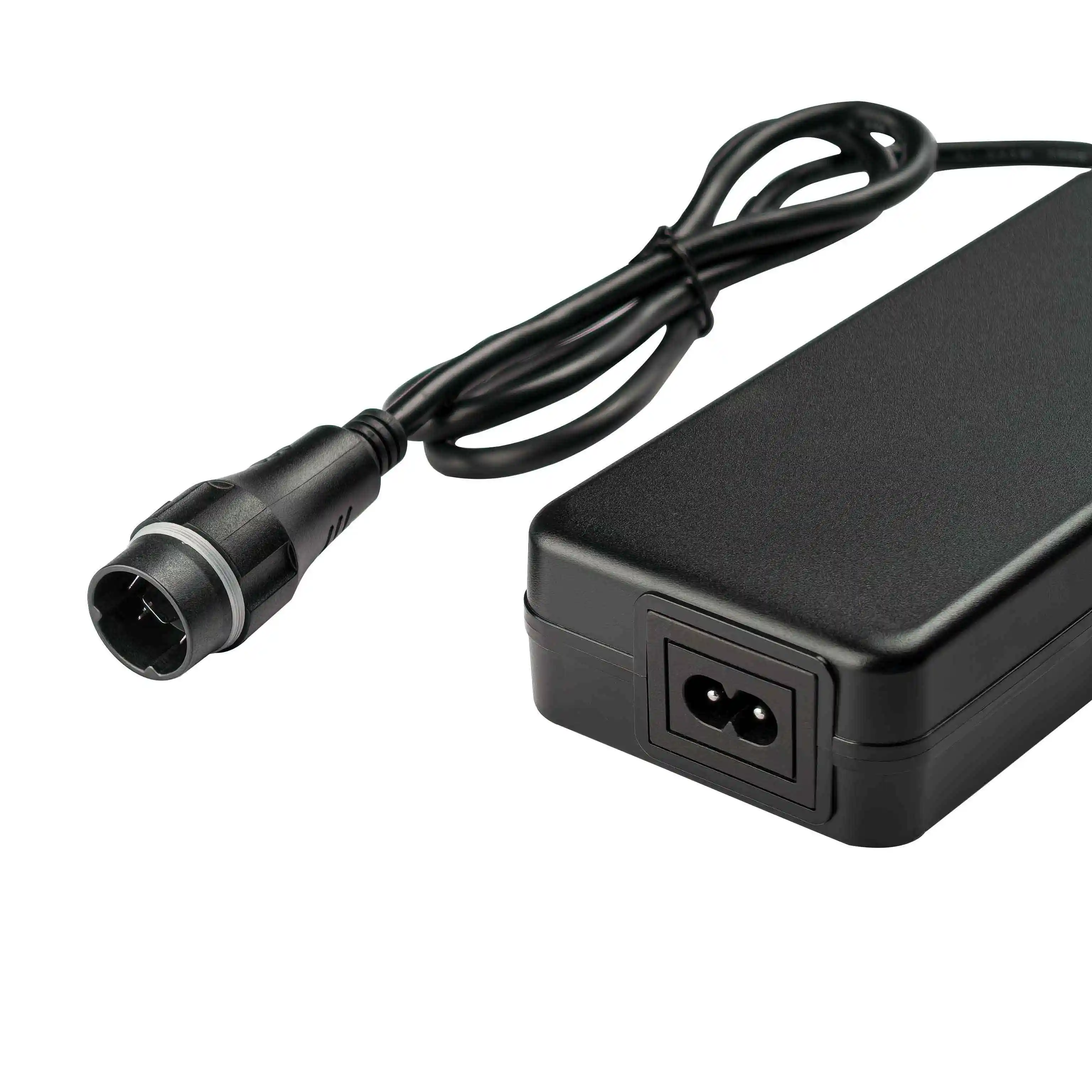
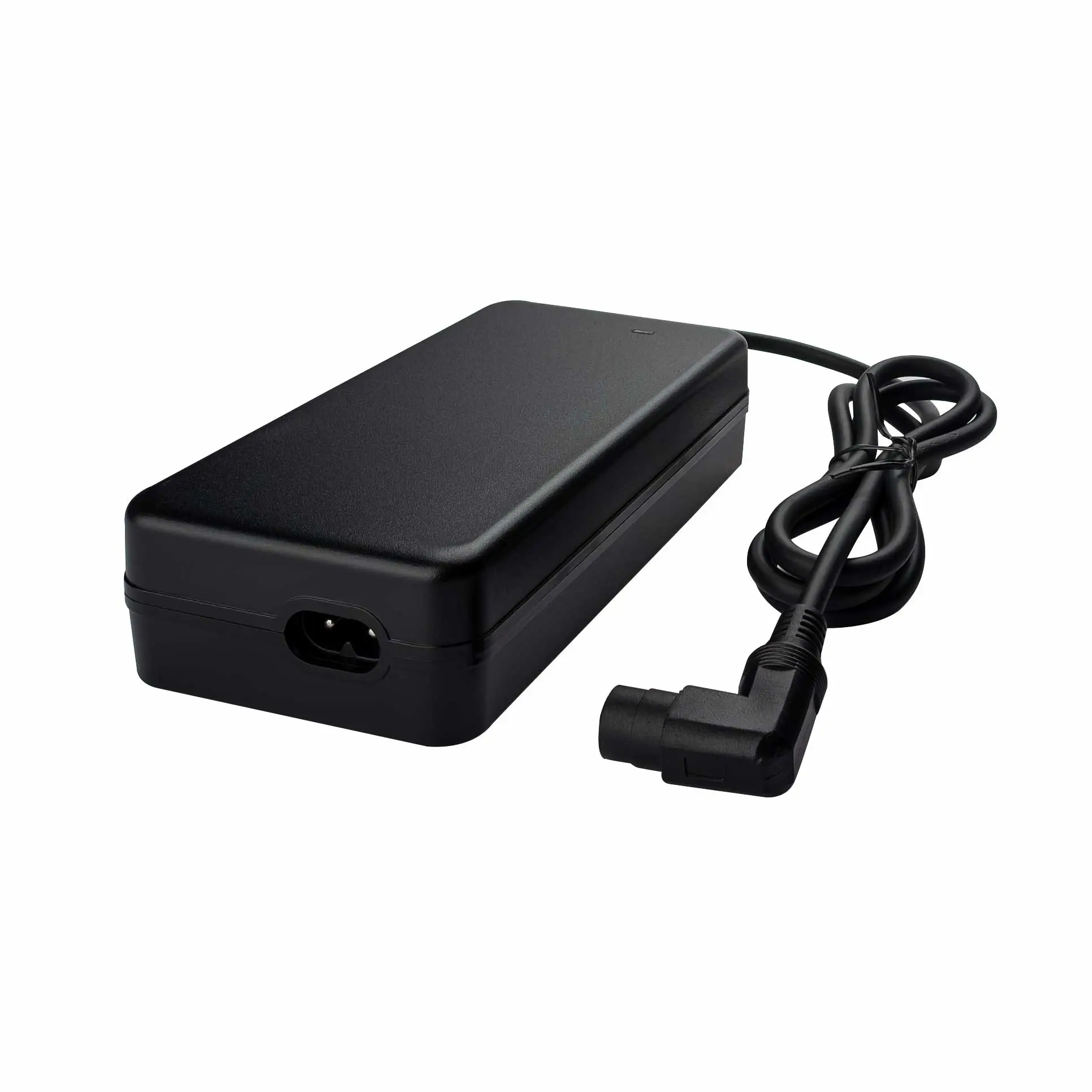
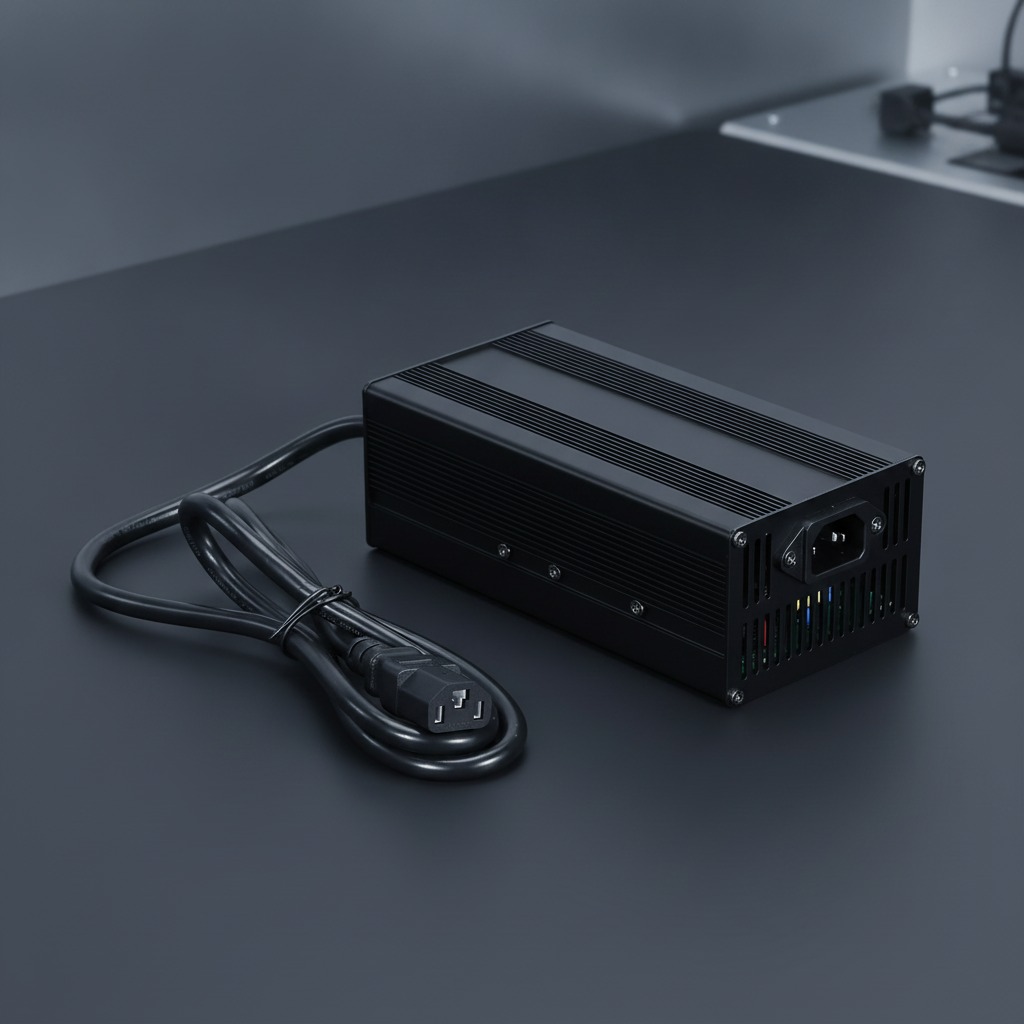
The visible product profile in this case points to a compact enclosed power conversion module: a black metal box, ribbed fins for heat dissipation, a recessed IEC-style inlet, and a corded connection. Those are all practical clues. They suggest the unit is designed to live in tighter spaces, manage heat without a large fan, and connect through standardized interfaces. For buyers, that usually means less custom mechanical work and fewer surprises during integration.
What this type of charger or power module is designed to solve
Even when the exact output rating is not visible, the overall enclosure style tells you something useful. A finned metal housing is typically chosen when thermal control matters. That can indicate a charger, an AC-DC supply, or another power conversion module intended for continuous or semi-continuous service. In practice, the buyer is trying to solve three problems at once: deliver stable power, keep the electronics cool, and fit the unit into a real product enclosure without creating a service headache.
That is why search intent around ODM battery charger often overlaps with questions about battery chemistry, connector format, and power class. A sourcing team may not need a generic explanation of charging theory; it needs a way to decide whether a black-box power module can be adapted for the application. For example, a LiFePO4 battery charger is not interchangeable with every Li-ion battery charger. Voltage curve, charge termination, and pack protection expectations can differ in ways that matter quickly once units go into production.
Quick reference: what to check before you spec one
Battery chemistry
Confirm whether the pack is LiFePO4, Li-ion, lead-acid, or something else. Chemistry drives the charging profile.
System voltage
Applications may call for a 60V battery charger, a 72V battery charger, or another class entirely. Do not assume the housing tells you the rating. It does not.
Power level
If the application is moving quickly from prototype to production, wattage matters for recharge time and heat. A 500W battery charger, for instance, changes cabinet sizing, connector selection, and cable gauge decisions.
Connector strategy
A custom battery charger connector may be the right answer when the standard plug would be too fragile, too bulky, or too easy to mis-mate in the field.
What the visible construction suggests about manufacturing quality
The enclosure details are more than cosmetic. Ribbed side walls and top fins usually indicate an attempt to spread and shed heat through the housing. Screw-fastened panels suggest serviceability, or at least a design that can be assembled and sealed in a controlled way. The recessed inlet and vent slots also point toward a product intended for protected industrial environments rather than consumer countertop use.
That said, buyers should be careful not to read too much into appearance. A well-finished aluminum shell can hide a mediocre internal design, and a plain box can contain an excellent one. The real decision points remain electrical behavior, thermal margin, connector integrity, and whether the supplier can support a stable build over time. If this is an ODM program, consistency matters just as much as the first sample.
Common mistakes when sourcing an ODM charger
One frequent mistake is asking for the charger before the pack spec is frozen. That sounds backwards, but it happens often. The battery configuration, chemistry, enclosure volume, and cable routing should be settled early enough that the charger can be designed around them. Another common issue is treating connector choice as an afterthought. The wrong interface can create field failures that look electrical but are really mechanical.
It is also easy to under-spec thermal behavior. A metal enclosure with fins helps, but it is not magic. Ambient temperature, mounting orientation, duty cycle, and nearby heat sources all influence performance. If the charger will live in a sealed cabinet or a roadside unit, that matters more than most spreadsheet summaries admit.
Practical buyer advice for engineers and sourcing managers
When evaluating an ODM battery charger, ask for the electrical profile first, then the mechanical drawing, then the environmental assumptions. In that order. If the supplier cannot clearly separate input, output, and control features, the program may not be ready for a customized build. For industrial buyers, it is also worth asking how the unit is assembled, how heat is managed, and whether the connector system can be changed without redesigning the whole enclosure.
If the application resembles lighting, automation, surveillance, or equipment power support, make sure the supplier understands whether you need a charger, a DC supply, or a specialized driver. The terms are often used loosely in sales conversations, but the technical differences are real. For a product team, that distinction can decide whether the prototype moves smoothly into pilot production or stalls in rework.
FAQ
Is this definitely a battery charger?
Not from appearance alone. The housing and connection features fit an enclosed power conversion module, which could be a charger, AC-DC supply, driver, or related device.
Can one unit cover multiple battery voltages?
Sometimes, but only if the electrical design supports it. Do not assume a 60V battery charger can be used where a 72V battery charger is required, or vice versa.
When does a custom battery charger connector make sense?
When the system needs stronger mechanical retention, keyed mating, better field usability, or compatibility with an existing platform.
A sensible next step
For buyers comparing an ODM battery charger against a standard off-the-shelf unit, the best next step is to build a short requirement sheet: battery chemistry, target voltage, power class, connector style, enclosure constraints, and thermal limits. With that in hand, supplier conversations get much more precise, and the risk of ordering a unit that looks right but behaves wrong drops sharply.