
E-bike and e-scooter charger replacement is rarely just a wattage question. For distributors, repair shops and battery pack suppliers, the practical risk is ordering a charger that looks close but does not match the battery voltage, charging current, connector, polarity or market requirement. This guide explains how buyers can compare JZX Charger product options such as 42V, 54.6V, 67.2V, 300W universal and IP65 waterproof chargers before placing a wholesale or OEM inquiry.
## Start With Battery Voltage, Not the Vehicle Name
Many buyers search by bike or scooter model, but the battery pack specification is the safer starting point. A 36V lithium battery pack usually needs a 42V charger. A 48V lithium battery pack commonly uses a 54.6V charger. A 60V lithium battery pack commonly uses a 67.2V charger. These are charging voltages, not the nominal pack voltage. Before buying replacement chargers in bulk, confirm the battery chemistry and full-charge voltage printed on the battery label or technical sheet.
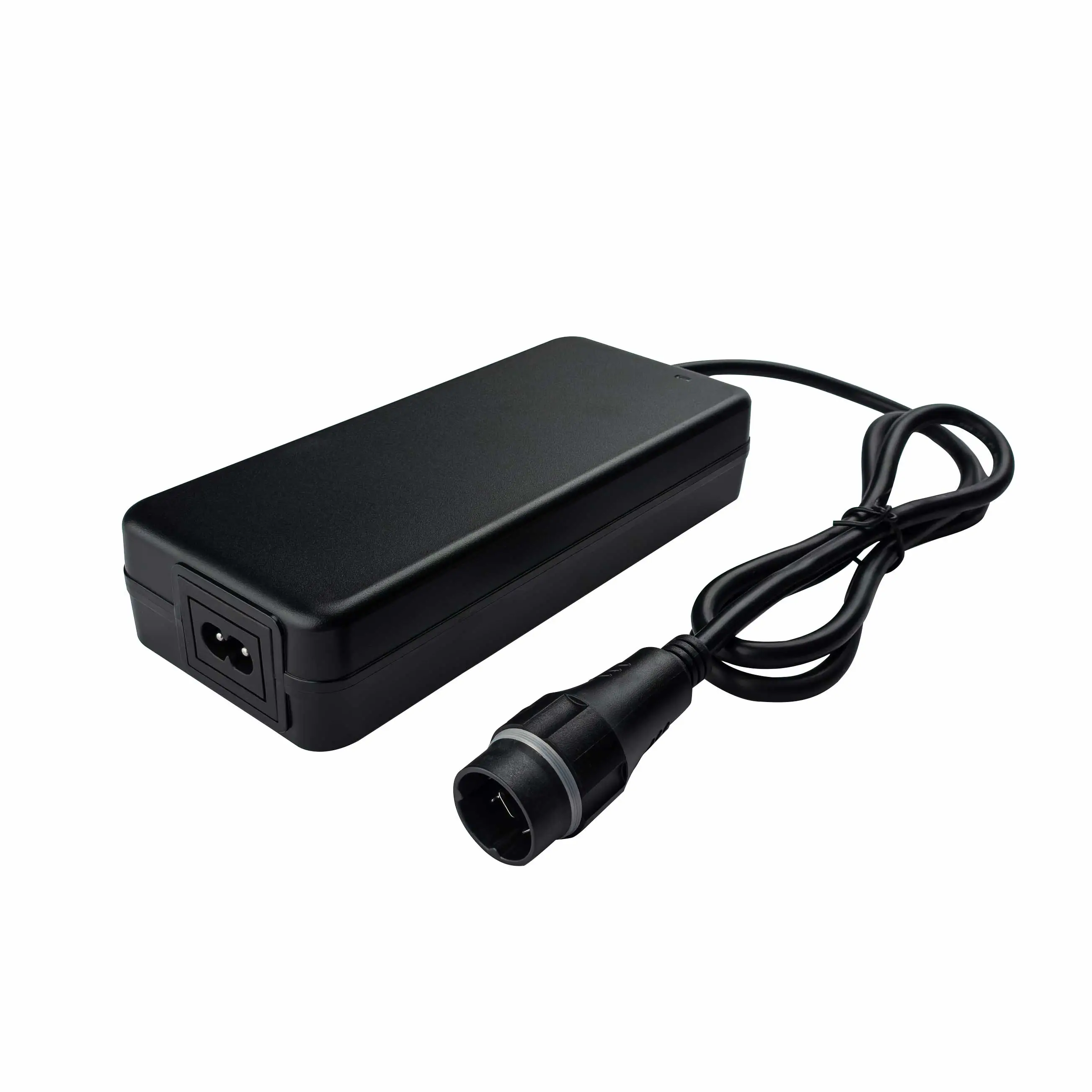
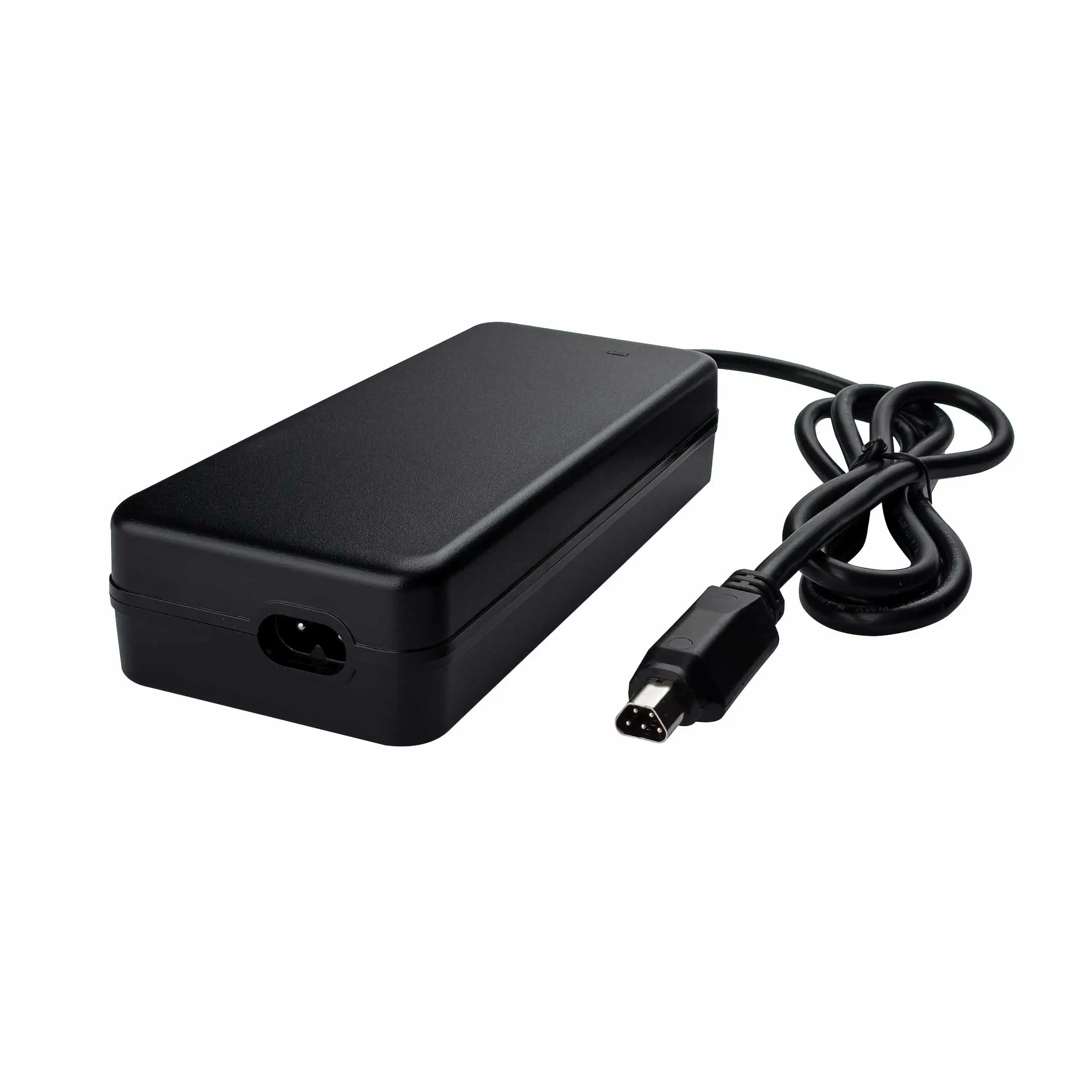
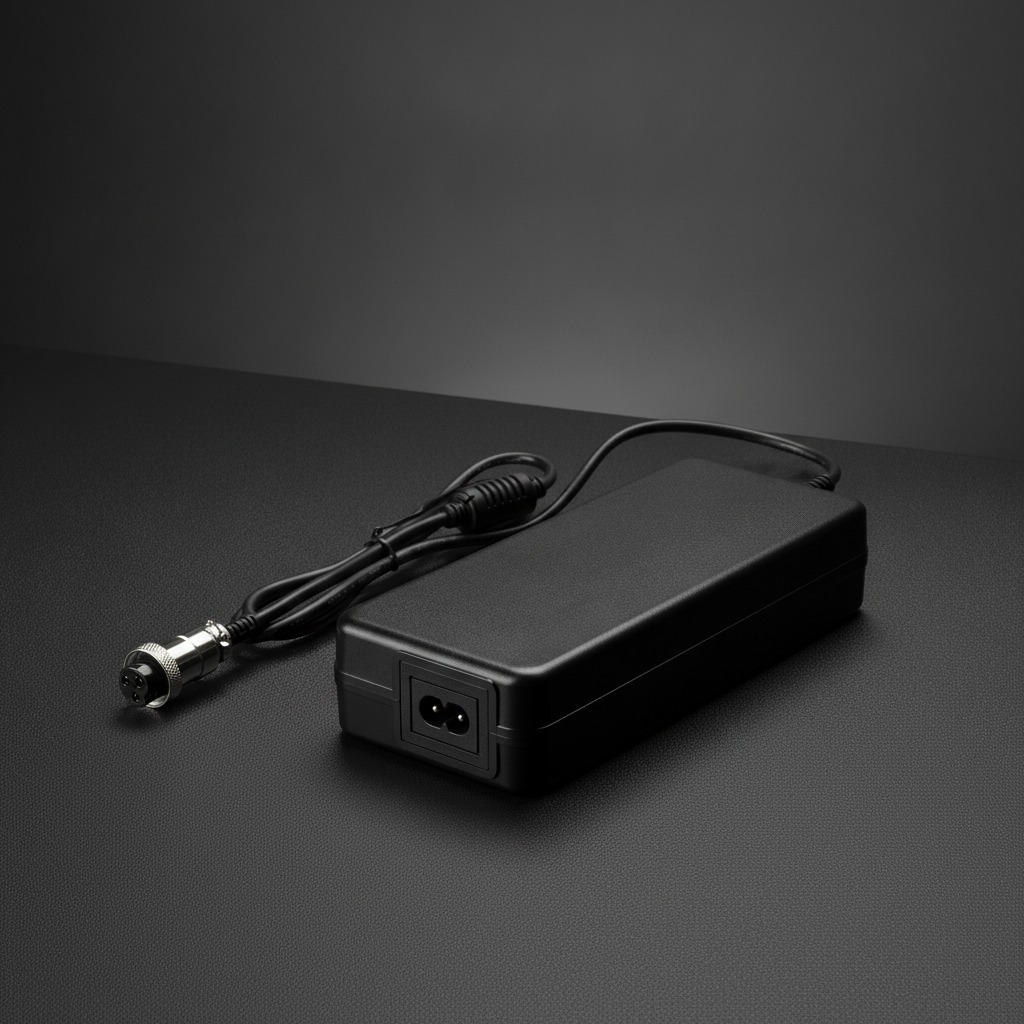
JZX Charger lists several product directions that fit this sourcing logic, including a 42V 2A Bosch-compatible e-bike charger with oval plug, a 54.6V 2A 3-pin XLR charger for 48V lithium batteries, and a 67.2V 2A 3-pin XLR charger for 60V lithium systems. These examples show why voltage matching and connector matching must be checked together.
## Check Current Rating for User Experience and Battery Safety
Charging current affects charging time, heat and compatibility. A 2A charger is often used for compact replacement needs and service counters where safe matching matters more than speed. Higher power chargers such as 300W or 450W models may fit projects where faster charging, larger packs or OEM battery systems are involved.
Wholesale buyers should avoid assuming that a higher current charger is automatically better. The battery management system, cell design and brand requirement must support the charging current. For aftermarket replacement programs in Europe, the UK and the USA, a conservative current match can reduce returns caused by overheating, connector damage or customer confusion.
## Connector Type Is a Commercial Detail, Not a Small Detail
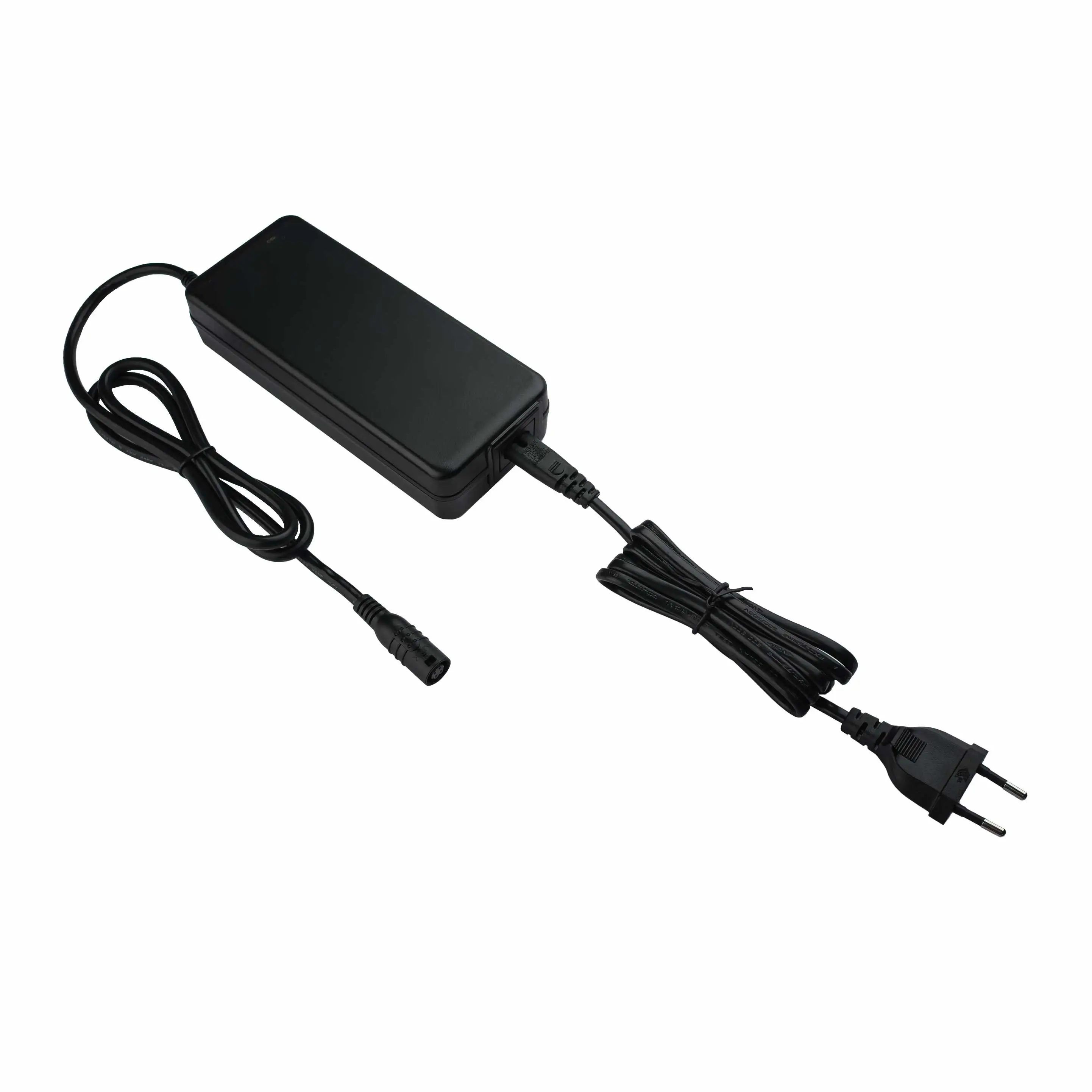
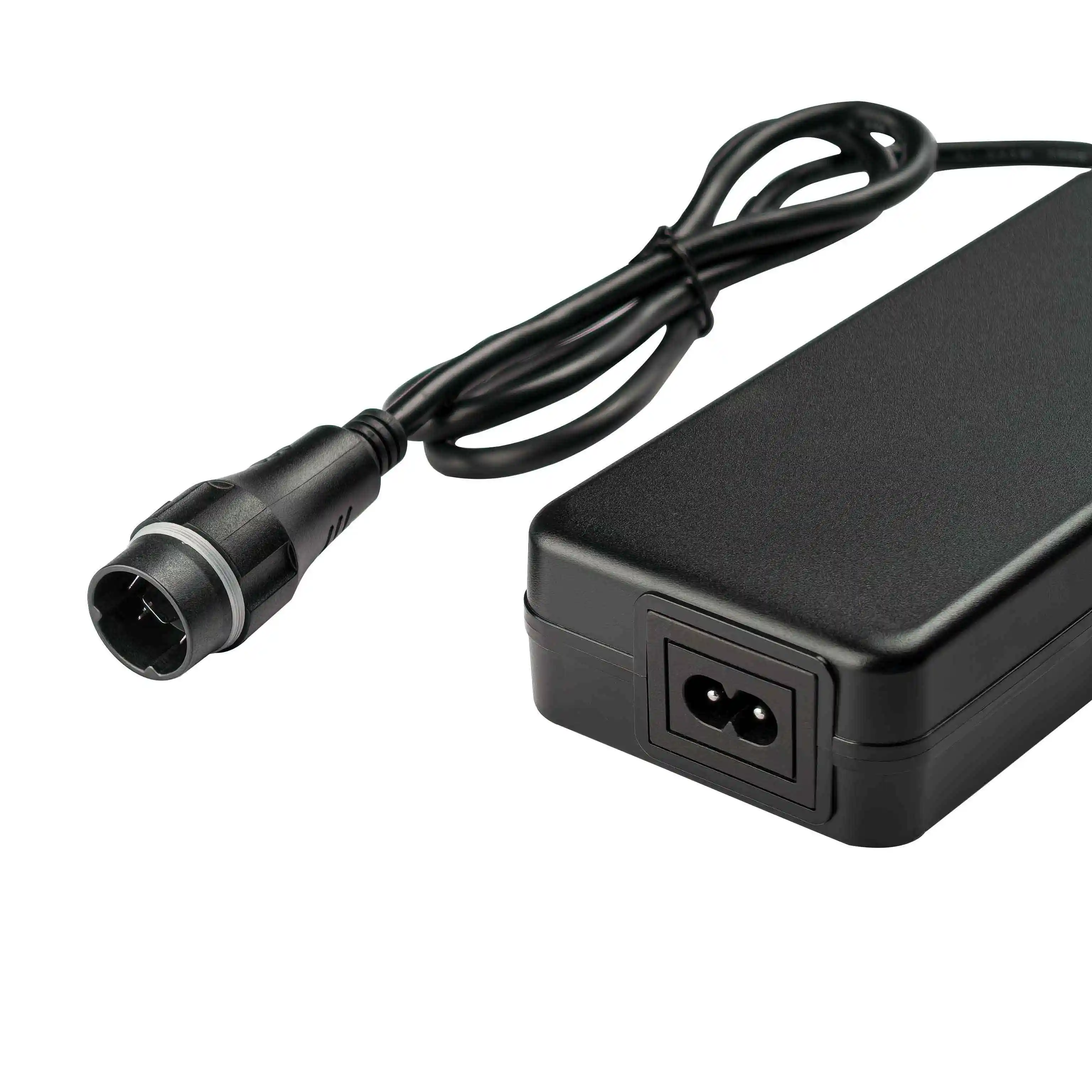
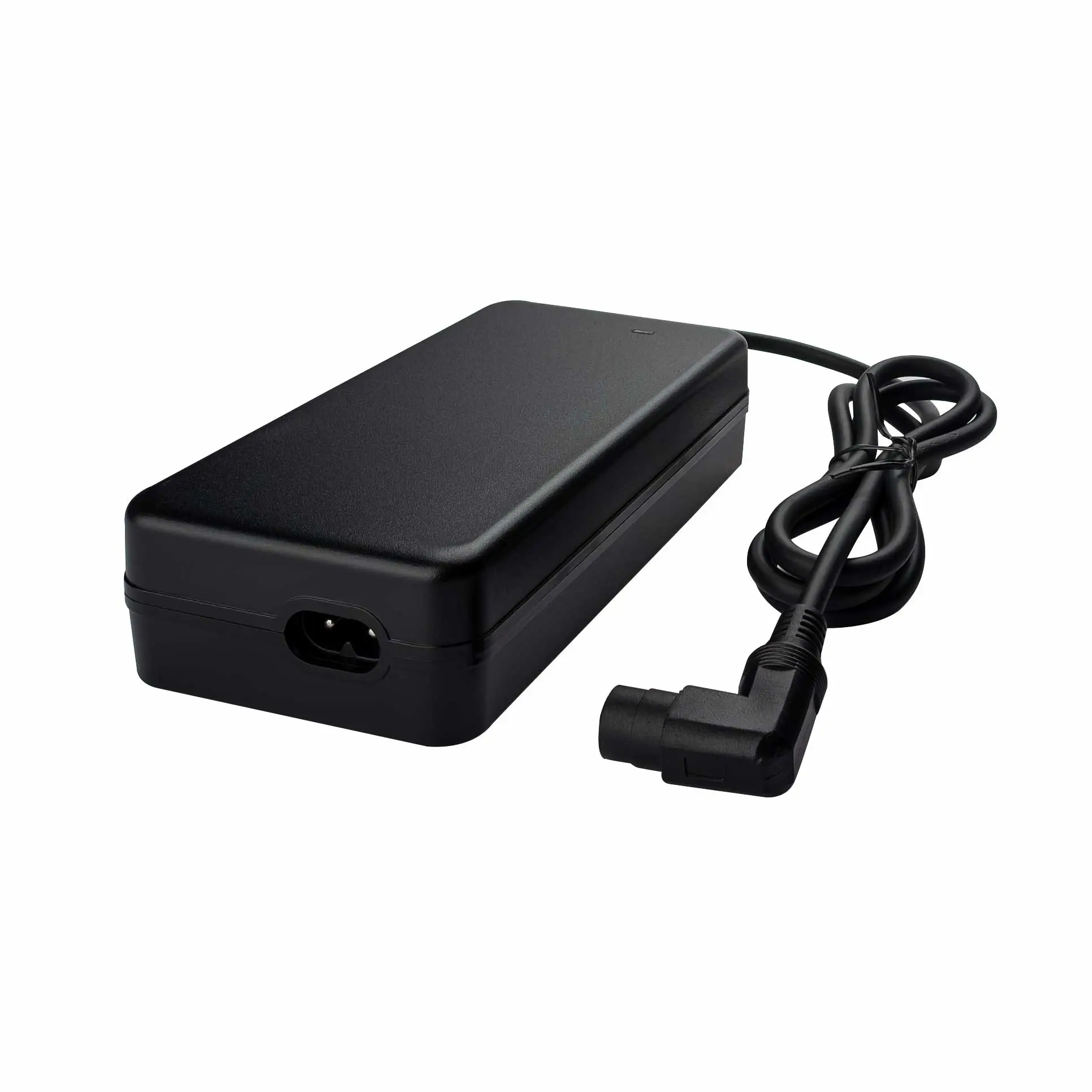
The connector is one of the most common reasons for charger returns. XLR, DC barrel, aviation plug, Rosenberger-style, oval plug and brand-compatible connectors may look similar in photos but differ in pin layout, shell size and polarity. JZX Charger product pages include examples such as 3-pin XLR lithium battery chargers and Bosch-compatible oval plug e-bike chargers. For distributors, this means product photos, connector drawings and sample testing should be part of the sourcing process.
If you are preparing a bulk order, send clear connector photos from the front and side, battery voltage information and polarity requirements. For OEM projects, confirm cable length, plug type, label text and packaging expectations before mass production.
## Consider Application Environment
Not every charger is used in the same place. Indoor replacement chargers for e-bike shops have different priorities from chargers used near garages, warehouses, rental fleets or outdoor mobility equipment. JZX Charger also lists an IP65 waterproof battery charger direction for 12V to 48V projects, which may be relevant when buyers need better dust and water resistance for harsher environments.
IP rating should still be matched to real use conditions. Buyers should ask where the charger will be stored, whether users charge indoors or outdoors, and whether cable strain relief and housing design are suitable for repeated use.
## Certification and Regional Requirements
For Europe, buyers commonly ask about CE and RoHS. For the UK, UKCA may be relevant. For the USA, FCC or UL-related requirements may be requested depending on sales channel and project type. A supplier should only confirm certifications that apply to the specific model and configuration. Plug type also matters: EU plug, US plug and UK plug versions may require different packaging and labeling.
For replacement markets, avoid making assumptions from one model to another. Ask for documents related to the exact charger model, voltage, current and plug configuration you plan to order.
## OEM and Wholesale Buying Checklist
Before sending an inquiry, prepare the battery voltage, chemistry, charging current target, connector type, polarity, AC plug market, label language, logo requirement and packaging plan. If you are replacing a charger used by an existing fleet or customer group, include photos of the old charger and battery label.
JZX Charger product directions cover e-bike chargers, e-scooter chargers, lithium battery chargers, lead-acid charger projects and OEM battery charger requirements. Buyers can use the product pages on www.jzxcharger.com as a starting point, then contact the team with the exact specification.
## FAQ
### Can I use a 54.6V charger for any 48V battery?
Only if the battery chemistry, BMS and connector match. Confirm the battery label and supplier recommendation first.
### Is a 3-pin XLR connector always wired the same way?
No. Pin layout and polarity must be confirmed before bulk purchase.
### Should distributors choose 2A or higher current chargers?
It depends on battery capacity, BMS allowance and user expectations. Do not increase current without confirming compatibility.
### Can OEM buyers request custom logo and packaging?
Yes, OEM projects commonly involve label, logo, cable, plug and packaging requirements, but details should be confirmed with the supplier for the exact model.
### Which markets should I mention in an inquiry?
Mention whether the order is for Europe, USA, UK, Germany, France or the Netherlands, because plug type, labeling and compliance documents may differ.
## Request a Quote
Send your battery voltage, connector photos, target market, plug type and expected order quantity to JZX Charger. The team can help match the charger direction and discuss wholesale or OEM requirements.