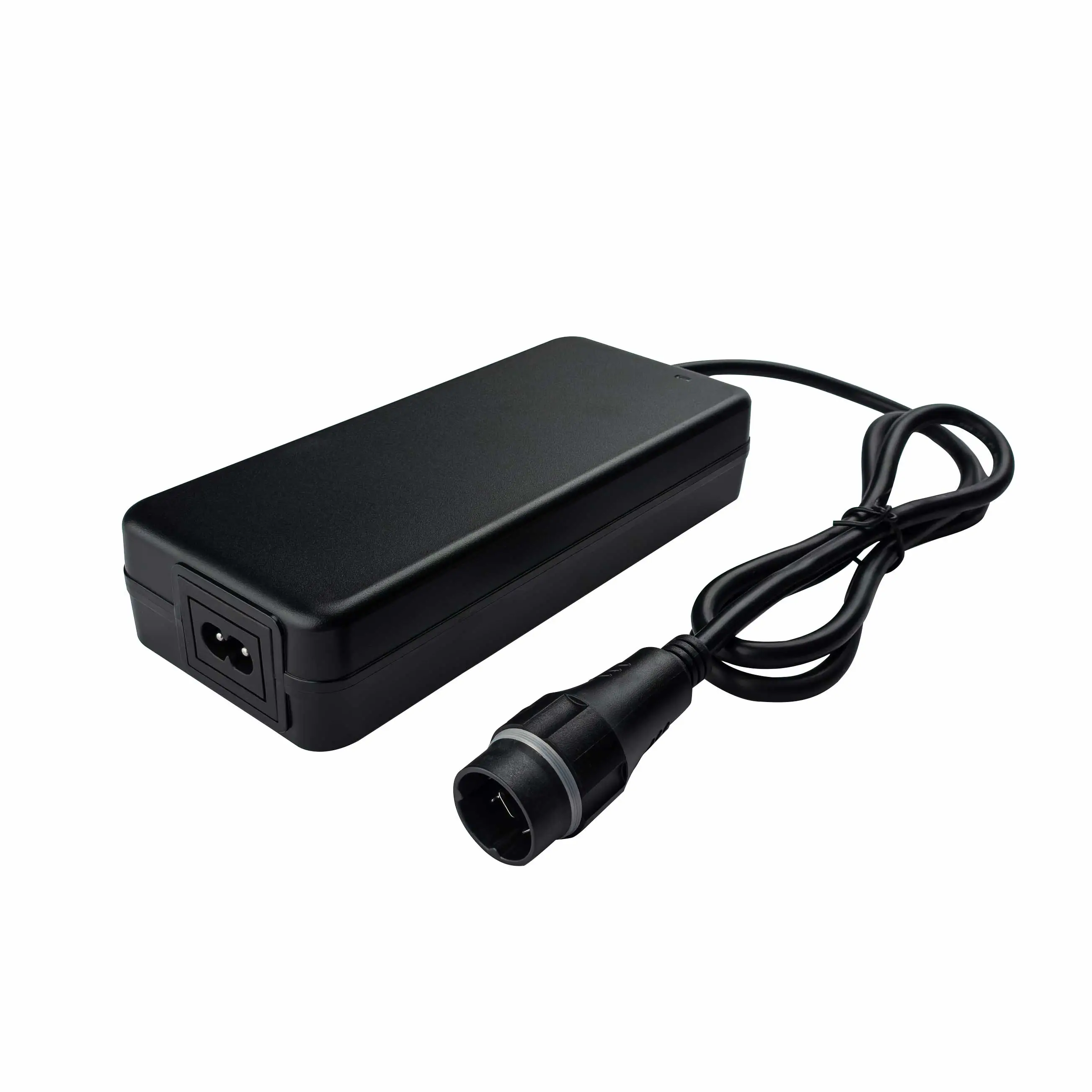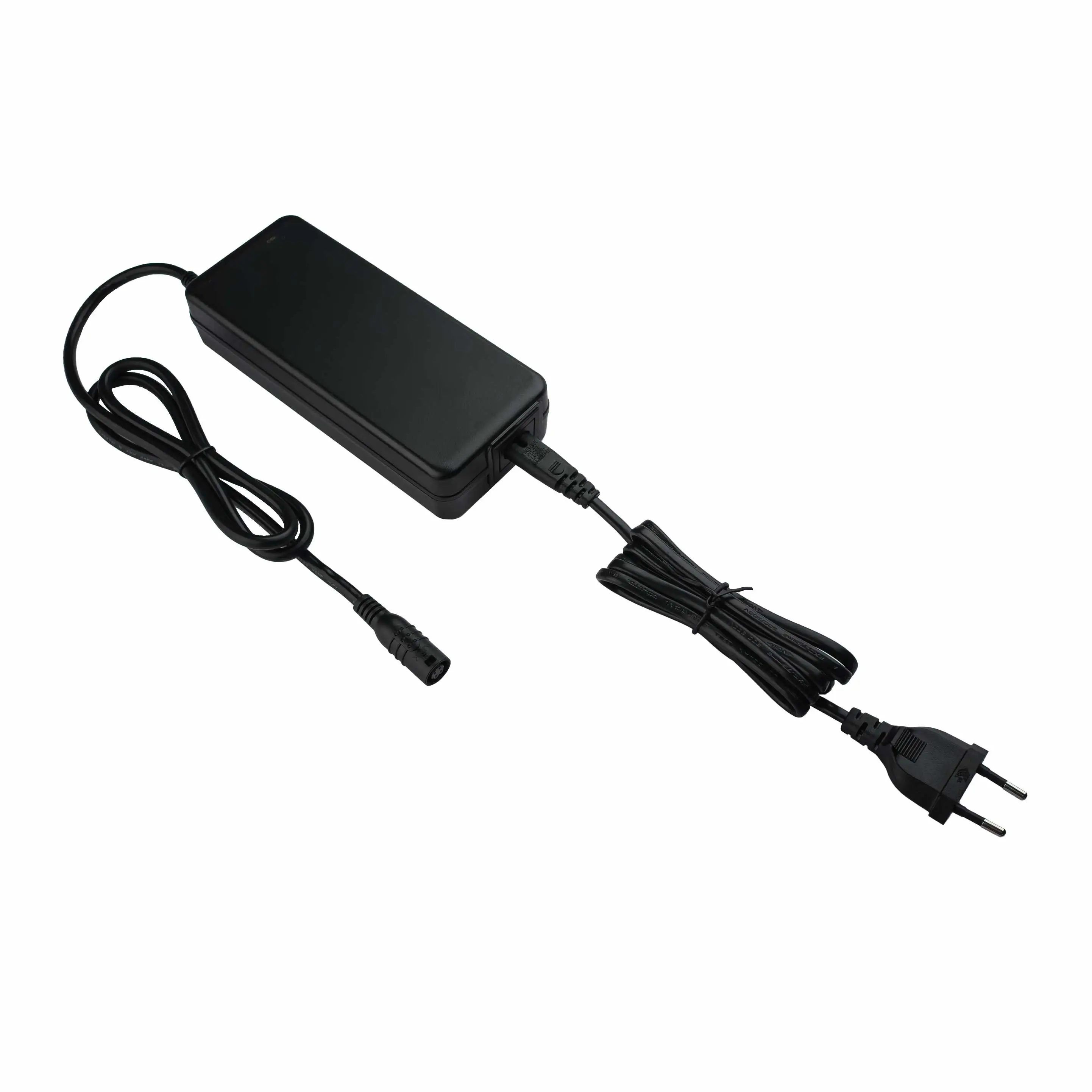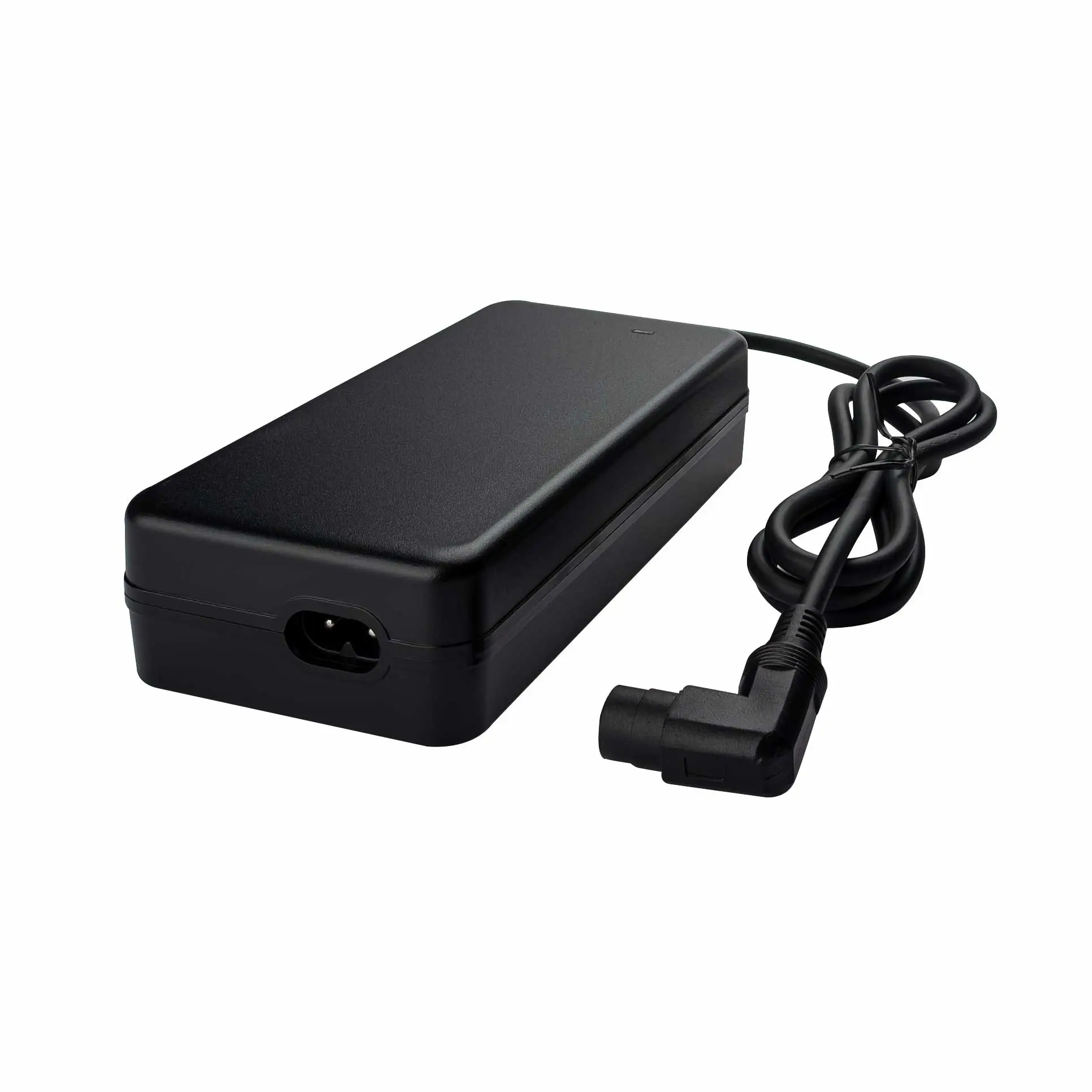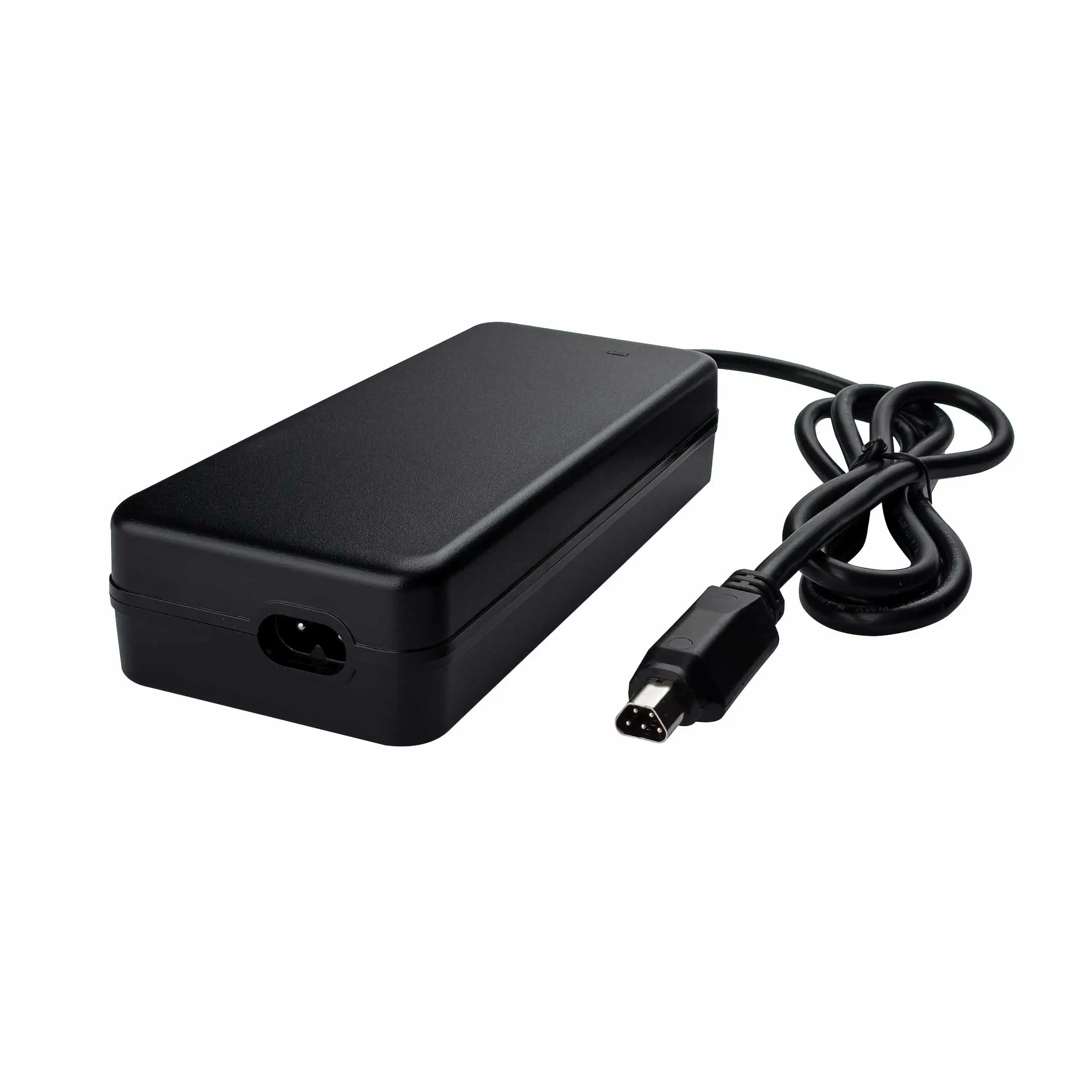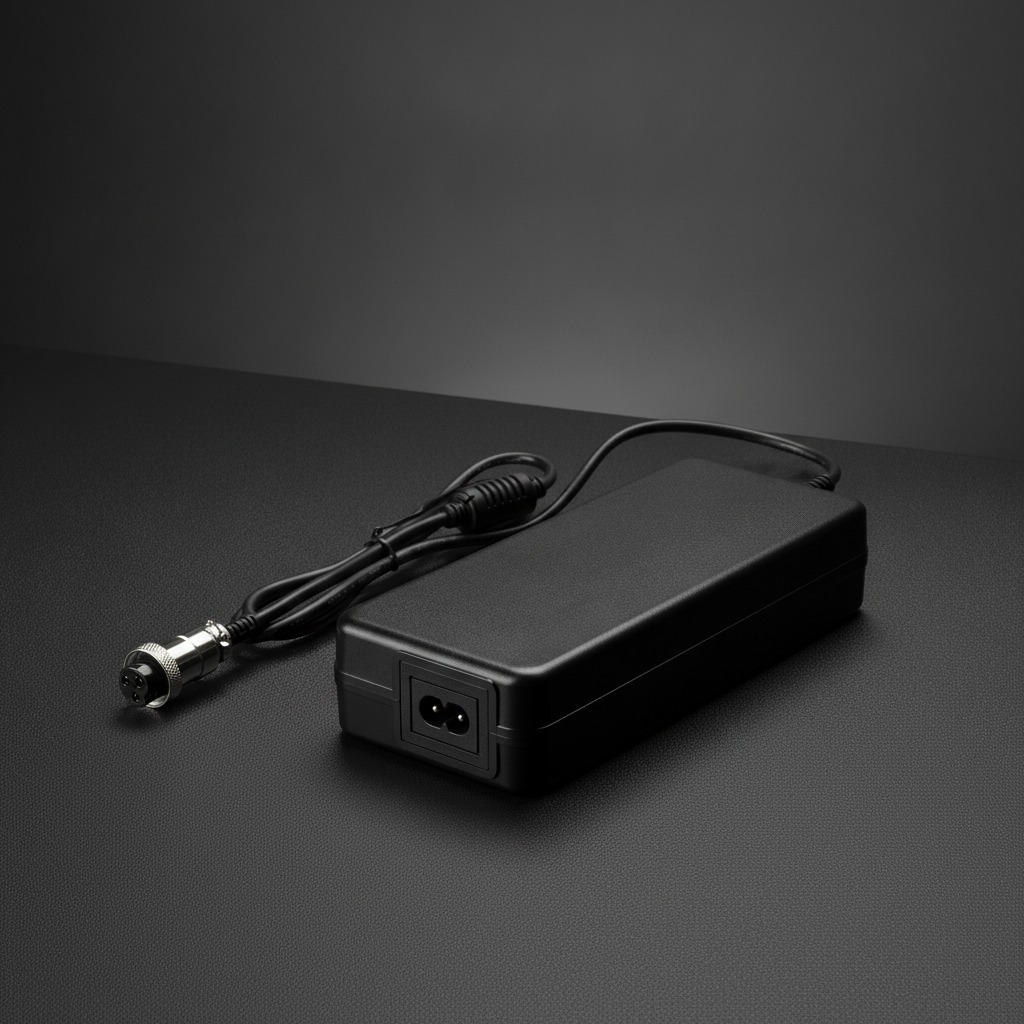

Choosing a lithium battery charger supplier for e-bike and scooter brands requires more than comparing price. Brands, battery pack suppliers and distributors need a charger partner that can discuss voltage matching, charging current, connector type, plug version, documentation, packaging and bulk order requirements in a practical way. This guide uses JZX Charger examples including 54.6V 2A 3-pin XLR chargers and 67.2V 2A 3-pin XLR chargers to show what buyers should confirm before sourcing.
The solution is to evaluate suppliers by how well they help you match the charger to the battery system. A low price is not useful if the voltage is wrong, the connector does not fit, or the packaging cannot support your sales channel. For Europe, the USA, the UK, Germany, France and the Netherlands, charger selection must combine technical fit with market-ready details.
Voltage Matching for Lithium Battery Chargers
Lithium charger voltage should be based on the battery pack configuration. A 48V lithium battery usually requires a 54.6V charger, while a 60V lithium battery usually requires a 67.2V charger. Buyers should confirm the full-charge voltage on the battery label or battery specification sheet before asking for a quote. The old charger label can also help, but it should not replace battery confirmation if the original charger may be wrong or unbranded.
For e-bike and scooter brands, voltage consistency affects customer experience. If the charger output is too low, the pack may not reach expected charge. If it is too high, there may be safety risk or BMS shutdown. A serious lithium battery charger supplier should ask for battery voltage, chemistry, BMS limit and target charging current before recommending a model.
JZX Charger product directions cover common lithium charger needs such as 42V, 54.6V and 67.2V, as well as broader battery charger options. That gives buyers a starting point, but the final charger should still be selected against the exact battery system and market requirement.
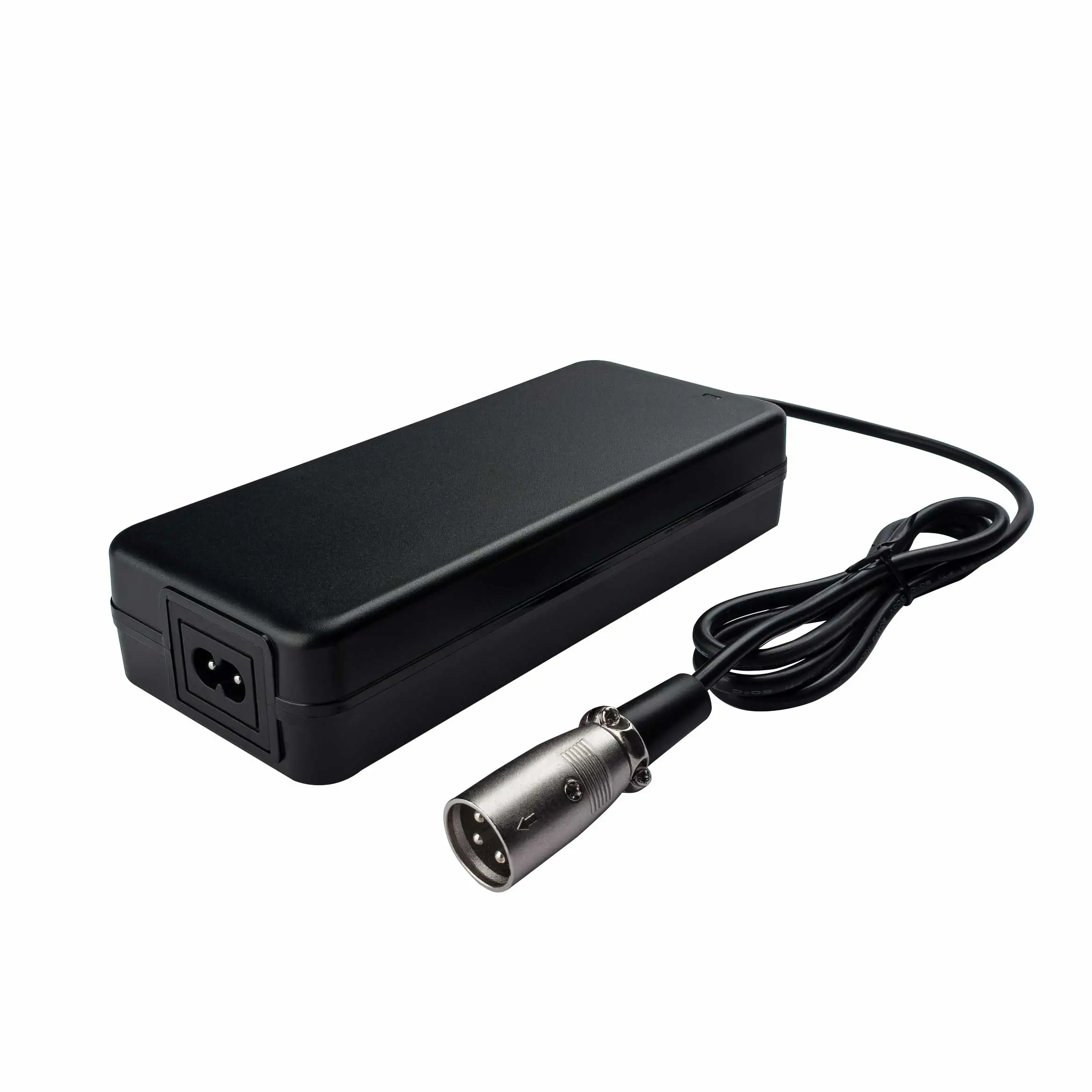
Connector Type: 3-Pin XLR and Other Options
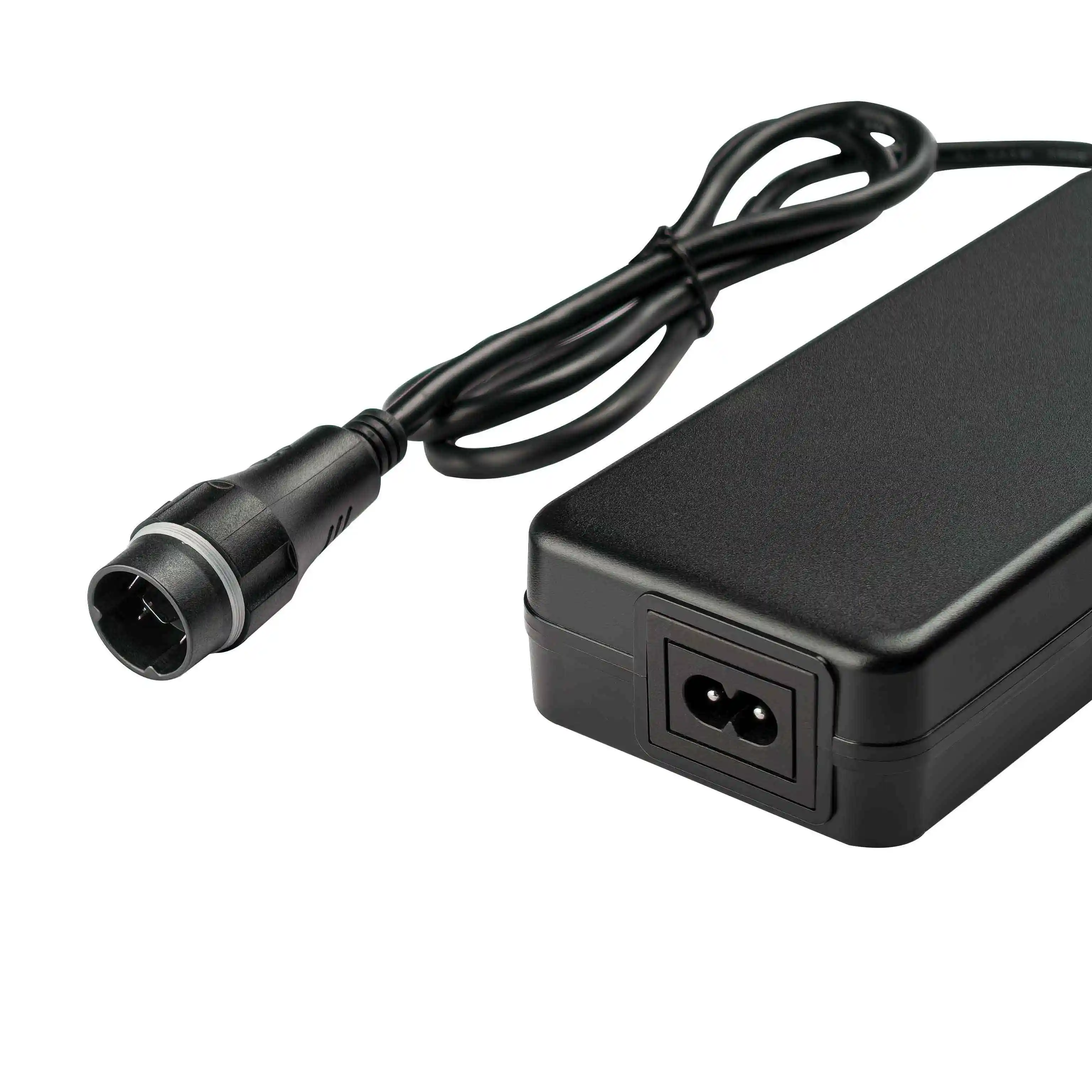
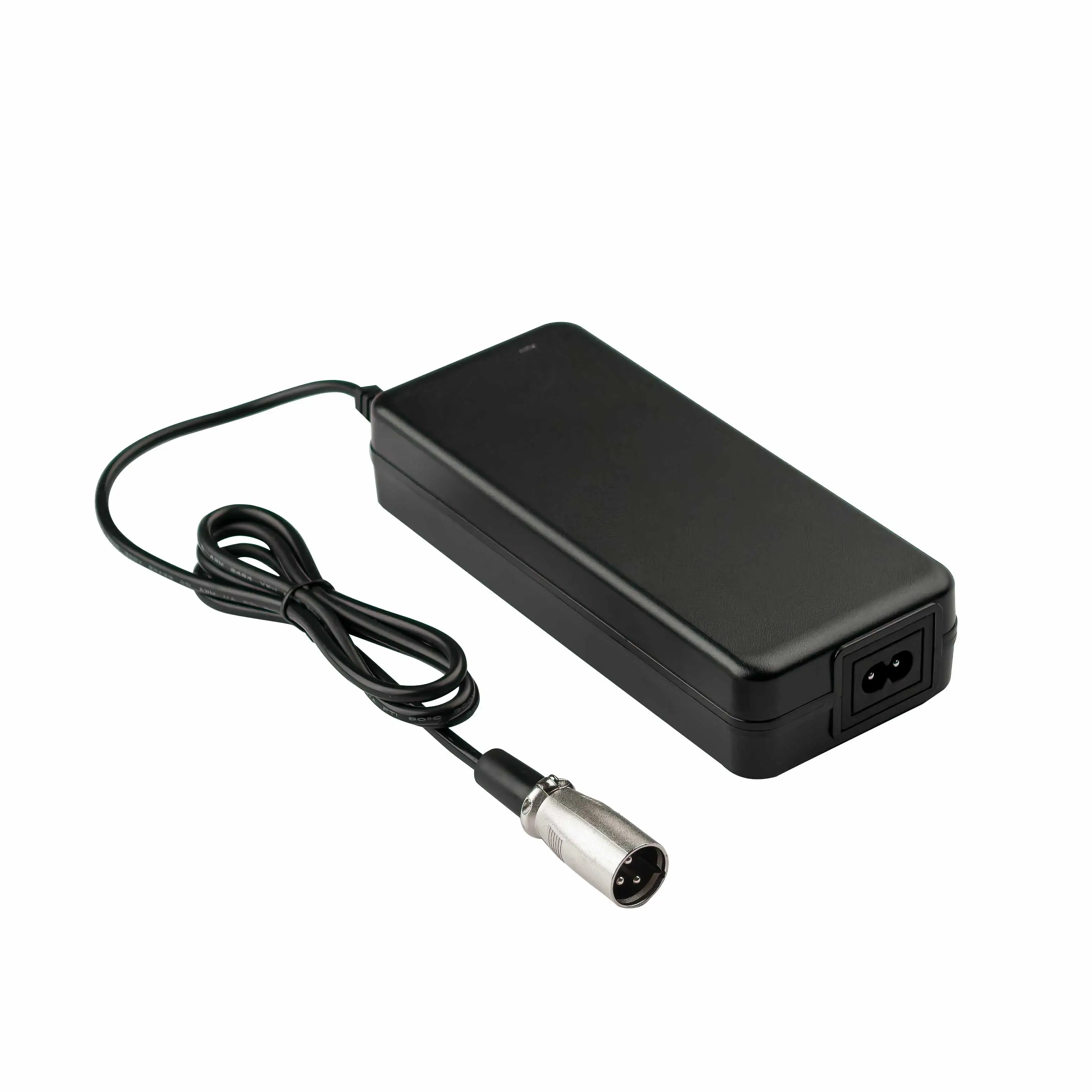
Connector type is a major selection point for lithium battery chargers. 3-pin XLR is common in many e-bike, e-scooter, mobility scooter and battery pack applications, but pin layout and polarity still need confirmation. A 3-pin XLR charger is not automatically correct for every 3-pin XLR battery port. Ask for pinout information or use detailed connector photos when possible.
Other charger projects may require 4-pin XLR, DC barrel, oval plug or custom connectors. For aftermarket replacement, distributors should build SKU notes around connector photos and polarity. For OEM battery packs, connector choice should be locked before charger label and packaging artwork are approved. This keeps the product ready for both assembly and after-sales support.
Current Rating and Charging Time
Many 54.6V and 67.2V replacement chargers use 2A output for stable, familiar charging. Higher current may be possible for larger battery packs, but only when the pack design and BMS support it. Brands should decide whether their charger is intended for retail replacement, fleet maintenance, OEM battery delivery or workshop use, because each application has a different balance of speed, heat and cost.
Supplier Questions Before Bulk Orders
A good inquiry should include target voltage, current, connector, polarity, plug type, order quantity and market. EU plug, UK plug and US plug versions should be separated clearly. If your brand sells in Germany, France and the Netherlands, EU plug and relevant documentation may be central. If you also sell in the UK or USA, confirm plug and labeling needs before samples are approved.
Certification requests should be specific and honest. CE, RoHS, UKCA, FCC, UL, GS or BS should only be discussed in relation to documents available for the exact charger model and configuration. Do not assume that a supplier can use every mark on every charger. For regulated channels, ask for the correct document package before final packaging approval.
OEM Packaging and Brand Support
E-bike and scooter brands often need OEM label, logo, box design, carton marks and manual language. These elements help the charger match the battery kit or vehicle brand, but they should not weaken technical clarity. The label should show output voltage, output current, battery type, polarity and model information in a way that service teams can read quickly.
If you are building a product family, compare JZX Charger lithium models with other battery charger directions such as 300W e-bike and scooter chargers or 500W 12V-72V chargers. This helps brands source replacement chargers, OEM battery chargers and higher-power service chargers from a consistent product direction.
FAQ
What charger voltage is used for a 48V lithium battery?
A 48V lithium pack commonly uses a 54.6V charger, but buyers should always confirm the battery specification and BMS requirement.
What charger voltage is used for a 60V lithium battery?
A 60V lithium pack commonly uses a 67.2V charger. Connector, polarity and current still need confirmation.
Is every 3-pin XLR charger the same?
No. Pin layout and polarity can differ, so buyers should confirm the connector details before ordering.
Can lithium battery chargers be private labeled?
OEM logo, label and packaging can be discussed with order quantity, artwork and technical specification.
What should I ask a lithium battery charger supplier?
Ask about voltage matching, current options, connector support, plug versions, available documents, packaging and bulk order process.
Request a Quote
Send JZX Charger your lithium battery specification, required charger voltage, connector photos, target market, plug type and quantity through the contact page. Clear technical details help the supplier recommend a charger direction for wholesale or OEM sourcing.
How Brands Should Compare Charger Suppliers
When comparing lithium battery charger suppliers, do not evaluate only the unit price. Ask how the supplier confirms voltage matching, connector polarity, plug versions, OEM label details and documentation. A supplier that asks technical questions before quoting may take longer at the beginning, but that process usually reduces wrong samples and order changes. For e-bike and scooter brands, this is more valuable than a quick but vague quotation.
Buyers should also review the supplier’s product range. If your brand uses 48V and 60V lithium packs, it is useful to discuss both 54.6V and 67.2V charger directions. If you also sell replacement parts, a 42V compact charger or 300W scooter charger may belong in the same sourcing plan. For service centers, consistent label style and connector documentation across the range can make daily repair work easier.
Warehouse and Aftermarket Support Notes
Lithium battery charger inventory should be organized by output voltage, connector and plug type. For example, a 54.6V 3-pin XLR charger and a 67.2V 3-pin XLR charger may look similar in a warehouse, so carton marks and product labels must be clear. Add connector photos to internal sales sheets and online product pages so customers can compare before ordering.
For aftermarket replacement, avoid broad claims such as “fits all 48V e-bikes”. A better listing explains the required battery voltage, connector type, polarity and plug market. This improves search relevance and helps serious buyers in Europe, the USA and the UK decide whether to send an inquiry. Keep one approved sample and photo record for each voltage and connector version so future repeat orders can be checked faster.
Buyer Search Notes for lithium battery charger supplier
For SEO and buyer clarity, this article uses the search phrase “lithium battery charger supplier” in the same way a professional sourcing team would use it when comparing chargers. Buyers searching for lithium battery charger supplier should still confirm voltage, current, connector type, polarity, EU / US / UK plug version, documentation and packaging before ordering. If your team plans a bulk order for lithium battery charger supplier, send JZX Charger the battery label, old charger label, connector photos and target market so the specification can be checked before quotation.