120W E-Bike & Electric Scooter Battery Charger (24V–72V) – CE UL Certified Manufacturer
Choosing a 120W E-Bike & Electric Scooter Battery Charger (24V–72V) – CE UL Certified Manufacturer is often about solving a simple but important problem: getting the right low-voltage DC power to a battery pack or device without mismatched connectors, unstable charging, or unnecessary bulk. For buyers sourcing replacement or OEM external power units, the main challenge is compatibility across plug types, voltage ranges, and end-device requirements. A compact external charger or adapter with a molded enclosure and interchangeable output options can reduce SKU complexity and make replacement sourcing easier for both distributors and equipment builders.
Product overview
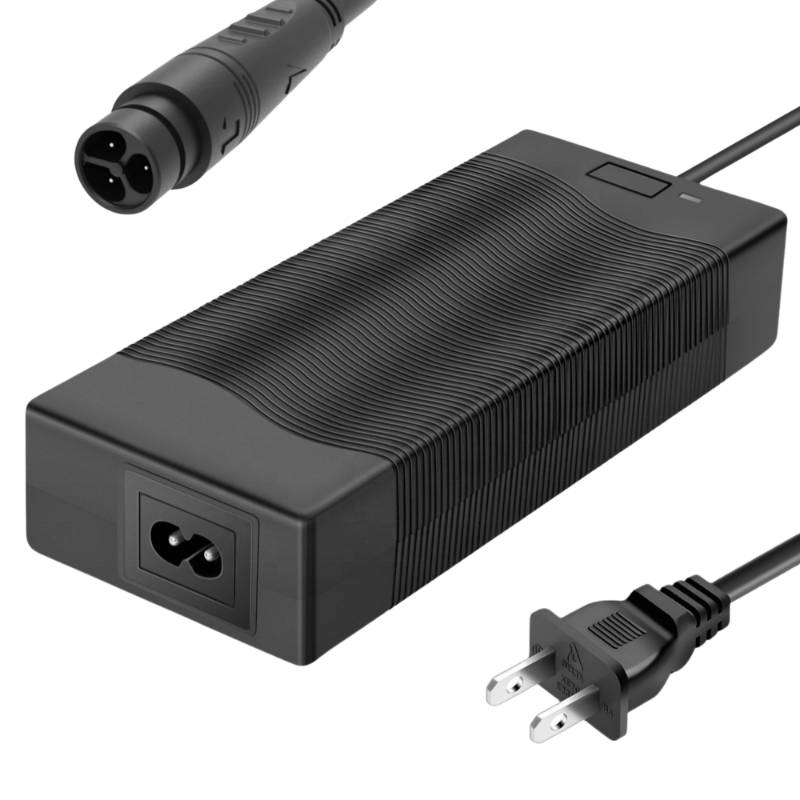
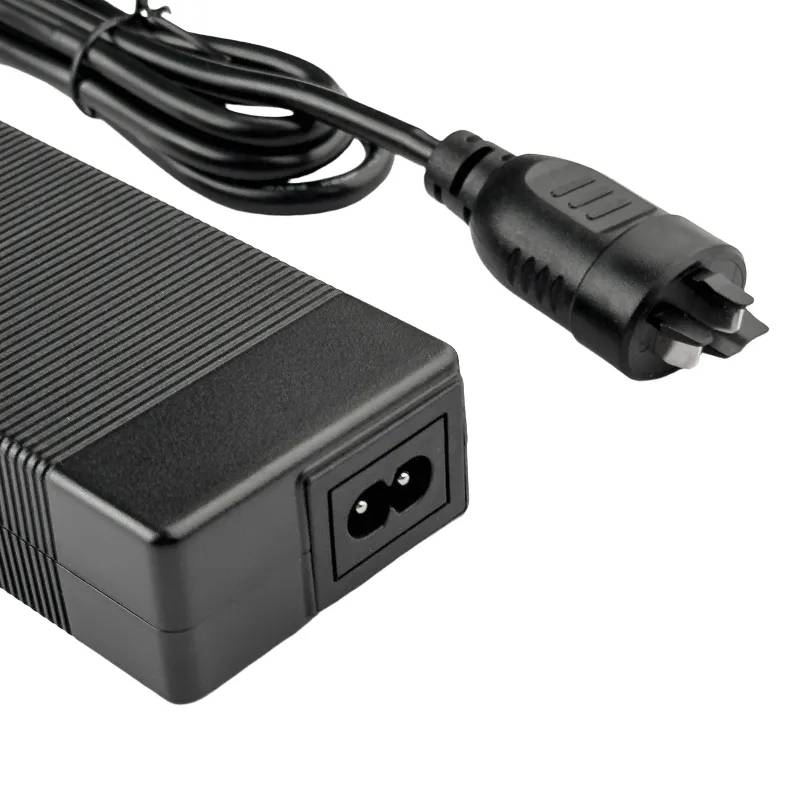
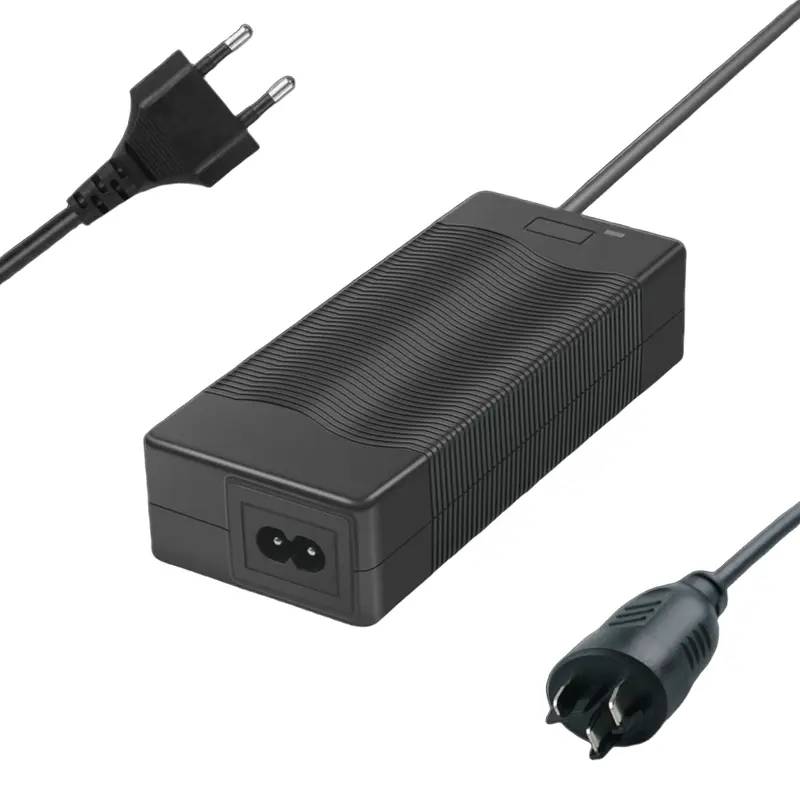
This product category covers external AC/DC power adapters and battery charger-style units designed to convert mains AC input into usable low-voltage DC output. The visible design cues include a rectangular black plastic housing, a ribbed or wavy top surface, integrated cable strain relief, and output connectors such as barrel plugs, circular multi-pin connectors, or other specialty tips. That combination makes the unit suitable for a broad range of consumer, light industrial, and mobility applications where an external brick-style supply is preferred over an internal power board.
From a procurement perspective, the value is flexibility. One platform can serve different devices with the correct output lead or connector set, which is useful for replacement channels, private label programs, and OEM projects. The exact electrical ratings are not visible in the provided data, so final compatibility must be verified against the target battery or device specification before purchase.
What the visible construction tells buyers
The enclosure appears to be a molded black plastic body with smooth end caps and a textured top surface. That is a common build for external power supplies because it supports compact packaging, protects internal components, and gives room for cable entry and exit. The visible AC input side shows standard plug styles depending on the version, including North American two-prong and EU two-pin input examples. The output side shows a circular connector or interchangeable connector set, which suggests a device-specific interface rather than a one-size-fits-all consumer plug.
No display, keypad, or user controls are visible, so this is a straightforward plug-in unit. In practical terms, that reduces complexity for end users and helps installation teams keep the operating process simple: connect to AC power, connect the output lead, and verify the status indicator if present.
Key specifications and capabilities
Functional scope
This type of adapter or charger is intended to deliver low-voltage DC power from an AC mains source. Depending on the final electrical design, it may be used to charge battery systems or to power a connected device directly. Because the exact voltage, current, and polarity are not shown, these parameters should be confirmed from the product label or technical sheet before integration.
Connector flexibility
Several connector formats may be included in the product family, such as barrel-type plugs, coaxial-style tips, 3-pin circular connectors, or rectangular multi-pin interfaces. For buyers, this reduces the need to redesign the whole power chain when only the output tip changes. It also helps with maintenance inventories when multiple field devices use related but not identical connectors.
Form factor
The unit is compact and rectangular, which makes it easier to mount, pack, or replace in tight spaces. The corded design also keeps the unit separate from the device enclosure, which can simplify thermal management and serviceability compared with fully integrated power systems.
Materials and finish options
The visible housing appears to be injection-molded plastic with a matte black finish. That finish is commonly selected because it hides scuffs, works well with industrial labeling, and gives the adapter a neutral appearance across retail and OEM channels. The ribbed top profile may be used to improve grip during handling or to create the visual impression of heat dissipation.
For customized programs, external power adapter housings are often adapted with different shell colors, printed ratings, branding marks, cable jackets, or connector trims. Those options depend on the manufacturer’s tooling and project requirements. Buyers should ask whether the enclosure can be customized for branding, market differentiation, or assembly-line identification.
Manufacturing and assembly process
Based on the visible structure, the product likely uses an injection-molded enclosure with internal electronic assembly and cable strain relief. Internally, this class of product typically combines power conversion components, insulation structures, wiring, and protective packaging. The exact circuit architecture is not confirmed from the image, so it should not be assumed to be transformer-based, switch-mode only, or encapsulated unless supplied in technical documentation.
From a manufacturing standpoint, important steps usually include housing molding, internal PCB or component assembly, cable termination, connector installation, electrical testing, and final fit inspection. For buyers of OEM or private-label power supplies, consistency in cable routing, connector crimp quality, and enclosure closure is just as important as the output rating itself.
Application scenarios
Although the title targets e-bike and electric scooter use, the visible adapter style is broader than one application. Units with this form factor are commonly used for battery charging, portable electronics, routers, modems, small appliances, LED equipment, communication devices, and other low-voltage systems that need external AC-to-DC conversion. In mobility projects, the main requirement is correct match between charger output and battery chemistry, charge profile, and connector pinout.
For distributors and service centers, this type of product is especially useful as a replacement charger source when a device uses a proprietary plug or when customers need a compact external power brick instead of a bench supply. For OEMs, it can support bundled accessory programs and aftermarket service kits.
Quality control considerations
The provided data mentions CE and UL in the product title, but those certifications are not visually confirmed in the image and should not be claimed without documents. Buyers should request compliance evidence, label photos, and test reports before placing volume orders. Key QC checkpoints for this category usually include input/output verification, connector fit, polarity confirmation, cable strain testing, enclosure closure quality, and functional run-in testing.
Because external chargers are handled frequently, cosmetic consistency also matters. Check for molding flash, uneven seams, cable exit damage, loose connector retention, and label legibility. If the unit is intended for battery charging, thermal behavior and protection features should be reviewed through the supplier’s specification sheet rather than assumed from appearance alone.
Customization guidance for OEM and sourcing teams
When comparing suppliers, start with the electrical basics: input range, output voltage, output current, connector type, polarity, and any charging profile requirements. Then confirm physical details such as cable length, plug standard, strain relief style, and housing dimensions. A product that looks similar on the outside can still differ significantly in compatibility.
Customization may include connector selection, cable assembly changes, logo printing, housing color, packaging format, and regional plug versions. If your project targets e-bikes or scooters, also confirm whether the charger is intended for a specific battery voltage class and whether the connector layout matches the pack interface exactly.
How to choose the right version
Buyers should compare four main factors: electrical compatibility, connector match, mechanical fit, and compliance documentation. Electrical compatibility is the most critical, because the wrong output can damage the battery or device. Connector match is next, since pin shape and pinout can vary even when plugs look similar. Mechanical fit matters for installation, storage, and user handling. Documentation is essential for regulated markets and for internal quality approval.
If you are sourcing for replacement sales, it is worth keeping a matrix of common output connectors and target devices. That helps reduce returns and speeds up cross-reference work when customers provide only partial information. For OEM projects, lock the connector drawing and output specification before tooling or sample approval.
Request samples and confirm specifications
If you need a compact external charger or power adapter for a battery-powered product line, start by sharing your voltage, current, connector, and market requirements with the supplier. A sample review is the best way to confirm fit, cable orientation, labeling, and handling quality before committing to production. Ask for full technical documentation and compliance records, and verify that the final unit matches your device or battery pack exactly.
Send your specification sheet or device photo to request a matching configuration, connector recommendation, and sample evaluation plan.