168W Yamaha E-Bike Charger 42V 4A Fast Charging Solution Overview
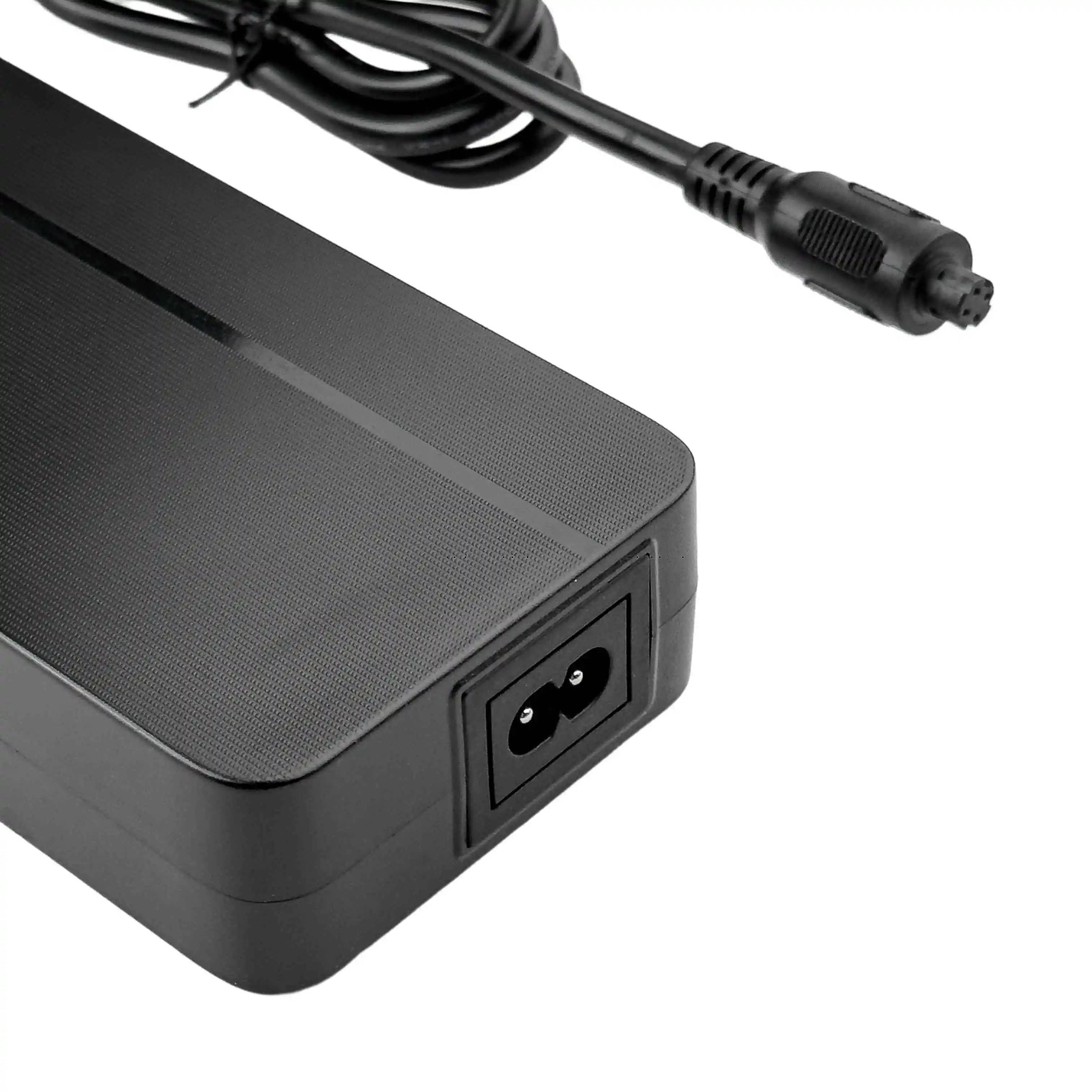
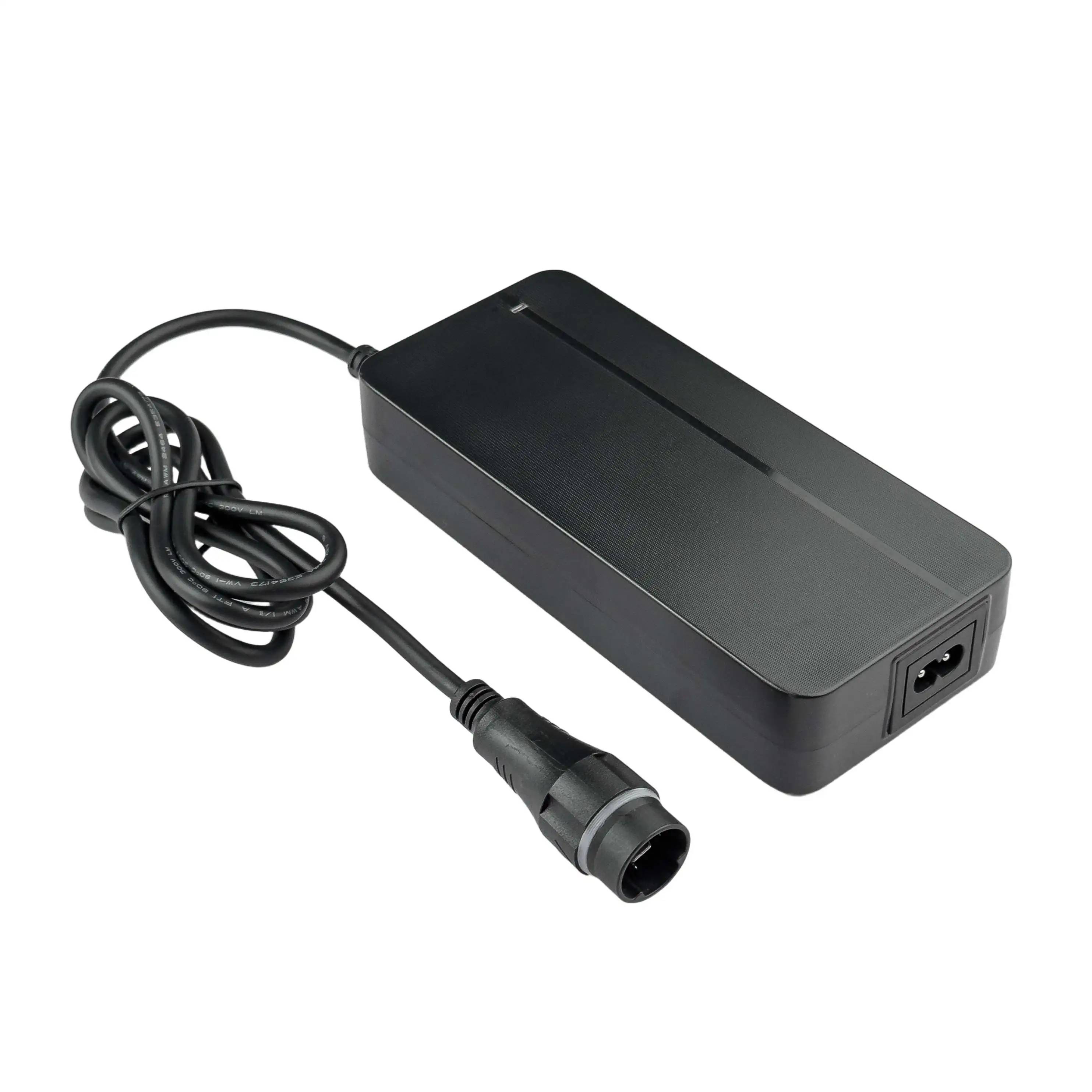
The 168W Yamaha E-Bike Charger 42V 4A Fast Charging Solution is designed for buyers who need a dependable external power source for compatible electric bicycle battery systems. In practical terms, it solves the common problem of slow charging, inconvenient replacements, and inconsistent adapter fit by providing a compact AC-to-DC power supply format that can be integrated into a charging setup. The visible product structure shows a black rectangular power brick with a detachable mains cord and a low-voltage output cable, a layout widely used for external chargers and power adapters in electronics and e-bike applications.
Because the exact electrical specifications, connector details, and compatibility limits are not fully visible here, the safest way to evaluate this product is as a charger-style power conversion assembly rather than as a universally compatible unit. Buyers typically choose this type of product when they need a replacement charger, an OEM power accessory, or a compact adapter with a fixed output lead for a specific battery or device platform.
Product Reference: What Is Visible
This adapter appears to use a rectangular inline housing with rounded edges, a matte black finish, and molded cable exits for strain relief. One end shows an IEC-style AC inlet for a detachable mains cord, while the output side uses a permanently attached low-voltage lead with a barrel-style connector or similar circular plug. Those visible features indicate a standard external power supply architecture: mains AC enters through the cordset, internal electronics convert the power, and DC exits through the attached cable.
For purchasing teams, that structure matters because it affects installation, replacement convenience, and cable management. A detachable AC cord can simplify logistics and regional cord selection, while the fixed output lead reduces connector wear at the output side. The compact footprint also makes it suitable for desktops, repair kits, and equipment carts where space is limited.
Key Specifications and Capabilities
Typical use profile
The product is presented as a 168W Yamaha E-Bike Charger 42V 4A Fast Charging Solution, which suggests a charger intended for a 42V battery system with up to 4A output capability. That said, buyers should confirm the exact electrical rating, polarity, and connector interface before use, since those values are not fully verifiable from the visible image alone.
Functional role
As an external power supply, the unit performs AC-to-DC conversion for devices that require regulated low-voltage input. In an e-bike charging context, that usually means a stable DC output matched to the battery management system and charging specification of the bicycle or battery pack. In other device categories, the same power brick format can support compatible electronics, control modules, or accessory equipment with a matching input.
Form factor advantages
The enclosure is compact and rectangular, which helps with mounting, storage, and replacement in service environments. The hardwired output lead also reduces the number of exposed joints on the low-voltage side, while the molded cable exits help protect against flex fatigue during repeated handling.
Materials and Finish Options
The visible housing appears to be molded plastic with a matte or lightly textured surface. Black is a practical finish for power supplies because it hides minor scuffs and fits neatly into OEM equipment sets. The cables appear to be black insulated wire with molded strain reliefs at the exits and connector ends.
For OEM or replacement programs, material and finish choices often include different enclosure textures, cable jacket ratings, connector boot styles, and label layouts. If your project needs a specific appearance for brand consistency or inventory sorting, the external shell and cable color can often be customized during production, subject to project volume and design requirements. Internal materials, thermal design, and PCB layout are not visible here, so those should be confirmed through samples or technical drawings.
Manufacturing Process and Assembly Notes
This type of charger or adapter is typically produced as an electrical power-supply assembly. The standard workflow usually includes enclosure molding, PCB and component assembly, cable harness preparation, connector termination, internal fastening, and final test. The visible strain reliefs and cord entries suggest attention to cable retention, which is important in products that are handled daily or moved between charging locations.
From a manufacturing standpoint, the combination of an external brick and attached output lead can be easier to assemble than a fully custom integrated device, especially when the application needs a ready-to-use charging accessory. For B2B buyers, this often lowers integration effort and speeds replacement in service channels, provided the connector and output rating match the target device.
Application Scenarios
This charger format is well suited to electric bicycle battery charging when the voltage, current, and connector match the pack design. It is also useful in broader OEM and replacement markets where a compact external adapter is needed.
- Replacement charger for compatible Yamaha e-bike battery systems
- OEM power accessory for mobility equipment and battery-powered devices
- Service stock for repair shops and fleet maintenance teams
- Low-voltage external power source for devices using a barrel-style or circular connector
- Bench or depot charging where a detachable AC cord is preferred
Outside e-bikes, similar adapter architectures are used for networking devices, small industrial controls, LED systems, and consumer electronics. However, device compatibility should never be assumed from appearance alone.
Quality Control and Buyer Considerations
For charger procurement, quality control is usually judged by electrical stability, connector fit, thermal behavior, insulation reliability, and cable durability. Since none of the hidden electrical specs are visible in the image, buyers should request technical documentation and confirm the following before ordering in volume:
- Output voltage and current rating
- Connector type, pin count, and polarity
- Input voltage range and regional mains compatibility
- Cable length and strain relief requirements
- Thermal limits and enclosure material requirements
- Marking, label, and compliance needs for the target market
These checks are especially important for a Yamaha e-bike charger, where battery chemistry and charging profile must align with the device design. Using an incorrect adapter can lead to poor charging performance or incompatibility even if the connector appears similar.
Customization Guidance for OEM and Replacement Projects
When sourcing this kind of charger for a branded product line or service program, customization often focuses on the output lead, connector, labeling, housing style, and cable routing. Buyers may also specify packaging format, regional power cord set, and identification marks for warehouse control. If the adapter is intended for a private-label program, clear documentation should define the electrical output, connector geometry, and acceptance criteria before mass production.
For replacement use, the most important step is matching the original charger’s electrical and mechanical interface. Even when the form factor looks correct, small differences in plug dimensions or polarity can prevent safe operation. A sample comparison is often the fastest way to verify fit.
Why Buyers Evaluate This Charger Type
Business buyers usually compare external chargers on reliability, fit, serviceability, and packaging efficiency. A compact charger brick with a detachable mains cord offers a practical balance: it is easy to ship, easy to store, and easy to replace in the field. A fixed output lead can also be preferable in applications where the connector should remain dedicated to one device family.
In purchasing decisions, the biggest factors are not only wattage or amperage, but also connector compatibility, thermal design, and supply consistency. If those elements are controlled, this style of charger can be a straightforward fit for maintenance inventory, OEM kits, and end-user replacement channels.
Request a Match Check or Custom Supply
If you are sourcing the 168W Yamaha E-Bike Charger 42V 4A Fast Charging Solution for replacement or OEM use, share your required voltage, connector photo, cable length, and label needs so the specification can be verified before production or shipment. A clear sample match saves time and reduces compatibility risk.
Contact us with your target device details, and we can help confirm whether this external power supply format is suitable for your application, whether you need a standard replacement, a cable-set variation, or a customized charger build.