85W Bosch Compatible E-Bike Charger | 42V 2A Smart Fast Charging Solution
The 85W Bosch Compatible E-Bike Charger is designed for riders and service teams that need a dependable replacement power supply for compatible e-bike battery systems. It solves a common buying problem: finding a charger that matches the connector, charging behavior, and everyday handling needs of the bike without relying on a fragile or mismatched adapter. For OEM buyers, distributors, and repair shops, the value is not just power delivery, but a compact charging unit that can be bundled, stocked, or used as a spare when the original charger is lost or worn out.
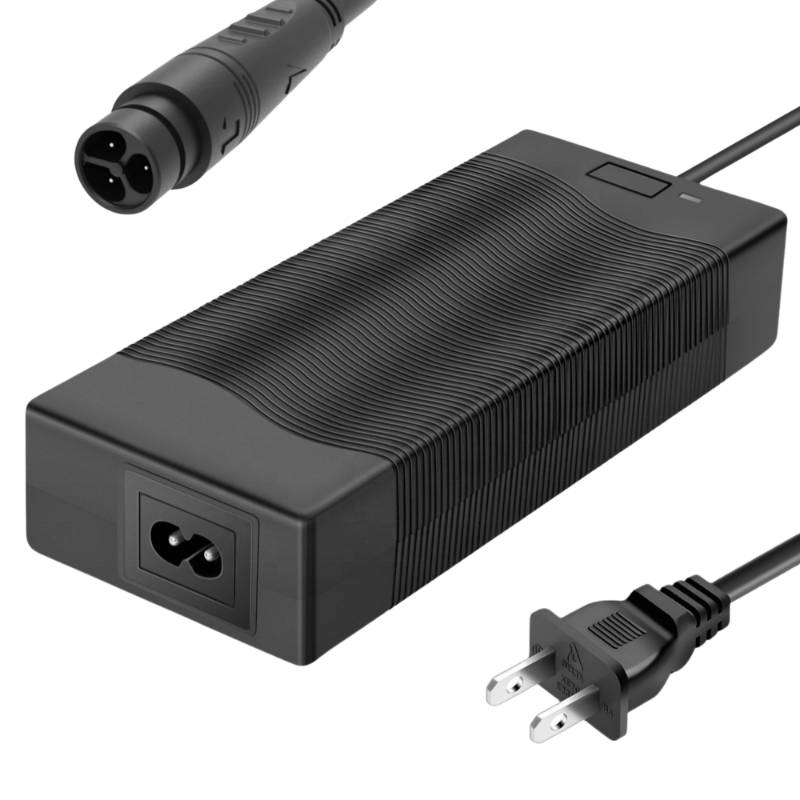
From the visible product structure, this is a black rectangular AC/DC power adapter style unit with a molded housing, attached cable, and a small connector on the output side. The form factor is practical for bench use, workshop replacement, and home charging. Because exact electrical details are not fully legible in the source data, the page below focuses on the verifiable structure, common usage scenarios, and the factors buyers should confirm before ordering.
Product Overview
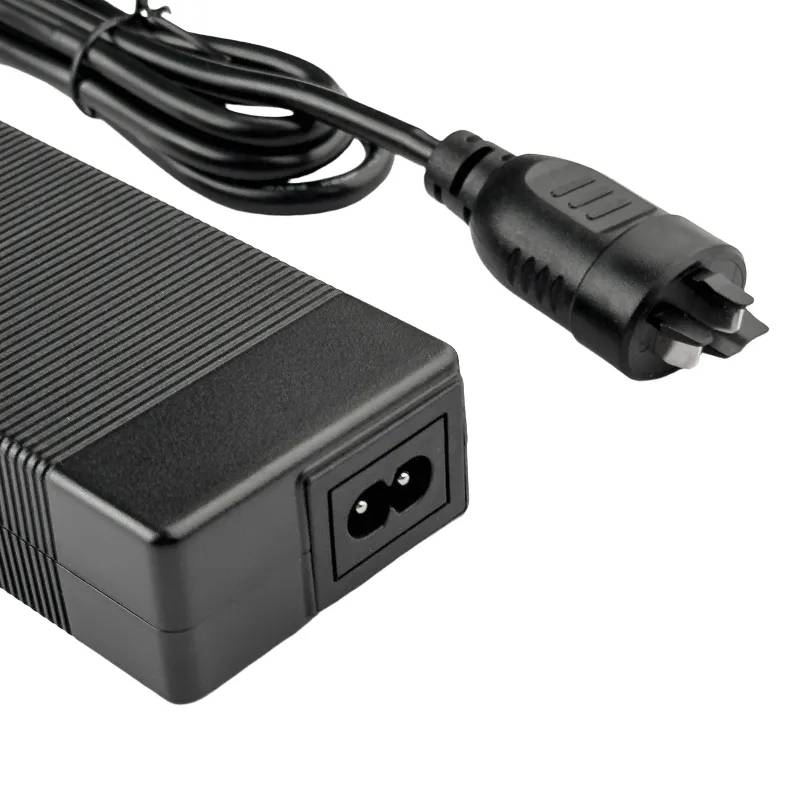
This charger belongs to the external power supply category. It converts mains AC power into low-voltage DC output for a compatible battery or device. The body appears to be an injection-molded plastic enclosure with a matte black finish and a ribbed center section that helps with handling and heat dissipation. A cable exits from the housing, and the output end uses a molded connector with a keyed shape. The connector standard cannot be confirmed from the image alone, so compatibility should always be checked against the target device.
For Bosch-compatible e-bike applications, this type of charger is typically selected when the buyer needs a replacement unit with the correct voltage profile, safe charging behavior, and a physical connector that matches the battery interface. The “smart” charging function in this context generally refers to controlled charging rather than direct power feed, with the charger working as an external supply device intended for battery charging use.
Key Specifications and Capabilities
Because the provided information does not confirm every electrical value, it is best to treat the following as practical capability categories rather than fixed published specs. Buyers should verify the actual label and connector before purchase.
- Product type: external AC/DC charger or power adapter
- Housing: compact rectangular brick-style enclosure
- Finish: matte black molded plastic
- Output style: attached DC lead with molded connector
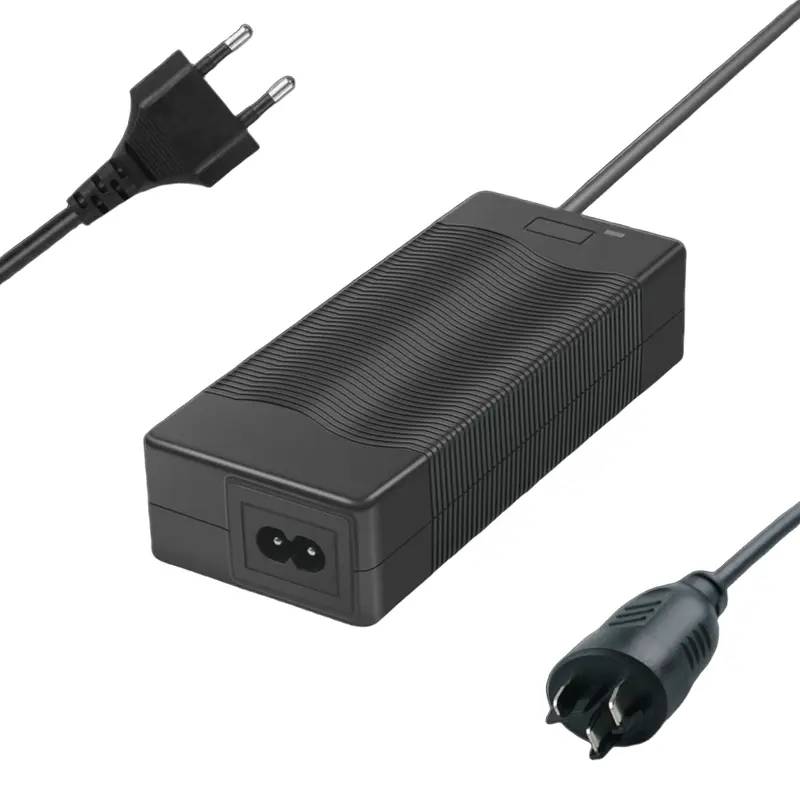
- Input style: detachable or visible AC mains cord arrangement in the supplied data
- Use case: replacement, spare, OEM supply, or service-part stocking
In practical use, buyers look for stable output, proper connector fit, and dependable cable strain relief. Those are especially important for e-bike charging, where a loose plug or poor cord termination can interrupt charging and increase wear over time.
Materials and Finish Options
The visible enclosure is made from black plastic, likely a molded housing used for insulation and impact resistance. The cable insulation appears to be a flexible black polymer, commonly PVC or a similar material used in power cords. The connector shell is also molded plastic, which helps protect the contact area and supports keyed insertion.
For sourcing and product development projects, this style of charger is often available with different finish or configuration options depending on the program: cable length, plug standard, label layout, housing texture, and connector shape may vary. The source data shows a European-style two-pin mains plug cable among the visible accessories, which is useful for markets that use that plug format. However, the exact regional configuration should be confirmed for each order.
Manufacturing Process and Assembly
This product falls into the electrical power supply assembly category. Typical production includes internal circuit assembly, housing molding, cable preparation, connector overmolding, strain relief installation, and final electrical testing. The external shell usually combines two molded halves or a similar enclosure structure that is closed after the electronics are installed.
From a buyer perspective, the critical manufacturing points are not the hidden components alone, but the assembly quality around the cable exits and connector terminations. A charger that will be used daily should have solid strain relief, consistent molding, and a secure fit between the cord and the housing. The visible ribbed section on the body suggests a design that aims to balance grip and thermal management in a compact form factor.
Application Scenarios
This Bosch compatible charger is suited to charging or powering compatible e-bike battery systems where the connector and electrical profile match the bike manufacturer’s requirements. It is also relevant for workshops that maintain fleets of electric bikes, rental operators, and distributors who need spare chargers for customer support.
Typical use scenarios include:
- Replacement charger for a missing or damaged original unit
- Backup charger kept at home, in the office, or in a service van
- Workshop spare part for e-bike maintenance and turnaround
- OEM accessory bundle for compatible bicycle systems
Because the external appearance alone cannot confirm device compatibility, the final fit should be checked against battery model, connector geometry, and charge requirement. That step matters more than the general label description when buying for a fleet or retail channel.
Quality Control Considerations
For this type of product, quality control should focus on electrical consistency, connector fit, cable integrity, and housing finish. Buyers should ask for inspection details that cover polarity confirmation, output stability under load, plug retention, and visual checks on the molded parts. If the charger is intended for cross-border distribution, the mains plug and inlet format should also be verified.
The image data shows regulatory markings on the label area, including icons that appear to be CE, UKCA, and RoHS style marks, but the full certification scope and authenticity are not verifiable from the image alone. Any sourcing decision should rely on supplier documentation, not on the graphic appearance of the label.
Customization Guidance for OEM and B2B Buyers
When ordering in volume, buyers often need a charger adapted to a specific market or device family. The most common customization points for this class of product include cable length, mains plug style, output connector type, housing color, label artwork, and packaging. If the charger is being supplied as a Bosch compatible e-bike charger, the connector and output profile must be aligned to the intended battery system before any branding changes are applied.
It is also wise to define the service environment. A workshop charger may need a longer lead and clearer labeling, while a retail spare part may benefit from concise packaging and easy identification. For private label programs, request sample approval on the connector fit and housing appearance before approving mass production.
Buyer Decision Factors
Before selecting this charger, buyers should confirm several points. First, verify the output requirements of the target battery or device. Second, check the connector type carefully, since the visible connector shape in the source image is not enough to guarantee compatibility. Third, confirm the mains plug standard and regional compliance needs. Fourth, review the cable length and routing needs for the actual installation or charging location.
Other practical factors include heat management, portability, and stocking convenience. A compact brick-style charger is easier to ship and store than larger power supplies, and the attached cable reduces the chance of misplacing parts. That makes this design suitable for spare-part channels and bundled accessory sales.
Why This Format Works for E-Bike Charging
The black brick-style enclosure is familiar in the power-adapter market because it offers a balanced mix of durability and compact size. For charging applications, this format supports simple replacement, straightforward handling, and easy inventory control. The attached cable arrangement also reduces assembly steps for the end user, since the charger can be plugged in and used without searching for separate output leads.
If your purchasing task is centered on replacement convenience, workshop readiness, or OEM supply continuity, this product format is a logical choice. It is especially useful when a buyer needs a practical charging unit rather than a more complex integrated charging station.
Request a Matching Specification Check
If you are sourcing the 85W Bosch Compatible E-Bike Charger for resale, fleet service, or OEM bundling, the next step is to confirm the exact output rating, connector dimensions, and plug standard against your target battery system. Share your required voltage, current, connector photo, and market region, and the supplier can match the correct configuration before production or shipment.
For the safest purchase, always match the charger to the battery label and connector shape, then verify the cable and inlet arrangement against your regional power standard. That avoids compatibility issues and helps keep the charging setup reliable from the first use.